Apigenin is a chemical compound naturally found in plants such as parsley, chamomile, and celery. There’s been some interest from the research community due to its anti-inflammatory, antioxidant, and other potentially beneficial properties for human health.
If you’ve Googled “apigenin testosterone,” you’re not alone. Some research suggests apigenin may benefit testosterone secretion.
But before you buy an apigenin supplement, consider that most of the potential benefits are theoretical. Research is still in the very early stages, and studies have only been performed on isolated human cells or other organisms like yeasts, worms, or rodents (murine).
Ahead, we’ll explore the scientific evidence surrounding apigenin and its possible effects on testosterone and other areas of health.
Reviewed by Kelly Brown, MD, MBA
Image Credit: designer491 / iStock.
What Is Apigenin?

Apigenin is classified as a flavonoid. Flavonoids are pigments found in plants (think fruits, vegetables, herbs, and flowers) that give them their color. Many of these compounds have benefits for human health.
Apigenin is actually in a subcategory of flavonoids called flavones.
Some of the foods highest in apigenin:
-
Celery
-
Parsley
-
Chamomile
-
Wine-spinach
-
Artichokes
-
Dried oregano
This plant compound has gotten lots of attention in recent years due to its array of properties that may benefit the human body. Apigenin is thought to have:
-
Anti-inflammatory effects
-
Antioxidant properties, helping neutralize free radicals that cause oxidative stress
-
Anti-cancer and antitumor benefits
-
Neuroprotective effects, possibly benefiting brain health and other parts of the nervous system
Consuming apigenin may activate several signaling pathways in the body to influence various components of physical health. Below, we’ll look at some of the ways it may benefit men’s health (including a possible testosterone boost).
Image Credit: 5PH/ iStock.
Apigenin Benefits for Men

Some believe apigenin offers many therapeutic effects for the human body. But much of the research on its potential benefits is still in the very early stages, and most studies have only been performed on isolated cells or animals.
With that said, here are some apigenin uses researchers are looking into:
-
Glucose (blood sugar) control for people with diabetes
-
Tumor and cancer cell inhibition through cell death (called apoptosis)
-
Improving symptoms of Alzheimer’s disease and memory loss from amnesia
-
Treating symptoms of depression or anxiety
-
Insomnia treatment
-
Reducing pain related to osteoarthritis
-
Relieving obesity-related dysfunction
-
Helping maintain cardiovascular health
-
Reducing cortisol
-
Increasing lifespan
We’ll explore possible apigenin testosterone benefits in more detail ahead.
Image Credit: jarun011/Istockphoto.
What Is Testosterone?

Testosterone is the primary male hormone. It plays many roles inside the body to support:
-
Sperm production (spermatogenesis)
-
Facial and body hair growth
-
Libido (desire) and function
-
Mood and energy levels
-
Memory and cognitive performance
-
Muscle mass, strength, and bone density
Women having a higher risk of osteoporosis (weakened, brittle bones) than men could be due to less testosterone in the body.
Testosterone levels naturally decline with age, typically starting around age 35.Maintaining good lifestyle habits throughout your life may help you maximize your testosterone levels as you get older.
Low testosterone is called hypogonadism (or sometimes “low T”). Men with hypogonadism may notice changes to their health, such as:
-
Decline in intimacy drive
-
Feeling more tired than usual
-
Irritability or other mood changes
Image Credit: jarun011/Istockphoto.
Is Higher Testosterone Better?

Testosterone is an important hormone for male health, but more isn’t always better. Testosterone levels higher than the normal range may cause problems such as:
-
Acne
-
Mood Swings
-
Aggression
Additionally, some people have more sensitive testosterone receptors than others. This group might not develop any symptoms of low testosterone, even if they’re at the bottom end of (or even below) the normal range.
Image Credit: adamkaz / iStock.
The Relationship Between Apigenin and Testosterone

Since testosterone is so critical for male health, it’s easy to see why increasing testosterone levels is of interest to many men.
After all, there’s an entire supplement industry geared toward boosting testosterone. Lots of these products contain ingredients touted to boost testosterone like apigenin.
Though some research shows a potential benefit of apigenin for boosting testosterone synthesis, we don’t have enough data to draw any firm conclusions yet. Most studies have been in vitro, meaning they’re performed on isolated cell lines in petri dishes, rather than in humans or animals.
Apigenin may have some direct and indirect benefits for testosterone production. But for now, there’s no evidence that apigenin supplements are effective at increasing testosterone levels.
Having said that, we’ll go over some of the theoretical ways apigenin might support testosterone levels — emphasis on theoretical and might.
Image Credit: DepositPhotos.com.
Apigenin Testosterone Benefits: Potentially Improving Sleep

Good sleep is undoubtedly important for many aspects of health, including hormone health. Sleep disruptions have been associated with lowered testosterone levels.
Animal studies on worms, flies, and rodents suggest that apigenin may support sleep. It’s thought that it might bind with receptors in the brain to induce a slight sedative effect.
More research is needed to understand how apigenin affects sleep quality. If apigenin does indeed help with better shut-eye, it’s possible it could indirectly improve testosterone levels.
As noted, apigenin is found in chamomile. Human research suggests that drinking chamomile may help induce feelings of relaxation and make sleep easier — that’s why it’s a main ingredient in many bedtime teas.
Image Credit: DepositPhotos.com.
Apigenin May Improve Testosterone Levels in Rodents With Obesity

Carrying excess body weight is closely correlated with low testosterone levels. There’s strong evidence that weight loss helps improve testosterone levels for people with overweight and obesity. What about apigenin?
In a 2024 study, researchers fed apigenin to mice with obesity on a high-fat diet. They found that the flavinoid may help improve obesity-related privates dysfunction by elevating the body’s ability to metabolize fatty molecules called lipids.
But again, this was a rodent study. More research on humans is needed.
Image Credit: FotoDuets / iStock.
Apigenin May Stimulate Testosterone Production in Leydig Cells
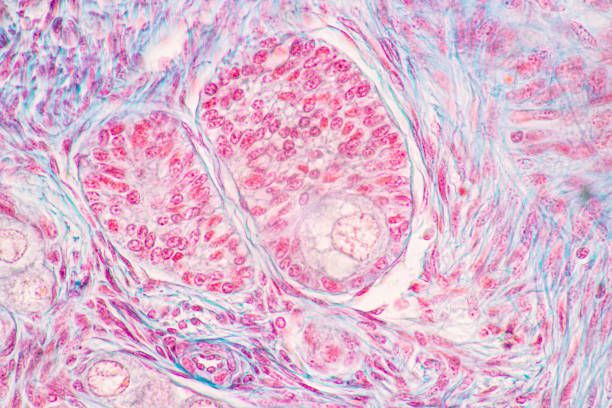
Most of the testosterone in the male body is made inside Leydig cells within the privates. These cells produce testosterone from cholesterol molecules, a process called steroidogenesis.
In an older 2012 study on mice, researchers found that applying apigenin to isolated Leydig cells might stimulate testosterone production.
Bear in mind, though, it’s hard to draw conclusions from animal studies about how apigenin may affect human testosterone production.
Image Credit: Sinhyu / iStock.
Apigenin Might Block the Conversion of Testosterone Into Estrogen

Apigenin may block the enzyme aromatase, which converts testosterone into a form of estrogen called estradiol.
Theoretically, blocking this enzyme could help increase testosterone levels in the human body. But again, more research is needed to evaluate this potential benefit.
Researchers are also looking into whether apigenin may make an effective treatment for breast cancer. In men, breast cancer is associated with higher levels of estrogen.
Image Credit: Igor Alecsander / iStock.
Should You Take Apigenin for Testosterone?

Most research on apigenin testosterone benefits has been performed on single cells or animals — some of which are very dissimilar to humans, such as flies and worms. So it’s really difficult to extrapolate the results of these studies to possible effects in humans.
Supplement brands may claim their apigenin products boost testosterone, but there’s not enough evidence to validate these claims. Plus, as you may know, supplements aren’t regulated for efficacy or safety by the FDA (U.S. Food and Drug Administration).
Until more research comes out, it’s probably best to explore other medically approved ways to remedy low testosterone.
If anything, you can try to get more apigenin through your diet. Many food sources of apigenin contain other chemicals and nutrients that can help support overall health.
Image Credit: LightFieldStudios / iStock.
Apigenin Dosage for Testosterone

No optimal dosage of apigenin for testosterone has been established. But research suggests daily adult intake of the compound through food ranges from about 0.45 to 1.17 milligrams.
Image Credit: stefanamer / iStock.
Are Apigenin Supplements Safe?

While the effects of apigenin supplements are still relatively unclear, they’re generally considered safe even at high doses.
Few serious apigenin side effects have been reported, and no toxic dose has been established. The bioavailability (how much the body absorbs) when taken orally seems to be around 30 percent.
Apigenin appears generally safe, but as noted, dietary supplements aren’t regulated by the FDA. Some may be contaminated with ingredients that could be harmful to humans.
Image Credit: DepositPhotos.com.
Apigenin Alternatives: Other Ways to Increase Testosterone Levels

The relationship between apigenin and testosterone is still an area of active research. And the results of any current studies should be interpreted with cautious optimism.
But there are many established ways to improve testosterone levels other than taking apigenin supplements. You can try:
-
Exercising regularly. Working out at least a few times a week can help you maintain a healthy body weight and muscle mass. Losing weight if you’re overweight is also associated with improved testosterone levels.
-
Eating a balanced diet. Eating a nutritious diet full of whole foods may help you maintain a healthy weight and avoid nutrient deficiencies that could impact testosterone levels.
-
Getting enough sleep. It’s vital to get adequate sleep each night to help support overall hormone health.
-
Limiting alcohol consumption. Excessive alcohol intake can potentially lower testosterone production.
If lifestyle changes don’t help or you’ve been diagnosed with low testosterone by a healthcare provider, you might also consider medication to increase testosterone production or testosterone replacement therapy (TRT). TRT involves taking synthetic testosterone to keep levels in a healthy range.
Image Credit: DepositPhotos.com.
Signs You May Have Low Testosterone

Potential signs you may have low testosterone:
-
Low energy levels
-
Reduced libido or ED
-
Loss of muscle mass or increased body fat
-
Reduced bone density
-
Mood changes, such as increased irritability, anxiety, or depression
-
Difficulty concentrating
-
Decreased beard or body hair growth
Guys with low T may develop only a few of these symptoms or most of them.
Unsure if you’re dealing with low testosterone? Consult a healthcare provider. They can order a blood test to measure your testosterone levels.
Image Credit: Depositphotos.com.
Apigenin Testosterone: Final Thoughts

Apigenin is a flavonoid with a wide range of potential health benefits. However, most research looking at this chemical compound is in the very early stages.
Here’s the TL;DR on apigenin testosterone benefits:
-
Some very early studies have found that apigenin might have benefits for testosterone levels.
-
But most of the research on apigenin for testosterone has been performed on isolated cells or animals.
-
It’s unclear what concentrations of apigenin might be beneficial for humans — if at all. More research is needed to see how apigenin supplements affect human health.
-
Certain dietary changes can help you consume more apigenin — for example, eating more parsley or sipping chamomile tea.
If you think you might have low testosterone, consider talking to a healthcare provider about medications, TRT, or lifestyle habits you can make to boost your testosterone levels.
- Related: How Does Cialis Work and What to Do If It Doesn’t
- Related: Viagra Dosage Guide: What is the Right Dose for You?
Like MediaFeed’s content? Be sure to follow us.
This article originally appeared on Hims.com and was syndicated by MediaFeed.org.
Image Credit: DepositPhotos.com.