
Sleep is one of those things that we take for granted in our youth, but relish as we get older. Despite looking forward to crashing at the end of a long day or staying in your comfy bed when your alarm goes off, many of us aren’t getting enough sleep.
In fact, one in three Americans doesn’t get enough shut-eye. A lack of sleep can affect your health in several ways — including your weight.
But how does sleep affect weight loss? Is there a best time to sleep to lose weight? Does lack of sleep cause weight gain?
The Relationship Between Sleep and Weight Loss
No matter how much you love your bed, if you’re not getting the right amount of sleep, you may find yourself in a lose-lose situation when it comes to maintaining a healthy weight.
The CDC (Centers for Disease Control and Prevention) recommends adults get seven or more hours of sleep each night.
Not getting enough sleep (whether by choice or from sleep disorders like sleep apnea) has been linked to several health conditions. This includes heart disease, obesity, type 2 diabetes and depression — all of which can affect your weight.
Research has also found the sleep and weight loss relationship goes both ways. When the hours of shut-eye you get each night decreases, it can be harder to lose weight or potentially lead to weight gain.
So how does sleep help you lose weight? What’s the connection between sleep and weight loss, or why can less sleep mean more weight?
Several possible factors connect sleep to weight loss or weight gain — from poor food choices, changes in appetite and eating at odd hours to decreased physical activity and metabolism changes.
(Related: Weight Loss Medications: Are They Effective?)
Does Sleep Help You Lose Weight?
If you’re on a weight loss journey, the first thing you probably want to know is: Does sleeping help you lose weight?
While good sleep may not directly lead to a lower number on the scale, some evidence suggests the effects of sleep help with weight management.
The connection between sleep and weight loss may involve how sleep affects appetite. Our appetite is controlled by neurotransmitters, chemical messengers that allow nerve cells to communicate with one another.
The neurotransmitters ghrelin and leptin are thought to be central to appetite, with ghrelin promoting hunger and leptin contributing to a feeling of fullness.
A good night’s sleep can promote healthy ghrelin and leptin levels so you can go about your day with a regular appetite.
A small study looked at 80 overweight adults who slept less than 6.5 hours each night. It found that over a two-week period, those who slept more reduced their calorie intake compared to a control group.
While this particular study had a small sample size, there’s decent evidence that improving sleep quality and increasing how much sleep you get each night could help with weight loss.
Another well-known component of weight and fat loss is exercise, which, in turn, may help you sleep better. A 2017 review of studies on over 900 adults concluded that those who engaged in regular physical activity had better sleep quality.
Another review of multiple studies saw a clear connection between exercise and improved sleep quality or longer stretches of sleep.
The exact relationship between physical activity and better sleep quality isn’t fully understood. But exercise certainly appears to improve sleep, which can help you maintain a healthy weight.
Can a Lack of Sleep Cause Weight Gain?
There’s promising research behind the idea that better sleep can help you lose weight. But does a lack of sleep cause weight gain?
Numerous studies have suggested that poor sleep quality may lead to higher body weight, as well as a higher risk of obesity and other chronic health conditions.
Several studies have suggested that reducing sleep by just one hour a night could result in an increase in body mass index (BMI) by about three pounds. BMI screens for weight categories by comparing a person’s height to their body mass.
Overall, these studies (which collected results from multiple individuals around the world) found an increased risk of obesity amongst those who got less sleep.
Other international studies with a wide range of participants have also found a small but significant relationship between short sleep duration and waist measurement. Those who got less sleep saw an increase in waist circumference.
The measurement of your waist is one way to determine if you’re at a higher risk for health conditions associated with obesity or being overweight.
Sleep deprivation may also contribute to poor eating patterns and food choices by messing with your appetite.
A 2015 review of multiple studies found consistent links between short sleep duration and irregular eating patterns. Those who got less than seven hours of sleep a night ate fewer main meals and more small, high-fat snacks.
A more recent but smaller study from 2021 also found that reduced sleep led to poor food choices and a higher caloric intake. This could be due to the effect sleep quality has on the chemicals we mentioned above that control appetite and cravings, ghrelin and leptin.
Adequate sleep helps keep ghrelin and leptin balanced. But poor sleep patterns could have the opposite effect, causing you to consume more food and eventually leading to weight gain.
In a 2004 study, sleep restriction was found to reduce leptin levels (the hormone that helps you feel full) and raise ghrelin, causing increased hunger and more food intake.
(Related: Ozempic For Weight Loss)
Does Bad Sleep Affect Your Metabolism?
You’ve probably heard of metabolism and its connection to weight gain or weight loss. However, your metabolism isn’t necessarily connected to or responsible for weight.
Instead, it’s the process by which your body converts food into energy. And energy is necessary for various bodily functions like breathing, digestion and managing hormone levels.
But that doesn’t mean there isn’t a connection between insufficient sleep and metabolism. Some theories suggest that either a lack of sleep or poor-quality sleep can negatively impact metabolism and energy expenditure.
Finding the motivation or energy to work out is hard enough. When you don’t get enough sleep, your energy levels take a hit, making it even more difficult to hit the gym or do much physical activity at all.
Beyond working out, you also burn fewer calories when you get insufficient sleep.
While activities like exercise can temporarily increase metabolism, metabolism actually slows about 15 percent during sleep. Disrupted sleep can affect your metabolism even more.
According to a small study on men and women, less sleep leads to a decrease in resting metabolic rate — the number of calories burned when your body’s at rest or conserving energy.
Big changes in your sleep schedule can also cause changes in metabolism and reduce insulin sensitivity, leading to an increased risk of diabetes.
Tips for Better Sleep on Your Weight Loss Journey
While there seems to be a significant connection between sleep and weight loss (or weight gain, for that matter), it may feel impossible to get more sleep. But getting better sleep is possible with small lifestyle changes for better sleep habits.
For better sleep, try:
-
Going to bed and waking up at the same time each day — even on weekends
-
Limiting your screen time about an hour before going to sleep
-
Removing electronic devices from the bedroom
-
Keeping your bedroom dark, quiet and at a comfortable temperature
-
Avoiding caffeine and alcohol before bedtime, as well as large meals
-
Getting regular physical activity
Start with one or two changes, then add more healthy habits to see what works for you.
Sleep and Weight Loss: The Bottom Line
If you’re having trouble losing weight or find yourself gaining weight, one thing you may want to consider is your sleep.
Does sleep loss cause weight gain? Here’s what to keep in mind:
-
Though the recommended amount of sleep is more than seven hours per night, a third of people aren’t meeting this. Lack of sleep can increase your risk of health conditions like diabetes and high blood pressure while contributing to weight gain.
-
Sufficient sleep may help you lose weight. A full night’s rest can help control appetite by balancing the hormones ghrelin and leptin.
-
Sleep deprivation can also affect weight in the opposite direction. Causing a spike in the stress hormone cortisol, poor sleep quality is associated with poor eating habits.
-
Sleep can also affect your metabolism (how your body converts food to energy). Getting less sleep may decrease your resting metabolic rate while increasing insulin sensitivity and the risk of diabetes.
Research on the connection between weight and sleep is still unfolding. But a long-term lack of sleep can make weight loss harder and increase your risk of weight gain.
Fortunately, there are ways to try and get a full night of sleep, from better sleep hygiene to regular exercise and more. Getting proper sleep can support weight loss programs and help with weight management.
This article originally appeared on Forhers.com and was syndicated by MediaFeed.org
More from MediaFeed:
25 Weight-Loss “Tricks” You Should Stop Immediately

When it comes to diet and nutrition, we all want to find “the answer” that will fix our alleged problems. As a result, we often latch onto crazy diet ideas that, in the moment, sound like the perfect solution. But these too-good-to-be-true “solutions” can hurt more than help us in our attempts to achieve weight loss and gain healthy habits.
Here are some of the most common diet myths exposed.
DepositPhotos
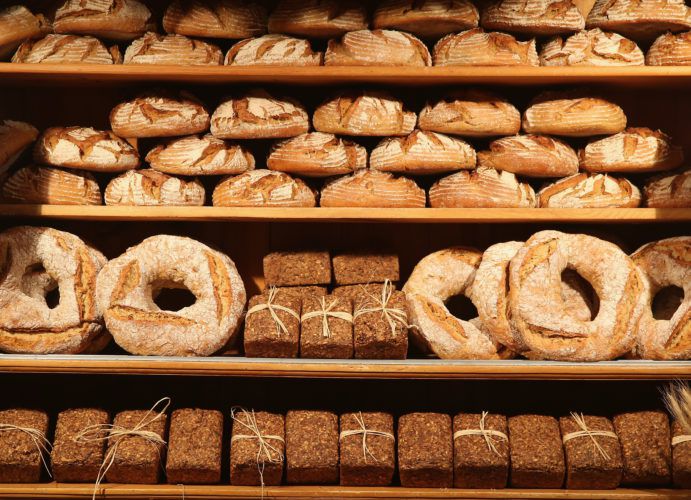
The protein-pushing keto craze sure makes it seem like carbs should be avoided at all costs. But do grains deserve their bad reputation?
“People often say that carbs are fattening,” says Kristin Kirkpatrick, MS, RD, LD. “But complex carbohydrates, like whole grains, are not ‘fattening’ foods.’”
In other words, avoid refined carbohydrates like white bread, rice and processed snacks, but keep those whole grains for a healthy balance.
Getty Images | Sean Gallup

While diet sodas may be a better alternative than their full-sugar counterparts, medical studies are starting to show that the artificial sweeteners may actually cause us to eat more calories later in the day. If you want to keep the fizz and ditch the artificial sweetener, try flavored carbonated water instead.
Getty Images | Scott Olson

Like carbs, the type of fats we eat makes a difference. That, in combination with how many calories we eat each day, determines our body weight. Trans fats, typically found in many fried foods, can cause cardiovascular disease. However, saturated fats do not have the same effect and can, in fact, help keep us satisfied longer, leading to fewer calories consumed.
Getty Images | Lisa Lake

Maybe you’ve only been eating the egg whites to avoid raising your cholesterol. Well, maybe you don’t have to anymore.
“Unless you are genetically predisposed to high cholesterol or cardiovascular disease, eating the eggs AND yolks can actually help you,” says Darin Hulslander, CEO and owner of DNS Performance and Nutrition. “For one, yolks are high in antioxidants, vitamins, and minerals. Egg yolks also elevate high-density lipoproteins, which are the ‘good’ proteins that can help remove plaque from the arteries.”
DepositPhotos.com

If you count calories, you might think losing weight is as simple as staying under a certain number every day. Unfortunately, this is not necessarily true. You can eat 200 calories of lean protein or 200 calories of chocolate, but the body processes each differently. Depending on what you eat, your body can store or burn more calories. So, use those calories wisely!
Getty Images | Joe Raedle

Reading headlines such as “red meat could lead to cancer” is frightening. And while some studies indicate there is an association with red meat consumption and cancer, it’s important to note that this doesn’t mean it causes cancer. Eating red meat in moderation is not dangerous.
Getty Images | Justin Sullivan
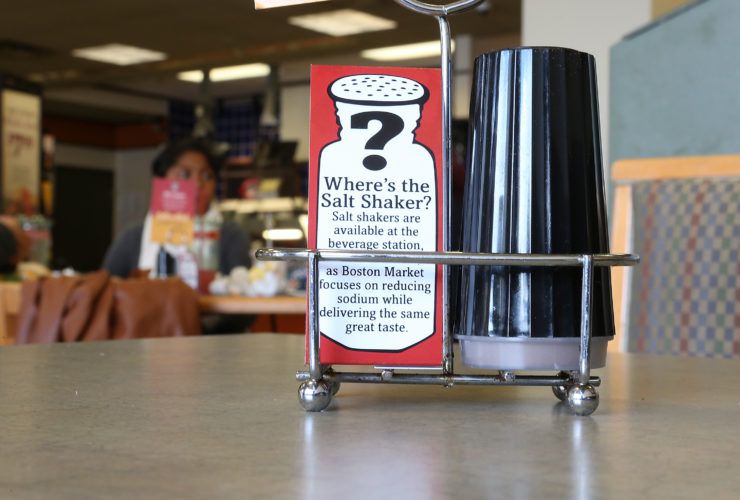
The American Heart Association recommends that people consume less than 1,500 milligrams of sodium (salt) each day. Excessive sodium can lead to high blood pressure. However, this doesn’t mean we have to eat bland food. Use salt in moderation and, if you have high blood pressure, talk with your doctor on the best guidelines for your individual needs.
Getty Images | Justin Sullivan

Sure, peanut butter is a good source of protein and fat. However, you need to be careful about what kind you put in your pantry. Many national brands of peanut butter are filled with extra sugar, fats and preservatives that counteract any health benefits. Check the label and pick up a jar with as few ingredients as possible to get the healthiest version of this favorite snack.
Getty Images | Justin Sullivan

Calories can’t tell time. The time of day of when you eat only matters if you tend to overindulge at the end of the day and eat too many calories. If you happen to eat a late dinner or snack but stay within your normal calorie range for the day, it should all even out in the long run. However, many people mindlessly eat at night because they are bored or tired, and this is what leads to weight gain.
Getty Images | Robin Marchant
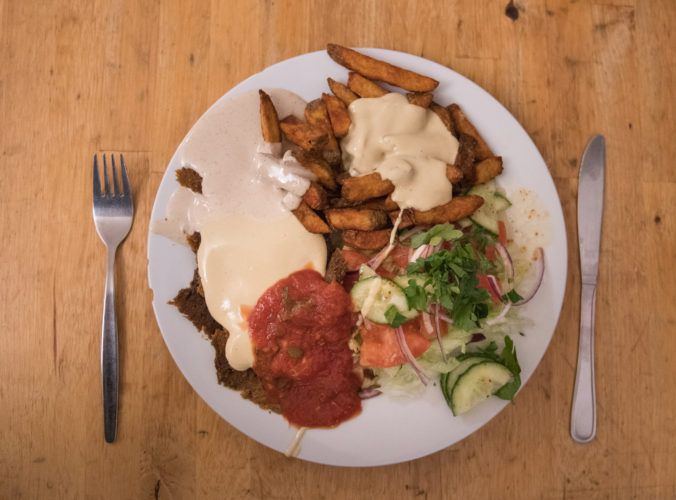
This is the one case where all calories are pretty much alike. Multiple studies show that eating the same amount of calories in either a few larger meals or more frequent smaller ones have the same outcome on the body. In other words, this is a case where 1,000 calories in a day are the same, no matter how often you eat during the day.
Getty Images | Steffi Loos

With labels like “Lean Cuisine” and “Healthy Choice,” it’s easy to think that pre-packaged frozen meals are not only convenient but also a better choice to help us in our diet goals. This isn’t always the case. Many of these pre-packaged meals contain too much sodium, which can lead to water retention and bloat. Also, many offer too few calories, which can lead to hunger later on in the day. Check the labels carefully and make sure you’re making the best choice.
Adobe
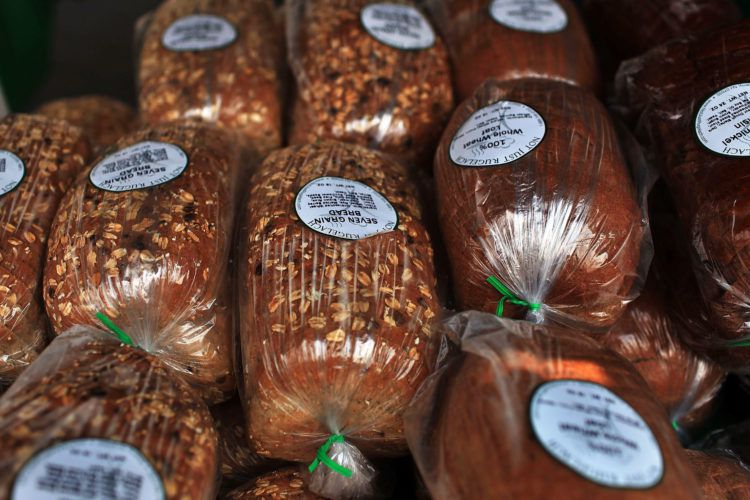
When looking to avoid processed carbohydrates, many people reach for wheat or multigrain bread over white. But be careful! Make sure you’re picking up 100% wheat or whole grain bread. Otherwise, you could be just be getting mostly white bread with a little wheat flour mixed in — or even just food coloring to make it look brown!
Getty Images | Spencer Platt

This nutrition myth has been around forever, but it’s just not true for most people. Medical studies show that among extremely active people such as marathon runners and skiers, taking at least 200 milligrams of vitamin C every day can possibly cut the risk of getting a cold in half. But for most people, taking daily vitamin C did not seem to actually reduce the risk of getting a cold.
Getty Images | Jack Taylor

Wouldn’t it be great if there were such a thing as a negative-calorie food? You know, the kind that burns more calories when we eat it than it has? Sadly, there is no such thing, even when it comes to something as healthy as a piece of celery.
“Regardless of the [calories] in the food, you’re always going to be able to get something out of it,” says Stephen Secor, a professor of biological sciences at the University of Alabama.
Getty Images | Sean Gallup

Organic is simply how ingredients are grown, usually pesticide-, herbicide- and insecticide-free. An organic label does not mean it’s healthier than non-organic foods. Even things like sugar, granola bars and boxed mashed potatoes can be organic. So, don’t rely on an organic label to tell you if something is automatically better for your diet.
Getty Images | Sean Gallup

While cutting out gluten from your diet can help if you have celiac disease, it isn’t really a factor in weight loss.
“Unless you suffer from celiac disease, there’s not much scientific support to back the claim that eating gluten-free is healthier or a smart strategy for weight loss,” says Ashvini Mashru MA, RD, LDN. “Cutting gluten out of your diet most often leads to a reduction in overall calories, simply due to the sheer amount of grain-based foods that we eat on a regular basis.”
Getty Images | Jason Kempin

Fewer calories consumed means weight loss, right? Not so fast!
“In fact, studies have proven it to be the opposite: skipping meals promotes weight gain,” says Cheryl Forberg, RD, nutritionist for “The Biggest Loser.” “When we skip a meal, by the time we eat, we’re so hungry we consume too much, too fast and choose the wrong foods.”
Adobe

Foods like asparagus and lemons are known as natural diuretics. And while these kinds of foods may not hurt when it comes to holding onto excess water, eating large amounts of them will not help get rid of belly bloat or weight.
Getty Images | Miles Willis

Your daily cup of coffee may give you a good dose of caffeine, which is a stimulant to your body. However, that caffeine jolt does not boost your metabolism enough to be a weight loss cure-all. Also, depending on what you add to your coffee (cream, flavorings, sugar), you could be adding extra calories to your day. So if you love a cup of joe, keep it basic and black, if possible.
Getty Images | Bryan Thomas

This is a short-term fix with many long-term problems. By severely cutting daily calories for extended periods of time, your entire metabolism can change to actually hold onto weight! Also, your body needs adequate nutrition to stay healthy. If you want to lose weight and keep it off forever, you need a modest calorie restriction plan that you simply continue and never stop.
Adobe

You cannot outrun a bad diet. It’s as simple as that. Exercise is great for our cardiovascular health and for building good muscle tone. And yes, it does help regulate our weight. But the amount of exercise you have to do to counteract a few extra slices of pizza isn’t sustainable or reasonable. So work in a healthy diet plan along with your regular workouts for optimal results.
Getty Images | Hagen Hopkins

In a pinch, these convenience items are helpful in maintaining a healthy diet. But things like shakes and nutrition bars are not meant to be long-term replacements for healthy meals. Check the ingredients for artificial sweeteners if you buy these items. Your best bet: Make these at home and use them occasionally.
Getty Images | John Sciulli

Yes, some people should probably cut back on sugar in order to make their diet healthier. But naturally sweet foods such as fruits are sources of important vitamins and minerals. The sweets to avoid are those with added sugars and syrups.
Getty Images | Scott Olson

Good news! While fresh vegetables are always a healthy option, so are most frozen varieties. Over time, fresh vegetables can lose nutrients, while frozen ones can retain them longer. Make sure you pick up frozen vegetables without added sauces, cheese or sodium to keep them as close to fresh as possible.
Getty Images | Sean Gallup

Can you imagine life without ice cream, cookies or cake? You don’t have to in order to follow a healthy eating plan. In fact, planning to have some of your favorite treats occasionally can ensure you don’t feel deprived and end up splurging later on.
This article originally appeared on TheDelite and was syndicated by MediaFeed.
Getty Images | Monica Schipper

20 things in your house that are filthier than you you thought
Like MediaFeed’s content? Be sure to follow us.
DepositPhotos.com
Featured Image Credit: LaylaBird/istockphoto.