Money management can be complex, but what if the best, smartest advice could fit on one little index card? That’s the idea behind the financial index card. It’s a concept that the researcher who popularized the idea that the most effective strategies could be summarized on a small piece of paper, whether you pin that to your fridge, carry it in your pocket, or keep it next to your laptop.
Here, you’ll learn the story of that financial index card and what exactly is written on it. The advice written on it could help build your money smarts and build your wealth.
(Learn more: Personal Loan Calculator)
The Story Behind the Financial Index Card
The financial index card got its start In 2013, when Harold Pollack, PhD, a social scientist at the University of Chicago, posted a photo of an index card online. On the card, he said, was the only financial advice anyone ever needed to know.
He created the card after interviewing personal finance writer Helaine Olen. During their talk, Pollack jokingly claimed that all the necessary info about good money management could fit on an index card.
Pollack’s off-the-cuff comment — at the time he hadn’t actually produced this index card — generated a lot of audience commentary with investors wondering what his advice would be. Pollack grabbed an index card, wrote down nine tips, snapped a photo, and posted it online.
The nine simple tips on the card resonated with the public and the photo went viral. In fact, the concept was so popular that Pollack teamed up with Olen to write a book, The Index Card: Why Personal Advice Doesn’t Have to Be Complicated.
The Financial Index Card’s Advice
Here is a rundown of the nine tips Pollack offered on the original card and an explanation of what each one means to help you better understand the value of the financial index card.
1. Max Out Your 401(k) or Other Employee Contribution
A traditional 401(k) is a retirement plan that offers various investment options and is often offered via your employer – but note that not all employers offer 401(k)s as a benefit. Sometimes your employer will make matching contributions to your 401(k) as well.
What makes 401(k)s particularly useful are the tax advantages that they offer. You can fund 401(k)s with pretax money.
Contributions can be taken straight from your paycheck before you pay any income tax, which in turn lowers your taxable income and potentially your tax bill that year. Keep in mind that when you later make withdrawals from your 401(k), you will owe income tax.
But once in the 401(k), your money grows tax-deferred. Your employer will likely offer a number of investment options for you to choose from, such as mutual funds or target-date funds.
The more money you can put into your 401(k), the more money you have at work for you. If your employer offers matching funds, aim to at least save the minimum amount to max out the match if you can.
Saving for your future merits a spot on the financial index card because it’s such a vital part of planning ahead, achieving your money goals, and building your net worth. What’s more, stashing away cash for tomorrow can also help reduce money stress.
2. Buy Inexpensive, Well-Diversified Mutual Funds
Here’s the next bit of advice from the financial index card: It’s about buying mutual funds. A mutual fund takes a pool of money from investors and buys a basket of securities such as stocks or bonds. They are an important tool investors can use to diversify their portfolios.
Diversification is a way to help reduce risk in your portfolio. Imagine that you had a portfolio that was only invested in one stock. If that company does poorly, your entire portfolio may suffer. Now imagine that you invested in 100 stocks. If one of the stocks does poorly, its effect on the portfolio as a whole will likely be much smaller.
Investors may choose to invest in a target date fund, which holds a diverse selection of stocks and bonds. Investors may use these funds to work toward a goal a number of years down the line.
Say you will retire in 2050, you may choose a target date fund with a provider called the 2050 Fund. As the target date approaches — aka the date at which you’ll likely need your money — the asset allocation inside the fund will typically shift to become more conservative.
Mutual funds typically charge fees to pay for management costs. The fees may take a bite out of your eventual return. Consider looking for target funds that charge lower fees to minimize the amount that you’ll end up paying.
This investing advice can help you grow your wealth and meet your long-term financial goals.
3. Don’t Buy or Sell an Individual Security
Buying and selling individual stocks can be tricky. It’s difficult to know how an individual stock will behave, and choosing stocks can take a lot of time and research. It may be easier for investors to use mutual funds, exchange-traded funds (ETFs), or index funds to gain exposure to many different stocks.
Investors who are interested in adding individual stocks when managing their portfolio may want to consider their overall asset allocation and diversification strategy to be sure that the stock is the right fit.
4. Save 20% of Your Money
Here’s the next bit of advice on the financial index card: Save 20% of your earnings. This saving tip from Pollack dovetails nicely with the popular 50/30/20 budget rule. This rule states:
- 50% of your income should be used to cover your needs, such as car payments, groceries, housing, and utilities.
- 30% of your spending should be used to cover your wants, such as eating out, vacations, or hobbies.
- 20% is the money you save, which can go toward paying down debts, building an emergency fund, or stashing cash for retirement.
- Another formula for saving that some experts recommend:
- Put 12% to 15% toward retirement
- The remaining 5% to 8% goes toward paying off debt and building an emergency fund.
You can keep track of your savings with various mobile and online savings and budgeting tools. (Check with your bank; they may offer some.)
If it’s not possible for you to save 20% of your income (perhaps you live in a place with a very high cost of living), then save as much as you are able.
5. Pay Your Credit Card Balance in Full Every Month
Credit cards can be extremely convenient, whether you’re renting a car or buying a new refrigerator with all the bells and whistles which you couldn’t otherwise afford.
However, if you start to carry a credit card balance from month to month, your credit card debt may quickly spiral out of control. The average annual percentage rate, or APR, for credit cards currently tops 20%. This rate represents that amount of interest that you’ll pay on the balance of your credit card.
What’s more, many credit cards only require that you make a minimum payment each month — less than the balance you’re carrying. But think twice before making these minimal payments. You can continue to accrue interest, and the time required to pay off the entire amount of debt can be lengthy.
To avoid being sucked into this spiral of revolving credit, follow the financial index card’s advice. You might consider trying to spend only what you can truly afford each month on your credit card and paying off your balance in full, if possible.
6. Maximize Tax-Advantaged Savings Vehicles like Roth, SEP, and 529 Accounts
- A 401(k) is not your only option for tax-advantaged accounts. If you’ve earned income — and even if you already have a 401(k) — you can take advantage of traditional or Roth IRAs. Here are some details:
- Contributions to traditional IRAs are made pretax and then grow tax-deferred. Contributions to Roth IRAs are made after-tax and grow without being taxed.
- Withdrawals from Roth accounts, when meeting specific criteria, are not subject to income tax.
- Small business or self-employed workers can take advantage of SEP IRAs, which allow employers to make contributions in an employee’s name.
- A 529 plan is a tax-advantaged account that helps people save to cover qualified education expenses, such as college tuition. These plans are sponsored by states, state agencies, and educational institutions. Contributions to 529 plans are made with after-tax money.
However, savings inside the account grow without being taxed and qualified withdrawals are not subject to tax. Contributions are not federally deductible, but some states allow deductions on state income tax.
Like 401(k)s, these tax-advantaged accounts allow you to supercharge your savings and can make your money work harder for you.
7. Pay Attention to Fees and Avoid Actively Managed Funds
The next point on the financial index card focuses on investing decisions. Actively-managed funds are run by portfolio managers who are trying to find ways to beat market returns. This requires time and manpower, both of which can be expensive.
Actively-managed funds pass this expense on to investors in the form of fees. Investors do have an alternative in index funds, which try to match the returns of an index, such as the S&P 500. They do so by buying all or nearly all of the securities included in the index.
Managing this type of fund takes less time and effort and is therefore typically cheaper than active management. As a result, index funds often have lower fees than actively-managed funds.
The potential to outperform the market may make actively managed funds sound pretty tempting. With an index fund you’re likely not going to do better than the market; the funds are actually aiming to mirror the market.
Understanding this difference can help you assess whether paying fees to go after better-than-the-market results is worthwhile for your financial management.
8. Make Financial Advisors Commit to the Fiduciary Standard
To understand this strategy on the financial index card, it’s helpful to first understand your terms. A fiduciary standard refers to the duty of financial advisors to always work in their customers’ best interests. That may seem like a no-brainer. Wouldn’t all financial advisors do that? Yet, there are myriad opportunities for conflicts of interest to arise in relationships between financial advisors and investors.
For example, advisors may be paid a commission when their clients invest in certain funds. If advisors don’t disclose that information, clients can’t be sure the advisor is suggesting investments because they’re the right fit for their portfolio or because the advisor is paid to use them. Advisors adhering to a fiduciary standard disclose conflicts of interest or avoid them altogether.
Since Pollack’s index card made waves in 2013, the U.S. Department of Labor has tried to issue regulations that all financial advisors maintain a fiduciary standard when overseeing retirement accounts.
The Fifth Circuit Court decided that this ruling was an overreach and shot it down in 2018. In 2023, the DOL put forth a proposal to revive the rule, but as of writing, no changes have been implemented. However, until it is (if ever), investors can ask their advisors whether they adhere to a fiduciary standard, and if they don’t, ask them to commit to doing so.
Another option: Investors may turn to fee-only vs. fee-based advisors, who accept fees from their clients as their only form of compensation. Fee-only advisors by definition operate under a fiduciary standard.
9. Promote Social Insurance Programs to Help People When Things Go Wrong
A rising tide lifts all ships. This final tip on the financial index card is about supporting social programs like Social Security, Medicare, and the Supplemental Nutrition Assistance Program, which help keep the population healthy as a whole — financially and literally.
You likely already pay into programs like these through Social Security and Medicare taxes. These are taken straight out of your paycheck if you’re employed, or if you’re self-employed, you pay them yourself. (And even the savviest of investors may need to fall back on government support.)
The Next Financial Index Card
In 2017, Pollack acknowledged his financial tips were directed toward people of at least middle class means, so he came up with a second index card. This time, he focused more on the needs of those who had a lower income or more financial obligations.
The second financial index card included these points:
- Set and pursue financial goals that excite you.
- Follow a budget and track your spending.
- Pay cash or by check rather than by credit card or payment plan whenever possible.
- Save consistently, and build a financial reserve.
- Make sure you are receiving all pertinent public benefits.
- Make good use of your tax refund and/or your EITC.
- Don’t buy any financial service/product endorsed by any celebrity.
- By cheap index funds rather than individual stocks.
- Invest in your 401(k) if you have access to one.
- Work with a financial coach.
- Protect yourself from fraud and abuse.
- Look into a credit union, even if you have been unbanked.
This article originally appeared on SoFi.com and was syndicated by MediaFeed.org.
SoFi Invest®
SoFi Invest refers to the two investment and trading platforms operated by Social Finance, Inc. and its affiliates (described below). Individual customer accounts may be subject to the terms applicable to one or more of the platforms below.
1) Automated Investing and advisory services are provided by SoFi Wealth LLC, an SEC-registered investment adviser (“SoFi Wealth“). Brokerage services are provided to SoFi Wealth LLC by SoFi Securities LLC.
2) Active Investing and brokerage services are provided by SoFi Securities LLC, Member FINRA(www.finra.org)/SIPC(www.sipc.org). Clearing and custody of all securities are provided by APEX Clearing Corporation.
For additional disclosures related to the SoFi Invest platforms described above, including state licensure of SoFi Digital Assets, LLC, please visit SoFi.com/legal.
Neither the Investment Advisor Representatives of SoFi Wealth, nor the Registered Representatives of SoFi Securities are compensated for the sale of any product or service sold through any SoFi Invest platform. Information related to lending products contained herein should not be construed as an offer or pre-qualification for any loan product offered by SoFi Bank, N.A.
Financial Tips & Strategies: The tips provided on this website are of a general nature and do not take into account your specific objectives, financial situation, and needs. You should always consider their appropriateness given your own circumstances.
Claw Promotion: Customer must fund their Active Invest account with at least $10 within 30 days of opening the account. Probability of customer receiving $1,000 is 0.028%. See full terms and conditions.
More from MediaFeed:
Holiday budget looking not-so holly jolly? Make sure to check this list of money tips twice

Paying yourself first is a personal finance strategy in which you prioritize saving money before you spend it. Doing so may mean you transfer funds into a savings or investment account before bills, such as housing and loan payments, get taken care of.
By paying yourself first, you can help build wealth and achieve money goals, whether that means accumulating the down payment on a house or being able to pay for your child’s education. It can also be a way to avoid overspending.
If this “pay yourself first” strategy sounds good, read on to learn tips for making it a reality by budgeting well and using tools such as automatic transfers.
It may help to know that plenty of financial planners believe in this approach, as it can help you build a nice nest egg. Here’s a few ways paying yourself first can help you financially.
triocean / iStock

The beauty of this approach is that it focuses on consistent, prioritized savings and investment, along with a frugal mindset, which could give you the freedom to ultimately put your money where it matters most to you.
(Learn more: Personal Loan Calculator)
staticnak1983/istockphoto

Everyone has unique savings and investment goals, and it’s helpful to be clear about your own — then you could use those goals as motivation to consistently pay yourself first.
To get started, it could help to brainstorm how much you’d like to save and what you would do with that money.
You might, for example, want to put a certain amount of money aside for things like a downpayment on a house or to help your children attend college. Or you may want to travel.
RichVintage/istockphoto

Because some of the bigger financial goals may take a while to achieve, it could help to also have shorter-term goals to stay motivated to save.
Your shorter-term goal, for example, might be to put enough away in savings to cover a month’s worth of expenses — and then three months, and then six months. Or you may want to save to buy a new car. Paying yourself first can make meeting those shorter-term goals more doable.
Doucefleur/istockphoto

If saving enough money to meet your goals seems out of reach, then it might help to take an honest look at your spending habits. Maybe you find yourself making impulse purchases when you’re feeling stressed. If so, know that you’re not alone when indulging in some retail therapy.
If you only rarely indulge in impulse shopping, and the dollar amounts are within your means, then this isn’t likely to cause significant harm. But, if this becomes a habit, crossing over into compulsive spending, then this could have a serious impact on your financial well-being. Consider the following:
- If you believe that you’re not achieving savings goals because of overspending, then it could make sense to address that issue first. It might help to identify your emotional triggers and then avoid shopping during those times.
- If you aren’t yet sure what those triggers are, track impulse purchases and reverse engineer when you’re more likely to spend too much. You may notice it happens after a long day at work or when you’re worried about something.
- As another strategy, if you’re not sure whether something fits into your budget, you could wait a couple days before making a buying decision or call a friend when you’re feeling the urge to shop.
- Another potential challenge: FOMO spending — based on the fear of missing out. Many people admit to feeling pressured by others to spend money on purchases they didn’t need, just to keep up with their friends, coworkers, or even influencers on social media.
- If that feels familiar to you, there are strategies to help conquer FOMO spending. You can brainstorm free alternatives to high-cost plans a friend might suggest. When is a local art museum, for example, offering a free community day? What movie can you get from the library and invite friends to watch with you? What about a hike in the local park system?
- If you find that FOMO kicks in when you have your credit or debit card handy, you might want to only carry cash when you go out to your favorite restaurant, bar, or shop. And if ads and posts on social media cause you to want to shop, you could reduce your time on Instagram, Facebook, Twitter, and the like.
- Another strategy: If you’re tempted to put a discretionary purchase on your credit card, you could use a credit card interest calculator to see how much interest you might really pay on that impulse buy. The amount might shock you and cause you to put the item down and walk away.
mediaphotos/istockphoto

Before you can really know how much money you can pay yourself first, you might need to be confident in your budget. Although the word “budget” can have a negative connotation, it’s really a way to take control of your money to make sure you’re saving and spending in a way that meshes with your wants and needs, dreams, and goals.
By tracking your spending for a period of time, say 30 days (or more), you might get a sense of where your money is going. You could create a list of your monthly expenses, including your rent or mortgage payment, car payment, credit card payments, student loan payments, and more.
You might also consider listing what you pay for your utilities, cell phone, groceries, and so forth, along with discretionary purchases, in order to see a more complete picture of monthly costs.
Ideally, when you add these up, you’ll be spending less than what you earn, and you could use that information to help determine how much you can potentially deduct from your paycheck and put into savings or investment accounts.
If you discover that you’re not currently living within your means, or that you aren’t able to save as much as you’d like, then one good idea is to see where you can trim expenses. You may also consider ways to grow your income, whether that means asking for a raise or picking up a side gig.
Based on this information, you can set up a monthly budget. One budget strategy is the 50-30-20 budget. In this budget, you allocate your take-home pay into three categories; needs (50% of your take-home pay), wants (30% of your take-home pay), and savings (20% of your take-home pay). Allocating your money with this budget offers flexibility so that you can save and spend on the things that are most important to you.
damircudic/istockphoto
Let’s look at a few steps you can take to make paying yourself first a priority.
Create an Emergency Savings Account
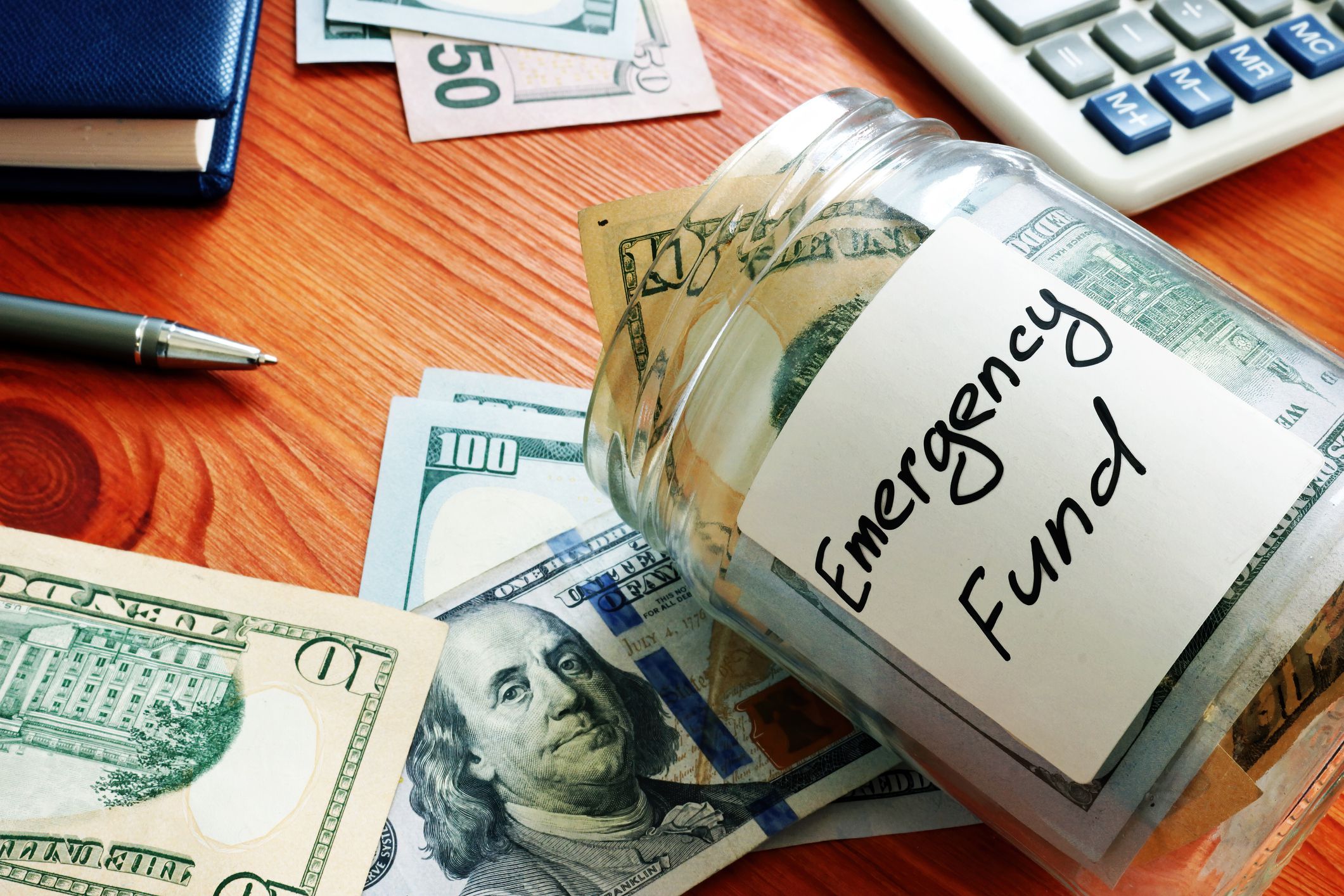
As a first step in paying yourself first, it may make sense to create an emergency savings account if you don’t already have one or if it needs an extra infusion of cash.
That way, if your car or HVAC system breaks down or you have unexpected medical bills, you’ll have cash to help address the situation without simply relying on high-interest credit cards or other forms of debt.
Conventional wisdom suggests an emergency account that contains three to six months’ worth of basic living expenses, put into an account that’s accessible at any time.
Then you could move on to saving for other short- and long-term goals, including but not limited to saving for retirement.
When trying to determine how much money you should pay yourself first in the beginning, one idea is to start with a small amount and then incrementally increase it until you reach your goals.
Or it might make sense to determine how much you’ll need for your goals and reverse engineer how much you’ll need to put away to reach them in a certain time frame.
Also, if you receive a bonus or inherit money, you could consider putting all of the additional money into a savings or investment account. You could do the same if you get a raise.
designer491/istockphoto

If you are looking to kickstart your savings and build it up fast, there are several strategies you might consider. You may choose to review your expenses and get rid of unnecessary ones.
What online subscriptions and streaming services are you paying for? Are you using them? If you review an entire month’s worth of debits from your account, how many do you see that are discretionary, ones you could live without?
Once you’ve eliminated some expenses, consider adding that combined dollar amount to the money you’re sending directly to your savings account. Even if the amounts, overall, are small, over time they can really add up.
Delmaine Donson/istockphoto
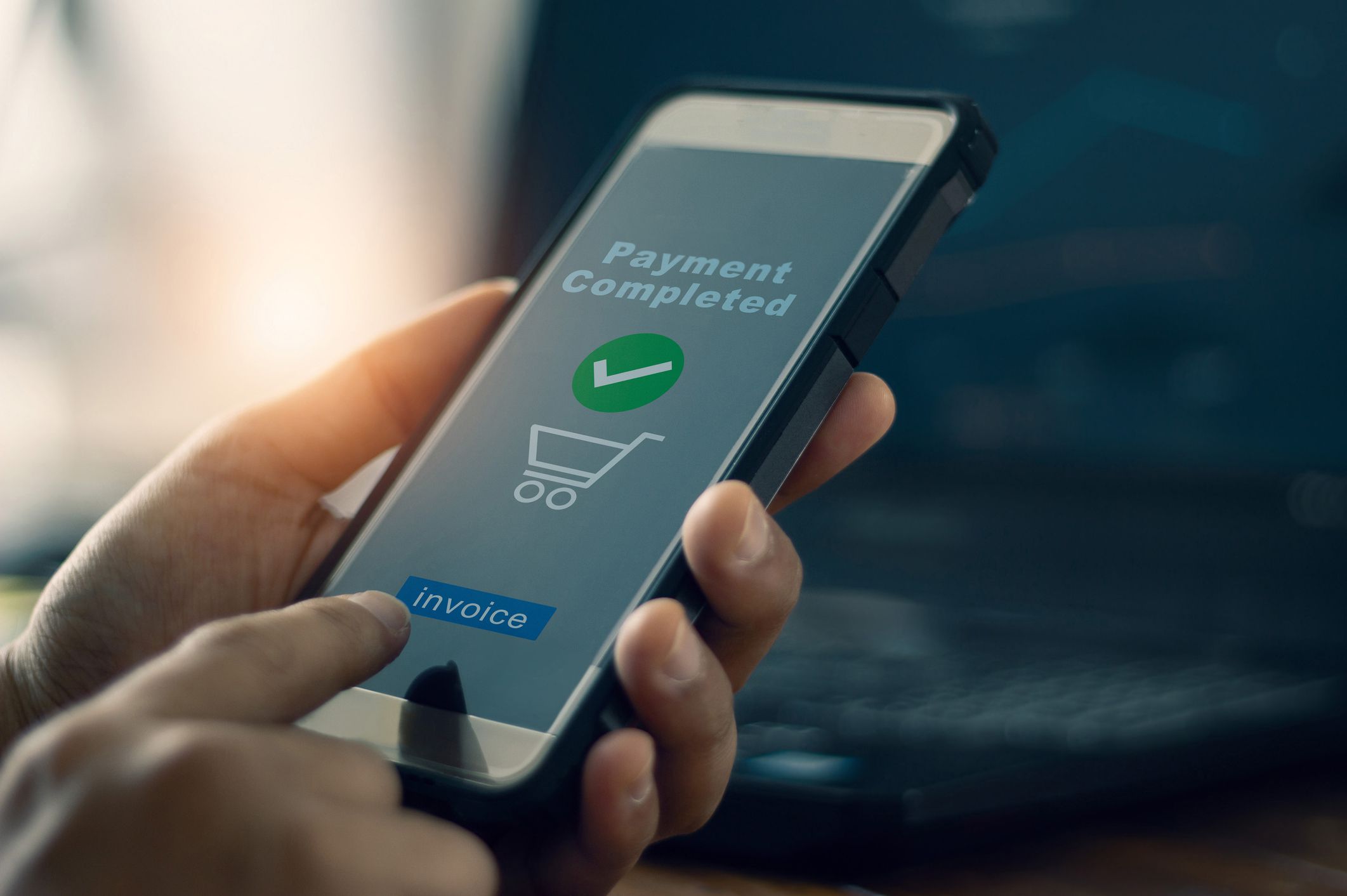
Sometimes, if you owe a monthly payment to a company, they’ll give you a discounted rate if you set up autopay and have your payment automatically deducted from your account. This could help to assure the company that the bill will be paid on the due date. Meanwhile, you could benefit from a discount and the convenience of not having to manually pay the bill each month.
This may help you avoid late fees, as well, but you might want to be cautious. If you don’t have enough money in your account on the day the bill is due to be deducted, you might be charged additional fees, such as an overdraft fee by your bank.
ipopba/istockphoto

Automating your savings can be just as useful as automating your bill pay. Ways to automate your savings include, setting up direct deposit, funneling a set amount to your savings each month, and taking advantage of employer programs like a 401(k) and any employer match offered to employees.
Thai Liang Lim/istockphoto

What about going on a spending fast? You might, for example, pick a day or two of the week when you don’t spend any money outside of what it takes you to get to and from work.
You could also consider other cost-saving ideas like packing your lunch, skipping the stop at the coffee shop, and getting your book from the library on the way home, not from the bookstore. Besides saving you money on your “fasting” days, employing these strategies may help you to pay more attention to discretionary spending on the other days.
ilona titova/istockphoto

Also, you might want to review your bank accounts. Are you getting as much interest as you can, given the wide gap between what different financial institutions pay? Could you earn more interest with your funds in an account at an online bank vs. traditional bank? What fees does your bank charge? Have you shopped around to see if you could get a better deal?
Anchiy/istockphoto

Here’s another strategy you may want to consider as a tool to help with overspending: the 30-day rule. It has two parts and, combined, the rule might help you save money more quickly. In the first half, if you’re tempted to buy anything outside of what’s necessary to meet basic needs, then you write down what you want to buy, how much it costs, where you saw it, and the date.
Then, give yourself 30 days to think about whether you really want to buy this item. If, after 30 days has gone by, you still want to make that purchase, you could price shop it and then buy the item.
As an added twist, take the amount of the item and put those dollars in your savings account. Then, when 30 days have passed, decide whether you’d be happier having more money in your savings or with making this purchase.
If it’s the former, then you have more savings built up. If you still want the item, you could withdraw the money from your savings, rather than putting it on a credit card.
MStudioImages/istockphoto

Paying yourself first is a great way to prioritize saving, especially if you find yourself tempted to make unnecessary purchases often. Taking some time to think about your financial goals, reevaluating your spending habits, and prioritizing your savings, can help you get to a more secure place financially.
Having the ability to track your spending and savings may be one key to help in creating an effective plan to pay yourself first. Reviewing your checking and savings accounts might help you determine if better options are available to boost your financial health.
This article originally appeared on SoFi.com and was syndicated by MediaFeed.org.
SoFi® Checking and Savings is offered through SoFi Bank, N.A. ©2023 SoFi Bank, N.A. All rights reserved. Member FDIC. Equal Housing Lender.
The SoFi Bank Debit Mastercard® is issued by SoFi Bank, N.A., pursuant to license by Mastercard International Incorporated and can be used everywhere Mastercard is accepted. Mastercard is a registered trademark, and the circles design is a trademark of Mastercard International Incorporated.
SoFi members with direct deposit activity can earn 4.60% annual percentage yield (APY) on savings balances (including Vaults) and 0.50% APY on checking balances. Direct Deposit means a deposit to an account holder’s SoFi Checking or Savings account, including payroll, pension, or government payments (e.g., Social Security), made by the account holder’s employer, payroll or benefits provider or government agency (“Direct Deposit”) via the Automated Clearing House (“ACH”) Network during a 30-day Evaluation Period (as defined below). Deposits that are not from an employer or government agency, including but not limited to check deposits, peer-to-peer transfers (e.g., transfers from PayPal, Venmo, etc.), merchant transactions (e.g., transactions from PayPal, Stripe, Square, etc.), and bank ACH funds transfers and wire transfers from external accounts, do not constitute Direct Deposit activity. There is no minimum Direct Deposit amount required to qualify for the stated interest rate.
SoFi members with Qualifying Deposits can earn 4.60% APY on savings balances (including Vaults) and 0.50% APY on checking balances. Qualifying Deposits means one or more deposits that, in the aggregate, are equal to or greater than $5,000 to an account holder’s SoFi Checking and Savings account (“Qualifying Deposits”) during a 30-day Evaluation Period (as defined below). Qualifying Deposits only include those deposits from the following eligible sources: (i) ACH transfers, (ii) inbound wire transfers, (iii) peer-to-peer transfers (i.e., external transfers from PayPal, Venmo, etc. and internal peer-to-peer transfers from a SoFi account belonging to another account holder), (iv) check deposits, (v) instant funding to your SoFi Bank Debit Card, (vi) push payments to your SoFi Bank Debit Card, and (vii) cash deposits. Qualifying Deposits do not include: (i) transfers between an account holder’s Checking account, Savings account, and/or Vaults; (ii) interest payments; (iii) bonuses issued by SoFi Bank or its affiliates; or (iv) credits, reversals, and refunds from SoFi Bank, N.A. (“SoFi Bank”) or from a merchant.
SoFi Bank shall, in its sole discretion, assess each account holder’s Direct Deposit activity and Qualifying Deposits throughout each 30-Day Evaluation Period to determine the applicability of rates and may request additional documentation for verification of eligibility. The 30-Day Evaluation Period refers to the “Start Date” and “End Date” set forth on the APY Details page of your account, which comprises a period of 30 calendar days (the “30-Day Evaluation Period”). You can access the APY Details page at any time by logging into your SoFi account on the SoFi mobile app or SoFi website and selecting either (i) Banking > Savings > Current APY or (ii) Banking > Checking > Current APY. Upon receiving a Direct Deposit or $5,000 in Qualifying Deposits to your account, you will begin earning 4.60% APY on savings balances (including Vaults) and 0.50% on checking balances on or before the following calendar day. You will continue to earn these APYs for (i) the remainder of the current 30-Day Evaluation Period and through the end of the subsequent 30-Day Evaluation Period and (ii) any following 30-day Evaluation Periods during which SoFi Bank determines you to have Direct Deposit activity or $5,000 in Qualifying Deposits without interruption.
SoFi Bank reserves the right to grant a grace period to account holders following a change in Direct Deposit activity or Qualifying Deposits activity before adjusting rates. If SoFi Bank grants you a grace period, the dates for such grace period will be reflected on the APY Details page of your account. If SoFi Bank determines that you did not have Direct Deposit activity or $5,000 in Qualifying Deposits during the current 30-day Evaluation Period and, if applicable, the grace period, then you will begin earning the rates earned by account holders without either Direct Deposit or Qualifying Deposits until you have Direct Deposit activity or $5,000 in Qualifying Deposits in a subsequent 30-Day Evaluation Period. For the avoidance of doubt, an account holder with both Direct Deposit activity and Qualifying Deposits will earn the rates earned by account holders with Direct Deposit.
Members without either Direct Deposit activity or Qualifying Deposits, as determined by SoFi Bank, during a 30-Day Evaluation Period and, if applicable, the grace period, will earn 1.20% APY on savings balances (including Vaults) and 0.50% APY on checking balances.
Interest rates are variable and subject to change at any time. These rates are current as of 10/24/2023. There is no minimum balance requirement. Additional information can be found at SoFi.
Financial Tips & Strategies: The tips provided on this website are of a general nature and do not take into account your specific objectives, financial situation, and needs. You should always consider their appropriateness given your own circumstances.
SoFi® Checking and Savings is offered through SoFi Bank, N.A. ©2023 SoFi Bank, N.A. All rights reserved. Member FDIC. Equal Housing Lender.
The SoFi Bank Debit Mastercard® is issued by SoFi Bank, N.A., pursuant to license by Mastercard International Incorporated and can be used everywhere Mastercard is accepted. Mastercard is a registered trademark, and the circles design is a trademark of Mastercard International Incorporated.
SoFi members with direct deposit activity can earn 4.60% annual percentage yield (APY) on savings balances (including Vaults) and 0.50% APY on checking balances. Direct Deposit means a deposit to an account holder’s SoFi Checking or Savings account, including payroll, pension, or government payments (e.g., Social Security), made by the account holder’s employer, payroll or benefits provider or government agency (“Direct Deposit”) via the Automated Clearing House (“ACH”) Network during a 30-day Evaluation Period (as defined below). Deposits that are not from an employer or government agency, including but not limited to check deposits, peer-to-peer transfers (e.g., transfers from PayPal, Venmo, etc.), merchant transactions (e.g., transactions from PayPal, Stripe, Square, etc.), and bank ACH funds transfers and wire transfers from external accounts, do not constitute Direct Deposit activity. There is no minimum Direct Deposit amount required to qualify for the stated interest rate.
SoFi members with Qualifying Deposits can earn 4.60% APY on savings balances (including Vaults) and 0.50% APY on checking balances. Qualifying Deposits means one or more deposits that, in the aggregate, are equal to or greater than $5,000 to an account holder’s SoFi Checking and Savings account (“Qualifying Deposits”) during a 30-day Evaluation Period (as defined below). Qualifying Deposits only include those deposits from the following eligible sources: (i) ACH transfers, (ii) inbound wire transfers, (iii) peer-to-peer transfers (i.e., external transfers from PayPal, Venmo, etc. and internal peer-to-peer transfers from a SoFi account belonging to another account holder), (iv) check deposits, (v) instant funding to your SoFi Bank Debit Card, (vi) push payments to your SoFi Bank Debit Card, and (vii) cash deposits. Qualifying Deposits do not include: (i) transfers between an account holder’s Checking account, Savings account, and/or Vaults; (ii) interest payments; (iii) bonuses issued by SoFi Bank or its affiliates; or (iv) credits, reversals, and refunds from SoFi Bank, N.A. (“SoFi Bank”) or from a merchant.
SoFi Bank shall, in its sole discretion, assess each account holder’s Direct Deposit activity and Qualifying Deposits throughout each 30-Day Evaluation Period to determine the applicability of rates and may request additional documentation for verification of eligibility. The 30-Day Evaluation Period refers to the “Start Date” and “End Date” set forth on the APY Details page of your account, which comprises a period of 30 calendar days (the “30-Day Evaluation Period”). You can access the APY Details page at any time by logging into your SoFi account on the SoFi mobile app or SoFi website and selecting either (i) Banking > Savings > Current APY or (ii) Banking > Checking > Current APY. Upon receiving a Direct Deposit or $5,000 in Qualifying Deposits to your account, you will begin earning 4.60% APY on savings balances (including Vaults) and 0.50% on checking balances on or before the following calendar day. You will continue to earn these APYs for (i) the remainder of the current 30-Day Evaluation Period and through the end of the subsequent 30-Day Evaluation Period and (ii) any following 30-day Evaluation Periods during which SoFi Bank determines you to have Direct Deposit activity or $5,000 in Qualifying Deposits without interruption.
SoFi Bank reserves the right to grant a grace period to account holders following a change in Direct Deposit activity or Qualifying Deposits activity before adjusting rates. If SoFi Bank grants you a grace period, the dates for such grace period will be reflected on the APY Details page of your account. If SoFi Bank determines that you did not have Direct Deposit activity or $5,000 in Qualifying Deposits during the current 30-day Evaluation Period and, if applicable, the grace period, then you will begin earning the rates earned by account holders without either Direct Deposit or Qualifying Deposits until you have Direct Deposit activity or $5,000 in Qualifying Deposits in a subsequent 30-Day Evaluation Period. For the avoidance of doubt, an account holder with both Direct Deposit activity and Qualifying Deposits will earn the rates earned by account holders with Direct Deposit.
Members without either Direct Deposit activity or Qualifying Deposits, as determined by SoFi Bank, during a 30-Day Evaluation Period and, if applicable, the grace period, will earn 1.20% APY on savings balances (including Vaults) and 0.50% APY on checking balances.
Interest rates are variable and subject to change at any time. These rates are current as of 10/24/2023. There is no minimum balance requirement. Additional information can be found at sofi.
Financial Tips & Strategies: The tips provided on this website are of a general nature and do not take into account your specific objectives, financial situation, and needs. You should always consider their appropriateness given your own circumstances.
SOBK0923008
SoFi® Checking and Savings is offered through SoFi Bank, N.A. ©2023 SoFi Bank, N.A. All rights reserved. Member FDIC. Equal Housing Lender.
The SoFi Bank Debit Mastercard® is issued by SoFi Bank, N.A., pursuant to license by Mastercard International Incorporated and can be used everywhere Mastercard is accepted. Mastercard is a registered trademark, and the circles design is a trademark of Mastercard International Incorporated.
SoFi members with direct deposit activity can earn 4.60% annual percentage yield (APY) on savings balances (including Vaults) and 0.50% APY on checking balances. Direct Deposit means a deposit to an account holder’s SoFi Checking or Savings account, including payroll, pension, or government payments (e.g., Social Security), made by the account holder’s employer, payroll or benefits provider or government agency (“Direct Deposit”) via the Automated Clearing House (“ACH”) Network during a 30-day Evaluation Period (as defined below). Deposits that are not from an employer or government agency, including but not limited to check deposits, peer-to-peer transfers (e.g., transfers from PayPal, Venmo, etc.), merchant transactions (e.g., transactions from PayPal, Stripe, Square, etc.), and bank ACH funds transfers and wire transfers from external accounts, do not constitute Direct Deposit activity. There is no minimum Direct Deposit amount required to qualify for the stated interest rate.
SoFi members with Qualifying Deposits can earn 4.60% APY on savings balances (including Vaults) and 0.50% APY on checking balances. Qualifying Deposits means one or more deposits that, in the aggregate, are equal to or greater than $5,000 to an account holder’s SoFi Checking and Savings account (“Qualifying Deposits”) during a 30-day Evaluation Period (as defined below). Qualifying Deposits only include those deposits from the following eligible sources: (i) ACH transfers, (ii) inbound wire transfers, (iii) peer-to-peer transfers (i.e., external transfers from PayPal, Venmo, etc. and internal peer-to-peer transfers from a SoFi account belonging to another account holder), (iv) check deposits, (v) instant funding to your SoFi Bank Debit Card, (vi) push payments to your SoFi Bank Debit Card, and (vii) cash deposits. Qualifying Deposits do not include: (i) transfers between an account holder’s Checking account, Savings account, and/or Vaults; (ii) interest payments; (iii) bonuses issued by SoFi Bank or its affiliates; or (iv) credits, reversals, and refunds from SoFi Bank, N.A. (“SoFi Bank”) or from a merchant.
SoFi Bank shall, in its sole discretion, assess each account holder’s Direct Deposit activity and Qualifying Deposits throughout each 30-Day Evaluation Period to determine the applicability of rates and may request additional documentation for verification of eligibility. The 30-Day Evaluation Period refers to the “Start Date” and “End Date” set forth on the APY Details page of your account, which comprises a period of 30 calendar days (the “30-Day Evaluation Period”). You can access the APY Details page at any time by logging into your SoFi account on the SoFi mobile app or SoFi website and selecting either (i) Banking > Savings > Current APY or (ii) Banking > Checking > Current APY. Upon receiving a Direct Deposit or $5,000 in Qualifying Deposits to your account, you will begin earning 4.60% APY on savings balances (including Vaults) and 0.50% on checking balances on or before the following calendar day. You will continue to earn these APYs for (i) the remainder of the current 30-Day Evaluation Period and through the end of the subsequent 30-Day Evaluation Period and (ii) any following 30-day Evaluation Periods during which SoFi Bank determines you to have Direct Deposit activity or $5,000 in Qualifying Deposits without interruption.
SoFi Bank reserves the right to grant a grace period to account holders following a change in Direct Deposit activity or Qualifying Deposits activity before adjusting rates. If SoFi Bank grants you a grace period, the dates for such grace period will be reflected on the APY Details page of your account. If SoFi Bank determines that you did not have Direct Deposit activity or $5,000 in Qualifying Deposits during the current 30-day Evaluation Period and, if applicable, the grace period, then you will begin earning the rates earned by account holders without either Direct Deposit or Qualifying Deposits until you have Direct Deposit activity or $5,000 in Qualifying Deposits in a subsequent 30-Day Evaluation Period. For the avoidance of doubt, an account holder with both Direct Deposit activity and Qualifying Deposits will earn the rates earned by account holders with Direct Deposit.
Members without either Direct Deposit activity or Qualifying Deposits, as determined by SoFi Bank, during a 30-Day Evaluation Period and, if applicable, the grace period, will earn 1.20% APY on savings balances (including Vaults) and 0.50% APY on checking balances.
Interest rates are variable and subject to change at any time. These rates are current as of 10/24/2023. There is no minimum balance requirement. Additional information can be found at sofi.
Financial Tips & Strategies: The tips provided on this website are of a general nature and do not take into account your specific objectives, financial situation, and needs. You should always consider their appropriateness given your own circumstances.
SOBK0923008
shapecharge/istockphoto

FG Trade/istockphoto
Featured Image Credit: DepositPhotos.com.