If you’re thinking Thanksgiving is all about turkey, football, and a chance to discuss politics with Uncle Bob, it might be time for a reality check. While the holiday is dear to many Americans, it’s also layered with a complex history and a variety of implications that many of us might not even be aware of. From ignoring systemic inequality to pressuring conformity to antiquated norms, there’s more to consider about Thanksgiving than simply what’s on the dinner table. So, before you dig into that stuffing, let’s dig into some aspects of the holiday that might not be as palatable but are certainly worth discussing.
Image Credit: DepositPhotos.com.
1. Thanksgiving glosses over Native American genocide
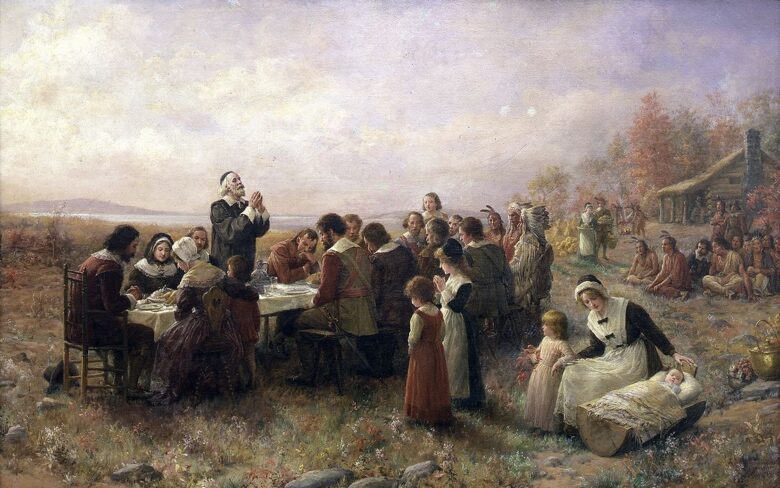
While the traditional story of the “First Thanksgiving” is often presented as a tale of unity and mutual respect, it conveniently omits the tragic history of Native American displacement, forced relocation, and mass death that followed European settlement. This erasure serves to sanitize a painful chapter in U.S. history, reducing it to a tale of hats with buckles and friendly meals.
Image Credit: Wikipedia.
2. The holiday ignores Black oppression
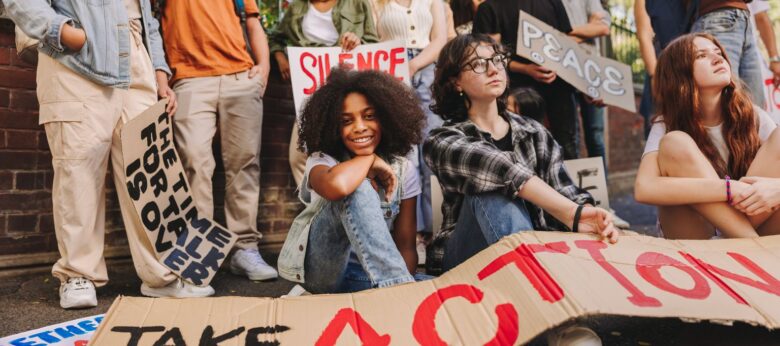
Thanksgiving falls within a broader holiday season that often fails to adequately acknowledge or address the systemic racism and enduring legacies of slavery and discrimination that Black Americans face. Instead, the holiday’s narrative contributes to the erasure of these important issues from our national conversation.
Image Credit: jacoblund/iStock.
3. Turkey Day boosts obesity rates

Thanksgiving has become synonymous with overindulgence. This feast, full of high-calorie, high-fat foods, contributes to the rising obesity rates in the United States. Given that obesity is a significant public health issue associated with a variety of chronic diseases, the holiday’s encouragement of excessive eating is far from harmless.
Image Credit: DepositPhotos.com.
4. It marginalizes non-Christian, non-American people
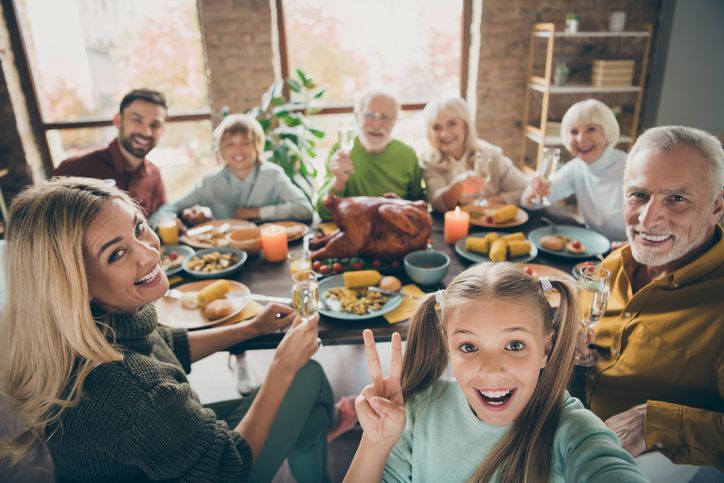
Although often considered a secular holiday, Thanksgiving’s roots in European Christian traditions can make those from diverse religious or cultural backgrounds feel marginalized or left out. This oversight contributes to the “othering” of minority communities.
Image Credit: Deagreez / istockphoto.
5. The holiday whitewashes US history

The popular narrative of the Pilgrims and Native Americans sharing a friendly meal conveniently omits the conflicts, forced labor, and land grabs that followed this event. By presenting a sanitized version of history, Thanksgiving perpetuates misinformation.
Image Credit: Photo Italia LLC/istockphoto.
6. Thanksgiving fuels nationalism

Patriotism and a sense of national pride often run high during Thanksgiving, reinforcing the idea of American exceptionalism. This can create an environment where questioning or critiquing the nation’s actions or history becomes taboo, thus ignoring the country’s flaws and the need for improvement.
Image Credit: stevanovicigor/iStock.
7. It distracts from social issues

Thanksgiving, with its focus on food, family, and football, serves as a convenient distraction from pressing social issues like poverty, housing instability, and systemic inequality. The holiday can act as a kind of smokescreen, masking the real struggles many Americans face every day.
Image Credit: DepositPhotos.com.
8. The holiday enforces traditional gender roles

With women often expected to prepare the Thanksgiving meal and men frequently relegated to watching sports, the holiday enforces traditional gender roles. These stereotypical responsibilities can be limiting and perpetuate gender inequality.
Image Credit: DepositPhotos.com.
9. It promotes consumerism

Thanksgiving acts as the opening act for the frenzied consumer spending that is Black Friday, overshadowing the supposed emphasis on gratitude and reflection. Some stores have even begun opening on Thanksgiving Day. This shift in focus from thankfulness to materialism is worth questioning.
Image Credit: DepositPhotos.com.
10. It ignores social inequalities
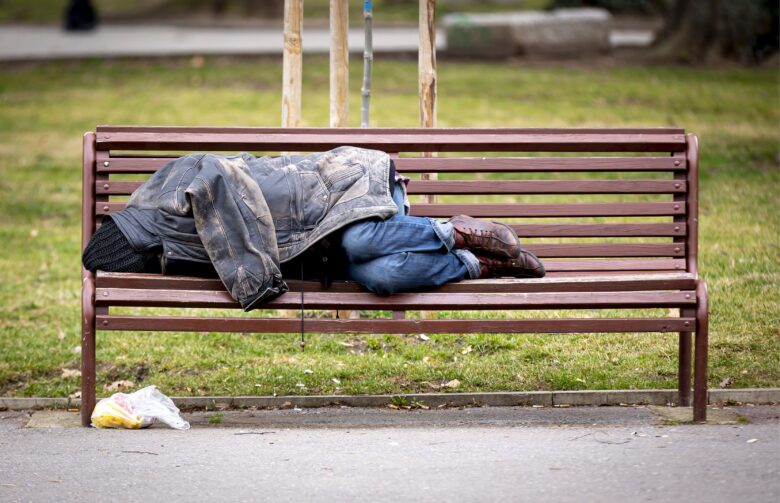
Thanksgiving narratives often emphasize a sort of universal American experience that fails to account for vast social and economic disparities. By presenting an image of universal prosperity and family togetherness, we overlook the very real struggles faced by marginalized communities.
Image Credit: Cylonphoto/istockphoto.
11. It pressures conformity to outdated norms

From the idealized family gatherings to the traditional menu, Thanksgiving often pressures people to conform to outdated cultural norms. This includes everything from what’s considered “appropriate” dinner conversation to who is responsible for cooking and cleaning.
Image Credit: monkeybusinessimages.
12. The holiday pushes for time with toxic family

There’s a cultural expectation that Thanksgiving should be spent with family, no matter the emotional or psychological cost. This pressure can be particularly damaging for individuals with strained or toxic familial relationships.
This article was produced and syndicated by MediaFeed.
Image Credit: iStock/Drazen Zigic.
More from MediaFeed

20 things you should never say to your Republican family & friends
https://www.msn.com/en-us/lifestyle/lifestyle-buzz/20-things-you-should-never-say-to-your-republican-family-friends/ss-AA1j8Kfg
- Science says this ‘70s rock hit is the catchiest song of our time
- 20 incredible movies so disturbing we never want to see them again
Like MediaFeed’s content? Be sure to follow us.
Image Credit: Depositphotos.com.