They are sworn to uphold the law and protect the public. However, police officers are not above the law. They are just as subject to the criminal justice system as anyone else.
If a police officer commits a crime, they should be held accountable just like anyone else. This is why it is important to know what police officers can and cannot do.
In this article, we’ll provide examples of things police officers can and cannot do legally, including explanations for why.
We hope that this information will help you to protect your rights and interests in the event that you are ever interacting with the police. Here are nine things the police can and cannot legally do.
Image Credit: DepositPhotos.com.
1. Search your car or home without a warrant or probable cause: No
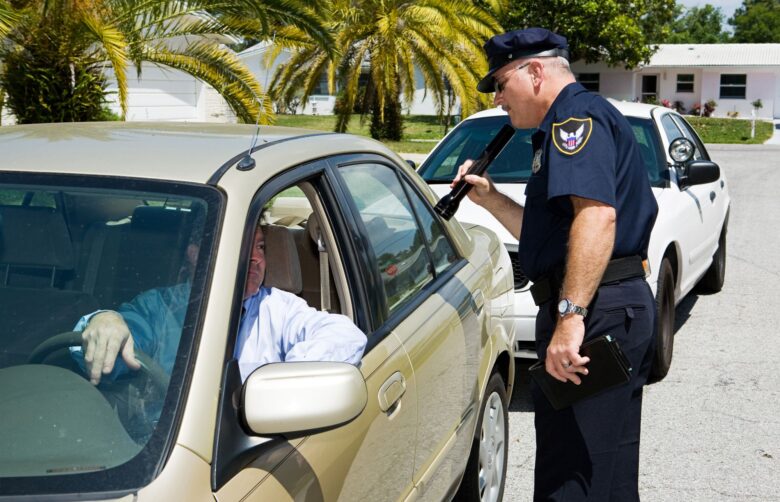
The Fourth Amendment to the United States Constitution protects you from unreasonable searches and seizures. This means that police officers cannot search your car or home without a warrant, unless they have probable cause to believe that evidence of a crime is inside.
If a police officer searches your car or home without a warrant or probable cause, anything they find may be inadmissible in court. However, there are some exceptions to this rule, such as if the evidence is in plain sight or if you consent to the search.
Image Credit: Depositphotos.com.
2. Arrest you if they have probable cause: Yes

Probable cause is defined as having enough evidence to believe that a crime has been committed and that the person being arrested is the one who committed it.
So, if a police officer arrests you without probable cause, you may be able to have the charges against you dropped. However, it’s important to remember that probable cause is a subjective standard, and what constitutes probable cause may vary from case to case.
Image Credit: DepositPhotos.com.
3. Lie to you: Yes

While it might sound surprising, police officers can lie while asking questions or interrogating suspects. They do this in an attempt to get a confession and determine who is guilty of the crime in question.
It is important to note, however, that police officers cannot lie about certain things, like having a warrant or being someone they are not. Additionally, if a police officer lies to you, you have the right to remain silent and wait to speak with an attorney.
Image Credit: KatarzynaBialasiewicz / iStock.
4. Falsely arrest you: No

A false arrest occurs when a police officer arrests you without probable cause. False arrests can be quite common, and they can have serious consequences for the victim.
If you have been falsely arrested, you may be able to file a lawsuit against the police officer and the department they work for. You may also be able to have the charges against you dropped.
Image Credit: gorodenkoff / iStock.
5. Plant evidence: No
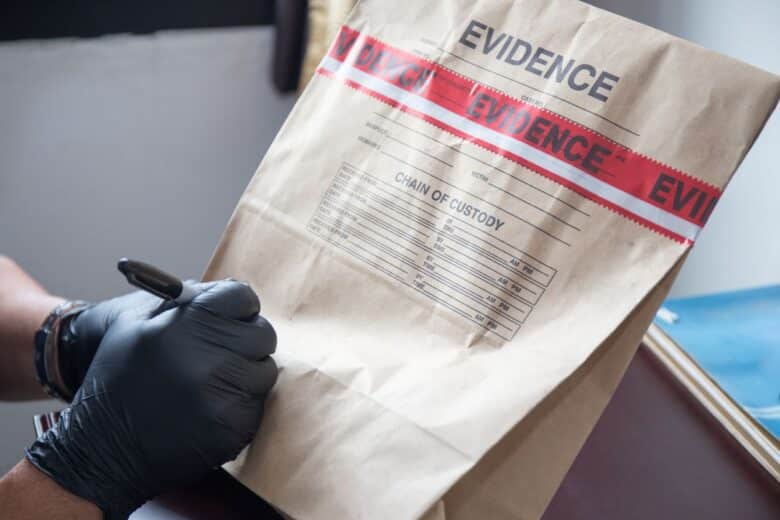
Planting evidence is when a police officer places evidence at the scene of a crime in order to incriminate a suspect. This is a serious form of police misconduct, and it can have devastating consequences for the victim.
Explainer: If you believe that a police officer has planted evidence against you, it is important to contact an attorney immediately. Your attorney will be able to investigate the matter and determine if the evidence is admissible in court.
Image Credit: Prathaan / iStock.
6. Tamper with evidence or witnesses: No
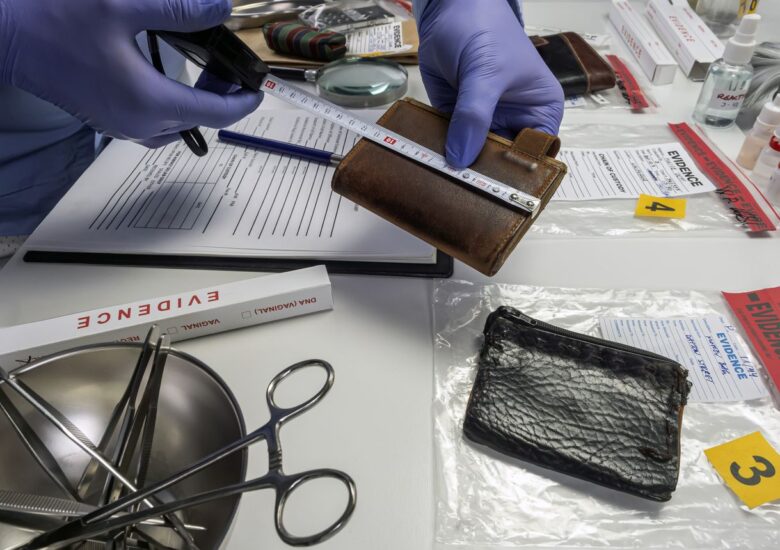
Tampering with evidence or witnesses is another serious form of police misconduct. This can include destroying evidence, intimidating witnesses, or pressuring witnesses to change their testimony.
If you believe that a police officer has tampered with evidence or witnesses, it is important to contact an attorney immediately. Your attorney will be able to investigate the matter and determine if the evidence is admissible in court.
Image Credit: digicomphoto / iStock.
7. Use excessive force: No

Police officers are allowed to use reasonable force when necessary to arrest a suspect or protect themselves or others from harm. However, they are not allowed to use excessive force.
What constitutes excessive force is a subjective determination, and it can vary from case to case. However, if you believe that a police officer has used excessive force against you, you may be able to file a lawsuit.
Image Credit: diane39 / iStock.
8. Racially profile: No

Racial profiling is the practice of using race or ethnicity as a factor in deciding who to stop and search. This is a form of discrimination, and it is illegal in many jurisdictions.
If you believe that you have been racially profiled by a police officer, you may be able to file a complaint with the police department or file a lawsuit.
Image Credit: warrengoldswain / iStock.
9. Assault suspects or civilian witnesses: No
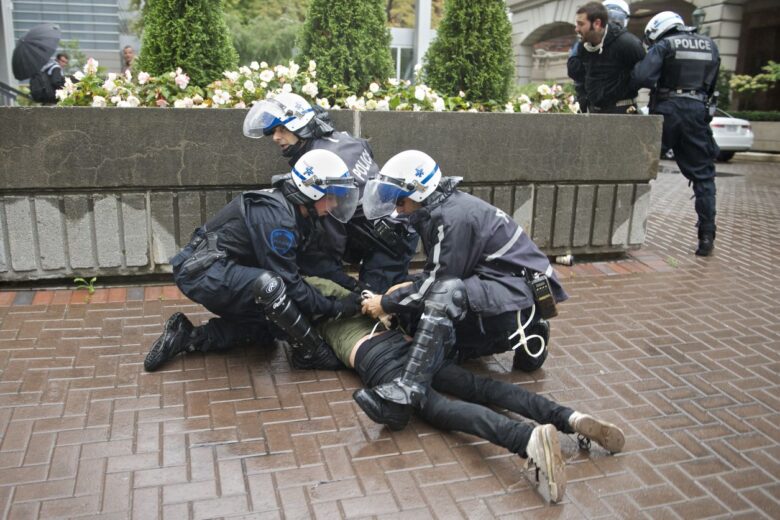
Police officers are not allowed to assault suspects or civilian witnesses. Assault is a crime, and police officers can be charged with assault just like anyone else.
If you have been assaulted by a police officer, you should contact an attorney immediately. Your attorney will be able to help you press charges against the officer and seek damages.
This article was produced and syndicated by MediaFeed.
Image Credit: FireAtDusk / iStock.
More from MediaFeed

Why do so many Americans make these dumb driving mistakes?
- Science says this ‘70s rock hit is the catchiest song of our time
- 20 incredible movies so disturbing we never want to see them again
Like MediaFeed’s content? Be sure to follow us.
Image Credit: EzumeImages / istockphoto.