Strokes can cause lasting brain damage, long-term disability, and even death, so if you notice the symptoms of a stroke for yourself or someone near you, call 911 right away. The sooner you get treatment, the better your chances of surviving and making a full recovery.
Here are seven things you can do to help yourself or a loved one survive a stroke:
Image Credit: DepositPhotos.com.
1. Be prepared

Learn your risk factors for stroke. All older women are at higher risk of stroke, as are many men. If you are at high risk of stroke, or are a caregiver for an older person, write down the following action items and keep this list in your wallet or on your refrigerator:
Image Credit: DepositPhotos.com.
2. Know where the nearest hospital is
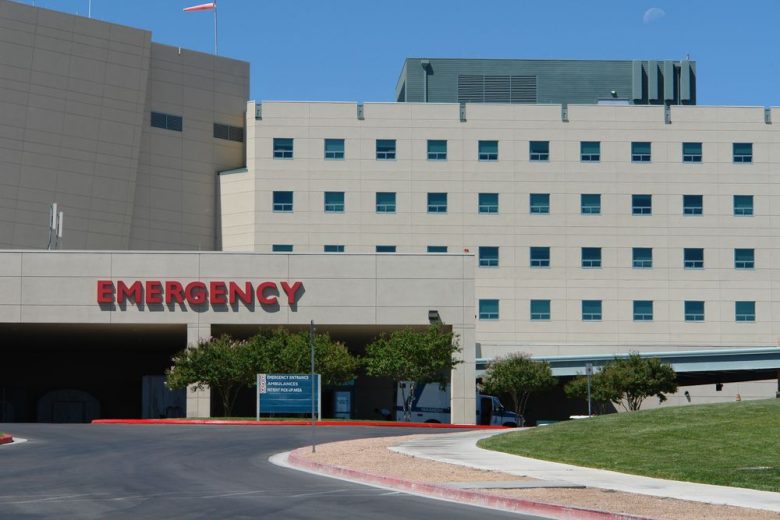
Find a Primary Stroke Center or Comprehensive Stroke Center in your area on QualityCheck.org.
Stroke centers are hospitals with special certifications in stroke care. In some states, if a stroke center is nearby, you or your family members can ask the ambulance to take you there.
Image Credit: DepositPhotos.com.
3. Have a list of medications

Include prescription and over-the-counter medicines and any vitamins and minerals or other supplements you take. Keep a copy with you at all times. Also note any medications you may be allergic to.
Image Credit: DepositPhotos.com.
4. Take action

If you notice any stroke symptoms, don’t wait. Get help right away.
Image Credit: DepositPhotos.com.
5. Call 911 right away

The sooner you get treatment, the better your chances of surviving and making a full recovery. For many people, the best stroke treatment must be given within 3 to 4½ hours of when your symptoms start. Note the time when you first notice any symptoms.
Image Credit: DepositPhotos.com.
6. Do not drive

Wait for the ambulance to arrive, as ambulance workers can begin lifesaving treatment on the way to the hospital.
Image Credit: DepositPhotos.com.
7. Do not take aspirin

Aspirin can make some kinds of stroke worse.
For more information about strokes and stroke symptoms, call the OWH Helpline at 1-800-994-9662 or check out the following resources from other organizations:
- Know Stroke — The Know Stroke. Know the Signs. Act in Time. campaign from the National Institute of Neurological Disorders and Stroke (NINDS)
- Stroke Warning Signs and Symptoms(link is external) — Information from the American Stroke Association
This article was excerpted from WomensHealth.gov and was syndicated by MediaFeed.org.
Image Credit: DepositPhotos.com.