
Payday loans are called that because they’re meant to be paid back the next time you get a paycheck. They’re generally for small amounts, and usually don’t require collateral or even necessarily a credit check.
The catch? Payday loans come at a price — and a high one, at that. They can have interest rates of more than 600%, depending on the lender you choose and which state you’re in. (Some states have stronger protective laws, including rate caps.)
Such high-interest rates and other associated fees can quickly lead to situations where you end up getting behind on the loan. You may end up having to borrow more and more in order to pay back the money you borrowed, especially since the loan might come due in only two weeks or a month. Soon you may be in a hole so deep you might not know how to get out. It can be costly, greatly damage your credit, or even lead to bankruptcy.
Image Credit: Daniel de la Hoz/istockphoto.
How Much Does a Payday Loan Cost?
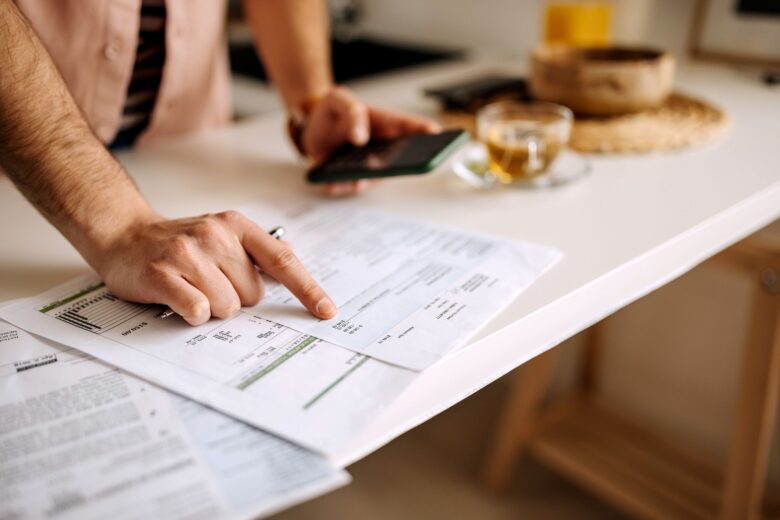
The short answer: a lot. But let’s look at an example.
Say you take out a $500 payday loan at an annual percentage rate (APR) of 300%. You would only pay that full 300% if you took a whole year to pay off the loan because the APR is what you would be charged in interest over 12 months.
However, even if you only borrow money for one month, you’d have to pay 1/12 of 300%, which translates to 25%. Here’s where the math gets ugly: 25% of $500 is $125, which means that when your loan comes due at the end of its very short term, you’ll owe $625. This amount might be tough to meet, especially if you’re in a situation where you needed a payday loan in the first place.
Image Credit: Pekic/istockphoto.
What Is a Direct Payday Loan?

Payday loans are offered by a wide variety of vendors, but for the most part, they break down into two categories: direct payday loans and those offered through a broker.
With direct payday loans, the entire loan process, from application to funding to repayment, is all managed by the same company. Although these can be slightly better than indirect loans — which may involve multiple fees, longer funding wait times, and harder-to-pin-down communication — they’re still generally considered a bad idea.
Image Credit: kupicoo/istockphoto.
Why Is it Best To Avoid Payday Lending?
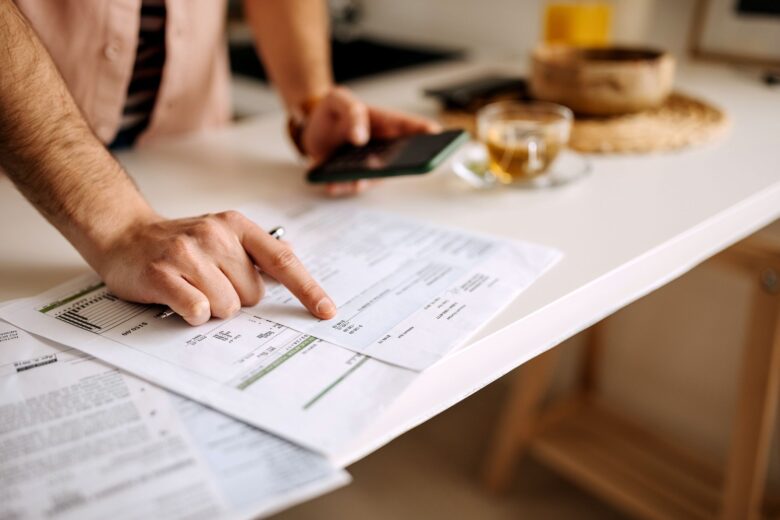
Other than the possibility that you can get money quickly if you have bad credit, there aren’t many benefits associated with payday loans. You’ll end up paying a significant amount in interest, and you’re usually expected to pay the money back in a very short period of time — usually within two weeks or so.
The interest on your loan can also compound daily, weekly, or monthly. This means that interest charges will start accumulating on the interest you already owe, which will inflate your loan balance even more.
Depending on how much you borrowed and your financial situation, compounding interest can make it incredibly difficult for you to pay back the loan. Many times borrowers end up taking out additional loans to pay off the payday loan, which can lock them into a seemingly endless cycle of debt.
You’re also unlikely to be able to borrow a large amount of money because payday and fast cash loan lenders typically have low maximum borrowing amounts.
What’s more, you won’t even be building your credit if you do manage to pay the loan back on time, because most of these lenders don’t report your behavior back to credit bureaus. In contrast, above-board lenders will report back to credit bureaus when you’re paying your bills on time and in full, and that can boost your credit score.
Image Credit: Pekic/istockphoto.
What Are Some Alternatives to Payday Loans?
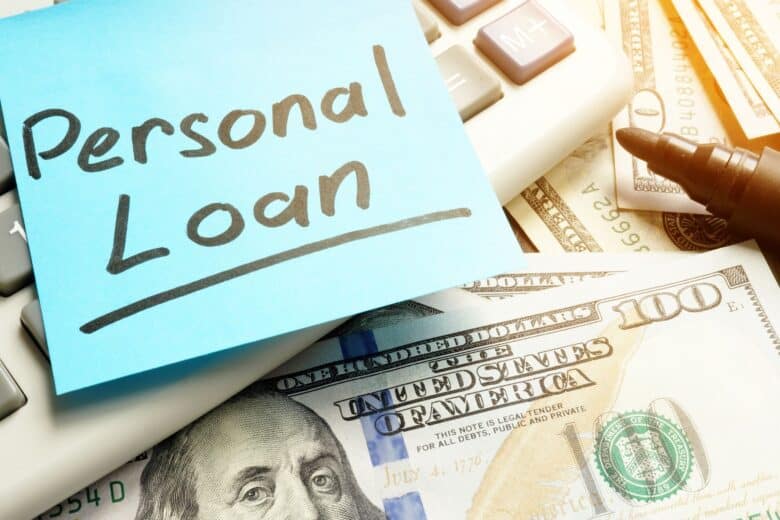
In an ideal world, you’d avoid any kind of consumer debt. But sometimes it’s simply unavoidable. There are financially favorable alternatives to consider before you sign up for a risky payday loan.
Paycheck Advance
The best kind of money to borrow is money you’ve already earned. While not every employer offers it, a paycheck advance can be a relatively low-risk way to fund last-minute emergencies. An advance on your paycheck basically means getting paid earlier than you normally would, with the balance deducted from your future paycheck.
But tread carefully: Many employers offer paycheck advances through apps and platforms that may assess a one-time fee or even charge interest. While the rates may not be as astronomical as payday loan rates, it’s still worth taking a second look at the paperwork to ensure you understand what you’re signing up for ahead of time.
Debt Settlement
Another option is debt settlement, which is where you offer a creditor a lump sum payment on a delinquent debt — a lump sum that often ends up being far less than the original amount you owed.
However, doing this does require some negotiating, and sometimes even some legal know-how, which is why many people seek the help of professional debt settlement companies. This, too, is tricky, because scams abound, and some debt settlement companies may try to charge exorbitant fees to “eliminate your debt,” all without actually doing any work on your behalf. The Federal Trade Commission has more information on debt settlement and how to look for a reliable firm if you choose to go this route.
Personal Loans
Many types of personal loans are unsecured loans — meaning no collateral is involved — that can be used to pay for just about anything. And although they tend to have higher interest rates than secured loans, like mortgages or auto loans, those rates are still much lower than payday loans.
With its lower interest rate and longer-term, a personal loan will likely cost you less money than a payday loan in the long run. And some online personal loan lenders can process your application quickly and even get you the money you need in a matter of days.
Unlike payday loans, you have to go through a credit check to qualify and get approved for a personal loan. However, if you have a steady income and meet the lender’s eligibility requirements, you’re likely to qualify for a lower interest rate than you would if you used an online payday loan.
Your repayment timeline could also be less stressful if you opt for a personal loan rather than a payday loan. Personal loans come with the option of longer terms — a few years, for example, instead of a few months.
And because you can pay your loan off over a longer-term, your monthly payments might be more manageable than a payday loan. There also tend to be fewer fees attached to personal loans, and you might be able to borrow more because personal loans have higher loan maximums.
Personal loans aren’t much more difficult to apply for than payday or fast cash loans. You can typically get pre-qualified online by answering a few questions about your income, financial history, and occupation.
(Learn more at Personal Loan Calculator)
Image Credit: designer491/istockphoto.
The Takeaway

When you need money quickly, payday loans — and their promise of fast money — can be tempting. But you’ll want to proceed with caution. These loans generally come with very high interest rates and associated fees, and you may only have a couple of weeks or so to pay back the money you borrowed. There are less-risky alternatives to consider, including paycheck advance, debt settlement, or a personal loan.
This article originally appeared on SoFi.comand was syndicated by MediaFeed.org.
SoFi Loan Products
SoFi loans are originated by SoFi Bank, N.A., NMLS #696891 (Member FDIC). For additional product-specific legal and licensing information, see SoFi Equal Housing Lender.
Non affiliation: SoFi isn’t affiliated with any of the companies highlighted in this article.
External Websites: The information and analysis provided through hyperlinks to third-party websites, while believed to be accurate, cannot be guaranteed by SoFi. Links are provided for informational purposes and should not be viewed as an endorsement.
Financial Tips & Strategies: The tips provided on this website are of a general nature and do not take into account your specific objectives, financial situation, and needs. You should always consider their appropriateness given your own circumstances.
Image Credit: SrdjanPav/istockphoto.
More from Mediafeed

This is where air conditioning costs the most in the US
Image Credit: aquaArts studio/istockphoto.