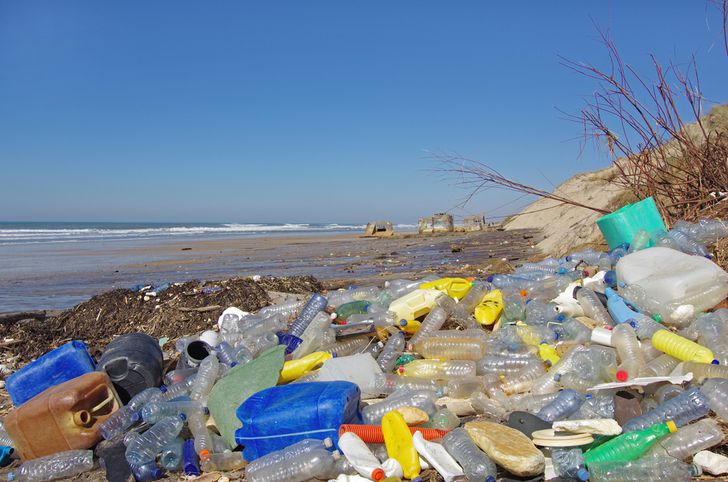
Negotiators working on a legally binding United Nations treaty to end plastic pollution will need to be as ambitious as possible with the final document.
That’s the main takeaway from a new report from Back to Blue — a collaboration between Economist Impact and the Nippon Foundation — released Monday. The report modeled what would happen to plastic consumption in 19 G20 countries if three significant policy proposals were included in the treaty and found that they still were not enough to reduce consumption by 2050.
“There is no single solution to the pollution problem,” report editor Gillian Parker told EcoWatch in an email. “We evaluated three solutions and while they had some impact on the consumption of plastic independently, they failed to make a significant dent in reducing plastic consumption.”
More From EcoWatch
- What Are Solar Panels Made Of?
- What Are Monocrystalline And Polycrystalline Solar Panels?
- Homeowner’s Guide To Lithium Solar Batteries
Bending the Curve
The report, “Peak Plastics: Bending the Consumption Curve,” set out to discover what policies would be needed so that plastic consumption would peak and then decline as soon as possible. To do this, the researchers, who consulted experts from OECD, the World Bank, WWF, the Minderoo Foundation, the Center for International Environmental Law and others, used a model to see how various policies would impact plastic consumption in 19 G20 nations.
The biggest takeaway is that doing nothing is not an option. In a business-as-usual scenario, plastic consumption would nearly double from 2019 levels by mid-century, jumping from 261 to 451 million tonnes.
“Plastics have become so deeply embedded in our lives that at this stage it is difficult to imagine a life without the convenience offered by plastic,” Parker told EcoWatch.
The UN plastics treaty set to be negotiated by the end of 2024 is one opportunity to imagine that life on an international scale. The decision to formulate the treaty was reached in March 2022 with the backing of 175 nations, but the first round of negotiations just took place in November of last year, so it’s too soon to say what it will include.
Still, the report authors looked at three major policy proposals that have been floated:
- A ban on unnecessary single-use plastic products (SUPPs).
- An Extended Producer Responsibility (EPR) plan in which plastics manufacturers take responsibility for the material’s recycling and disposal.
- A tax on the production of virgin — as opposed to recycled — plastics.
What they found was that, even together, the three policies were not enough to get the world to peak plastic consumption by 2050. However, collectively they could slow the rise in consumption so that we hit 325 million tonnes by 2050, a rise of 1.25 times 2019 levels instead of 1.73.
On an individual basis, the SUPP ban was most effective at curbing consumption, which would rise by 1.48 times 2019 levels by 2050 to reach 385 million tonnes. A novel plastics tax came next, raising consumption by 1.57 times 2019 levels to reach 409 million tonnes by 2050, while the EPR scheme was the least effective on its own, allowing consumption to increase by 1.66 times compared to 2019 levels to reach 434 million tonnes.
“[O]ur findings suggest that more stringent conditions than we have considered are needed to bend the curve,” Parker said. “Achieving a reduction in plastic pollution is going to require all the stakeholders to implement all the known solutions.”
Why It Matters
If plastic pollution can be reduced by improving waste management or implementing a truly circular economy for plastics, why does peaking consumption matter? For one thing, attempts to solve the plastic pollution crisis through recycling or innovation have failed woefully so far.
OECD figures cited by the report found that yearly global plastic production nearly doubled between 2000 and 2019, from 234 million tonnes to 460 million tonnes. At the same time, plastic waste more than doubled to reach 353 million tonnes in 2019. Of that waste, only nine percent was recycled. In the U.S., a 2022 Greenpeace report calculated that only five to six percent of plastics were actually recycled.
Everything else is dumped into landfills, incinerators or underregulated dumps from which it blows or topples into the environment, the report said. By 2019, there were 109 million tonnes of plastic in the world’s rivers and 30 million in its oceans, where it had the chance to strangle or snare aquatic life or trick marine animals into eating it. Many environmental organizations have thus argued that the best way to stop the flood of plastic pollution is to turn off the tap.
“We focus on consumption in the belief that a decline in plastic use will lead to less waste being generated, thereby reducing pollution,” the report authors wrote.
Because new plastics are made with petrochemical products, plastics are also an important contributor to the climate crisis. Another report this February found that if the lifecycle of single-use plastics were a country, they would have emitted as much in 2021 as the UK.
“The urgency to reach peak plastic waste — and also peak production of disposable plastics — is crucial for preserving our planet and safeguarding our well-being,” Perinaz Bhada Tata of the World Bank said in a press release about the Back to Blue report emailed to EcoWatch.
An Ambitious Agreement
So what should the negotiators crafting the UN treaty push for, if the three policy suggestions studied by the report are not enough to see consumption peak by mid-century?
In addition to incorporating a mix of these policies, the report authors also suggested that the policies would need to be stricter than they had modeled, with faster timelines for SUPP bans and higher taxes on virgin plastic production, for example. Other ideas include a cap on virgin plastic production altogether, targets for overall reduction and reuse, and replacing fossil fuel subsidies for plastic production with subsidies for reusing plastic material, Parker said.
The study authors acknowledged that the ambition required by their findings would likely receive pushback from the plastics and retail sectors, but argued that the cost of a lackluster treaty was too high to permit any obstacles to stand in the way of a robust one.
“This report confirms that an urgent, global effort is needed to stop the flood of plastic pollution at its source,” David Azoulay of the Center for International Environmental Law said in the press release. “The entire lifecycle of plastics, from feedstock extraction and production of plastic precursors to disposal, must be addressed by the future, legally binding UN treaty to end plastic pollution. The policy levers examined in this report will not be sufficient: bolder action is needed, including globally coordinated tax mechanisms coupled with ambitious caps on virgin plastic production.”
For those of us who don’t have a seat at the negotiating table, there is still something important we can do to bend the consumption curve.
“Every single effort counts. Make conscious choices where you can,” Parker told EcoWatch. “Consumer demand is a powerful tool that can influence both industry and policy makers to adopt solutions to address the problem.”
This article originally appeared on EcoWatch and was syndicated by MediaFeed.
More from MediaFeed:
- The one dive bar to visit in every state
- This dog has one of the most-visited gravesites in America
- Over-the-top last meals of death-row convicts
Like MediaFeed’s content? Be sure to follow us.
5 hopeful takeaways from the latest international climate report
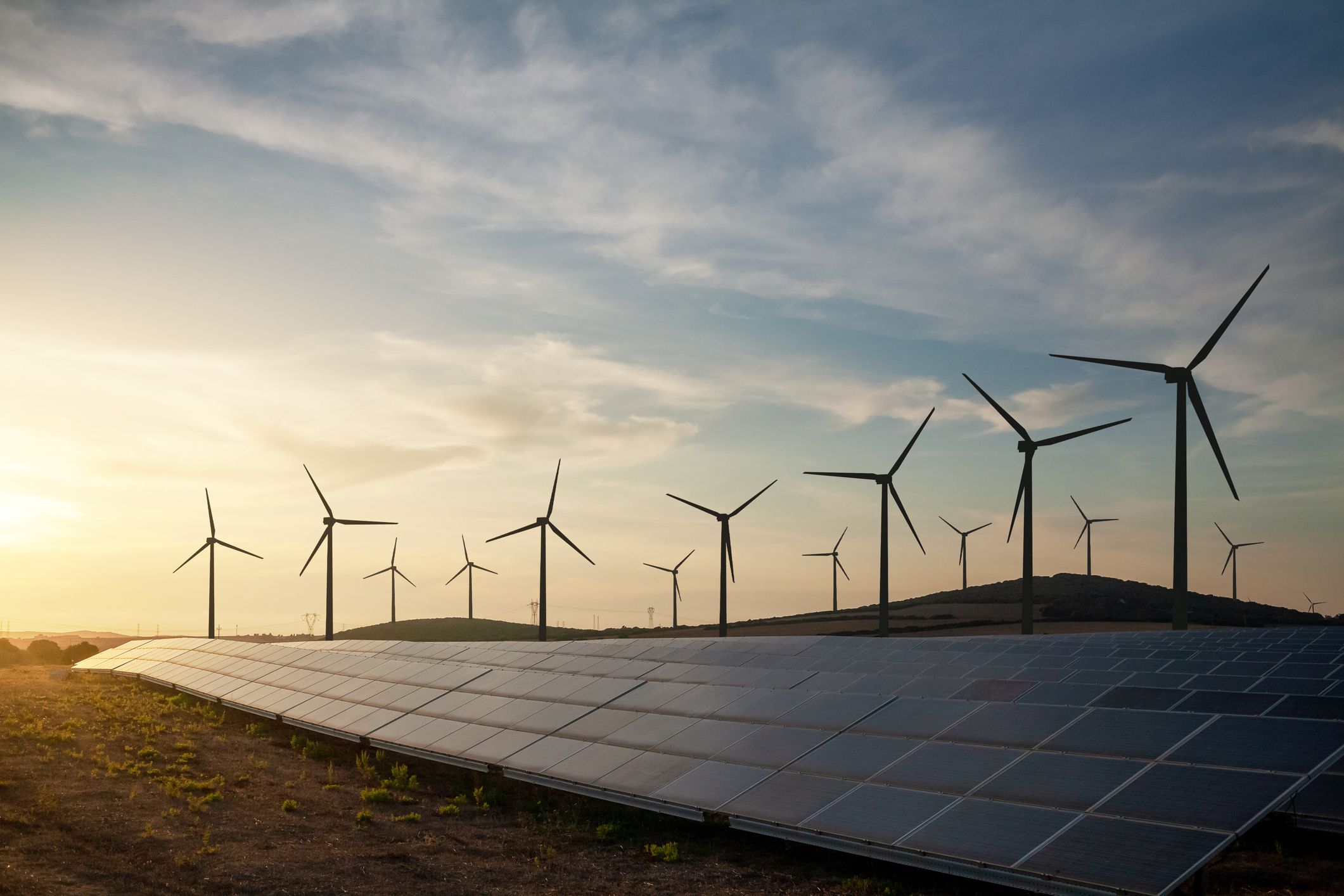
A combination of factors — including strengthened commitments — has led to a reduction in expected warming by at least a degree from a very high emissions scenario. There’s a lot more work ahead, but this shows that the future is not set in stone. We can make it safer. Now we have to make that progress again and again.
24K-Production/istockphoto
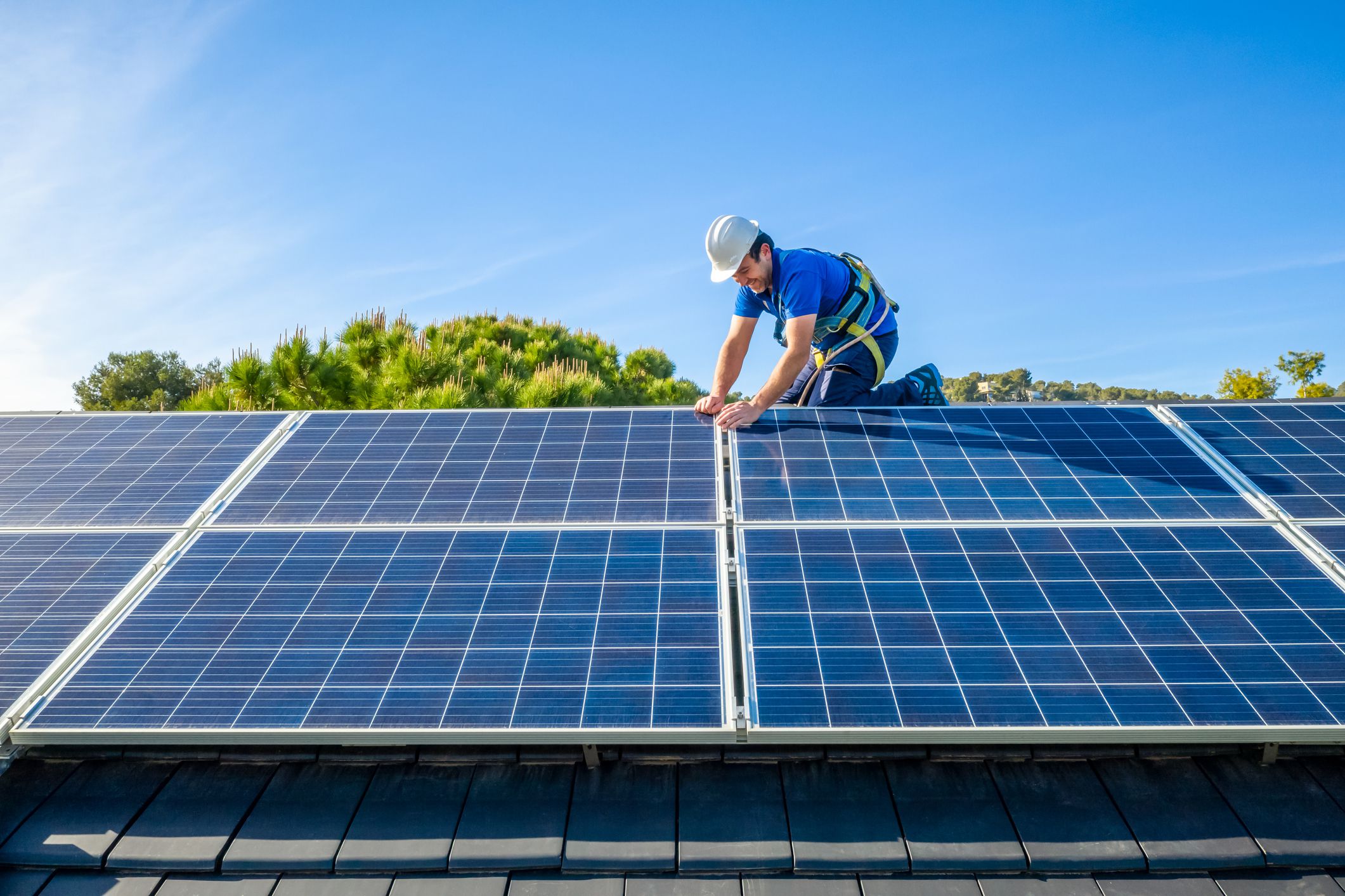
The cost of clean energy technologies has fallen drastically and unexpectedly quickly over the past decade: 85% for solar power, 55% for wind power, and 85% for batteries. These changes mean that clean energy is simply becoming cheaper than dirty energy.
Eloi_Omella/istockphoto

Every bit of avoided warming makes a difference, particularly when it comes to extreme weather. There isn’t a single “cliff” after which additional warming doesn’t matter. What happens in the decades ahead is determined by the choices we make and the actions we take now.
Gerhard Pettersson/istockphoto
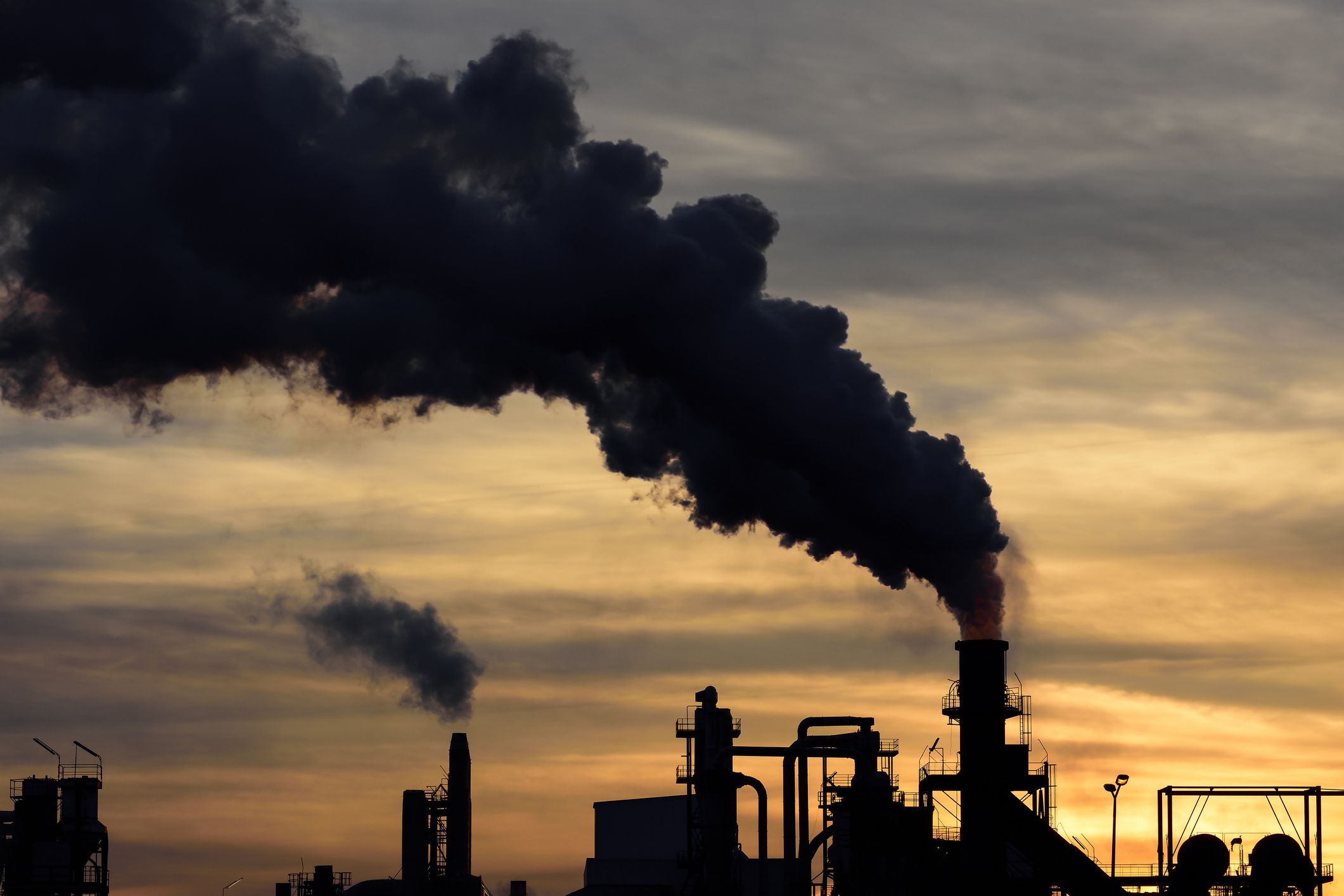
We now need to move as quickly as possible from fossil fuels to clean energy to avoid the worst impacts of climate change. And importantly, fossil fuels should be used less and less for power generation. If used, we would need to capture and safely store the carbon dioxide and considerably reduce emissions of the powerful climate pollutant methane.
rui_noronha/istockphoto

While the upfront cost of helping countries transition away from fossil fuels are high, specifically-designed policies can help address that challenge and provide a huge economic opportunity. And the value – both economic and human – of avoiding the drastic impacts of a changing climate is enormous. Remember, if this were easy we would have solved it already!
anyaberkut/istockphoto
3.3-3.6 billion
Approximately 3.3 to 3.6 billion people are highly vulnerable to the impacts of climate change, because of where they live or the resources they depend on to survive.
1.1 °C
The planet has already warmed 1.1°C since pre-industrial times. That leaves the world with just 0.4°C left of warming before it hits 1.5°C – that’s the threshold beyond which scientists say the likelihood of catastrophic climate impacts increases significantly.
10%
The richest 10% of households globally are responsible for between a third to nearly half of all greenhouse gas emissions, while the poorest 50% of households contribute just 15% of emissions.
1/3
The food system, including production, transportation, waste and more, accounts for about a third of global greenhouse gas emissions.
54%
Nature – including plants, animals, soils and the oceans – has absorbed 54% of human-related carbon dioxide emissions over the past 10 years. But with continuing emissions that ability decreases, meaning more human-caused emissions will remain in the atmosphere.
Learn More:
This article originally appeared on EDF.org and was syndicated by MediaFeed.org.
sharply_done/istockphoto
yangna/istockphoto
Featured Image Credit: DepositPhotos.com.