

They say that diamonds are a girl’s best friend, but did you know that you can also build credit with jewelry purchases? If you make your jewelry purchase using a payment plan or with a jewelry store credit card, then buying that watch, engagement ring, or diamond bracelet could help you build your credit score from scratch.
We’ll go through how to build credit by buying jewelry, including what options there are for buying jewelry on credit and what to consider before using a jewelry store credit card.
Image Credit: djedzura/istockphoto.
Options for Buying Jewelry on Credit

By purchasing jewelry on credit, it’s possible to build your credit score. Here are a couple of ways that you can do so.
Image Credit: Eva-Katalin/istockphoto.
Jewelry Store Financing
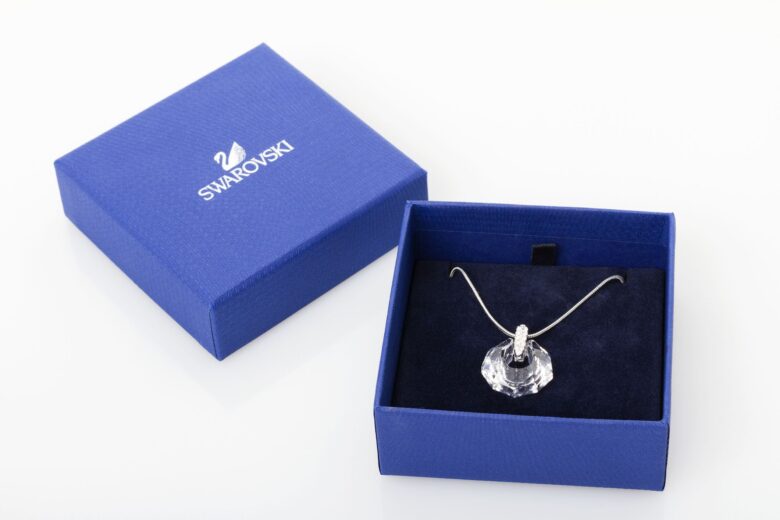
Most major jewelry stores offer payment plans, where you pay for your jewelry purchase in installments. You might be able to take advantage of a promotional offer, which could offer interest-free financing for six to 12 months.
While an installment plan can help you build credit, you could end up paying interest on your purchase even with a promotional offer. If you’re late on payments or don’t pay off your balance in time, expect to pay significantly more. Further, to qualify for financing through a retailer, you’ll need stellar credit, which is a tall order if you’re building credit from scratch.
Alternatively, some retailers might allow you to finance your purchase with a buy now, pay later (BNPL) plan. A type of installment plan, a BNPL plan requires you to make an initial payment upfront, then divides the remaining balance into equal installments. You’ll then get billed to your credit card until you’ve paid off the amount owed in full.
As an example of how this works, let’s say you’re planning to propose and agree to engagement ring financing under a BNPL plan. Many plans offer a “pay-in-four” model, where your purchase is divided into four installments, each of which is due every two weeks. If the engagement ring costs $5,500 — which is the average engagement ring cost — you would pay $1,375 initially, then $1,375 every two weeks over the course of six weeks. The pay-in-four setup means you likely wouldn’t owe interest, though longer term plans may charge an annual percentage rate (APR).
Image Credit: abalcazar/istockphoto.
Jewelry Store Credit Cards
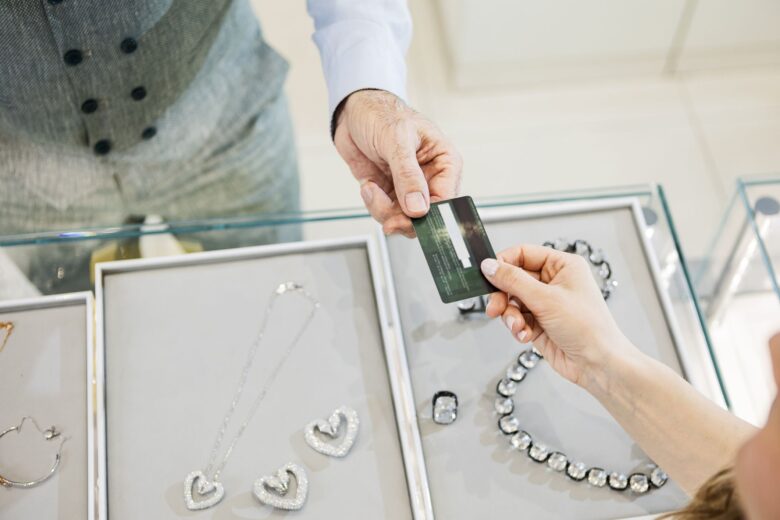
If you’re building credit from scratch or have credit that’s poor or fair, then a retailer credit card from a jewelry store might be a solid route to take. Many jewelry store credit cards only require fair credit in order to open an account.
You can also try getting a credit card from a department store that sells jewelry. Typically, retailer credit cards are easier to get approved for when you have less-than-great credit. However, note that they also typically come with higher interest, low credit limits, and some constraints, such as only being able to use the card with the retailer.
Image Credit: Zorica Nastasic/istockphoto.
Does Buying Jewelry Help Build Credit?

As mentioned, building credit with jewelry purchases is possible if you tap into a financing option that reports your payment activity to the major credit bureaus. Options that do so include financing through a jewelry store, using a jewelry or retailer credit card, or signing up for a buy now, pay later (BNPL) plan.
Of course, for any of those options to help you with establishing credit, you’ll need to stay on top of making your payments on time and in full. Also make sure you’re adhering to other responsible credit behaviors, such as avoiding maxing out your credit limit if you opt for a jewelry store credit card.
Image Credit: FG Trade/istockphoto.
How Jewelry Store Credit Cards Can Impact Your Credit Score
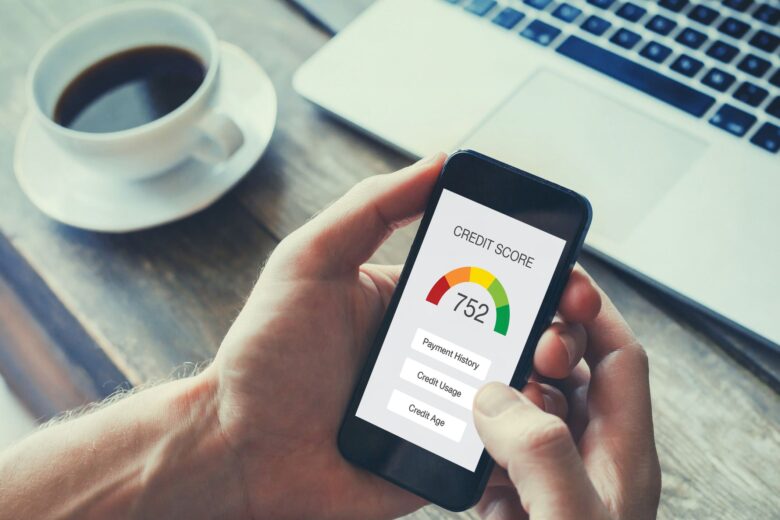
When you use a jewelry store credit card, your payments are reported to the credit bureaus. If you’re using your card responsibly and making payments on time, that activity can help to build your credit score. On the flipside, if you fall behind on payments or miss a due date, your credit score could suffer.
Payment history isn’t the only factor that will impact your credit score though. Applying for the credit card will result in a hard inquiry, which usually temporarily lowers your credit score by a bit. And you’ll want to think twice about canceling your card after making your jewelry purchase and paying it off — doing so could affect the length of your credit history, another factor that helps determine your credit score.
Image Credit: anyaberkut/istockphoto.
How Jewelry Stores Convince You to Finance

Retailers can earn money on interest charges from financing, and potentially get you to make a more expensive purchase than you otherwise would have if you didn’t finance. As such, they have good reason to persuade you to finance that stunning piece of jewelry you’ve had your eye on.
Here are some tactics they might employ to get you to agree to a payment plan or use a retailer credit card:
- Zero-interest promotional offers: By offering a no-interest promotional period on a payment plan or credit card, a jewelry store may lure you in.
- In-store promotions: You might see a poster or flier while perusing the jewelry cases. This might motivate you to make your purchase now — as opposed to treating it as an item worth saving for — and therefore agreeing to financing.
- Several financing options: The sales representative at the store might offer a few ways for you to finance that piece of jewelry, such as an installment plan, BNPL program, or by opening a jewelry store credit card.
Before agreeing to anything, make sure to ask questions to ensure you fully understand what you’d be getting into. You might even consider leaving the store and then coming back later, to give yourself time to think about your purchase and assess the financing options.
Image Credit: Kwangmoozaa/istockphoto.
What to Ask Before Using a Jewelry Store Credit Card
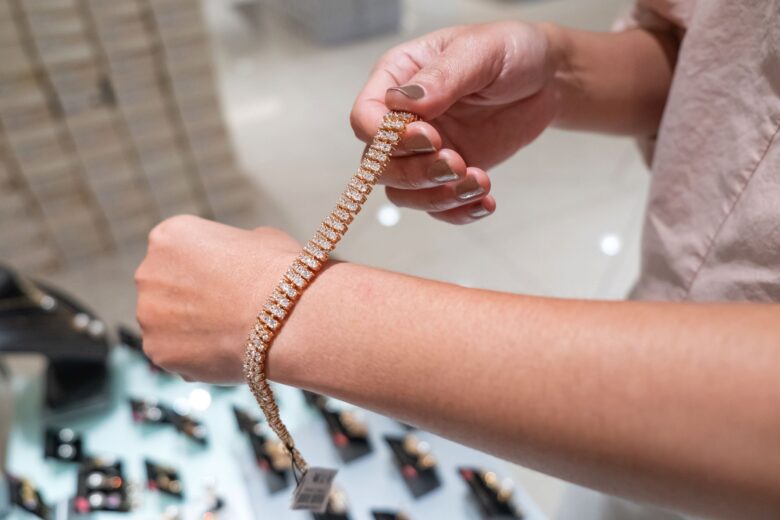
If you’re considering opening a jewelry store credit card, here are some questions to ask yourself before submitting your application:
- Can I afford to pay it off? While using a jewelry store credit card can help you build credit and make that large purchase affordable, do some simple math before moving ahead. Determine how long it will take to pay off the balance on the card and whether those payments realistically work within your current budget.
- What’s the APR? If you’re using a credit card to cover your jewelry purchase, you might not be in a position to pay off your full balance when the due date hits. As such, you’ll want to be aware of the credit card’s annual percentage rate (APR) to determine how much interest will add to the total cost of your jewelry purchase.
- Is there a promotional period? If you qualify for a no-interest promotional period, it’s important to know how long it will last and when the standard interest rate will kick in. Aim to pay off your purchase before that happens to avoid paying interest.
Image Credit: Kanawa_Studio/istockphoto.
What to Avoid When Buying Jewelry With Credit

When financing jewelry to build credit, there are a few big things to keep in mind that can help you steer clear of financial trouble.
For starters, you’ll want to avoid putting too much on your card. Doing so can drive up your credit utilization ratio, which compares how much of your overall credit you’re using and plays a role in determining your credit score. For example, if you have one credit card with a credit limit of $1,000 and you’re buying a $600 piece of jewelry, that would push your credit utilization to 60%. It’s typically recommended to keep your credit utilization ratio below 30%.
Second, you’ll want to avoid opening a credit card with a promotional offer that’s too short for you to comfortably pay off your balance before it ends. If you’re still making payments when the standard interest rate kicks in, you could end up paying a lot in interest — and making your jewelry purchase that much more expensive.
You also want to be aware of whether you’re splurging on something that you might not have bought otherwise. While investing in precious metals might seem like a good move, putting something on credit creates the illusion that you can afford it. But in reality, the purchase could end up costing you even more in the long run, thanks to the addition of interest charges.
Image Credit: Zorica Nastasic/istockphoto.
Other Ways to Build Credit

Besides buying jewelry to build credit, here are a few other ways that you can do so:
- Get a secured card.
- Take out a credit-builder loan.
- Become an authorized user on someone else’s credit card.
- Take out a personal loan.
- Use an auto loan to finance your next car purchase.
- Sign up to report your rent and utilities payments to the credit bureaus.
- Open a credit card and then use it responsibly.
Image Credit: DNY59/istockphoto.
FAQ

Do you need good credit to finance jewelry?
If you’d like in-store financing for jewelry, such as an installment plan, then you typically need excellent credit. However, retail credit cards usually only require a fair credit score.
Are there jewelry stores that give credit?
Yes, major jewelry stores usually offer installment plans, and some might have a branded retail credit card that you can apply for.
Is it easy to get credit at jewelry stores?
Retail credit cards are usually easier to qualify for than other types of credit cards, even if you have fair credit. However, while they’re often easier to get approved for, they often come with higher APRs, low credit limits, and various restrictions.
Image Credit: Serhii Sobolevskyi/istockphoto.
The Takeaway

If you’re curious about how to build credit with jewelry, consider financing your jewelry purchase by taking out a payment plan or by opening a jewelry store credit card. Before doing so, however, know that store payment plans usually require that you have strong or excellent credit.
Learn More:
This article originally appeared on SoFi.com and was syndicated by MediaFeed.org.
Please understand that this information provided is general in nature and shouldn’t be construed as a recommendation or solicitation of any products offered by SoFi’s affiliates and subsidiaries. In addition, this information is by no means meant to provide investment or financial advice, nor is it intended to serve as the basis for any investment decision or recommendation to buy or sell any asset. Keep in mind that investing involves risk, and past performance of an asset never guarantees future results or returns. It’s important for investors to consider their specific financial needs, goals, and risk profile before making an investment decision.
The information and analysis provided through hyperlinks to third party websites, while believed to be accurate, cannot be guaranteed by SoFi. These links are provided for informational purposes and should not be viewed as an endorsement. No brands or products mentioned are affiliated with SoFi, nor do they endorse or sponsor this content.
Communication of SoFi Wealth LLC an SEC Registered Investment Advisor
SoFi isn’t recommending and is not affiliated with the brands or companies displayed. Brands displayed neither endorse or sponsor this article. Third party trademarks and service marks referenced are property of their respective owners.
Communication of SoFi Wealth LLC an SEC Registered Investment Adviser. Information about SoFi Wealth’s advisory operations, services, and fees is set forth in SoFi Wealth’s current Form ADV Part 2 (Brochure), a copy of which is available upon request and at www.adviserinfo.sec.gov. Liz Young is a Registered Representative of SoFi Securities and Investment Advisor Representative of SoFi Wealth. Her ADV 2B is available at www.sofi.com/legal/adv.
Image Credit: andresr/istockphoto.
More from MediaFeed

You really can go on vacation for two months. Here’s how
Image Credit: MStudioImages/istockphoto.



