
9 Reasons Indoor Air Quality is the Future of Home Comfort
As homes become increasingly energy-efficient, the focus on indoor air quality is more crucial than ever. Modern construction techniques, while beneficial for energy savings, can inadvertently trap pollutants inside our homes. This has led to a growing awareness of the importance of maintaining clean, healthy air indoors.
From allergens to volatile organic compounds (VOCs), several factors can compromise indoor air quality. Fortunately, advancements in HVAC systems offer solutions to these challenges. Here are 9 reasons why indoor air quality is the next frontier of home comfort.

9. Tightly Sealed Homes
Modern homes are designed to be tightly sealed for energy efficiency.
While this reduces energy costs, it can also trap pollutants like dust, pollen, and VOCs inside. This makes it essential to focus on improving indoor air quality to ensure a healthy living environment.
8. The Role of Ventilation
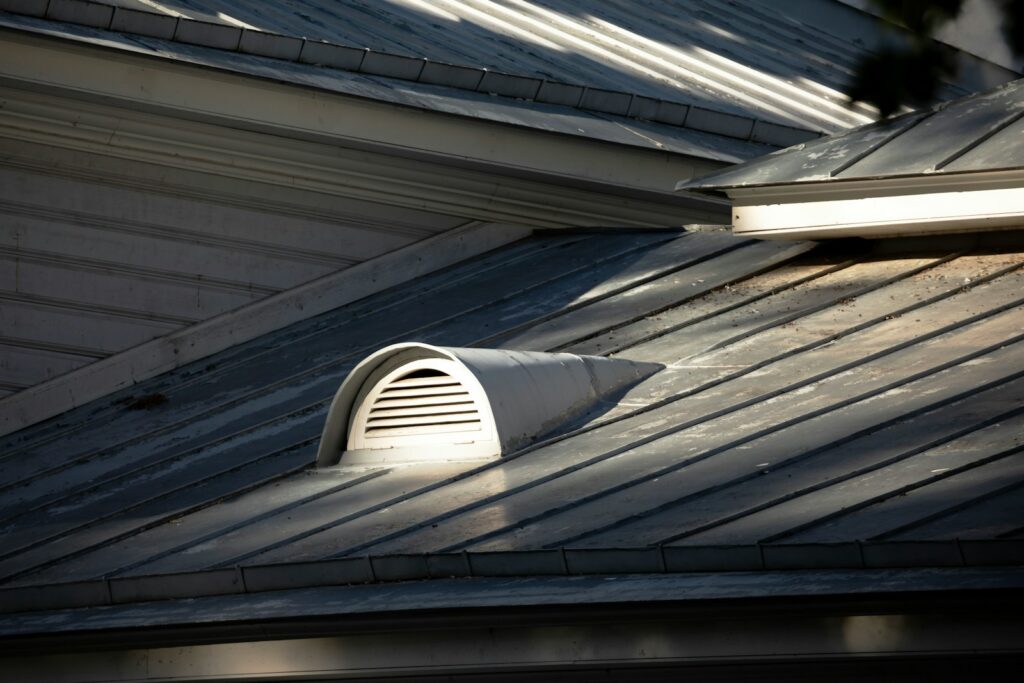
Proper ventilation is key to diluting indoor pollutants.
By integrating ventilation systems into HVAC units, fresh outdoor air can be introduced into the home, replacing stale indoor air and improving overall air quality.
7. Advanced Filtration Systems
Modern HVAC filters are designed to capture a wide range of indoor pollutants.
These systems can trap particles as small as allergens and certain microbes, helping to reduce health risks and improve air quality.
6. Importance of Regular Maintenance
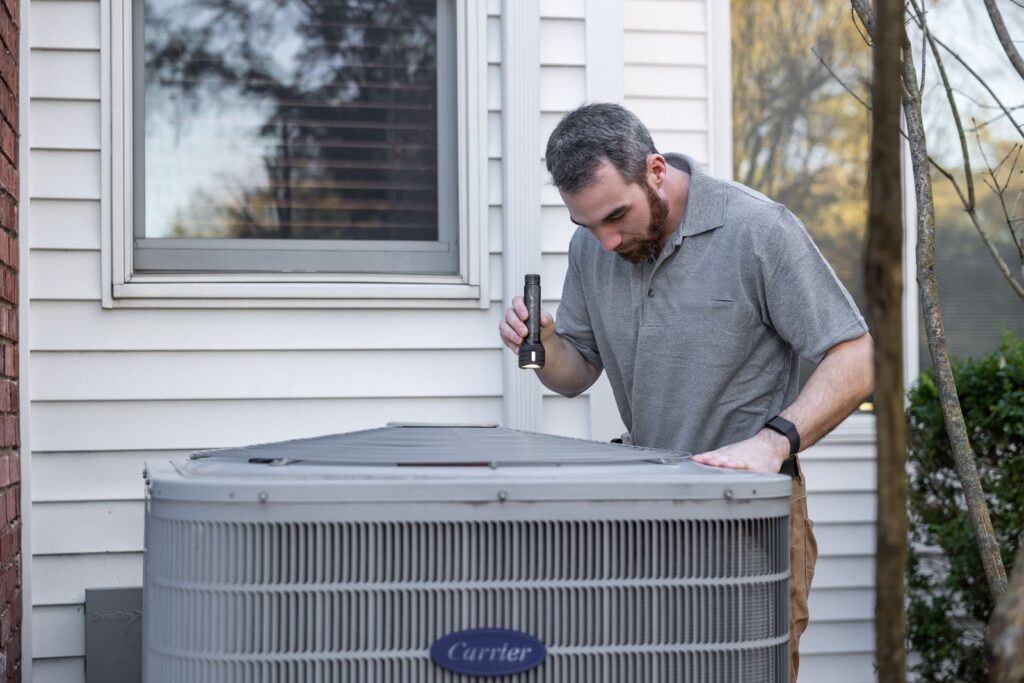
Clogged filters can restrict airflow and reduce filtration efficiency.
Regular filter changes and system maintenance are crucial to ensuring that your HVAC system functions effectively, keeping indoor air clean and healthy.

5. Smart Thermostats for Better Control
Smart thermostats offer advanced control over home comfort levels.
These devices allow you to manage temperature and humidity remotely, ensuring optimal air quality and comfort at all times.

4. Balancing Humidity
Proper humidity levels are crucial for both health and home integrity.
Maintaining a humidity range of 30 to 50 percent can prevent mold growth and alleviate health issues like dry skin and respiratory irritation.

3. Integration of Energy Recovery Ventilators
ERVs help manage indoor air quality without sacrificing energy efficiency.
These systems exchange stale indoor air with fresh outdoor air, maintaining heat and moisture levels to ensure year-round comfort.
2. The Impact of VOCs
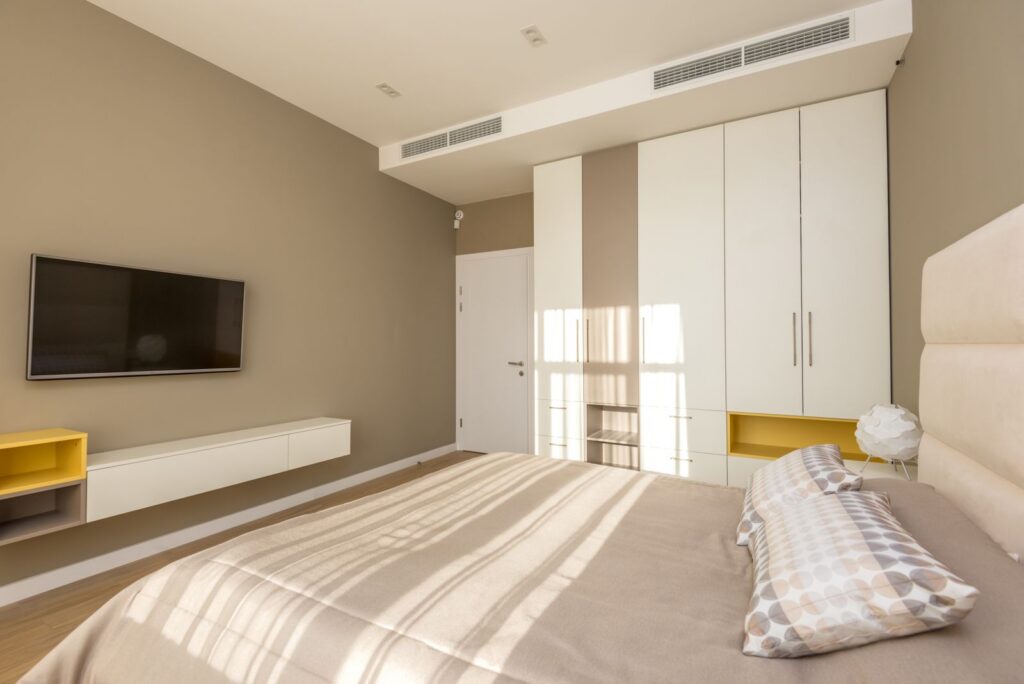
VOCs from household products can significantly affect indoor air quality.
Proper ventilation and filtration systems can help mitigate the effects of these compounds, ensuring a healthier indoor environment.

1. Comprehensive HVAC Solutions
Modern HVAC systems offer comprehensive solutions for air quality management.
By integrating ventilation, filtration, and humidity control, these systems provide a holistic approach to maintaining a comfortable, healthy home environment.
Read More:
- 9 Overlooked Storage Spaces in Your Home, According to Experts
- 10 Common Air Conditioner Mistakes That Are Driving Up Your Energy Bills
- Want Cleaner Air? These 10 American Cities Lead the Way
Ask us! What questions do you have about content, strategy, pop culture, lifestyle, wellness, history or more? We may use your question in an upcoming article!
Like MediaFeed’s content? Be sure to follow us.
This article originally appeared on Resourcebuzz and was syndicated by MediaFeed.co.