
9 Heart-Wrenching Love Confessions in Classic Literature
Love in literature often mirrors the complexities and depths of real-life relationships. Across the ages, authors have captured the profound emotions of love, from its euphoric highs to its heartbreaking lows. These literary love confessions stand out for their raw honesty and emotional intensity.
While the language of love has evolved over time, the essence of these confessions remains universally relatable. Here are nine of the most heart-wrenching love confessions in classic literature.
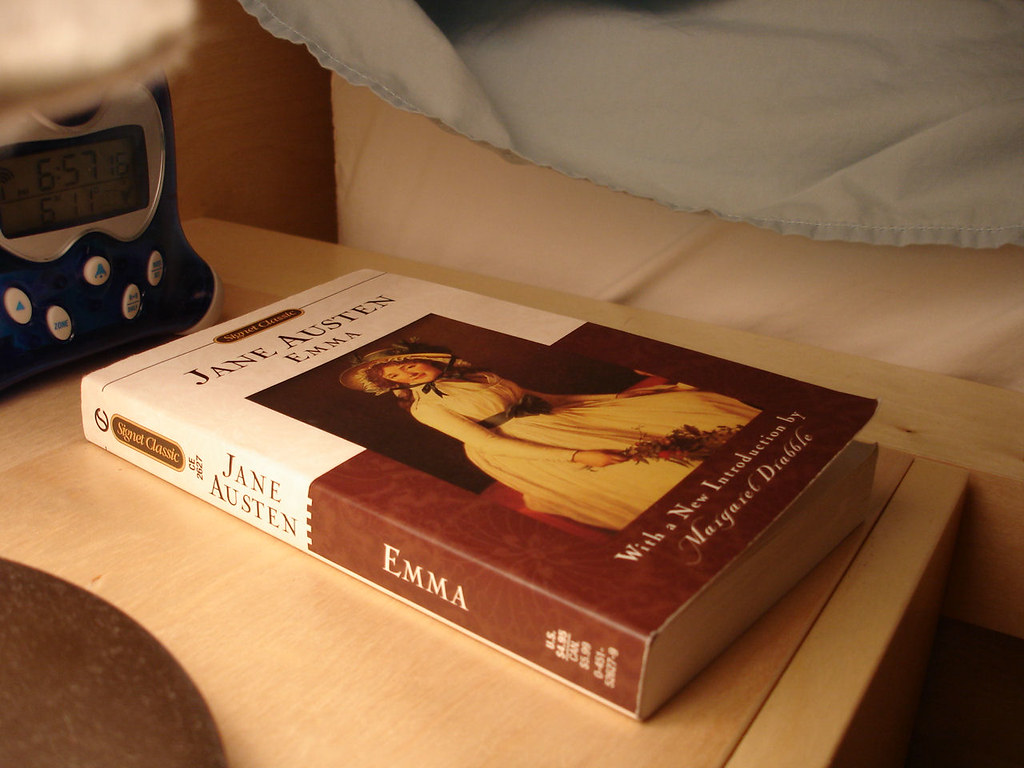
9. A Silent Love – Jane Austen, Emma
Jane Austen’s ‘Emma’ delivers a subtle yet powerful confession of love. The line, “If I loved you less, I might be able to talk about it more,” reveals the depth of Mr. Knightley’s feelings.
This confession highlights the struggle of articulating deep emotions, a struggle that many can relate to. It underscores the idea that sometimes, the most profound feelings are the hardest to express.
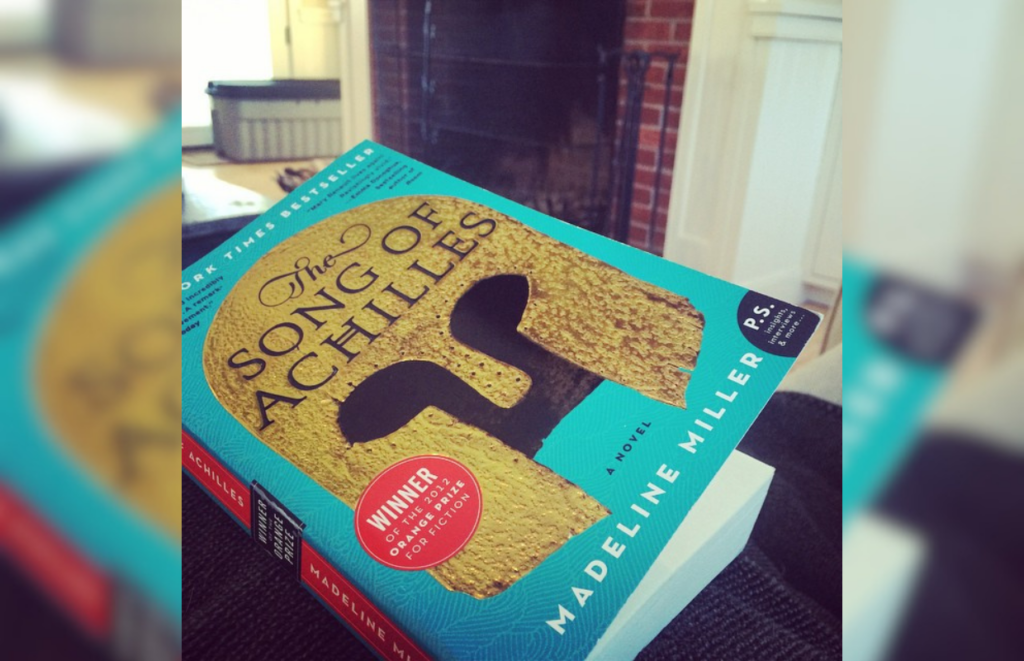
8. Eternal Recognition – Madeline Miller, The Song of Achilles
Madeline Miller’s ‘The Song of Achilles’ offers a confession that transcends time and space. The protagonist’s declaration, “I would know him in death, at the end of the world,” speaks to a love that defies mortality.
This expression of love captures the essence of a soul-deep connection, one that persists beyond life itself, illustrating the timeless nature of true love.

7. Soulmates Defined – Emily Brontë, Wuthering Heights
In ‘Wuthering Heights,’ Emily Brontë paints a vivid picture of an inseparable bond. The line, “He is more myself than I am,” illustrates a love where identities merge.
This confession speaks to the idea of soulmates, where two individuals are so intertwined that their very essence becomes one, a theme that resonates deeply with readers.
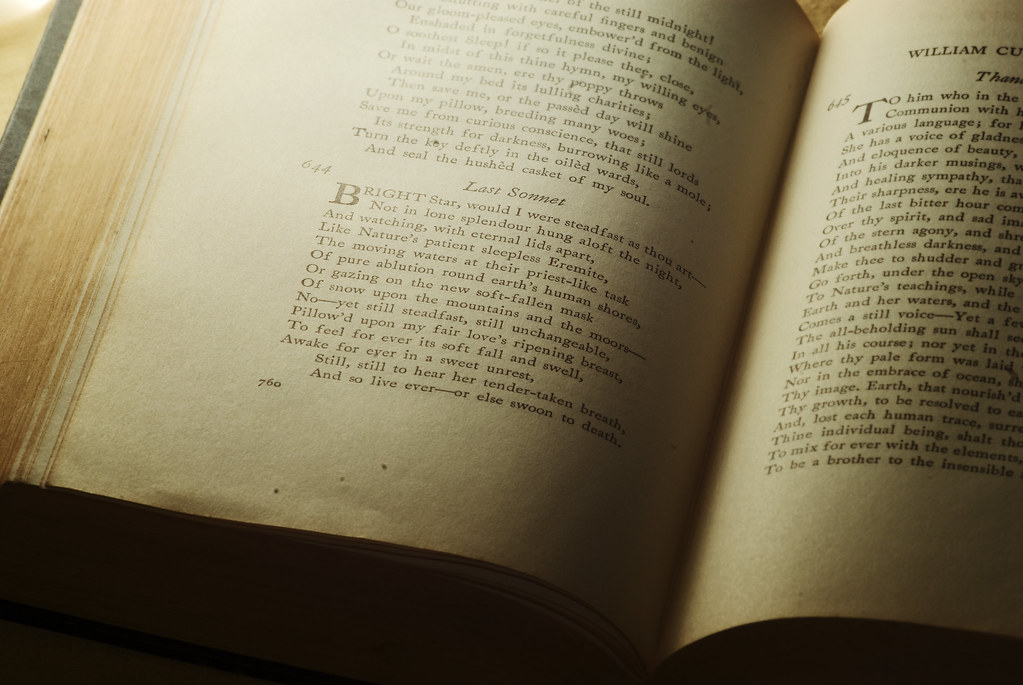
6. Love as Religion – John Keats, Bright Star
John Keats’ ‘Bright Star’ captures a devotion so intense it becomes a belief system. His words, “Love is my religion; I could die for that,” express a love that consumes and defines one’s existence.
This confession highlights the transformative power of love, where it becomes the central tenet of one’s life, offering both salvation and sacrifice.
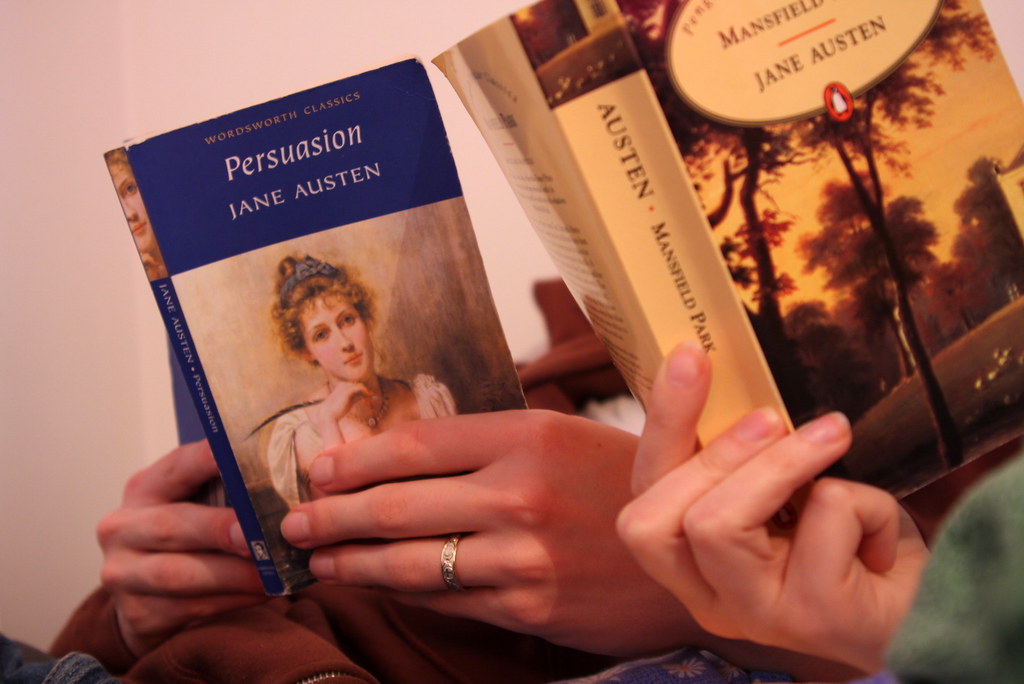
5. Agony and Hope – Jane Austen, Persuasion
In ‘Persuasion,’ Austen encapsulates the duality of love through the line, “You pierce my soul. I am half agony, half hope.” This confession reveals the bittersweet nature of love.
The juxtaposition of agony and hope captures the emotional turmoil that love can bring, making it one of the most poignant confessions in literature.

4. The Knife Within – Franz Kafka, Letters to Milena
Kafka’s ‘Letters to Milena’ presents a stark metaphor for love’s pain. His words, “You are the knife I turn inside myself; this is love,” depict love as both beautiful and excruciating.
This confession reflects the internal conflict and suffering that often accompany deep affection, portraying love as an inescapable and transformative force.
3. Devotion Beyond Life – Franz Kafka, Letters to Milena
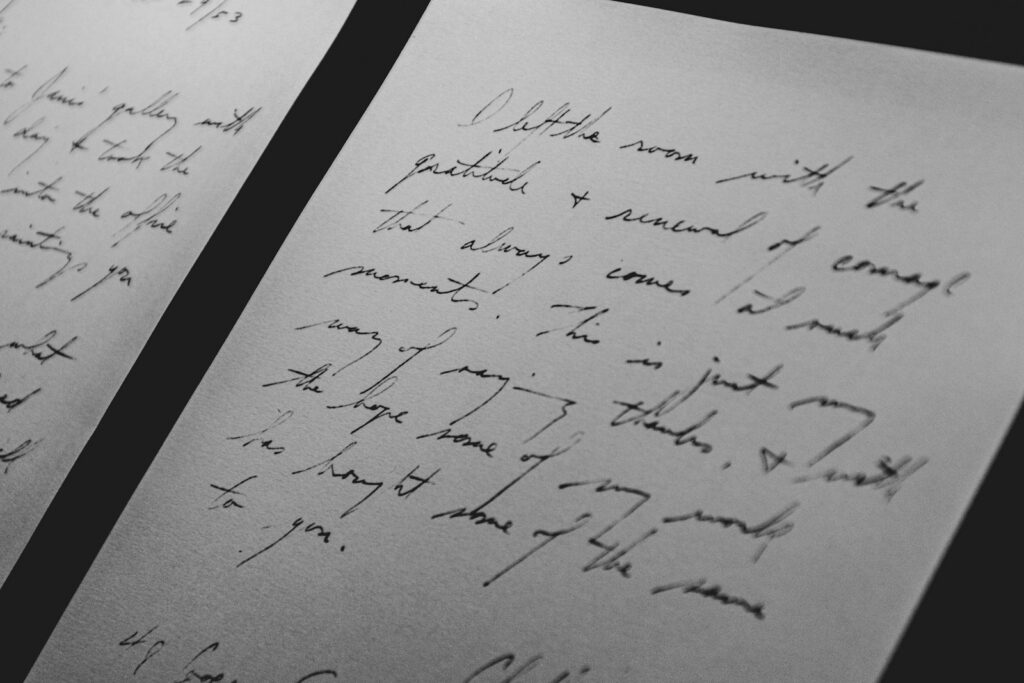
Kafka’s devotion in ‘Letters to Milena’ is unwavering. His declaration, “If no one loved you then know that I am dead,” underscores a love that persists beyond the grave.
This confession illustrates the enduring nature of true love, where devotion remains steadfast regardless of life’s circumstances or even death.

2. Love’s Recurrence – Edith Wharton, The Age of Innocence
In ‘The Age of Innocence,’ Edith Wharton captures the cyclical nature of love. The line, “Each time, you happen to me all over again,” speaks to the enduring and renewing power of love.
This confession reflects the idea that love is an ever-present force that can be rediscovered and relived time and again, making it timeless.
1. Unrepressed Feelings – Jane Austen, Pride and Prejudice
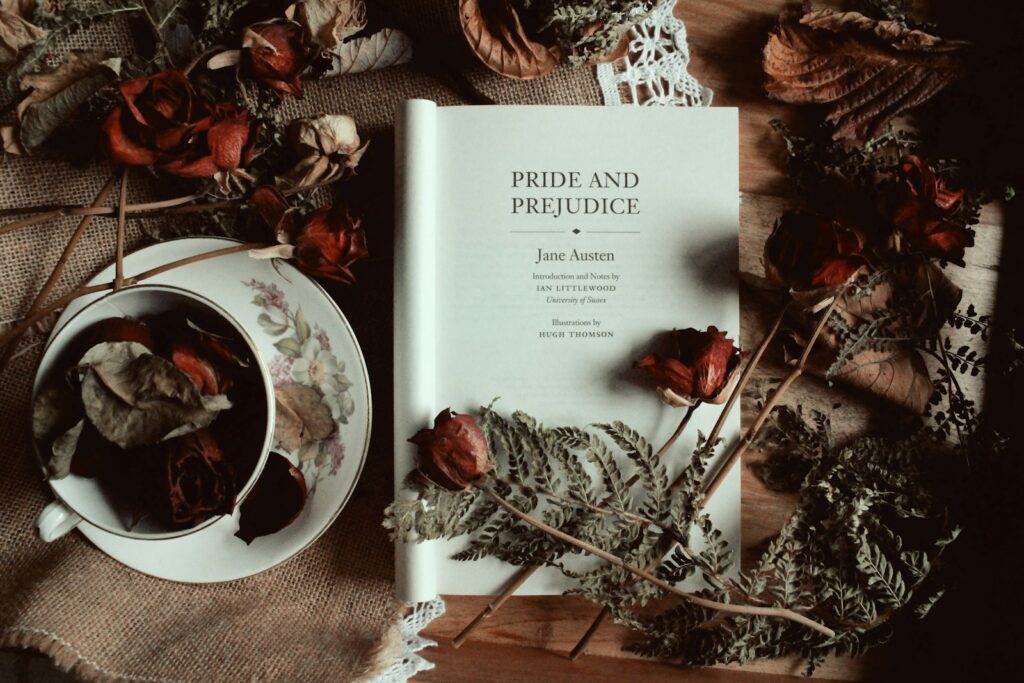
In ‘Pride and Prejudice,’ Austen’s iconic line, “In vain I have struggled. It will not do. My feelings will not be repressed,” captures a love that refuses to be contained.
This confession is a testament to the power of love to overcome societal constraints and personal doubts, making it one of the most memorable in literary history.
Read More:
- 10 Greek Mythology Words You Use Every Day
- The Love Language Most Associated With Each Zodiac Sign
- 12 Things Committed Partners Do In Relationships
Ask us! What questions do you have about content, strategy, pop culture, lifestyle, wellness, history or more? We may use your question in an upcoming article!
Like MediaFeed’s content? Be sure to follow us.
This article originally appeared on Resourcebuzz and was syndicated by MediaFeed.co.