

This article was reviewed by Sara Harcharik Perkins, MD.
Beautiful, strong hair starts with a healthy scalp. That’s why good scalp care should be a part of your hair routine.
Scalp care supports optimal hair growth conditions, which can contribute to stronger, healthier hair. When things get ignored, your locks can start to look thin, dull, and frizzy. Scalp care is easier than you might think. With the right approach, you can boost your scalp health while encouraging strong hair growth.
“Focusing on scalp care and getting conditions like dandruff under control can make a significant improvement in the symptoms, like itching and flaking,” says Knox Beasley, MD, a board-certified dermatologist.
Below, we outline how to get a healthy scalp along with some must-do steps for your scalp care routine.
Image Credit: Ridofranz / iStock.
Why Is a Healthy Scalp Important?
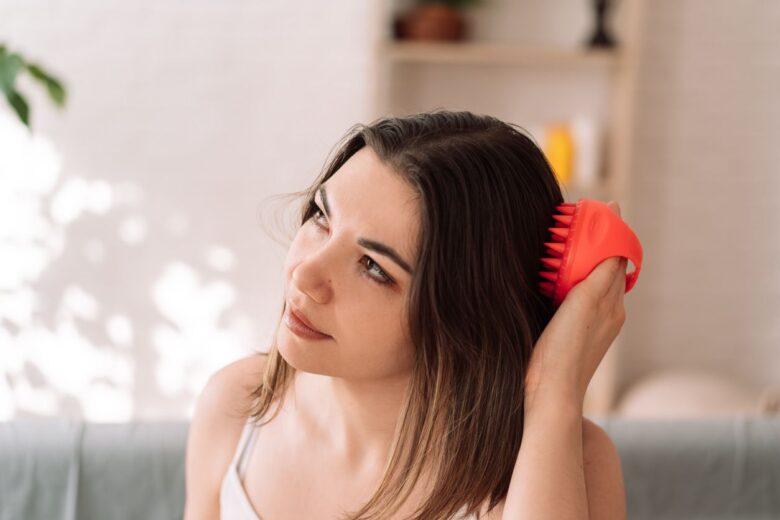
Your scalp might be hidden beneath your hair, but it plays a crucial role in supporting strong, dense, and healthy hair growth.
It’s home to between 80,000 and 120,000 hair follicles — small, tunnel-like structures in your skin from which hair grows.
A healthy scalp also has a balanced microbiome, the ecosystem of beneficial bacteria and fungi that helps defend against harmful microbes. When this balance is off, it can lead to inflammation and impact the long-term health of your hair.
Common conditions like dandruff and seborrheic dermatitis start on the scalp and can weaken its natural barrier, leading to itching, redness, and flaking.
Plus, skin problems, like forehead acne or pimples near your hairline, are often attributable to excess scalp oil. Sebum, a natural oil produced by your sebaceous glands, can build up, clogging pores and triggering irritation – especially if you often use heavy hair products or wear tight-fitting hats or sports gear.
Caring for your scalp can help prevent these problems and create a healthier foundation for your hair and skin.
Image Credit: Nestea06 /Istockphoto.
Healthy Scalp vs. Unhealthy Scalp

Distinguishing between a healthy and unhealthy scalp isn’t always obvious.
So, what does a healthy scalp look like? A healthy scalp strikes a balance — not too dry, not too oily. And it’s free from issues like redness, itchiness, flaking (dandruff), excessive oiliness, dryness, and sunburn (take extra care of that scalp in the sun!).
You can treat some of these issues, like flakes, at home with over-the-counter remedies. But some of these symptoms may be a sign of a condition that needs medical treatment.
Image Credit: triocean/istockphoto.
Common Scalp Conditions

Some scalp conditions include:
-
Seborrheic dermatitis. This is a more intense type of dandruff. It causes red, greasy skin topped with flaky white or yellow scales.
-
Scalp eczema or atopic dermatitis. Yes, you can get eczema on your scalp. This skin condition causes dry, itchy, and inflamed skin.
-
Scalp psoriasis. This is an autoimmune condition that leads to thick, red, scaly patches on the scalp and other parts of the body.
-
Tinea capitis. This fungal infection, also known as scalp ringworm, affects the scalp and hair shafts, causing itchy, scaly patches. It can lead to hair loss and bald patches.
If you have persistent scalp issues, it may be a good idea to consult with a healthcare professional, like a dermatologist.
Image Credit: Prostock-Studio/Istockphoto.
8 Habits to Improve Scalp Health
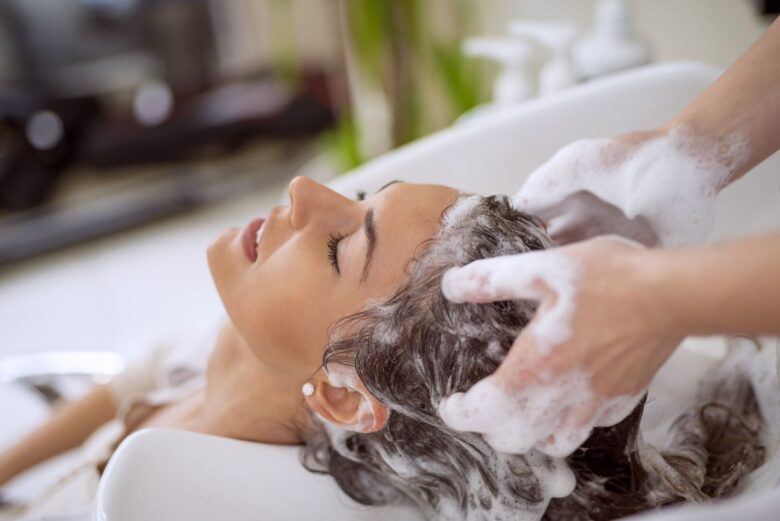
Your scalp is just skin, so scalp care follows the same basic rules as skin care.
Maintain healthy hair habits like washing regularly and avoiding practices or products that might damage your scalp or hair follicles. And choose the appropriate hair care products for your hair and skin types.
In general, good scalp care habits closely match good hair care habits.
Incorporate the following to promote optimal scalp health:
Image Credit: Ivanko_Brnjakovic/Istockphoto.
1. Wash Your Hair When It Gets Oily

Your scalp naturally produces sebum, an oily substance that can weigh hair down and lead to buildup or odor if not washed regularly.
While some people may only need to shampoo a few times a week, others with more active oil production might benefit from daily washing. Pay attention to how your scalp feels and wash when it starts to feel greasy or heavy.
Image Credit: Rattankun Thongbun/Istockphoto.
2. Use Shampoo For Your Hair and Skin Type

Choosing the right shampoo isn’t just about hair texture — it’s about your scalp, too. If your scalp tends to be dry or sensitive, a gentle, moisturizing formula can help maintain balance.
On the flip side, if you deal with oiliness or buildup, a clarifying shampoo might be more effective. Matching your product to your scalp type can make a big difference in long-term scalp health.
Image Credit: Javier Zayaz/Istockphoto.
3. Shampoo Your Scalp Directly
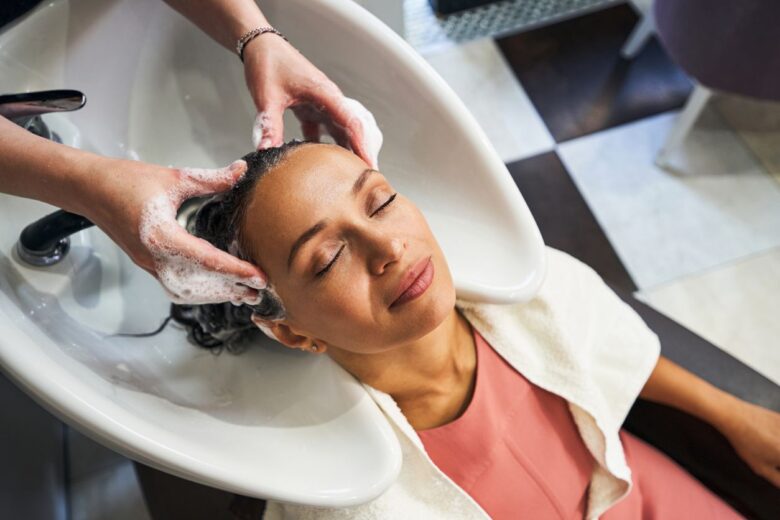
Focus shampoo application on your scalp, not the lengths of your hair. This helps remove dead skin, product buildup, and excess oil where it matters most — at the roots. The ends of your hair will get clean as you rinse, without the risk of drying them out.
For a little extra benefit, use your fingertips to give yourself a gentle scalp massage as you wash. It can help boost circulation and feels pretty great, too.
Image Credit: yacobchuk/Istockphoto.
4. Thoroughly Rinse Out All Products

Leftover shampoo, conditioner, or styling products can linger on your scalp and cause irritation, buildup, or dullness over time. Be sure to rinse thoroughly (especially at the roots and hairline) to avoid residue. If you’re using a thick mask or rich conditioner, take a little extra time to ensure everything’s washed away cleanly.
Image Credit: Ivan-balvan/Istockphoto.
5. Protect Your Scalp When You Swim

Chlorine and other pool chemicals can dry out your scalp and irritate your skin. To help prevent damage or an itchy scalp, wear a swim cap and rinse your hair and scalp with shampoo and conditioner as soon as you’re out of the water.
Image Credit: monkeybusinessimages/Istockphoto.
6. Watch Out for Contact Dermatitis

Contact dermatitis can occur when your scalp reacts to ingredients like fragrances, preservatives, or hair dyes. If a product leaves your scalp itchy, red, or uncomfortable, stop using it and try to avoid that ingredient in the future.
Image Credit: EvaL/Istockphoto.
7. Avoid Harsh Chemicals
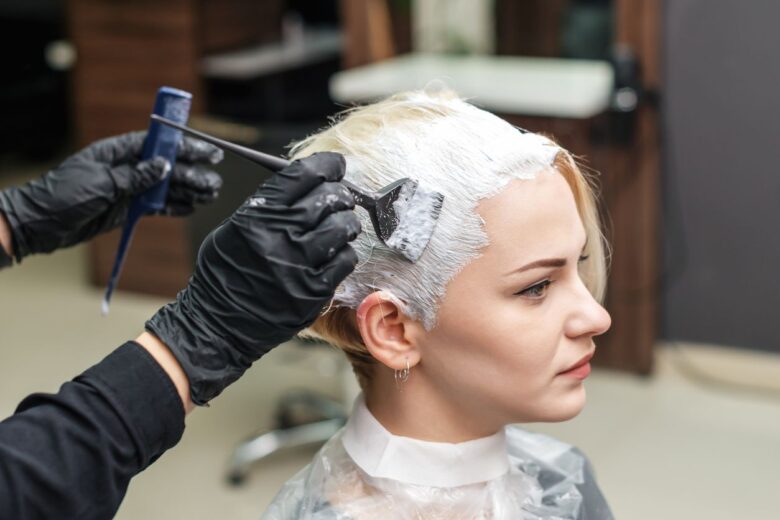
Chemical treatments like perms, relaxers, and bleach can irritate your scalp and weaken your hair. Try to keep them off your scalp when possible, and be aware that frequent use may lead to dryness, breakage, and long-term damage.
Image Credit: fizkes/Istockphoto.
8. Reach Out to a Specialist

Most scalp problems are easy to tackle with quick action and the right treatment.
If you have persistent scalp issues, such as itchiness, burning, or flaking, consider scheduling an appointment with a dermatologist. They can diagnose the issue and recommend treatment to control your symptoms and improve scalp health.
Image Credit: PeopleImages/Istockphoto.
Scalp Care Products by Skin and Hair Type
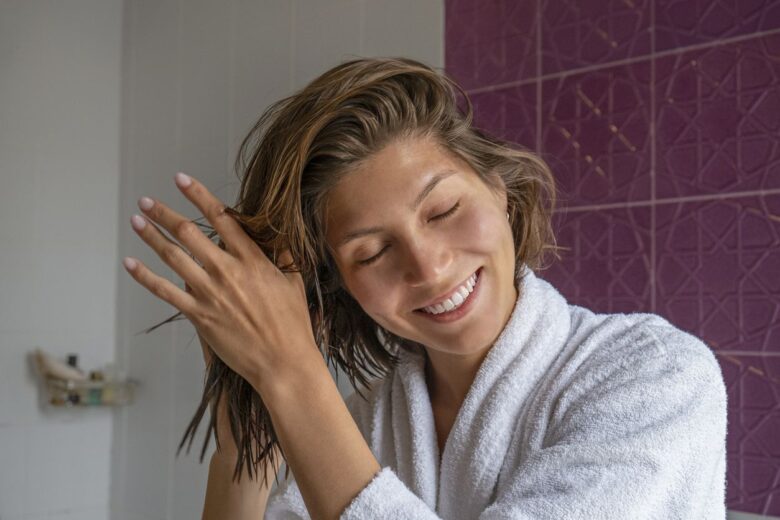
Scalp care doesn’t have to cost a fortune. Often, it’s just about choosing the right version of your everyday hair products, such as shampoo and conditioner.
Here’s a quick rundown of how to make your selections:
-
If you’re prone to dandruff: Switch to an anti-dandruff shampoo. The American Academy of Dermatology suggests using anti-dandruff shampoos that contain ketoconazole, selenium sulfide, or zinc pyrithione.
-
If you use a lot of styling products or have oily hair: Use an exfoliating scalp scrub or clarifying shampoo to reduce product build-up and excess oil. You shouldn’t use exfoliating and clarifying shampoos more than once a week, since they can cause excessive dryness.
-
If you have a dry scalp: Avoid using drying shampoos that contain sulfates, which can have an extra drying effect and explore moisturizing scalp treatment options.
-
If you’re experiencing hair loss: Try using a hair loss shampoo containing ingredients that support a healthy scalp and promote healthy hair growth.
Image Credit: Evrymmnt/Istockphoto.
Scalp Care Medications

If you have a scalp condition, your healthcare provider may suggest one of the following medications:
-
Eczema medications. Healthcare professionals typically recommend moisturizers and inflammation-targeting topical corticosteroids for scalp eczema.
-
Scalp psoriasis medications. If you have scalp psoriasis, your healthcare provider may recommend using a corticosteroid or another medication to suppress your immune system. They may also prescribe a shampoo or topical medication for you to apply directly to affected areas of your scalp.
-
Antifungal medications. If you have tinea capitis or another fungal infection, your healthcare provider may prescribe an oral antifungal medication like griseofulvin, fluconazole, or itraconazole.
Take prescription meds exactly as your provider says. Have questions or worried about side effects? Talk to your provider. They’re there to help.
Image Credit: Prostock-Studio/Istockphoto.
How to Have a Healthy Scalp: Final Thoughts
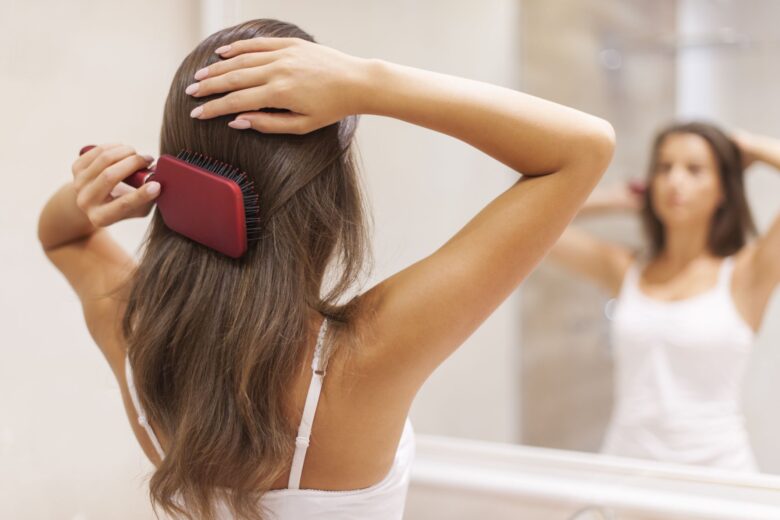
Caring for your scalp is essential for preventing itchiness, dryness, and irritation. Plus, a healthy scalp can mean thicker, fuller, healthier-looking hair.
Your scalp is the foundation for healthy hair growth. Let’s recap on how to treat it right:
-
A range of symptoms can signal scalp issues. Flakiness, dryness, itching, and redness are common signs that your scalp may need extra care. These symptoms can arise from various issues that affect scalp health and, in some cases, may even impact hair growth.
-
Use hair products that suit your hair type and scalp type. While people with dry hair might benefit from nourishing hair products, those with oilier locks might have better results with exfoliating scalp scrubs and clarifying cleansers.
-
Speak with an expert. Having a bit of a scalp scare? If you notice the symptoms of a scalp condition, or have symptoms that don’t go away with some TLC, speak with a healthcare professional.
Ready to achieve a healthier scalp? Try using the tips and techniques outlined in this guide.
Related:
- Understanding Hair Types: Your Expert-Led Guide to Better Hair Days
- how to repair chemically damaged hair
Like MediaFeed’s content? Be sure to follow us.
This article originally appeared on Forhers.com and was syndicated by MediaFeed.org
Image Credit: gpointstudio/Istockphoto.


