
7 parenting rules from the 1950s that wouldn’t fly today
In 1954, 40 percent of Americans told pollsters that whipping was the most effective punishment for misbehaving children. This was not a fringe position; It was the general consensus of the time.
The 1950s produced a set of child-rearing assumptions that have since been dismantled by pediatric research, psychology, law and a general accumulation of information about what children actually are. Government surveys from the era found that over 90 percent of schools permitted corporal punishment, while the seatbelt-free back seats of the family car went unregulated until well into the following decade.
Here are seven of them. If you have a question you’d like us to tackle, use the Ask MediaFeed option at the bottom of every article.
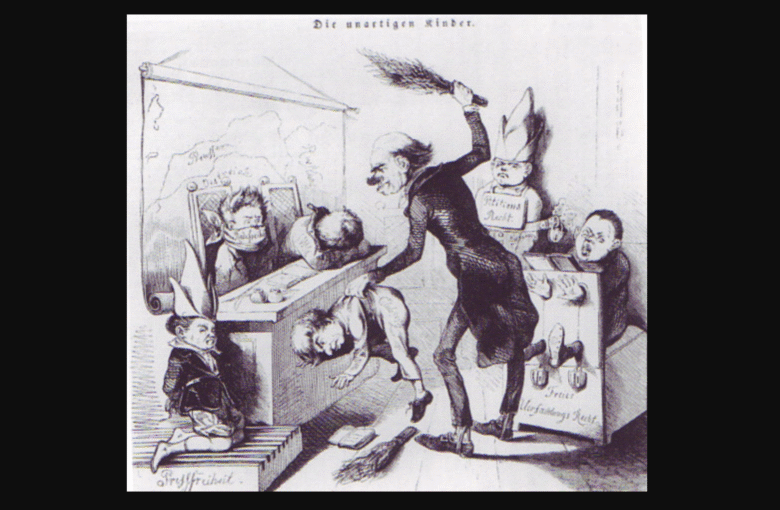
Corporal punishment was the consensus
Over 90 percent of US schools permitted corporal punishment in the 1950s. Principals kept wooden paddles on their desks as deterrents. Some rural schools sent students outside to cut their own switches before being hit with them. Studies published over the following decades consistently found that physical punishment produces more aggression in children, not less. Twenty-eight states still permitted it in schools as recently as 2024.

Children disappeared after breakfast
Outside at eight. Back by dark. Do not call unless the injury requires stitches. Kids roamed entire neighborhoods without adult supervision at ages that would currently result in a child protective services visit in most states. Six-year-olds walked to school alone across four-lane roads. The phrase “stranger danger” did not enter the American parenting vocabulary until the 1970s.
Children did not speak unless spoken to
Questioning a parent’s decision was not permitted. Questioning a teacher’s decision was punishable. The operating assumption was that adults were right because they were adults, and that a child who pushed back was defiant rather than developing. The capacity to advocate for oneself is now considered a developmental milestone rather than a behavioral problem.

Cars were unregulated environments
The rear-facing third seat of the family station wagon had no seatbelts. Neither did most back seats. The National Traffic and Motor Vehicle Safety Act passed in 1966. Before that, children rode in cars in whatever position they had managed to claim, sliding into dashboards on hard stops and nobody legislating otherwise.

The cereal companies wrote the nutritional guidelines
A balanced 1950s breakfast, per the advertising alongside Saturday morning cartoons, included sugar cereal, white toast, butter, juice and whole milk. Pediatricians did not raise significant public objections.

Children were put to work
Farm labor was legal for children at ages that would trigger current enforcement. Twelve-year-olds worked harvests. The framing was that physical labor built character, which was also what people said about cutting your own switch before being hit with it.

Medicine was experimental
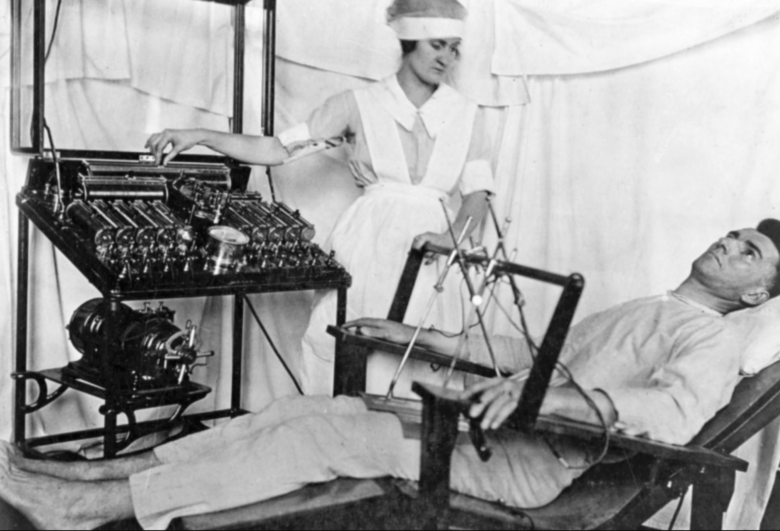
Gripe water contained alcohol. Some teething products contained mercury. The FDA’s enforcement authority over drug safety expanded only after thalidomide, prescribed in Europe to pregnant women for morning sickness, caused birth defects in thousands of children in the early 1960s. The 1950s parent giving their baby gripe water was not acting recklessly by the standards of what was known. The standards were the problem.
The bottom line
The decade is not being prosecuted here. The 1950s parent operated within what their era had established as normal. Some entries on this list are understandable in context. The one about the switches is harder to contextualize.
Ask us! What questions do you have about content, strategy, pop culture, lifestyle, wellness, history or more? We may use your question in an upcoming article!
Related:
- The ’40s parenting practices we now know were terrible for kids’ brains
- The ’70s parenting practices we now know were terrible for kids’ brains
Like MediaFeed’s content? Be sure to follow us.
This article was syndicated by MediaFeed.co.