7 famous shipwrecks that scientists know exist, but can’t physically reach
Finding a wreck and reaching it are two entirely different problems. Sonar can pin a location down to a few hundred meters. Getting a person, or even a working camera, down to that exact spot is a separate fight; depth, law, and raw danger usually win.
Seven wrecks sit in precisely that gap.
USS Samuel B. Roberts
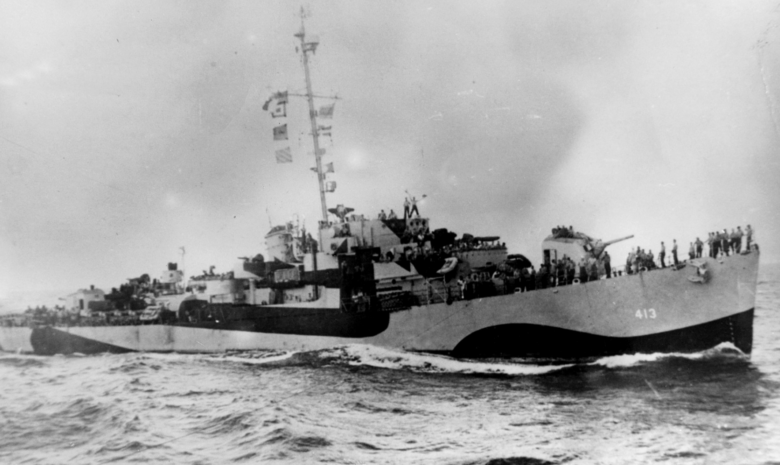
6,985 meters. More than four miles down. That’s where explorer Victor Vescovo located the wreck of this destroyer escort, sunk in the 1944 Battle off Samar, and it now holds the record for deepest shipwreck ever documented. Only a submersible engineered for the ocean’s most extreme trenches has ever gotten close.
USS Johnston
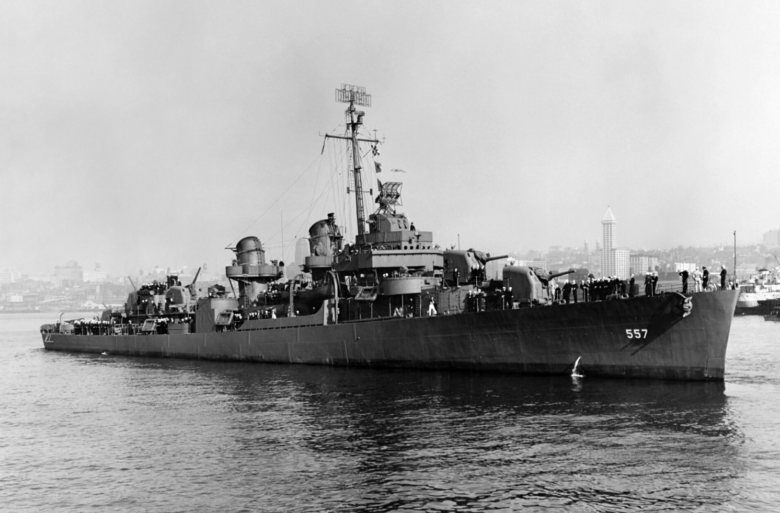
Nearby, at 6,456 meters, sits the ship that once held that title. Vescovo’s team confirmed the hull number 557 was still visible during two eight-hour dives in 2021, the only human eyes on the wreck since it went down in 1944.
RMS Titanic
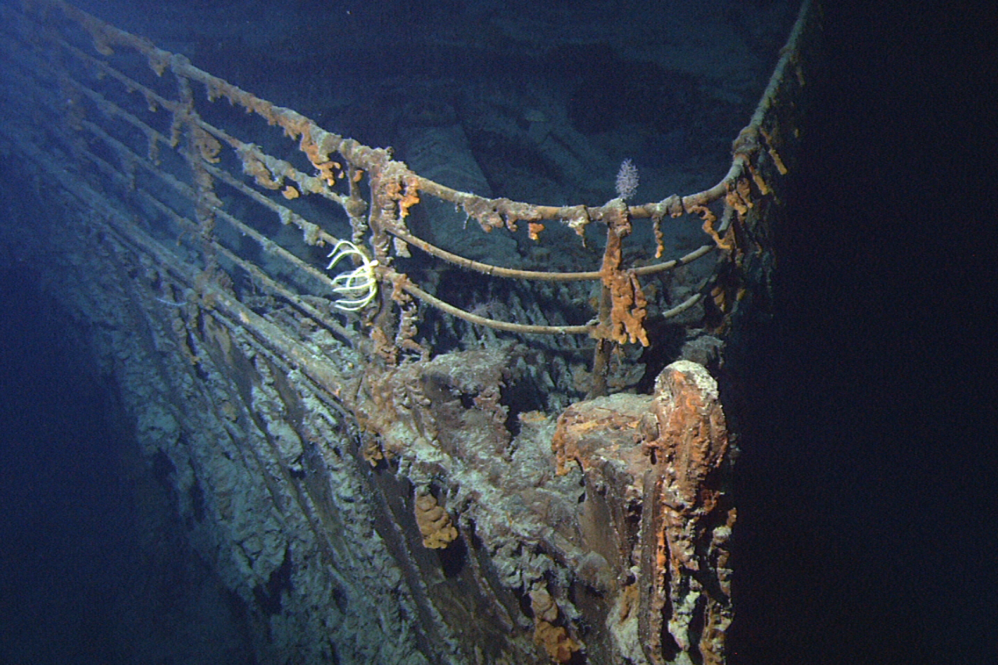
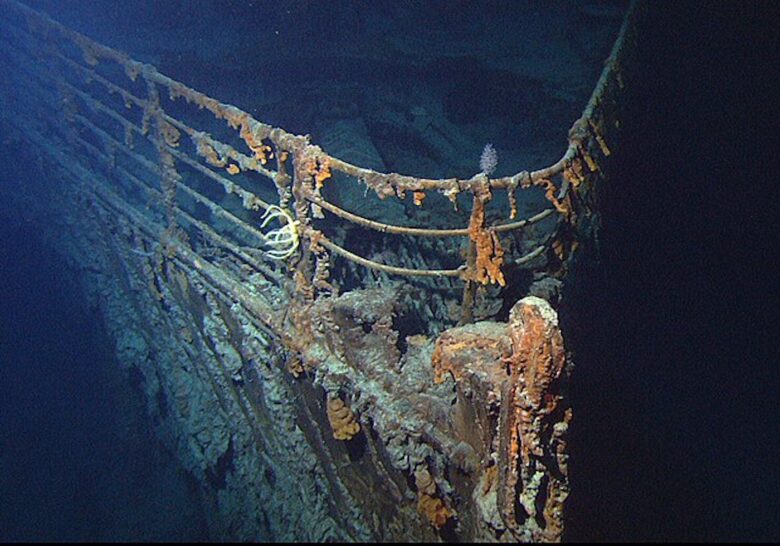
Almost 4,000 meters down was already a serious barrier. Then RMS Titanic became a UNESCO cultural heritage site in 2012, and a 2019 treaty between the US and UK layered a licensing requirement on top of that, so anyone wanting to enter the hull now needs government permission before depth even enters the conversation.
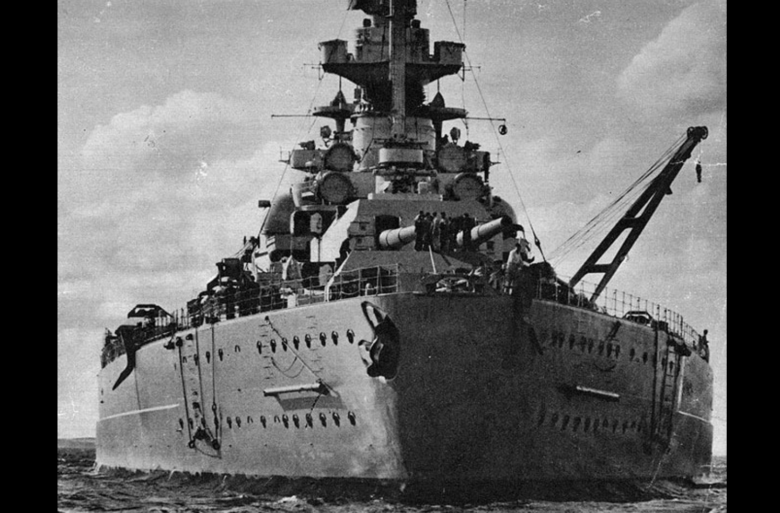
The Bismarck
That’s the entire record. Robert Ballard found the wreck roughly 4,790 meters down in the North Atlantic that year, and every trip since has required a specialized crewed submersible built to survive that depth. Few expeditions have been willing to make it.
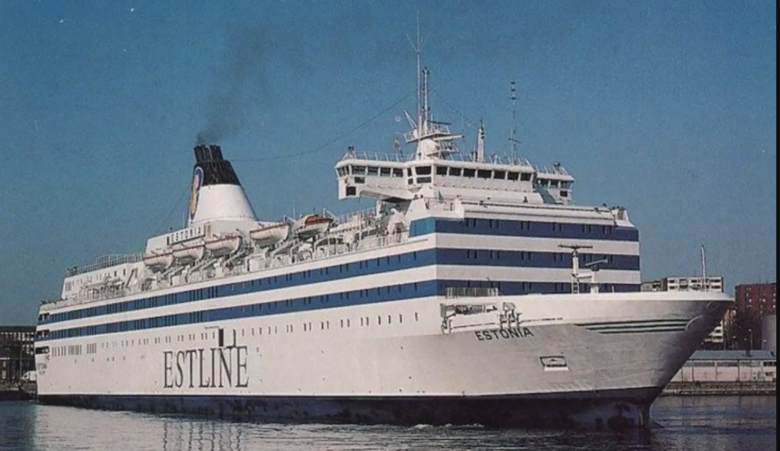
MS Estonia
MS Estonia rests at a modest 80 meters, well within range of ordinary diving gear. A 1995 treaty between Sweden, Finland, and Estonia designates the site a protected grave instead, and diving there is a criminal offense regardless of how easy the depth makes it. Two documentary filmmakers found that out in 2022, convicted and fined for doing exactly that.
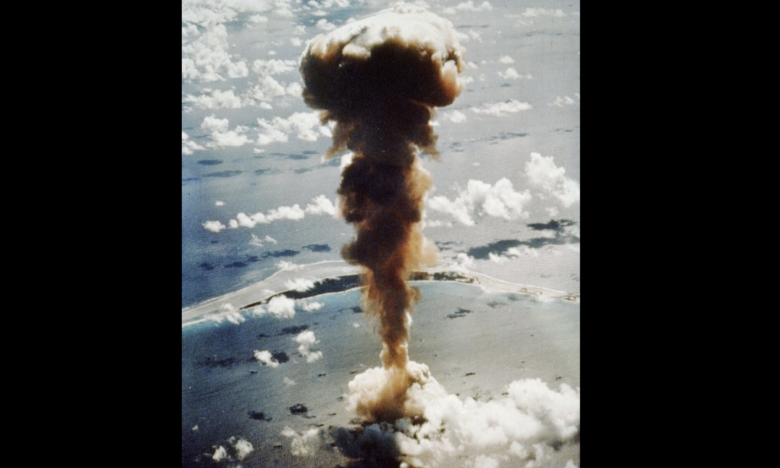
Bikini Atoll’s nuclear fleet
Dozens of decommissioned warships from the 1946 Operation Crossroads nuclear tests still sit at the bottom of this lagoon, and technically, they’re reachable. Divers do visit, a handful each year. What limits it is residual radioactivity in the surrounding water and sediment, combined with how remote the atoll actually is, which keeps trips rare, short, and restricted to crews with specialized training.
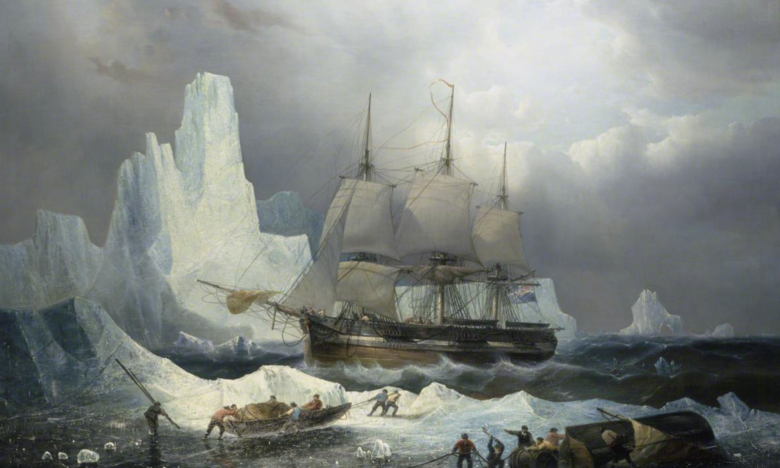
HMS Erebus and HMS Terror
These two ships turned up in 2014 and 2016, closing one of history’s longest-running searches. Ice now decides almost everything about access. One especially bad season of ice conditions cut a planned six-week Parks Canada research expedition down to two total days underwater, and Parks Canada remains the only team that has managed sustained access to either wreck since.
The bottom line
Knowing exactly where something rests is the easy part. Between crushing depth, international law, radiation, and an Arctic that only opens up for a few weeks a year, these seven wrecks may stay unseen but essentially untouchable for a long time yet.
Ask us! What questions do you have about content, strategy, pop culture, lifestyle, wellness, history or more? We may use your question in an upcoming article!
Related:
- Historical “discoveries” that turned out to be elaborate hoaxes
- Some of the most surprising record deals in music history
Like MediaFeed’s content? Be sure to follow us.
This article was syndicated by MediaFeed.co.
Ask us! What questions do you have about content, strategy, pop culture, lifestyle, wellness, history or more? We may use your question in an upcoming article!
Related:
- Historical “discoveries” that turned out to be elaborate hoaxes
- Some of the most surprising record deals in music history
Like MediaFeed’s content? Be sure to follow us.
This article was syndicated by MediaFeed.co.