6 ancient texts that codebreakers still haven’t been able to crack
Humanity has decoded Egyptian hieroglyphics, reconstructed dead languages from a single stone slab and used AI to recover burned papyrus from Vesuvius. The assumption is that given enough time, any text can eventually be read. Several ancient manuscripts suggest otherwise.
The texts below are drawn from Ancient Origins, Live Science and Omniglot. Codebreakers from both World Wars tried some of these. Modern AI has been applied to others. None of them has yielded.
Every language on this list remains, as of 2025, completely unreadable.
The Voynich Manuscript
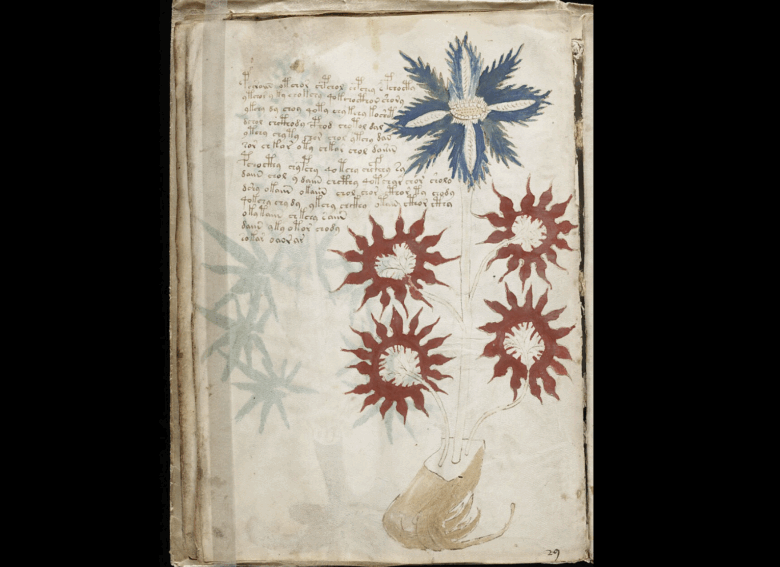
Carbon-dated to 1404-1438 and once owned by Emperor Rudolf II, this extraordinary vellum volume has defied everyone from Jesuit scholars to World War II codebreakers and modern AI analysis. Its 240 pages contain plants that exist nowhere in any botanical record, naked figures bathing in green pools and astronomical diagrams matching no known system. In 2024, a team at Yale confirmed the language appears to have consistent grammar. Its meaning remains completely unknown. Every major codebreaking approach developed in the last hundred years has been applied to it, including statistical analysis, AI and methods used to crack Enigma. None has worked.
The Rohonc Codex
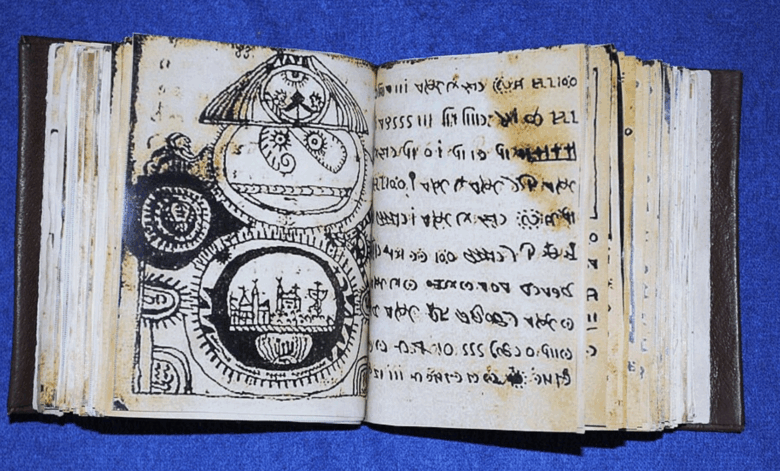
The Rohonc Codex is a 448-page illustrated manuscript composed in an undeciphered script and unknown language, featuring over 80 drawings depicting scenes such as battles, religious figures and symbolic motifs, which surfaced in 1838 in the library of Count Gusztáv Batthyány in Rohonc. It is written right-to-left, has no punctuation and contains a character set so large that most linguists believe it cannot be a simple substitution cipher. Proposed solutions range from encoded Hungarian religious texts to artificial languages or deliberate ciphers, none achieving consensus.
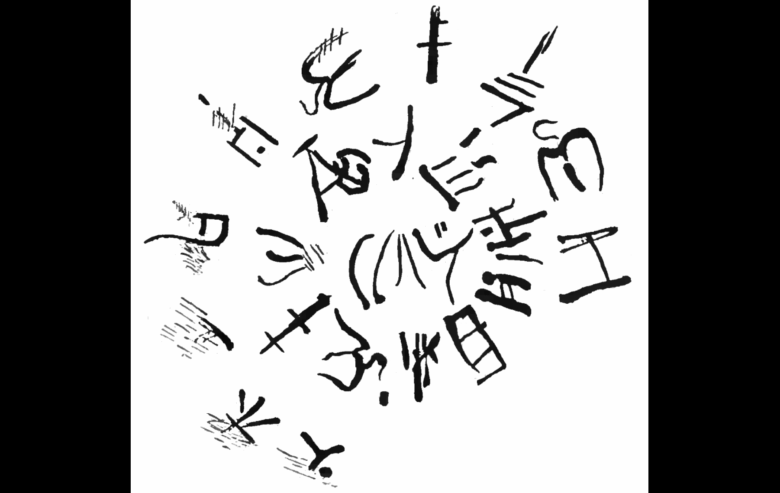
Linear A
Linear A was the writing system of the Minoan civilization from roughly 1900 BCE and the direct ancestor of Linear B, which was deciphered in 1952. Linear A remains unreadable because no bilingual text has ever been found, and the underlying language is itself unknown.
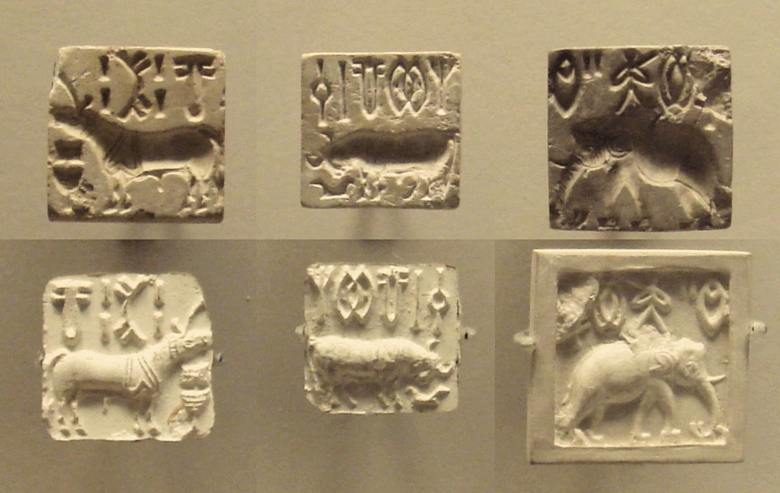
The Indus Script
The Indus Valley Civilization flourished around 2500 BCE in what is now Pakistan and northwest India. Thousands of objects stamped with tiny symbols have been found, but each inscription is extremely short, providing almost no contextual data. The lack of any bilingual key has made decoding nearly impossible.
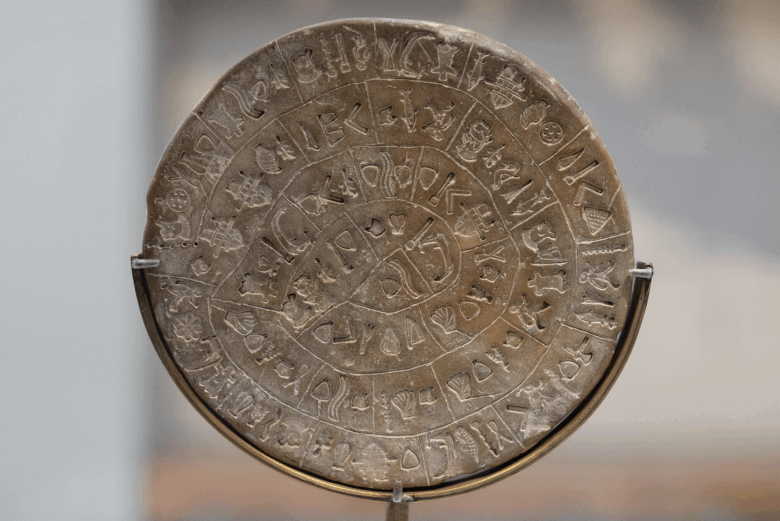
The Phaistos Disc
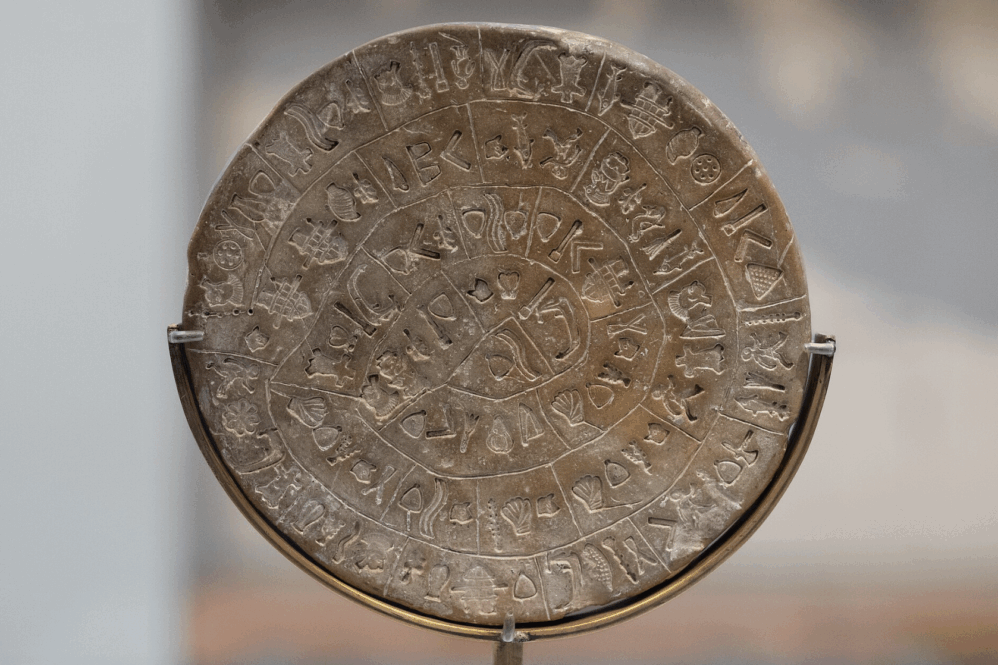
Found in 1908 on Crete, the Phaistos Disc is stamped with 241 symbols across both faces. It is the only known object using its script in the entire world. With nothing to compare it against, every proposed decipherment is speculation. Dozens have been published. None has achieved scholarly acceptance.
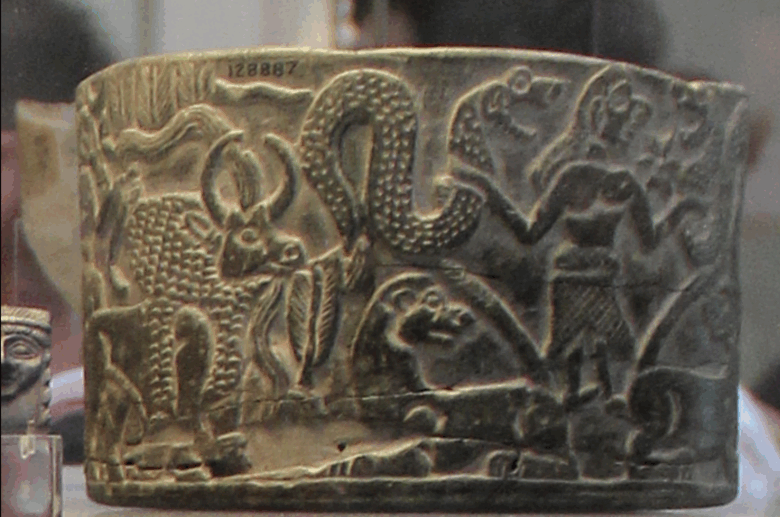
Proto-Elamite
Proto-Elamite dates from approximately 3200 BCE, making it one of the oldest writing systems ever found. More than 10,000 tablets have been uncovered across ancient Iran. Researchers have established that the texts relate to administrative records, but the underlying language has no known relatives and has been illegible for over a century of active study.

Wrap up
Six texts, six brick walls built from something more frustrating than age. Each is written in a system that exists nowhere else, in a language with no known relatives and without the bilingual key that unlocked every other ancient script humanity has managed to read. The Rosetta Stone saved Egyptian hieroglyphics. The Behistun Inscription is written in Old Persian. Nothing comparable has turned up for any of these six. They are still waiting.
Ask us! What questions do you have about content, strategy, pop culture, lifestyle, wellness, history or more? We may use your question in an upcoming article!
Related:
- 1 creepy discoveries that archaeologists still can’t explain
- The hidden & stimulating physics of India’s Ellora caves
Like MediaFeed’s content? Be sure to follow us.
This article was syndicated by MediaFeed.co.