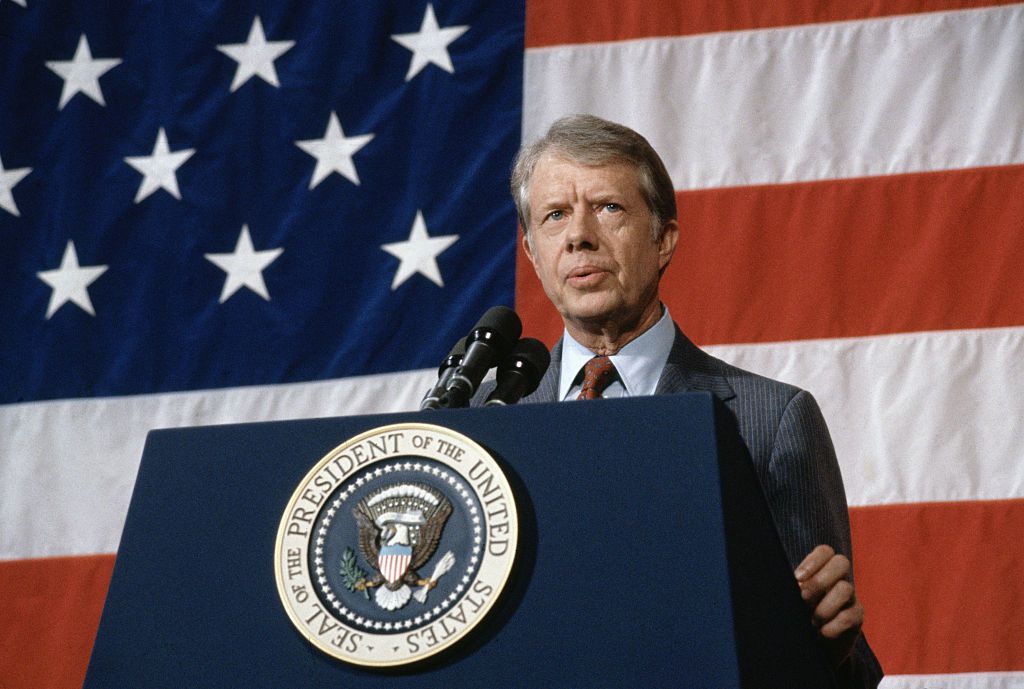
Every time someone pulls on a cozy sweater instead of turning up their thermostat — somewhere, Jimmy Carter smiles.
If that reference has you scratching your head, the former U.S. president made headlines when he donned a sweater and asked the public to turn down their heat during a 1977 energy shortage.
But he did much more for the environment than that.
Here are five reasons why Carter, who was president from 1977 until 1981, will be remembered as one of America’s greenest leaders:
Image Credit: Bettmann / Getty Images.
He created the Department of Energy
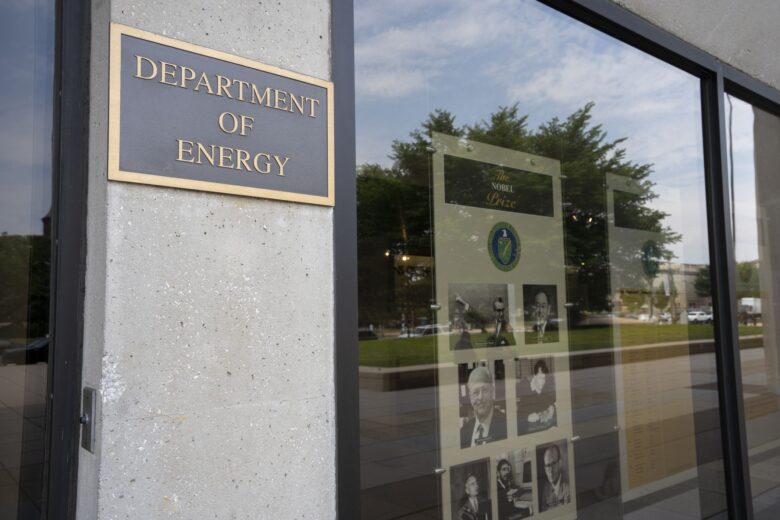
Carter created the Department of Energy in 1977 in response to an energy shortage that led to skyrocketing fuel costs and concerns about America’s dependence on foreign oil. Carter hoped the agency would promote energy efficiency while supporting the development of new sources of renewable energy. The department continues to play a key role in U.S. energy policy today, and is integral to the government’s efforts to promote clean energy.
Image Credit: hapabapa/istockphoto.
He established the Superfund program
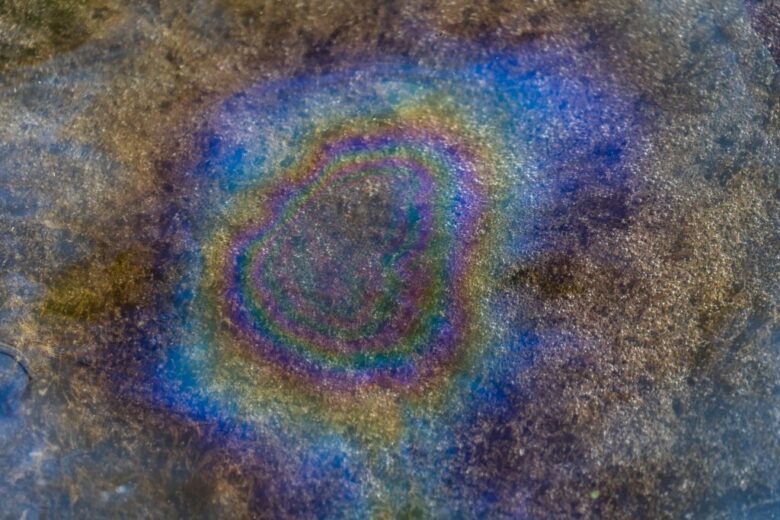
In 1980, Carter signed the Comprehensive Environmental Response Compensation and Liability Act to protect communities from harmful pollution and hold polluters accountable for any remediation costs. The act created the Superfund trust, which is supported by taxes on industries that produce hazardous materials as well as fines. It has since been used to clean up hundreds of contaminated sites. In fact, the Biden administration recently invoked the act to compel Norfolk Southern to clean up toxic chemicals in the wake of the catastrophic train derailment in East Palestine, Ohio.
Image Credit: Michael Swensen / Getty.
He strengthened the Clean Air Act
Though Congress had already passed the Clean Air Act, Carter strengthened national air quality standards when he signed several amendments to it in 1977. Carter’s EPA also regulated emissions from cars and power plants more stringently and set up monitors capable of measuring air quality across the U.S.
Image Credit: PhotoQuest / Getty.
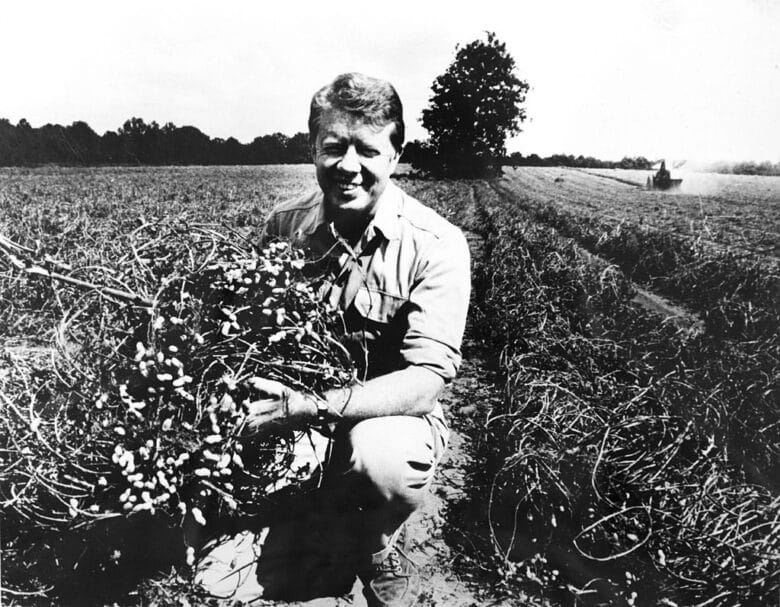
He protected more than 100 million acres of land
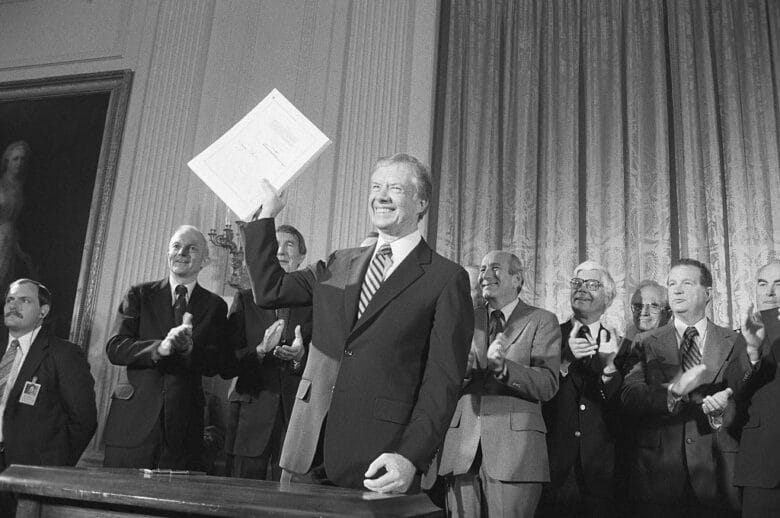
Over the course of his presidency, Carter protected millions of acres of land, including the Chattahoochee River National Recreation Area in his home state of Georgia. But his landmark achievement came when he signed the Alaska National Interest Lands Conservation Act in 1980, which preserved more than 100 million acres of land. It still ranks as the largest land conservation measure ever signed into law by a U.S. president.
Image Credit: Bettmann / Getty Images.
He was an early adopter and long-time advocate of solar power
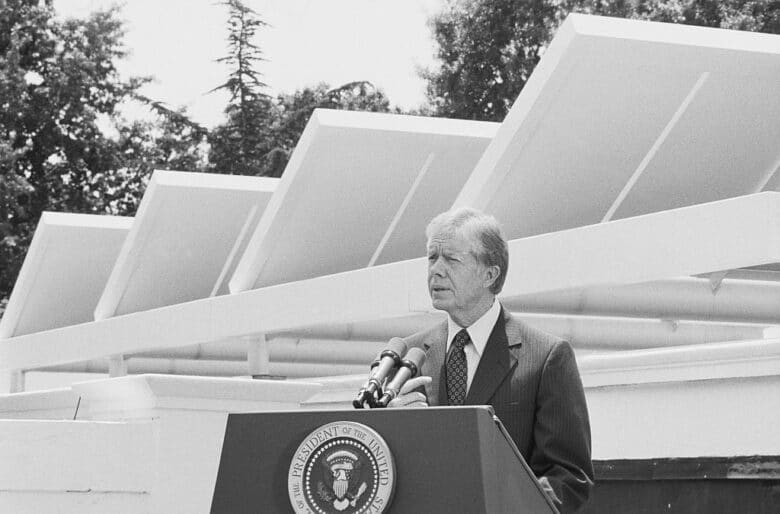
Shortly after Carter moved into the White House with his wife, Rosalynn, and their youngest child, Amy, he had a novel technology installed — rooftop solar panels that could heat the water used in the White House. He continued to be an advocate for solar power throughout his life, even adding a solar array to his farm in Plains, Georgia, that’s capable of powering about half the town. Carter’s presidential library in Atlanta also uses solar energy.
Learn More:
- What is ‘blue carbon’ and why is it so important?
- America wasn’t so beautiful before EPA protections
This article originally appeared on EDF.org and was syndicated by MediaFeed.org.
Image Credit: Bettmann / Getty.
More from Mediafeed

5 groundbreaking 2022 environmental laws from around the world
Image Credit: yangna/istockphoto.