
Popular American foods that are banned abroad
Europe has blocked imports of American foods containing substances like artificial growth hormones, brominated vegetable oil, titanium dioxide,e and potassium bromate, citing potential human health risks. The EU’s stricter regulations on food safety, rooted in the precautionary principle, prioritize consumer safety over industrial convenience. Many everyday American products contain ingredients that other countries consider too risky to allow.
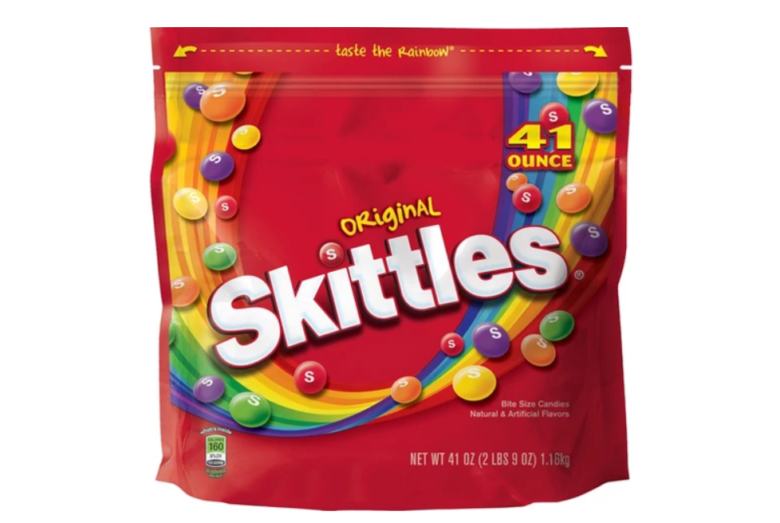
Skittles and artificial food dyes
The bright colors that make Skittles instantly recognizable, including Red 40 and Yellow 5, cause problems abroad. In parts of Europe, foods containing these dyes must carry warning labels about possible effects on children’s behavior. Rather than use warning labels, many manufacturers reformulate Skittles overseas to use plant-based colors instead of synthetic dyes.

Mountain Dew and brominated vegetable oil
Mountain Dew has drawn attention for its past use of brominated vegetable oil, an additive used to keep citrus flavoring evenly mixed. BVO has been banned in the European Union and Japan for decades due to concerns about bromine buildup in the body. According to the Mayo Clinic, bromine can irritate skin and mucous membranes and cause headaches, memory loss, and impaired balance.

Chlorinated chicken processing
Chicken produced in the United States is often rinsed with chlorine solutions to reduce bacteria. This practice is banned in the European Union, where regulators prefer strict hygiene controls throughout farming and processing instead of chemical washes at the end. European officials argue that chlorine washing could mask poor conditions earlier in the production process including overcrowding and mistreatment of animals.

Froot Loops reformulated overseas
Froot Loops sold in the United States rely heavily on artificial colors to create their rainbow appearance. In countries with stricter food-coloring regulations that formulation is not approved, so international versions appear noticeably duller using alternative colorants. Many use natural fruit or vegetable dyes rather than synthetic dyes to achieve the colorful appearance.

Pop-Tarts contain banned dyes
The colorful breakfast pastry contains food dyes Yellow 5, Yellow 6, and Red 40, which are still deemed safe to eat domestically but are partially banned in the European Union. Though the FDA issued a ban on Red Dye 3 in January 2025, countless other additives remain on grocery store shelves. The EU requires warning labels on packages containing these artificial colors.

Bread with azodicarbonamide
Some bread products like Jimmy Dean Delights and Pillsbury Breadsticks contain azodicarbonamide, a chemical compound that’s actually used to make yoga mats and shoe soles. While the FDA still allows it in numerous foods, you won’t find it in Europe and Australia, where it’s been linked to respiratory problems. In Singapore, using it could get you fined $450000 and imprisoned for up to 15 years.

Gatorade with Yellow 5 and Yellow 6
This sports drink contains food dyes Yellow 5 and Yellow 6, which are banned in foods for infants and children in the European Union. They must also carry warnings on all other products there and are completely banned in Norway and Austria. The dyes give Gatorade its bright colors, but research suggests they may affect behavior in children.
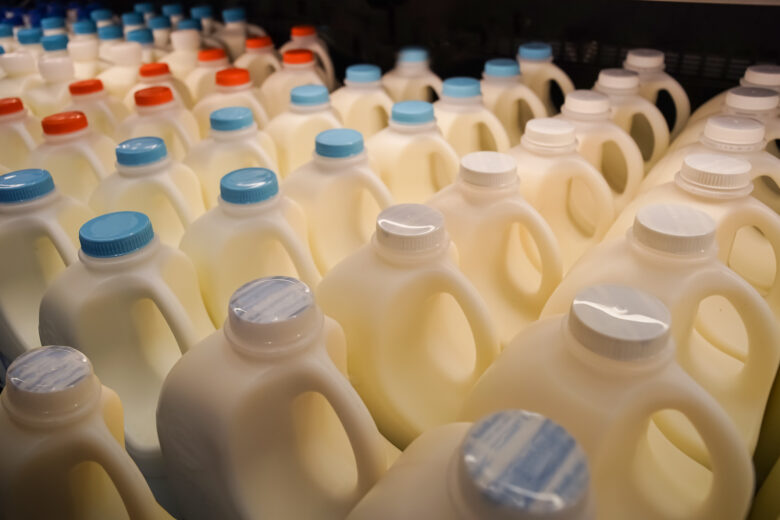
rBGH hormones in dairy products
In the United States, milk is treated with either rBST or rBGH, artificial hormones that stimulate milk production. The FDA says there is no difference in the milk produced, but Canada and the European Union ban these growth hormones completely. Other countries prefer to avoid potential health risks associated with hormone-treated dairy.
Takeaway
In 2024, the United States finally banned BVO after decades of use, and by 2027, Red Dye No. 3 will also be phased out. These moves mark rare moments of alignment with EU standards even if several decades behind European legislators.
Ask us! What questions do you have about content, strategy, pop culture, lifestyle, wellness, history or more? We may use your question in an upcoming article!
Related:
Like MediaFeed’s content? Be sure to follow us.
This article was syndicated by MediaFeed.org.