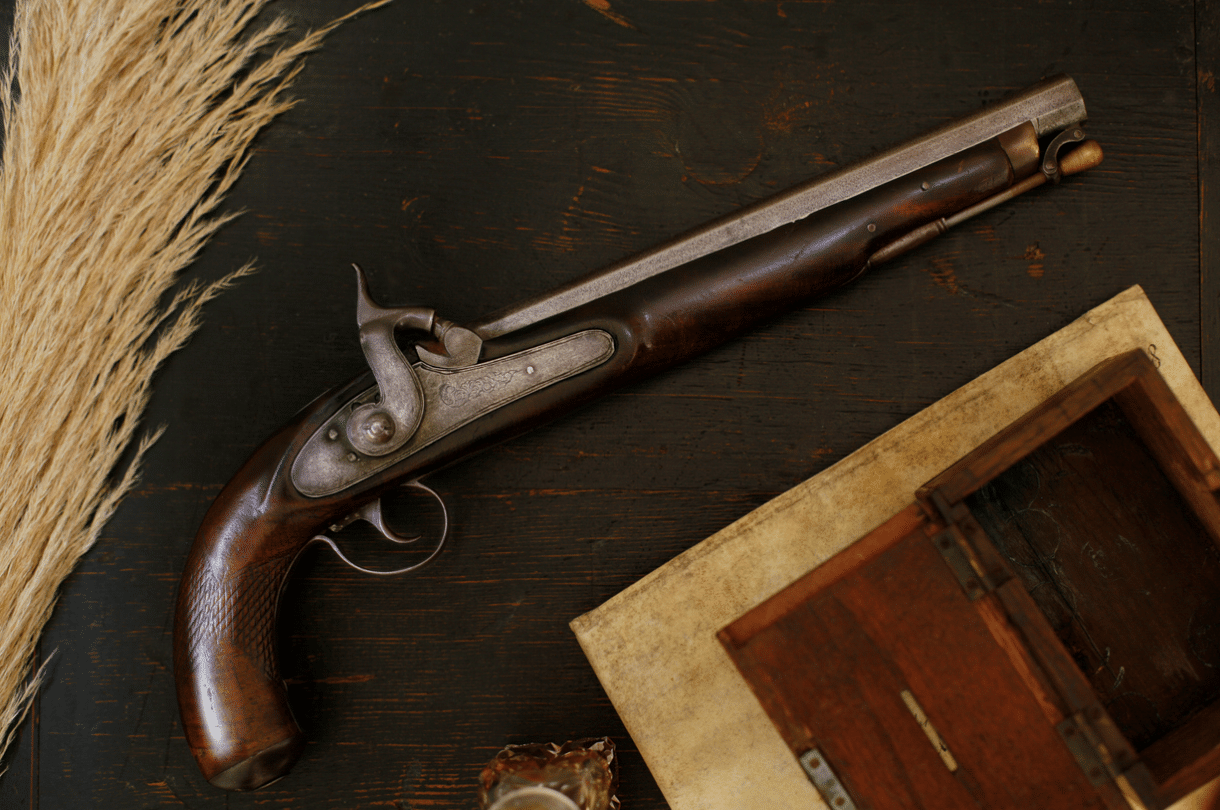
The surprisingly lucrative world of vintage firearms
Your grandfather’s old service pistol from the war, carefully wrapped in cloth and stored with reverence, might have seemed like mere family memorabilia. More central to this article, that piece could be worth far more than anyone realized at the time.
The most expensive vintage gun ever auctioned, a single-action army Colt revolver owned by Pat Garrett, which was used to kill the outlaw Billy the Kid, sold for $6.03 million in 2021. While not every historical firearm will reach such astronomical heights, the vintage gun market has quietly become one of the most intriguing alternative investment sectors for those who appreciate both history and financial growth.
Historical firearms collecting isn’t just about nostalgia, though there’s plenty of that for those who grew up watching Westerns and war movies. It’s about recognizing that these pieces of American and world history can serve as tangible assets that often outperform traditional investments. The value of a historical firearm depends on several key factors: rarity, condition, provenance, and historical significance. When these elements align, the appreciation potential can be remarkable.
Disclaimer: Before considering any firearm investment, thorough research into local and federal regulations is essential. Market fluctuations can affect values, and proper legal compliance is non-negotiable.

Condition: The make-or-break factor
Historical firearms are like vintage cars when it comes to condition. Original condition is king. Collectors prize firearms with original finish, matching serial numbers, and minimal modifications. A gun that’s been “bubba’d” by amateur gunsmiths loses significant value, while one maintained in factory condition commands premium prices. Even minor alterations can dramatically reduce a firearm’s worth, making authenticity verification crucial for serious investors.
Rarity: The economics of scarcity
Limited production runs, discontinued models, and unique features drive demand among collectors. The fewer examples that exist, the higher the potential value becomes over time. Sometimes, manufacturing errors that would have been considered defects at the time become highly sought-after rarities today. Investment-grade guns often fall into this category, where scarcity meets historical importance to create exceptional value appreciation.

Historical significance: Stories that sell
Firearms connected to major conflicts, famous battles, or notable individuals carry premium valuations that continue growing as time passes. Military surplus weapons from World War II continue to appreciate as those who served pass away and families seek to preserve their legacy through collectors who understand their importance. Each gun becomes a tangible link to pivotal moments in history, making them irreplaceable artifacts rather than mere collectibles.
Provenance: The paper trail that pays
Proven ownership history and historical context can multiply a firearm’s value exponentially beyond its basic worth. A rifle with clear military service records or celebrity ownership documentation becomes far more valuable than identical models without such pedigree. Authentication paperwork, military markings, and factory records transform ordinary firearms into documented pieces of history that institutional investors actively seek.
Brand prestige: Names that never fade
Certain manufacturers like Colt, Winchester, Smith & Wesson, and Browning have built reputations that transcend generations of collectors. These names represent quality craftsmanship that appeals to collectors who remember when “they don’t make them like they used to” was more than just a saying. The brand recognition alone can maintain value during market downturns, making prestigious manufacturers safer investment choices for conservative portfolios.
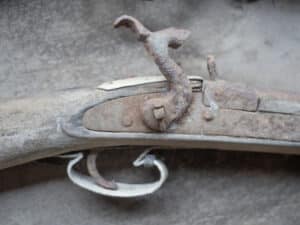
Market trends: Riding the waves of demand
Understanding current collector interests and emerging niches helps identify tomorrow’s valuable pieces before prices climb. Military surplus from recent conflicts may not seem valuable today, but it could appreciate significantly in the coming decades. Successful collectors study the top guns of institutional investing to understand which categories attract serious money and long-term appreciation.
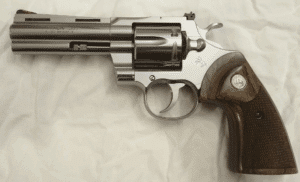
Colt Python (Pre-2005 models)
These revolvers represent the pinnacle of American craftsmanship from an era when attention to detail meant everything. Their distinctive ventilated rib and premium finish make them instantly recognizable to collectors who remember when quality was paramount over cost-cutting measures. The Python’s reputation for accuracy and smooth action has made it a favorite among both shooters and collectors, with pristine examples commanding prices that would have seemed impossible just decades ago.
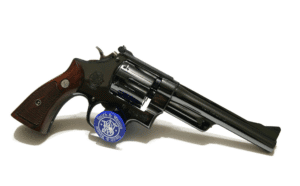
Smith & Wesson Registered Magnum
These custom-order rarities from the 1930s came with detailed documentation that makes provenance verification straightforward for today’s collectors. Each gun was individually registered with the factory, creating a built-in authentication system that collectors love and trust. Only about 5,500 were ever made, and finding one with its original paperwork intact can mean the difference between a good investment and an exceptional one.
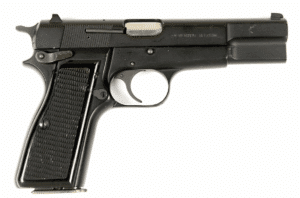
Browning Hi-Power (Belgian-made)
Widely used by military forces worldwide, these pistols bridge the gap between sporting and military collecting in ways that few handguns can match. Their association with both Allied and Axis forces during World War II adds layers of historical appeal that collectors find irresistible. The Hi-Power’s influence on modern pistol design makes it not just a collectible but a significant milestone in firearms development history that serious collectors recognize.
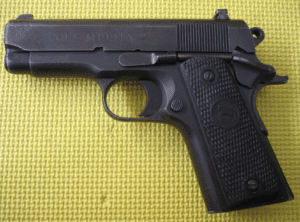
Vintage Military Pistols (M1911, Luger)
These represent the golden age of military sidearms, when each nation’s pistol reflected its engineering philosophy and manufacturing capabilities. For baby boomers who grew up with war movies featuring these iconic weapons, they hold particular emotional appeal beyond their investment potential. Original examples with proper military markings and documented service histories command the highest prices, especially when they retain their wartime character and appeal to dedicated investors.

Winchester Model 70 (Pre-1964)
Known as “The Rifleman’s Rifle,” these represent American manufacturing excellence before corporate cost-cutting changed everything about quality control. That $40 1903 Springfield being sold in 1966 has an equivalent 2024 price of $390.40, yet “shooter grade” examples are selling for about $1,200 today. This demonstrates how vintage rifles consistently outpace inflation when collectors recognize their historical and practical significance in investment portfolios.
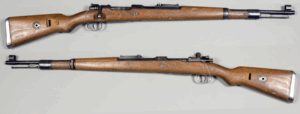
Mauser K98k Rifles (WWII-Era German)
These rugged, historically significant wartime rifles appeal to military history enthusiasts who appreciate German engineering excellence at its finest. Their role in defining an era makes them perpetually valuable to collectors who understand the technological innovations they represented. Original examples with matching numbers and proper markings continue to appreciate as fewer untouched specimens remain available in the marketplace, making them attractive to professional collectors.
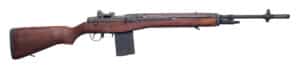
M1 Garand Rifles
Despite being relatively standard compared to other collectibles, their historical importance as “the rifle that won the war” drives sustained collector interest across generations. These represent American industrial might and the Greatest Generation’s defining moment in ways that resonate with collectors who lived through that era. Investment guns like the Garand benefit from both historical significance and the emotional connections they forge with collectors.
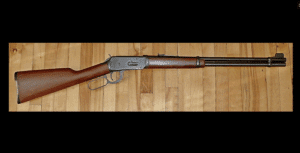
Vintage Lever Action Rifles (Winchester Model 1894, Henry Rifle)
These iconic firearms from the American frontier era capture the romance of the Old West that captivated generations through movies and television shows. The Model 1894 alone has seen over seven million produced, yet early examples with specific features or documented histories command premium prices. Their association with legendary figures like Buffalo Bill Cody and their role in settling the American West gives them a mystique that transcends their mechanical specifications and attracts serious investors.
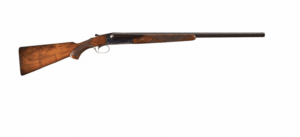
Winchester Model 21 (Post-WWII Skeet models, Grand American)
These represent the golden age of American sporting shotguns, when quality craftsmanship met innovative design without compromise. Their association with competitive shooting sports adds another layer of collectibility that appeals to both gun enthusiasts and sporting history buffs. Production numbers were relatively limited, and finding examples in original condition with their fitted cases intact makes them increasingly valuable investments that appeal to discerning collectors.
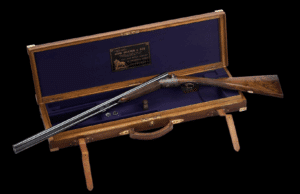
Classic Sporting Shotguns (John Dickson & Son, L.C. Smith)
These European and American makers represent the pinnacle of gunmaking artistry, appealing to collectors who appreciate fine craftsmanship and elegant design above mass production. The hand-fitting and individual attention these guns received makes each one unique, even within the same model designation. Their value lies not just in their shooting capabilities but in their status as functional works of art from master craftsmen that institutional buyers increasingly recognize.

Vintage Military Shotguns (Remington Model 870 Wingmaster from the Vietnam War era)
Military shotguns with specific historical significance offer entry points for collectors interested in modern military history without the premium prices of older weapons. These workhorses saw actual combat use and represent the evolution of military thinking about close-quarters combat weapons. Documentation of military service or specific unit assignment can significantly increase their collectible value beyond standard civilian models, making them attractive options for new investors.

Antique Guns (Pre-1898 firearms like Colonial era flintlocks)
These pieces of early American history require no federal licensing and appeal to collectors fascinated by the nation’s founding era and its technological development. Their rarity, historical significance, and condition determine value, with well-preserved examples commanding substantial premiums that reflect their age and scarcity. Finding an original flintlock musket with documented Revolutionary War service can represent the ultimate combination of historical significance and investment potential that sophisticated collectors actively pursue.

Research and expertise: Knowledge is profit
Success in firearm collecting requires deep knowledge of specific models, manufacturers, and market trends that go far beyond casual interest. This isn’t a passive investment like stocks or bonds, where you can rely on professional management. Understanding production variations, factory records, and historical context directly impacts profitability and helps avoid costly mistakes that novice collectors often make when entering the investment gun market.
Authentication and verification: Trust but verify
Ensuring legitimacy and condition through expert consultation prevents costly mistakes that can destroy years of careful collecting. Reproduction firearms and modified originals can fool casual observers, making professional authentication essential for significant purchases that involve substantial money. The investment in expert opinion often pays for itself by avoiding forgeries and misrepresented items that plague the vintage gun market, as detailed in comprehensive investment guides.
Storage and preservation: Protecting your investment
Proper climate-controlled storage prevents deterioration that could destroy decades of appreciation in a matter of months. Historical firearms are particularly sensitive to humidity and temperature fluctuations, making professional-grade storage essential for serious collectors who want to maintain value. Rust, pitting, and wood damage from improper storage can turn valuable collectibles into expensive paperweights, undermining the careful selection process that investment-grade firearms require.
Long-term vs. short-term investment philosophy
Antique and vintage firearms generally offer better long-term potential than short-term flipping opportunities that attract day traders. Like fine wine or art, these pieces appreciate as they become rarer and historical perspective increases their significance over time. Collectors who buy quality pieces and hold them for decades typically see the best returns on their investment, following strategies outlined by professional advisors.

Understanding regulations: Staying legal
Awareness of local and federal laws regarding firearm ownership, transfers, and sales is crucial for anyone considering this investment category. Regulations vary significantly by state and can affect both acquisition and resale opportunities in ways that other collectibles don’t face. Proper compliance protects both your investment and legal standing while ensuring you can actually sell when the time comes, a consideration that serious gun investors must always keep in mind.

Networking with collectors and dealers: Community connections
Engaging with the collecting community provides access to rare pieces, market intelligence, and selling opportunities that never make it to public auctions. Gun shows, collector organizations, and online forums create networks that often produce the best investment opportunities before they reach the broader market. Building relationships with reputable dealers and experienced collectors can provide inside knowledge about upcoming sales and market trends that benefit serious collectors looking for exceptional pieces.
Conclusion
Historical firearm collecting offers a unique blend of tangible assets, historical preservation, and potential financial returns that few other investment categories can match. For Americans who grew up respecting both history and craftsmanship, these investments provide satisfaction beyond mere profit calculations and portfolio diversification. The key factors of condition, rarity, historical significance, provenance, brand prestige, and market trends create a framework for intelligent collecting decisions that institutional investors increasingly recognize.
Success requires education, research, and responsible ownership rather than quick profits and speculation. This business is about the relatively long-term appreciation of pieces that represent significant moments in history and human ingenuity. The most successful collectors balance financial goals with genuine appreciation for the history, craftsmanship, and cultural significance of historical firearms, following proven strategies from investment specialists.
Whether you’re drawn to the elegance of a pre-war Colt Python, the historical significance of a World War II Garand, or the frontier romance of a lever-action Winchester, historical firearms offer investment opportunities that connect us with the past while building wealth for the future. In a world of digital assets and paper investments, these tangible pieces of history remind us that sometimes the best investments are ones you can hold in your hands and pass down to future generations, as recognized by experts in alternative investments.
Related:
Like MediaFeed’s content? Be sure to follow us.
This article was syndicated by MediaFeed.org.