12 home equity tips Boomers might want to know before retiring
Home equity has become something of a quiet crisis in reverse. Baby Boomers are sitting on more of it than any generation in American history. As a matter of fact, Bankrate reports that U.S. homeowners collectively hold nearly $35 trillion as of late 2024, and yet a substantial number of them have no coherent plan for how to use it. The asset is there. The strategy is not, in many cases. And the difference between having one and not tends to show up somewhere around year three of retirement, when the math starts getting uncomfortable.
Vanguard found that only about 40% of Boomers nearing retirement are expected to maintain their pre-retirement lifestyle without touching home equity. Bankrate’s 2024 Retirement Savings Survey confirms that more than half of working Americans feel behind on savings.
Twelve things worth knowing before making any decisions.

1. Your home is probably your largest asset
For most Boomers, the house is the single biggest line on the balance sheet. Bankrate notes the average tappable equity per homeowner entering 2025 was $203,000. That is not a rounding error. It deserves the same strategic attention as any other asset of that size.

2. Equity is not the same as liquidity
You can own $400,000 in home equity and be unable to pay a $6,000 medical bill without selling or borrowing. Equity only becomes useful when converted into cash. Bankrate covers the four main conversion paths. The path matters as much as the number.

3. Downsizing earlier is almost always better than later
Transaction costs, capital gains considerations, and the physical demands of moving all get harder with time. Bankrate documents how selling and investing proceeds can meaningfully close retirement income gaps for Boomers in the lower half of the income distribution. The emotional case for staying is real. So is the financial case for leaving before 75.

4. A HELOC is not free money
It is a line of credit secured by your home, currently at around 8.25% interest. Bankrate notes HELOCs can be strategically useful but they are debt, not income. The home is the collateral. That fact is worth sitting with before drawing anything down.
5. The reverse mortgage stigma is not entirely deserved
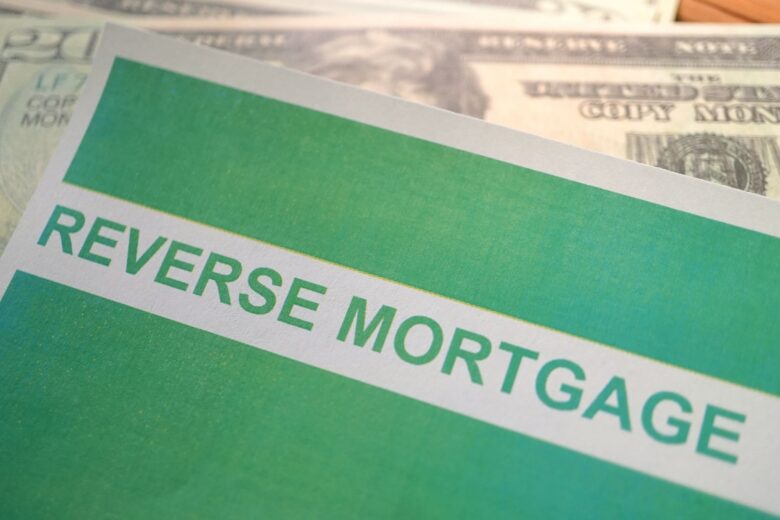
It has been significantly reformed. The HECM product now requires independent counseling, non-recourse protections, and allows spouses to remain after the borrowing spouse dies. Bankrate covers the mechanics thoroughly. Vanguard identifies it as a legitimate tool for Boomers with large equity but limited liquid savings. Not right for everyone. Not the trap it used to be.

6. Aging in place has real costs equity can cover
Grab bars, ramps, wider doorways, and first-floor bathroom conversions. Bankrate identifies home equity products as the primary financing mechanism for seniors who want to modify homes and stay in them. Using equity for this purpose is not a waste. It is one of the most direct applications of the asset.

7. Capital gains on home sale have a valuable exemption
The IRS allows individuals to exclude up to $250,000 in gains from the sale of a primary residence ($500,000 for married couples filing jointly). Bankrate flags this as one of the most underused provisions for retiring homeowners. Many Boomers who bought in the 1980s have gains approaching or exceeding this threshold. Know the number before signing anything.

8. Renting the home is an option more Boomers should price out
Downsizing to a smaller place and renting the larger home generates passive income without liquidating the asset. Vanguard notes that accessing home equity does not always mean selling. In high-appreciation markets, holding and renting can make more financial sense than selling outright.

9. Equity can delay Social Security draws strategically
Benefits increase roughly 8% per year between 62 and 70. Bankrate and Vanguard both identify home equity as a bridge asset that funds early retirement years while Social Security builds toward a higher payout. Used this way, equity is not a last resort. It is a sequencing tool.

10. Property tax exemptions for seniors are underused
Many states offer property tax freezes or exemptions for homeowners over 65. They are not automatically applied; they require filing. Bankrate notes that property taxes are a fixed cost that predictably erodes retirement income. Worth investigating before the first fixed-income year, not after.

11. Home equity and Medicaid eligibility are connected
Medicaid, not Medicare, covers long-term care, and Medicaid has asset tests that can include home equity above certain thresholds. Vanguard identifies long-term care as one of the most significant financial risks Boomers face and one of the least planned for. Understanding the interaction before a care event is basic risk management.
12. The decision to tap equity is easier to make than to reverse
Once a HELOC is drawn, once a reverse mortgage is initiated, once the home is sold, those decisions compound. Bankrate notes that home equity decisions made reactively in retirement lead to worse outcomes than those made proactively. The asset is not going anywhere. The planning conversation is worth having before the math forces it.

The bottom line
Boomers are sitting on an enormous amount of wealth that most have not strategically incorporated into their retirement planning. The equity is real. The options are real. The time to think through them is before retirement, which makes the decisions more urgent and less deliberate.
Ask us! What questions do you have about content, strategy, pop culture, lifestyle, wellness, history or more? We may use your question in an upcoming article!
Related:
- 20 things wealthy people refuse to waste money on
- 20 Productivity Tech & AI Tools Perfect for Freelancers
Like MediaFeed’s content? Be sure to follow us.
This article was syndicated by MediaFeed.co.