
12 hidden vulnerabilities in houses that security experts always spot
Most people walk through their own house and see furniture, memories, and the spot where the dog likes to sleep. A security professional walks through the same house and sees something closer to a checklist of small failures, the kind nobody notices because they’re looking at the house, not really seeing it. SafeWise notes that over 20% of Americans have no security measures in place despite expressing great concern, and a lot of that gap comes down to simply not knowing what to look for.
The expert assessments come from SafeWise and Security.org.
The following are twelve of them.
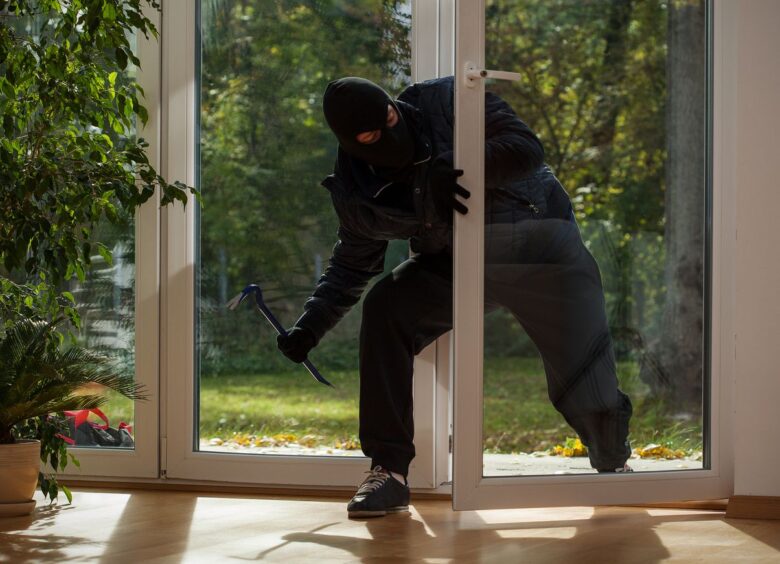
1. The sliding glass door with no secondary lock
Sliding doors are a favorite entry point because the factory lock is often easy to defeat. SafeWise recommends a simple dowel or window bar in the track as a low-tech fix, with a glass break sensor as the upgrade. Most homeowners never think about this door until something goes wrong with it.

2. The spare key in the obvious hiding spot
Under the mat, in a fake rock, on top of the door frame. Security.org notes burglars check these spots first precisely because everyone uses them. A lockbox with a combination, mounted somewhere less obvious, solves this for a few dollars.

3. Overgrown landscaping near ground-floor windows
Bushes that provide cover for someone trying to get into a window unnoticed also double as hiding spots. Security.org recommends trimming landscaping below window height, which removes both the cover and the temptation, and it’s one of those things that costs nothing and gets skipped anyway.

4. The garage door opener left in a visible car
A garage door opener sitting on the dashboard of a car parked in the driveway is, functionally, a spare key to the house, because most garages connect directly to the home’s interior. SafeWise recommends keeping openers out of sight or switching to a smartphone-based system entirely.

5. Mail and packages piling up during travel
An overflowing mailbox or a stack of packages on the porch is a visible signal that nobody’s home, and burglars notice. Security.org recommends suspending mail delivery or having a trusted neighbor collect it daily, which removes the signal entirely.

6. The Wi-Fi network with the default password
Smart locks, cameras, and doorbells are only as secure as the network they’re on. SafeWise flags a default router password as one of the most common vulnerabilities in any connected home, and changing it takes about five minutes.
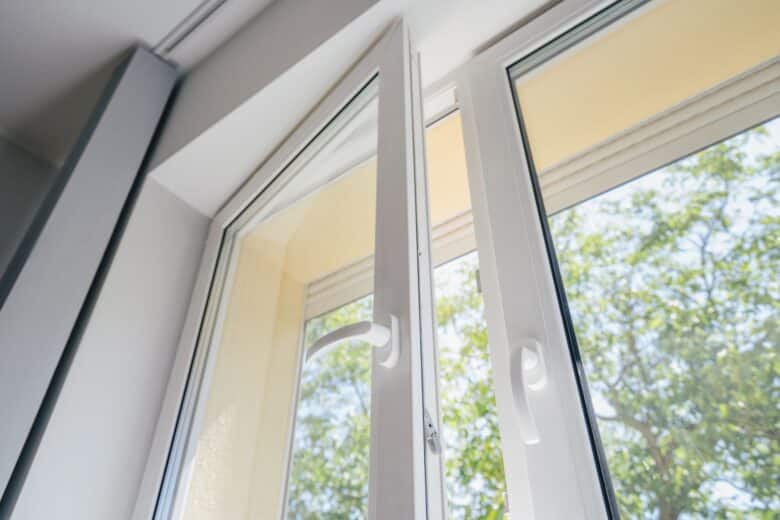
7. Windows left unlocked on upper floors
People lock the ground floor and assume height is its own security. SafeWise notes this isn’t true, particularly near trees, fences, or porch roofs that provide easy access. Every window in the house, regardless of floor, should lock.

8. The security camera that isn’t actually monitored
A camera that records but nobody watches and doesn’t alert anyone in real time provides evidence only after the fact, not before. SafeWise notes that monitored systems, in which a person or service responds to an alert, meaningfully change outcomes compared with passive recording.
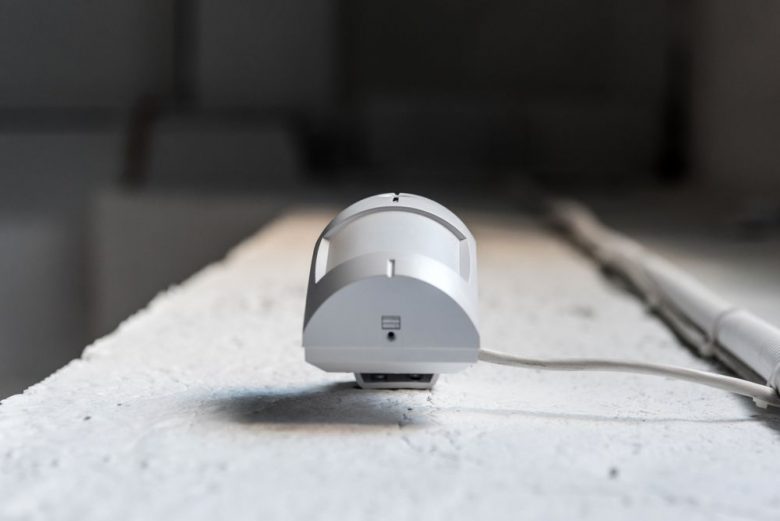
9. The alarm system that’s never armed
A security system that exists but isn’t used regularly provides exactly the protection of no system at all, with the added cost of having paid for one. SafeWise walks through arming routines for exactly this reason. Consistency is the entire value proposition.
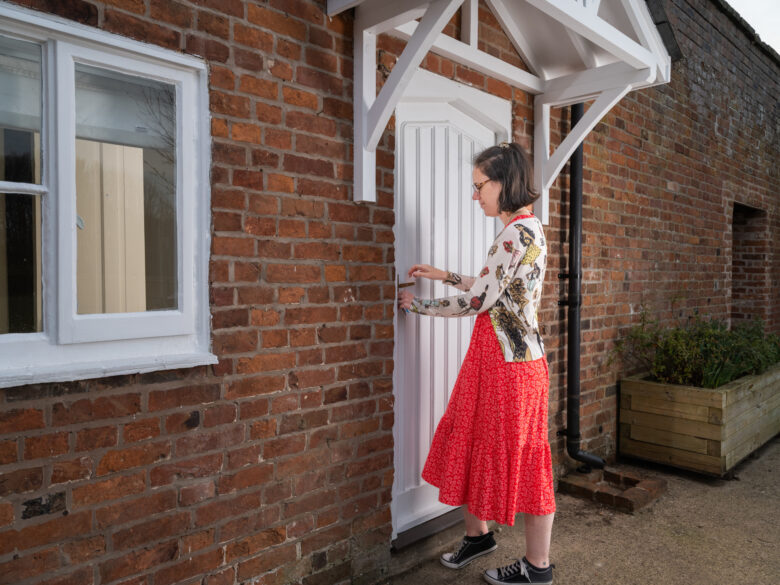
10. The front door with a weak strike plate
The deadbolt can be excellent and the door can still fail if the strike plate, the metal piece in the frame that the bolt extends into, is held by short screws into thin wood. SafeWise recommends upgrading to a reinforced strike plate with three-inch screws that reach the stud behind the frame.

11. The home that broadcasts a vacation on social media
Posting vacation photos in real time tells a wide audience, including people outside your trusted circle, that the house is empty right now. Security.org advises saving the posts for after the return, which costs nothing but a little patience.

12. The lack of a documented home inventory
If a burglary happens, proving what was taken to an insurance company is significantly easier with a documented inventory, photos, serial numbers, and receipts. Security.org notes this is one of the most commonly skipped steps and one of the most consequential after the fact.

The bottom line
None of these twelve things requires a security degree to fix. What they require is the kind of attention a stranger walking through your house for the first time would naturally have, and that you, having lived there for years, naturally don’t.
Ask us! What questions do you have about content, strategy, pop culture, lifestyle, wellness, history or more? We may use your question in an upcoming article!
Related:
- 10 hidden signs burglars are about to rob your house
- Simple habits that make your home a hard target
Like MediaFeed’s content? Be sure to follow