
12 everyday dangers our parents never warned us about in the ’70s and ’80s
Growing up in the ’70s and ’80s meant riding bikes bareheaded, playing outside until dark, and snacking on brightly colored candy without a second thought. These decades of freedom came with hidden risks that most parents didn’t know existed.

Lead paint lurked in every room
Most homes built before 1960 contained heavily leaded paint, and as late as 1978, lead paint was still legal. Deteriorating paint created toxic dust and chips that children could easily ingest, with lead exposure causing developmental issues and learning disabilities that affected millions of kids without anyone realizing the source.
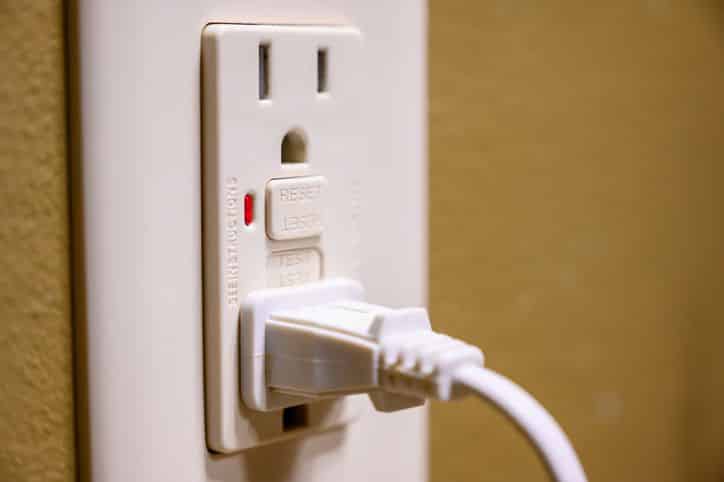
Electrical hazards threatened every outlet
Homes wired before 1970 lacked grounding wires entirely, creating profound shock and fire risks that many families never considered. Extension cords overheated from constant use, and overloaded outlets sparked fires because few parents understood these common household dangers.

Plastic toys had dangerous small parts
The small parts ban for children’s products didn’t take effect until 1980, after a study found more than 50 children under three had died in accidents involving tiny toy components. Before regulations required choking hazard warnings, countless toys marketed to toddlers contained detachable pieces small enough to lodge in a child’s throat.

Nobody wore bike helmets
The modern bicycle helmet wasn’t introduced until 1975, and states didn’t begin passing helmet legislation until the late 1980s. By 1980, nearly 1,000 cyclists were killed annually, with half a million visiting emergency rooms, yet helmet use remained virtually nonexistent among children throughout both decades.

Kids played unsupervised everywhere
Research from one Vermont community showed children in the 1970s roamed freely across neighborhoods, traveling blocks without permission. Today’s crime rates are actually lower than the ’70s and ’80s, but back then, parents trusted neighborhoods more than current safety data would support.

Homemade playground equipment was treacherous
Metal slides under the summer sun caused burns, jungle gyms stood on concrete, and DIY tree swings hung from questionable branches. Playgrounds in the 1970s and 1980s began addressing safety concerns, but many dangerous structures with sharp edges and hard surfaces remained common through both decades.

Candy packed with artificial dyes
Food dye consumption increased more than fivefold between 1950 and 2012, with the surge in the ’70s and ’80s raising significant health concerns. Studies in the 1970s first linked artificial colors to hyperactivity in children, yet brightly dyed candy and cereal remained staples without warning labels.

Raw cookie dough seemed harmless
Parents regularly let kids lick the spoon without knowing that raw flour can harbor dangerous E. coli bacteria, and raw eggs could contain Salmonella. The first major foodborne outbreak linked to cookie dough didn’t occur until 2009, so warnings about these risks didn’t exist in the ’70s and ’80s.

Secondhand smoke-filled homes
Surveys from the 1980s and 1990s found that about half of all children lived where at least one person smoked indoors. Exposure to secondhand smoke causes respiratory infections, ear infections, and asthma attacks in children, with nearly 34,000 premature deaths annually from heart disease among exposed adults.

Car seats were optional
Tennessee passed the first child restraint law in 1979, but all 50 states didn’t require car seats until 1986. Before laws existed, most parents held babies in their laps or let children ride unrestrained, with 1975 seeing more than 3,600 child traffic deaths compared to 939 in 2017.

Reflective gear didn’t exist
Children walking or biking at dusk wore dark clothing without any high-visibility materials or reflective strips. Limited streetlights combined with no safety equipment made kids nearly invisible to drivers during evening hours, when many accidents occurred.

Swimming without lifeguards was common
Many public pools and most natural swimming areas lacked trained lifeguards throughout the ’70s and ’80s. The chance of drowning at a beach without lifeguard protection is almost five times greater than at supervised beaches, yet supervision remained inconsistent at public swimming facilities.

Wrapping up
These everyday hazards from the ’70s and ’80s remind us how far safety standards have evolved. While many of us made it through unscathed, modern protections have dramatically reduced the number of preventable accidents and saved countless lives.
Related:
- Holiday habits from the ’70s that would wreck your well-being today
- Things boomers grew up doing that Gen Z would never believe
Like MediaFeed’s content? Be sure to follow us.
This article was syndicated by MediaFeed.org.