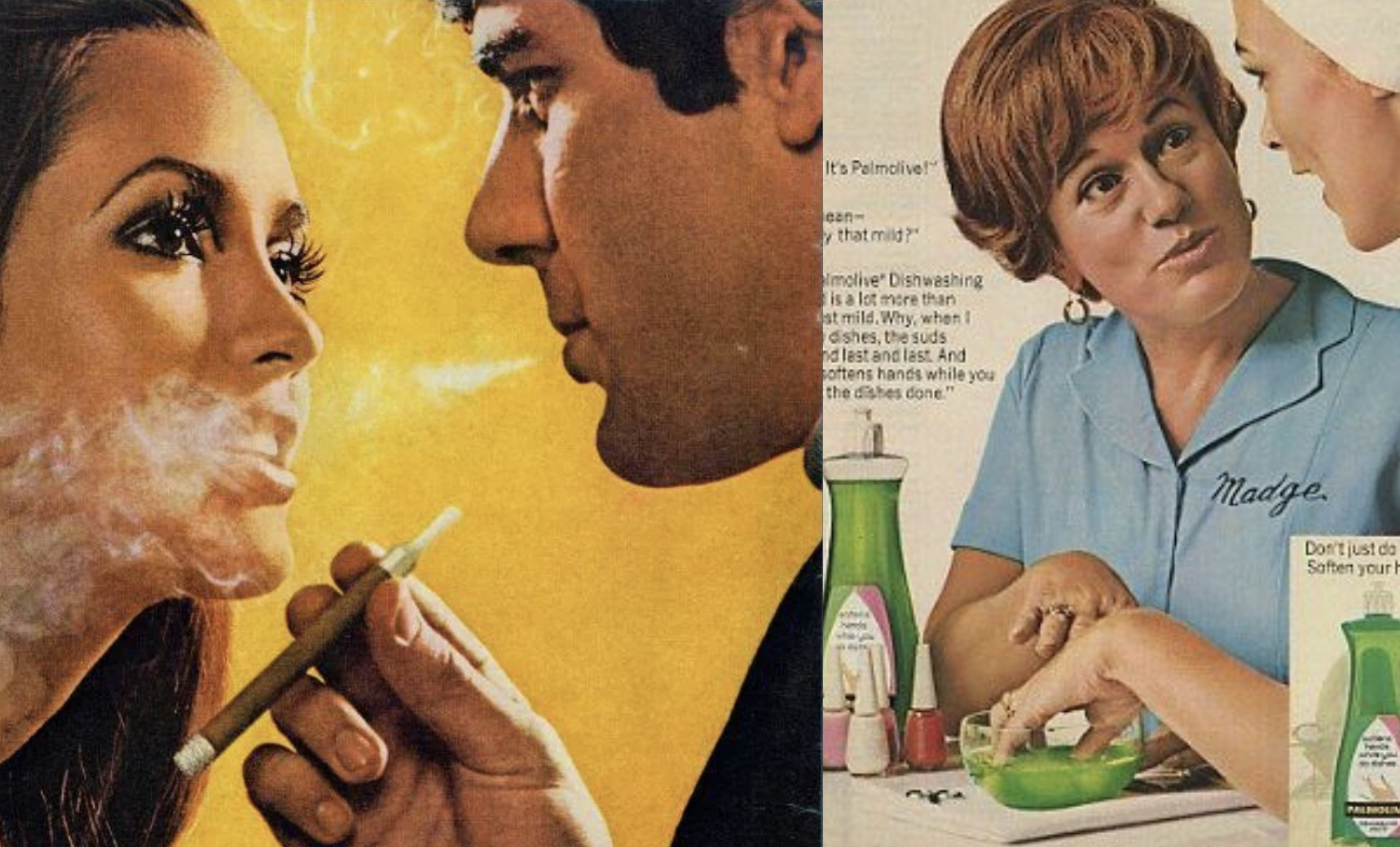
11 vintage ads that would be banned today
Advertising has always been a mirror, and sometimes what it reflects is genuinely ugly. The ads that ran without comment in the mid-twentieth century captured a world where doctors endorsed cigarettes, women existed to serve men, and dangerous products wore cheerful taglines. Standards changed because people demanded better.
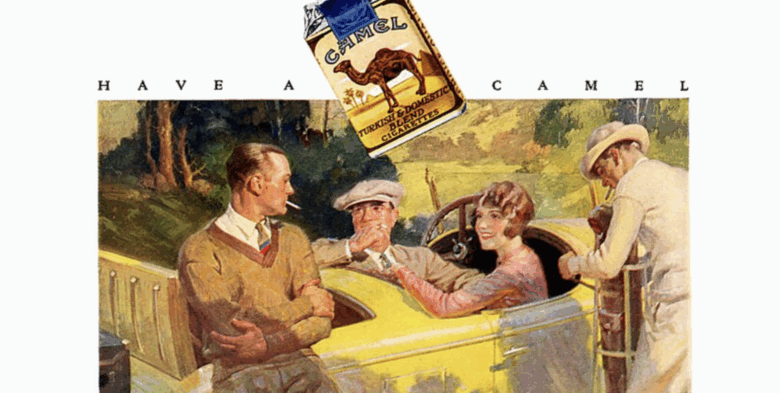
“More doctors smoke Camels”
R.J. Reynolds spent years claiming doctors preferred Camels over every other cigarette. The campaign ran through the late 1940s and into the 1950s, borrowing the authority of medicine to normalize addiction. It was false advertising packaged as a health endorsement from the most trusted professionals in American life.
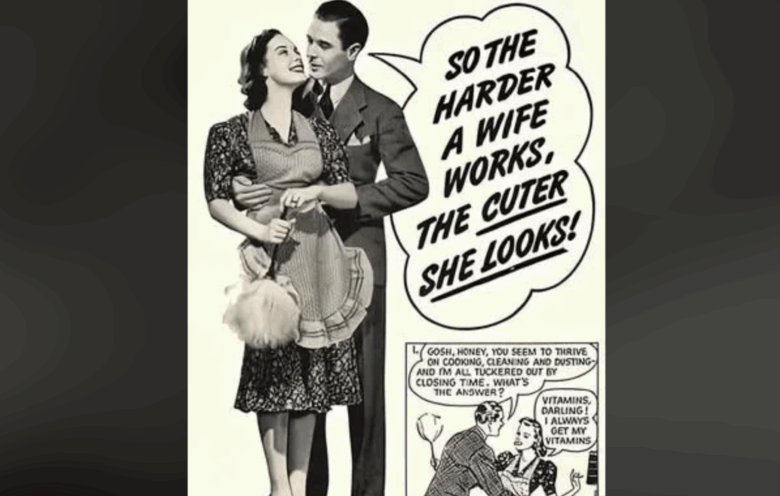
Kellogg’s and the hardworking wife
The slogan read: the harder a wife works, the cuter she looks. It sold breakfast cereal. It treated domestic labor as a woman’s natural condition and attractiveness as her reward for performing it well. The ad ran in major publications without irony.
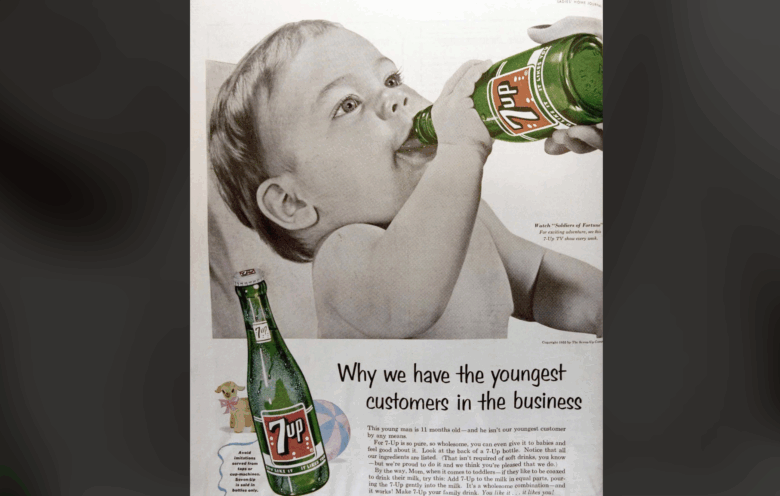
7-Up for babies
Advertisements from the 1950s genuinely encouraged mothers to mix 7-Up into infant formula. The copy described it as wholesome and fun. The American Academy of Pediatrics would have much to say about that today.
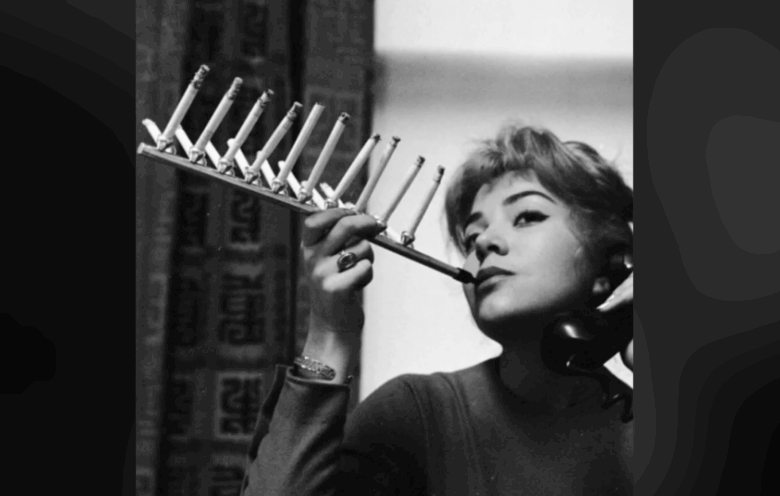
Tipalet cigarettes and consent
A man blows cigarette smoke directly into a woman’s face. Her expression is rapturous. The tagline: blow in her face, and she’ll follow you anywhere. The ad ran in the late 1960s and became one of the most cited examples of advertising treating consent as irrelevant.
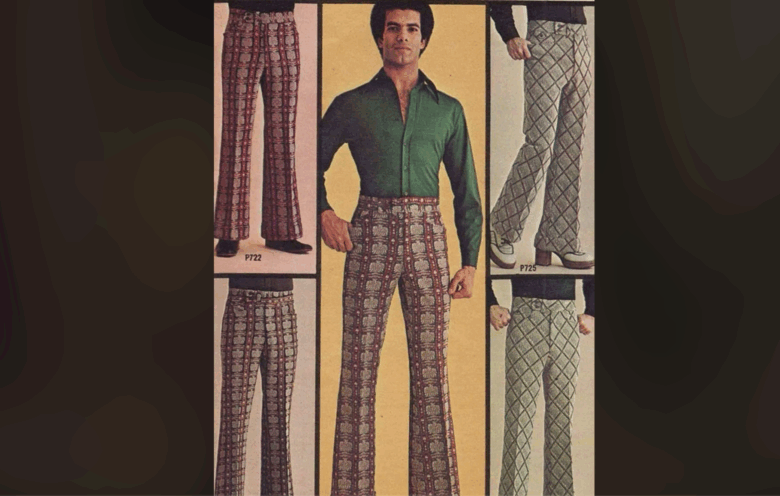
Van Heusen shirts
A man reclines in bed. A woman kneels beside him, holding a breakfast tray. The tagline read: show her it’s a man’s world. The campaign made marital inequality its entire selling point.

DDT: good for me
A 1947 advertisement celebrated DDT’s wide applications, from agricultural spraying to household use. The chemical was banned in the United States in 1972 after research linked it to cancer and serious environmental damage.
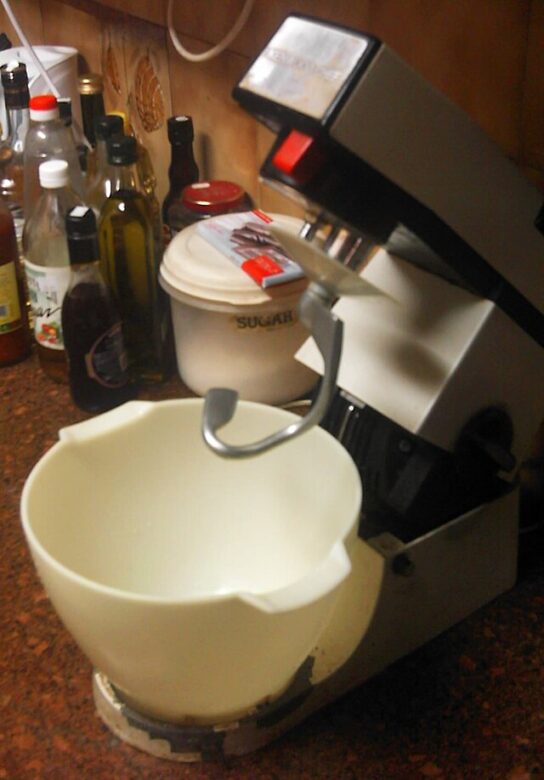
Kenwood Chef mixer
The British appliance brand ran an ad built around a single premise: this is her most important kitchen tool. The copy reduced its appeal entirely to a woman whose purpose is to serve her household.

Asbestos insulation
Multiple manufacturers ran confident advertisements for asbestos as a modern building miracle. Industry leaders suppressed evidence of its dangers for decades. The United States banned chrysotile asbestos in 2024, long after the harm was understood.

Sugar before meals
A 1969 campaign advised consumers to eat candy an hour before lunch to reduce appetite. The science was invented. The obesity crisis that followed was not. These sugar industry ads ran with no sponsoring company name attached.

Cigarettes for pregnant women
Several tobacco brands ran ads suggesting that smoking during pregnancy reduced stress. The connection between prenatal smoking and serious health consequences was already being studied when those campaigns ran.

Lead paint for children’s rooms
Paint manufacturers actively promoted lead-based products for nurseries and children’s furniture well after toxicologists had documented the dangers. The Consumer Product Safety Commission banned lead paint in 1977, but the advertising had run for decades before that.

Wrap up
These ads share more than bad taste. They reflect industries that knew, or should have known, the harm they were causing and kept right on selling. The regulations that stopped them came from sustained public pressure and evidence that could no longer be ignored.
Ask us! What questions do you have about content, strategy, pop culture, lifestyle, wellness, history or more? We may use your question in an upcoming article!
Related:
- Are We in a Local Advertising Renaissance?
- From Ferraris to Ray-Bans: The brands Miami Vice made iconic
Like MediaFeed’s content? Be sure to follow us.
This article was syndicated by MediaFeed.org.