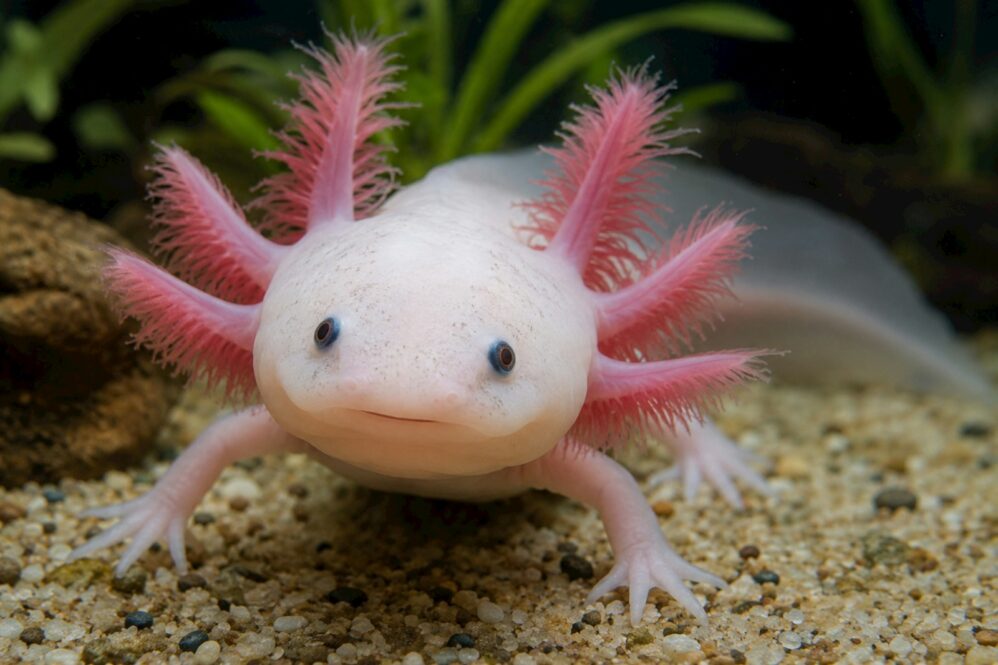
11 Fascinating Facts About the Enigmatic Axolotl
The axolotl, a creature with an unusual appearance and remarkable abilities, has captured the fascination of many. Known for its regenerative powers and juvenile appearance, this amphibian holds a special place in both science and culture. Its story is one of mythology, biology, and a struggle for survival.
From its mythical origins in Aztec culture to its present-day role in scientific research, the axolotl is a creature of many facets. Here are 11 fascinating facts about the enigmatic axolotl.
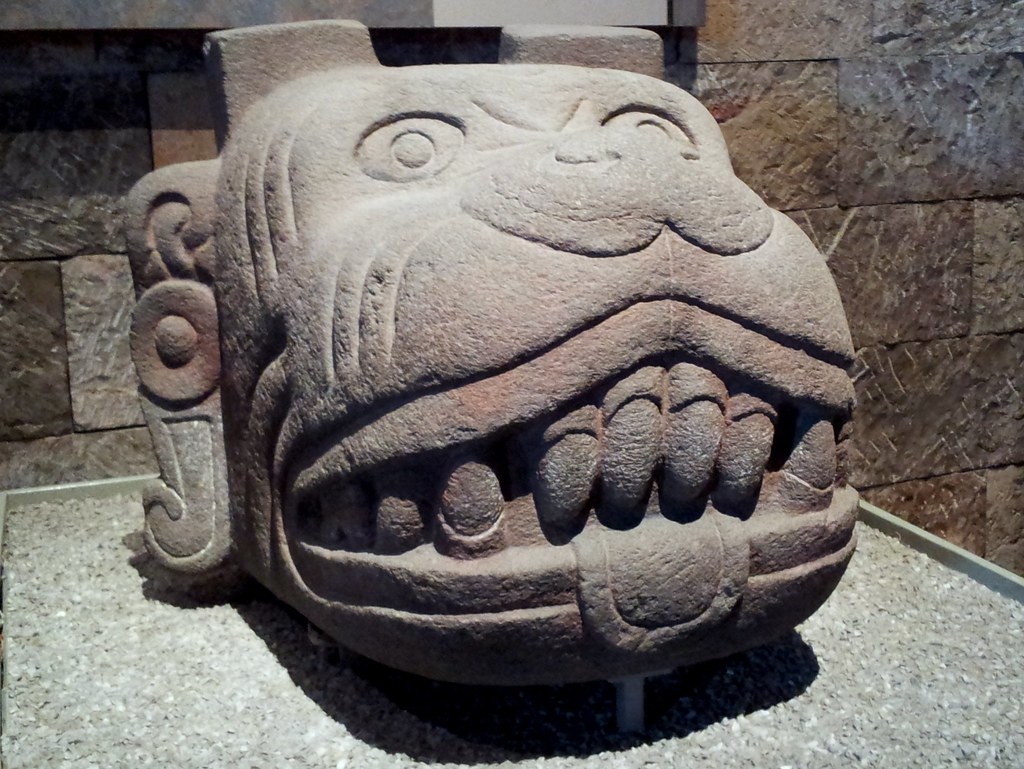
11. Mythical Origins in Aztec Culture
In Aztec mythology, the axolotl was associated with the god Xolotl, who transformed into this creature to escape sacrifice. It symbolizes transformation and duality.
This myth reflects the axolotl’s unique ability to regenerate and adapt, traits that have fascinated cultures and scientists alike for centuries.
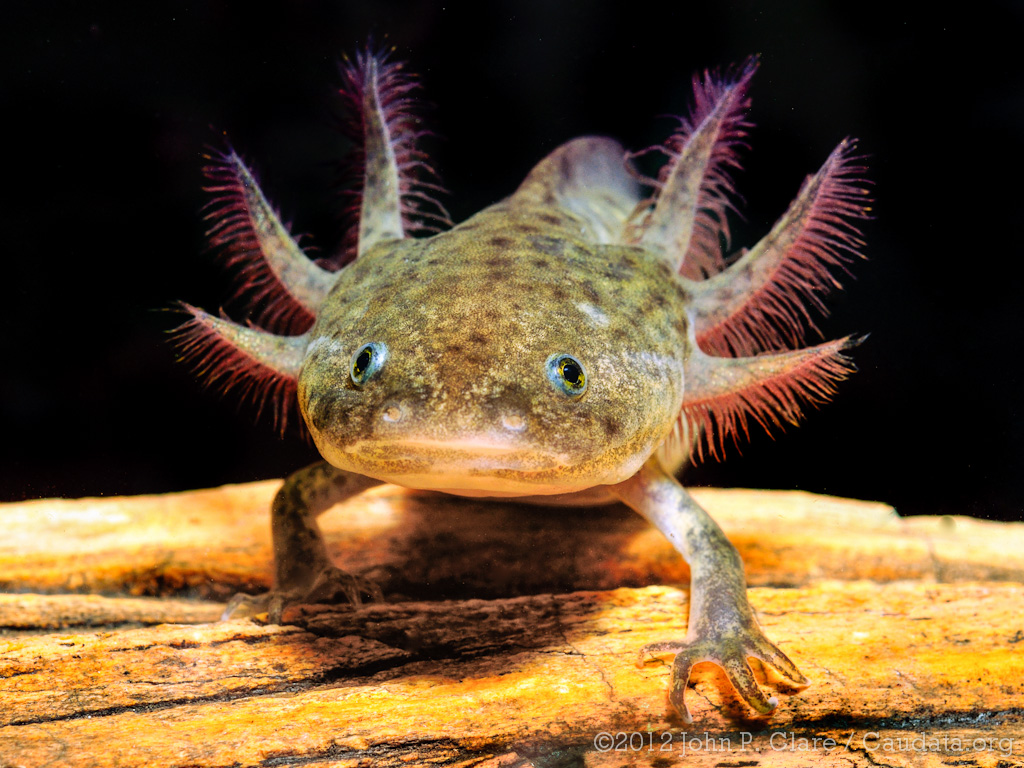
10. A Symbol of Transformation
The axolotl’s ability to regenerate lost body parts has made it a modern symbol of resilience and transformation. This regenerative power is among the most remarkable found in vertebrates.
While it thrives in controlled environments, the axolotl’s natural habitat faces challenges, highlighting a contrast between resilience and vulnerability.
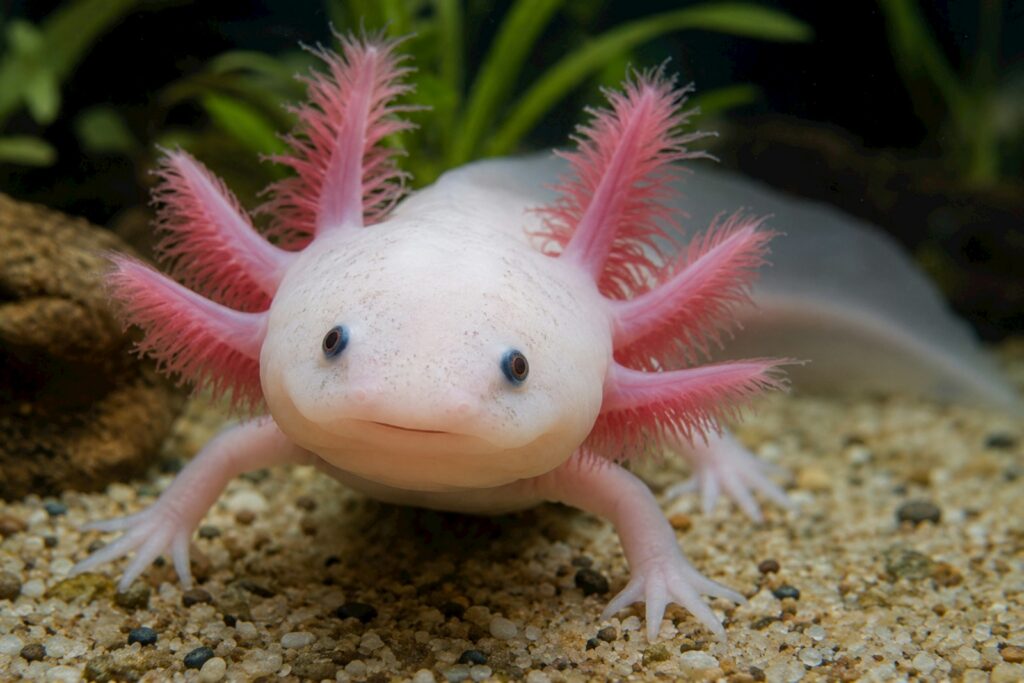
9. Unique Biological Traits
Axolotls are neotenic, meaning they retain juvenile features throughout their lives. This includes their gills and aquatic lifestyle.
Their genome is notably large, about 10 times the size of the human genome, which contributes to their value for studying development and regeneration.
8. Cultural Icon in Art and Literature
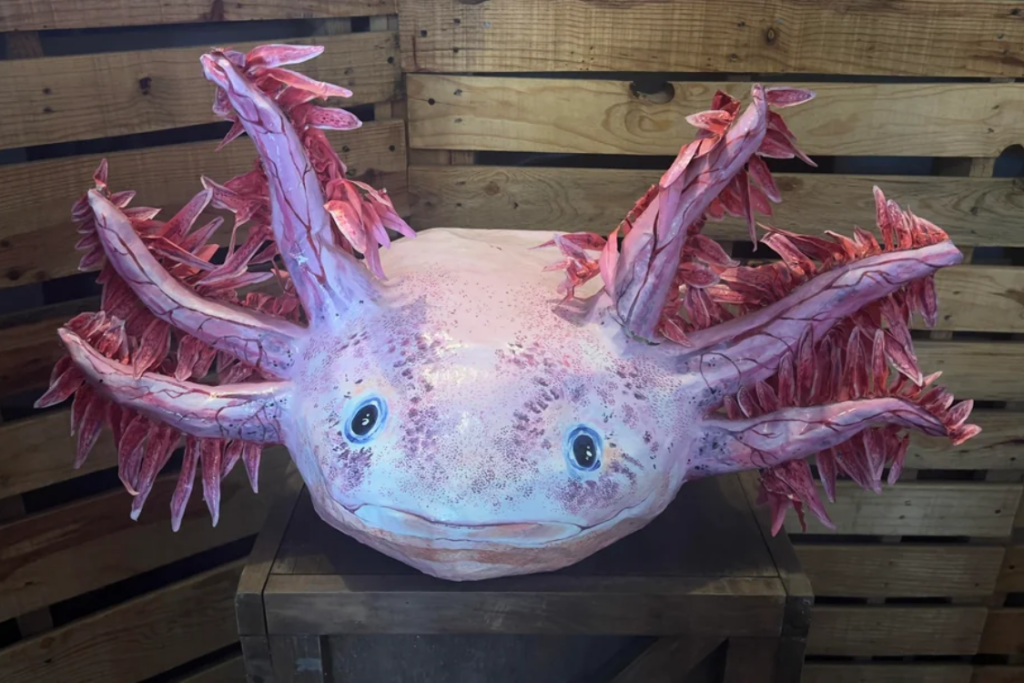
Axolotls have been featured in Mexican art and literature, including the works of Diego Rivera and Octavio Paz. They also symbolize Mexico’s complex history and identity.
Their presence in cultural works highlights their significance beyond biology, embodying themes of transformation and resilience.
7. A Model for Scientific Research
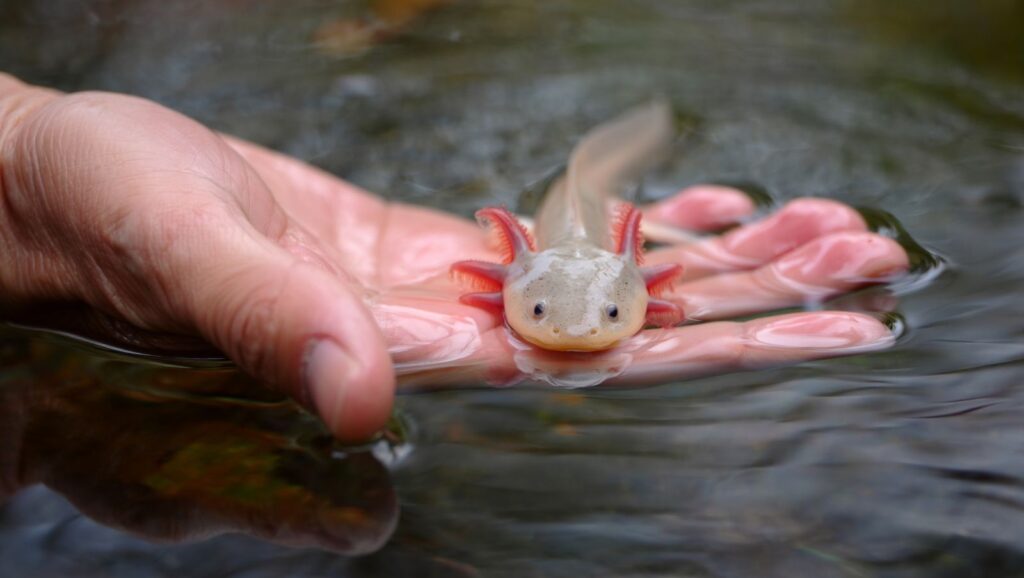
Axolotls are widely used in laboratories to study tissue regeneration and developmental biology. Their regenerative abilities make them invaluable to scientific advancements.
These studies could lead to breakthroughs in medicine, potentially providing insights into human tissue regeneration and healing.

6. The Threat of Extinction
In their natural habitat, axolotls face significant threats due to habitat destruction and pollution. Urban expansion in Mexico City has severely impacted their population.
Efforts are being made to conserve the remaining wild axolotls, but challenges remain in balancing urban growth with ecological preservation.
5. A Global Phenomenon
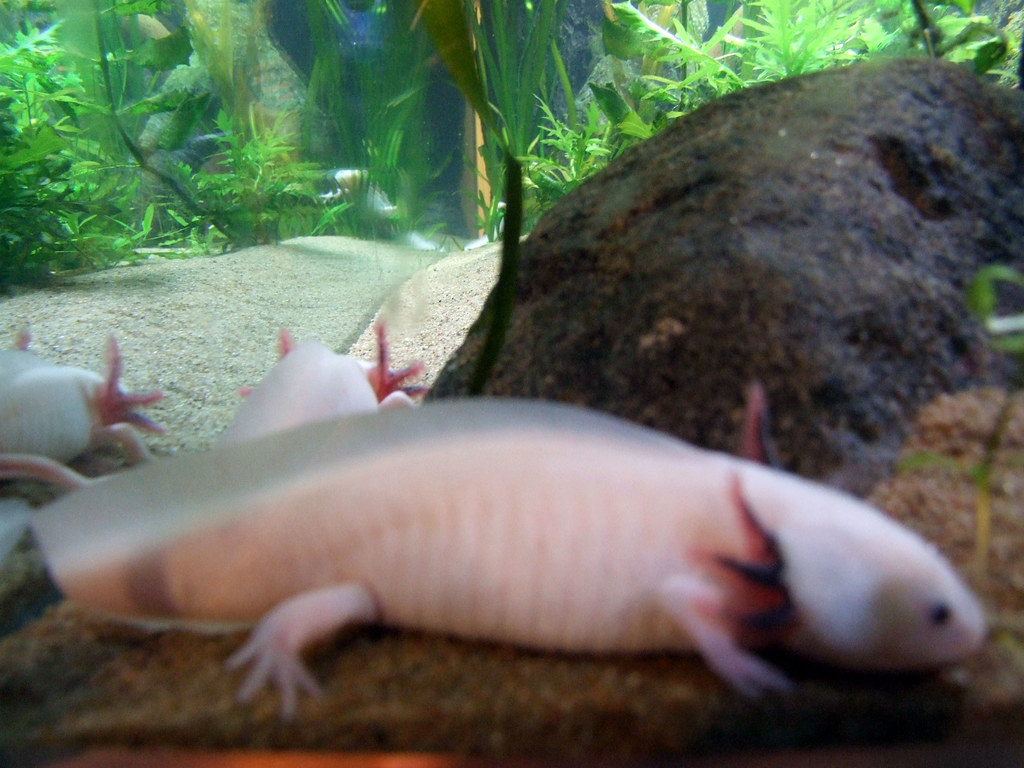
Axolotls have gained international popularity, particularly as pets and in media such as video games. Their unique appearance and abilities intrigue people worldwide.
This global fascination highlights the axolotl’s role as an ambassador for biodiversity and conservation efforts.

4. Conservation Efforts in Xochimilco
Xochimilco, a region in Mexico City, is crucial for the survival of the wild axolotl population. Conservationists are working to restore its canals and improve water quality.
These efforts aim to create a sustainable environment where axolotls can thrive, balancing human development with ecological needs.

3. The Role of Chinampas
Chinampas, or floating gardens, are traditional agricultural systems that support axolotl habitats. They help maintain water quality and provide a habitat for these creatures.
Reviving these ancient practices is seen as a way to support both local agriculture and the conservation of the axolotl population.

2. A Living Metaphor for Mexico
Axolotls have been used as metaphors for Mexico’s cultural and historical dynamics. Mexican sociologist Roger Bartra notably used the animal as a metaphor for the country and its identity.
This symbolism adds a layer of cultural significance to the axolotl, making it a poignant symbol within Mexican identity.

1. Future Prospects and Challenges
As axolotls continue to captivate the world, their future in the wild depends on successful conservation efforts and public awareness. Balancing their role in culture and science with ecological needs is crucial.
With ongoing research and conservation initiatives, there is hope that the axolotl will continue to thrive both in the wild and in the hearts of people worldwide.
Read More:
- 10 Signs You’re Feeding Your Pet Too Much
- 9 Ways Animals See Humans as Super-Predators
- 10 Little Moments When a Rescue Pet Realizes They’re Finally Home
Ask us! What questions do you have about content, strategy, pop culture, lifestyle, wellness, history or more? We may use your question in an upcoming article!
Like MediaFeed’s content? Be sure to follow us.
This article originally appeared on Resourcebuzz and was syndicated by MediaFeed.co.