10 Weird Ways the American Lawn Changed the Planet
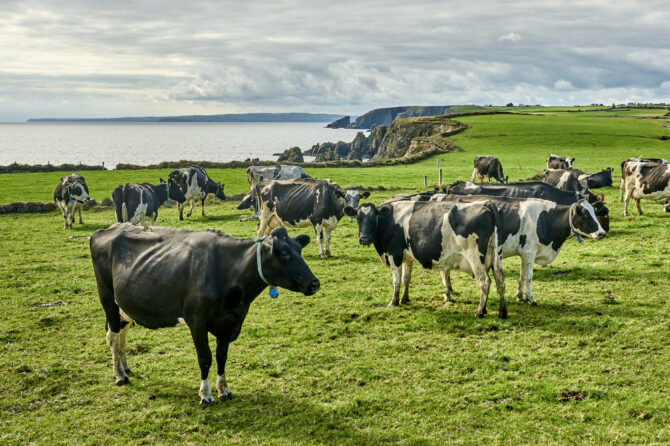
The American lawn is so familiar that it’s easy to forget how unusual it really is. Millions of acres of carefully maintained grass stretch across suburbs, parks, office complexes, and schools, creating one of the country’s most recognizable landscapes. Yet the perfectly manicured lawn isn’t a natural ecosystem. It’s a human invention that has reshaped neighborhoods, industries, and even the environment.
Over the past century, the pursuit of the perfect lawn has influenced everything from water use to wildlife habitat. Here are 10 surprising ways the American lawn has changed the world around us.
10. It Created One of America’s Largest “Crops”
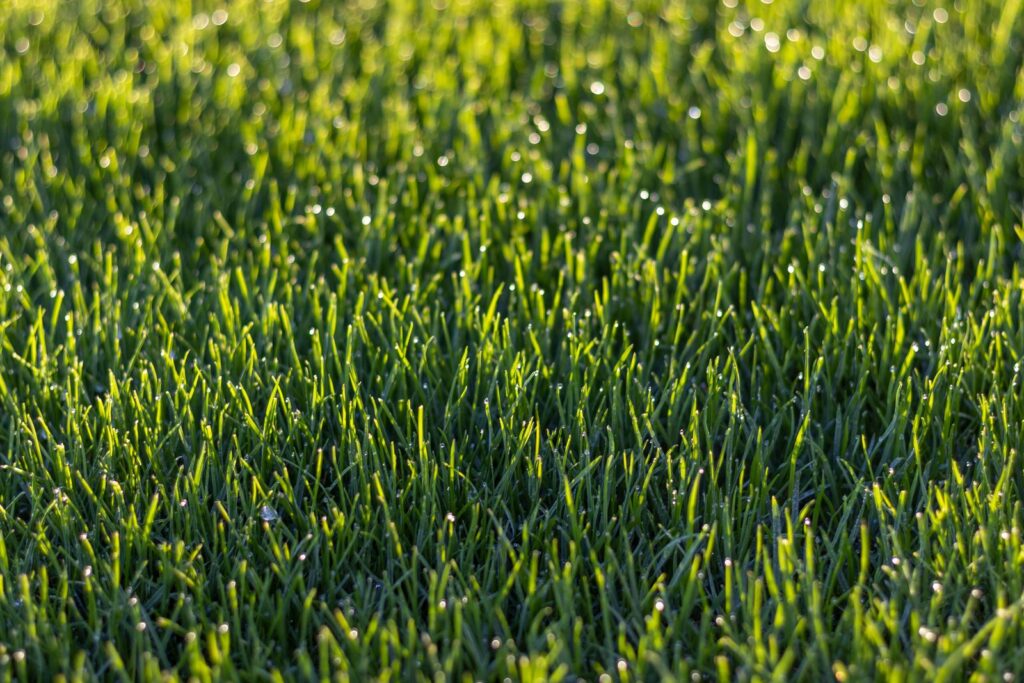
Grass covers an enormous amount of land in the United States.
In fact, turfgrass is often described by researchers as one of the country’s largest irrigated “crops,” even though it isn’t grown for food. Millions of residential and commercial lawns require ongoing care throughout the year.
9. It Changed How We Use Water
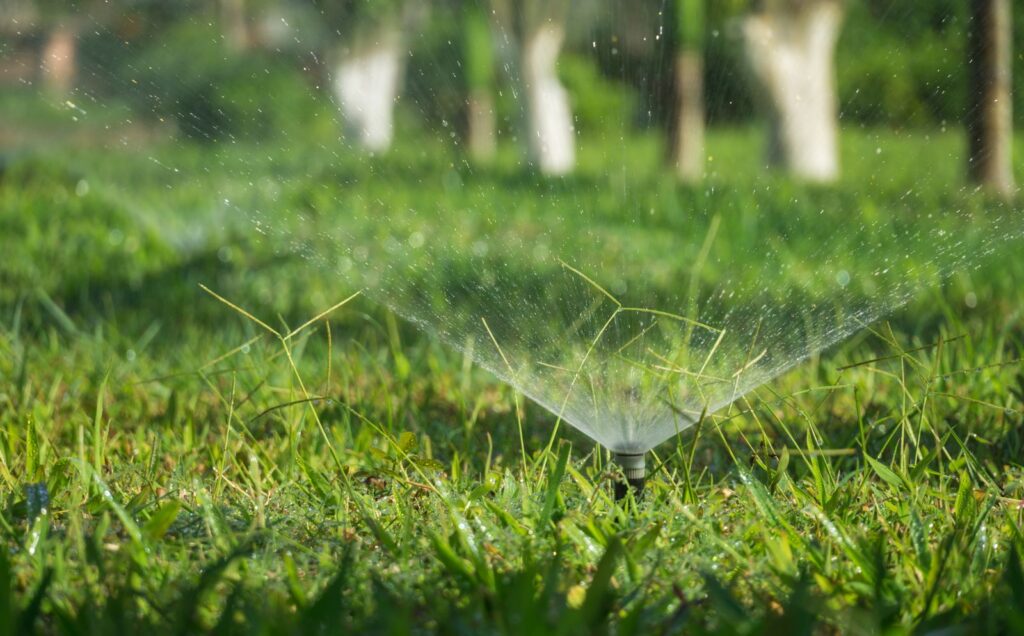
Keeping lawns green often requires significant irrigation, particularly in dry climates.
As suburban development expanded during the 20th century, lawn watering became a major part of residential water use in many communities, prompting growing interest in drought-tolerant landscaping and water-saving practices.

8. It Helped Create an Entire Industry
The modern lawn supports far more than lawnmowers.
Today, a massive industry produces everything from grass seed and fertilizers to irrigation systems, robotic mowers, landscaping services, and outdoor power equipment. What began as a symbol of wealth eventually became a multibillion-dollar market.
7. It Changed What We Think a Neighborhood Should Look Like
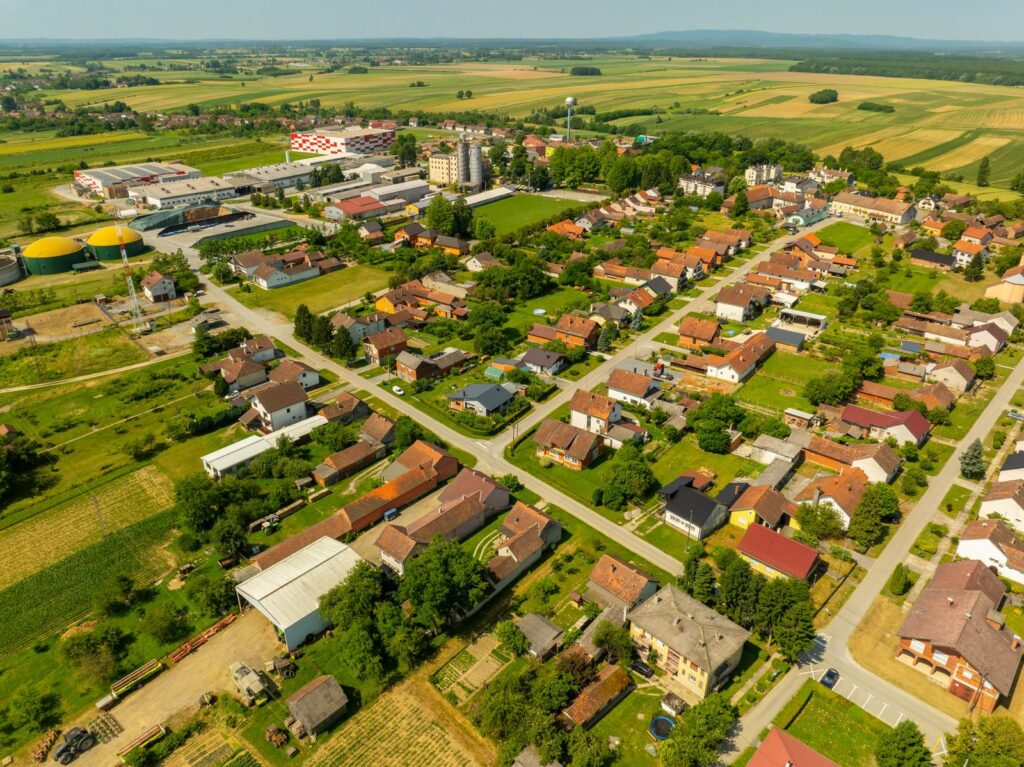
Rows of neatly trimmed front lawns became a defining feature of postwar suburban America.
Over time, the appearance of a well-maintained lawn became closely associated with homeownership, neighborhood pride, and curb appeal, influencing how communities developed across the country.
6. It Reduced Habitat for Native Plants
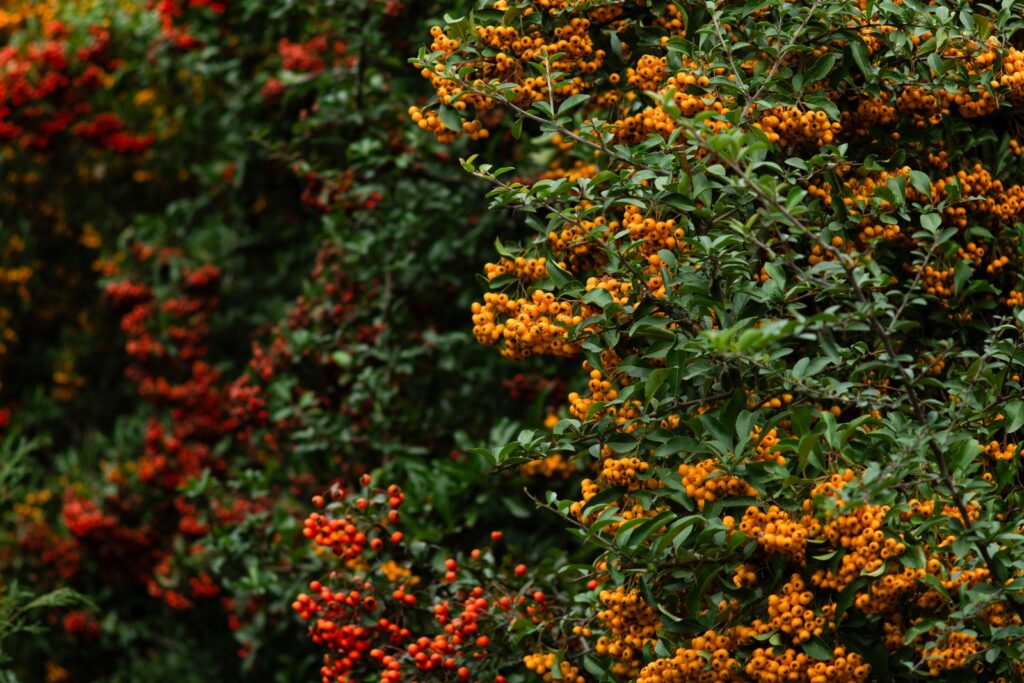
Traditional lawns often replace landscapes that once supported a wide variety of native grasses, wildflowers, shrubs, and trees.
While a healthy lawn provides some environmental benefits, it generally supports far less biodiversity than many natural habitats or native plant gardens.
5. It Changed the Way We Think About “Weeds”
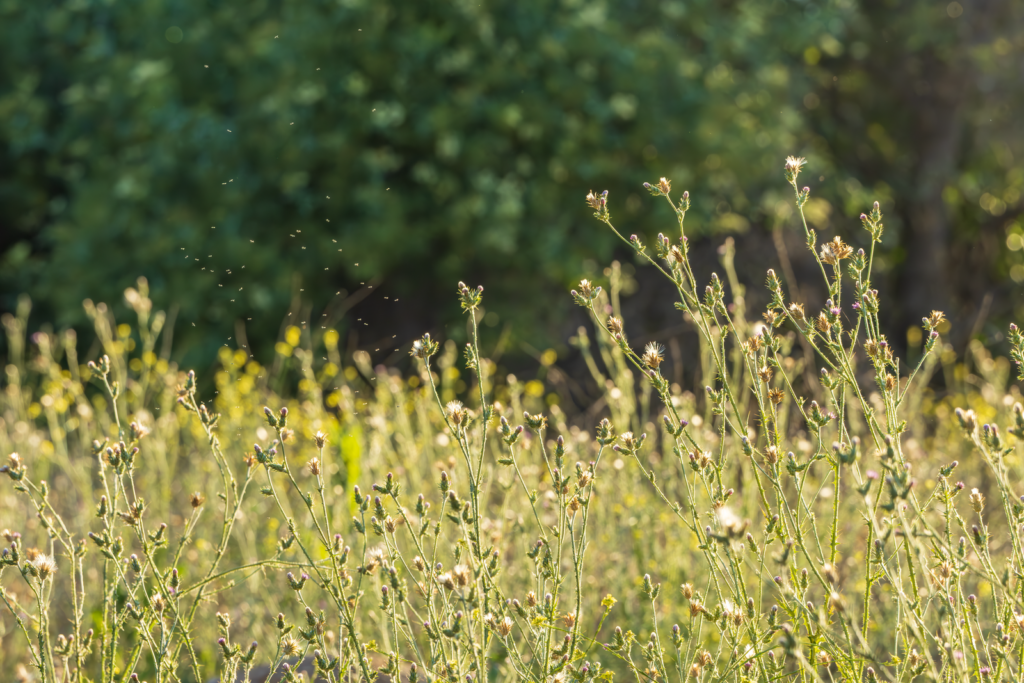
Many plants commonly considered weeds are simply species that naturally grow alongside grasses.
Clover, violets, and dandelions were once common parts of many lawns. As herbicides became more widely available, expectations shifted toward weed-free turf, changing public perceptions of which plants “belong” in a yard.

4. It Increased the Use of Lawn Chemicals
Maintaining a picture-perfect lawn often involves fertilizers, herbicides, pesticides, or other treatments.
While many homeowners use these products responsibly and according to label directions, widespread lawn care has contributed to increased chemical use in residential landscapes over the past several decades.
3. It Changed Backyard Wildlife
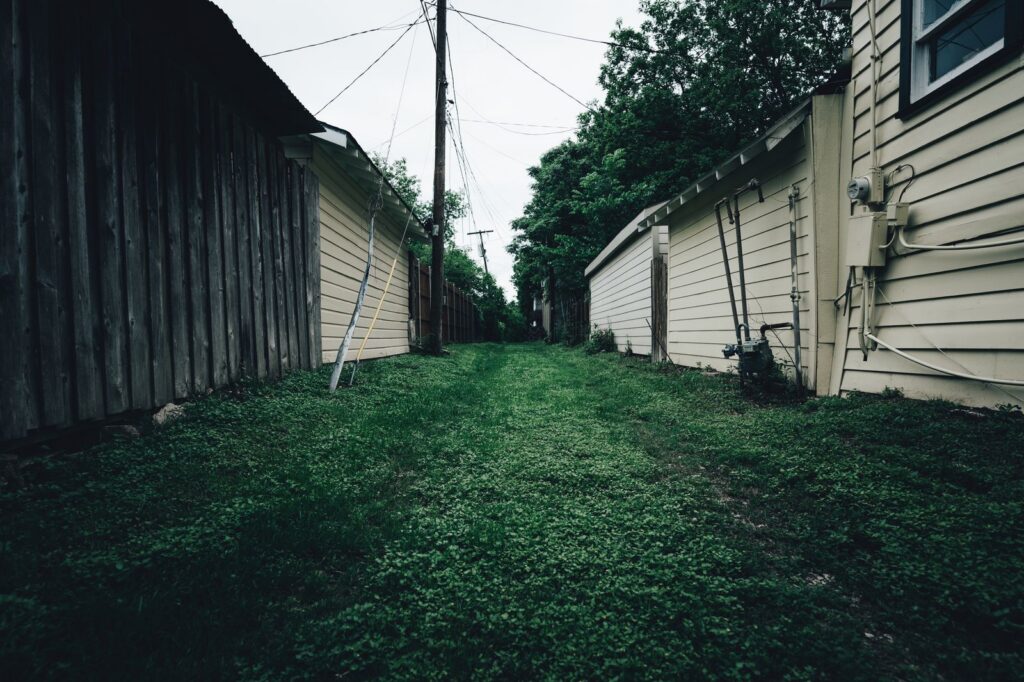
The kinds of animals that thrive in a neighborhood often depend on the available habitat.
Large expanses of closely mowed grass provide fewer food sources and nesting opportunities than areas with native plants, taller vegetation, or flowering landscapes. As a result, the shift toward traditional lawns has affected many insects, birds, and other wildlife.

2. It’s Inspiring a New Generation of Landscaping
In recent years, many homeowners have begun rethinking the traditional lawn.
Native plant gardens, clover lawns, pollinator habitats, and low-water landscaping have become increasingly popular as people look for ways to reduce maintenance while supporting local ecosystems.

1. It Changed Our Relationship With Nature
Perhaps the lawn’s biggest impact has been cultural rather than environmental.
For generations, Americans have viewed a carefully maintained lawn as a sign of beauty, order, and responsible homeownership. Today, that idea is evolving as more people embrace landscapes that balance appearance with biodiversity, water conservation, and support for local wildlife.
Read More:
- These Common Household Items Are Toxic to Pets
- What Social Media Won’t Tell You About Homesteading
- 10 Ways to Channel Nancy Meyers in Your Home Design
Ask us! What questions do you have about content, strategy, pop culture, lifestyle, wellness, history or more? We may use your question in an upcoming article!
Like MediaFeed’s content? Be sure to follow us.
This article originally appeared on Resourcebuzz and was syndicated by MediaFeed.co.