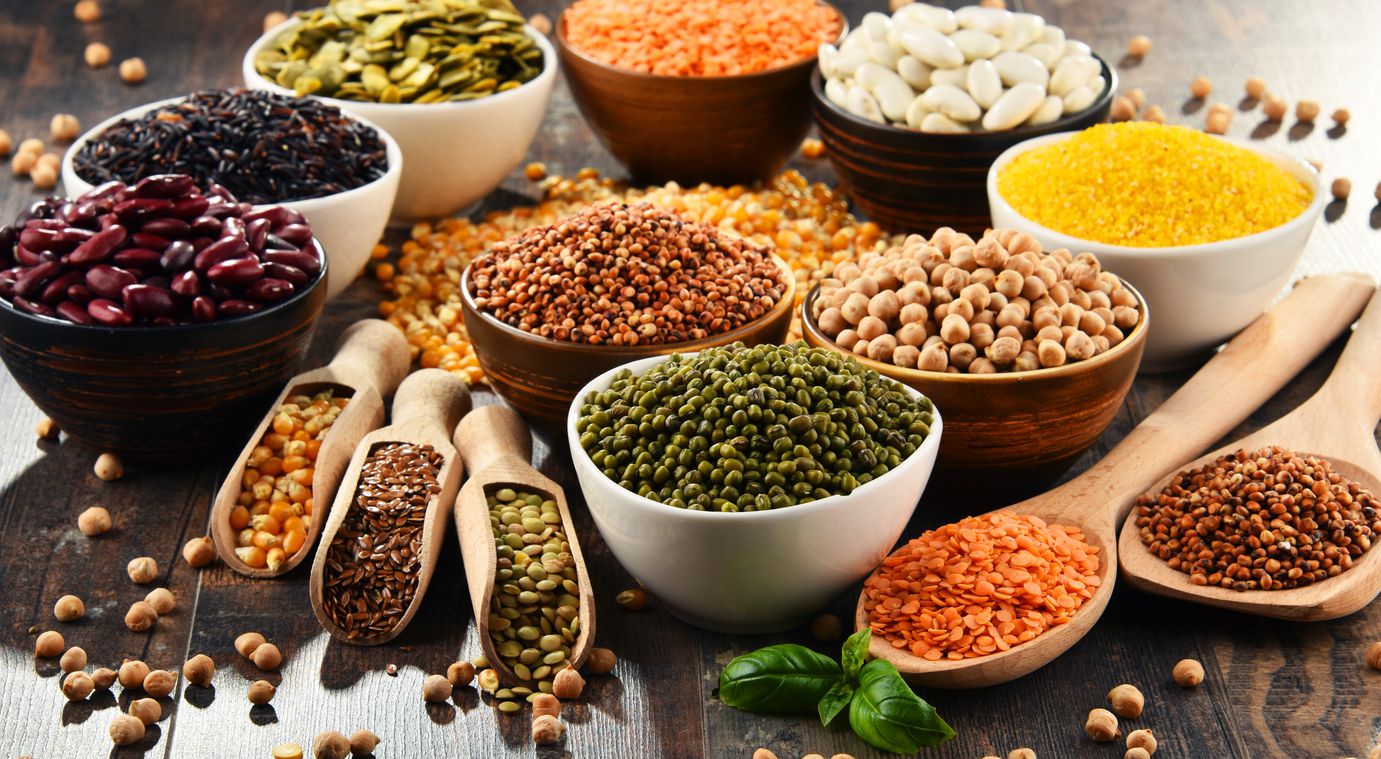
Readers asked: Processed vs. whole grains, which are the healthiest?
A reader wants a straight answer to a question that sounds simple and isn’t: What processed grains should go, and what whole grains should replace them? We checked our sources and provided the best possible answer.
Please note that this article provides general nutrition information only and isn’t medical advice. Readers with specific health conditions, dietary restrictions, or concerns about their own grain intake should consult a doctor or a registered dietitian before making changes to their diet.
Here’s the actual answer, grain by grain, starting with the worst offenders.

White bread
Milling does that. Along with more than half the B vitamins and virtually all the fiber the original wheat kernel carried. What’s left digests fast, spikes blood sugar hard, and somehow still gets called bread.

Instant white rice
Bran and germ, gone in processing, the same as regular white rice. Then the instant version pre-cooks the grain on top of that, stripping nearly all the fiber that survived the first round and digesting even faster than its slower cousin.
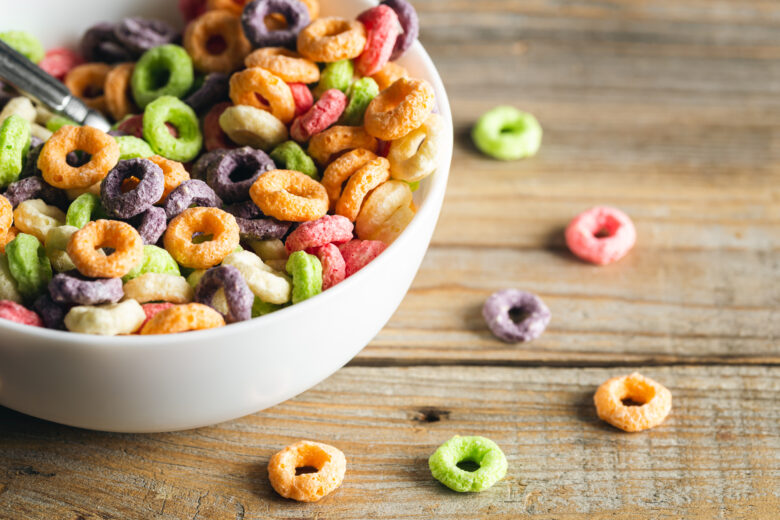
Sugary cereal
The refined base contributes little on its own, containing little or no fiber to begin with. The added sugar on top is really the whole product, dressed up as a breakfast grain.

Crackers and pastries
Almost no nutritional value survives the trip from wheat kernel to cracker, according to nutrition guidance that repeatedly puts refined white flour at the bottom of the flour list. Pastries add sugar and fat on top, which somehow makes the math worse, not better.
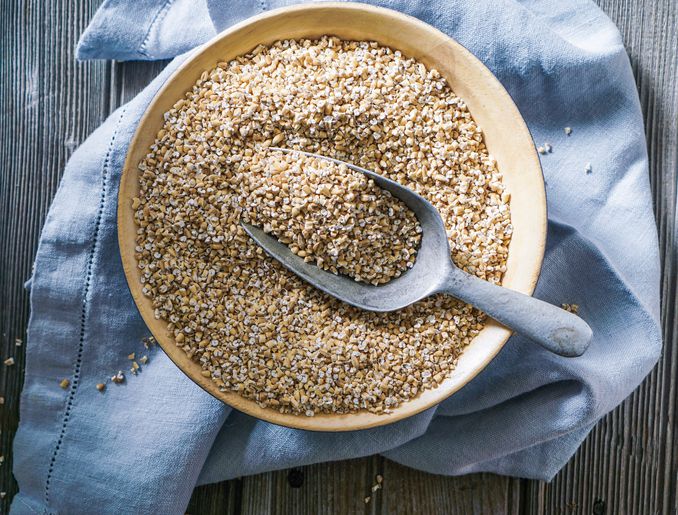
Oats
Bran, germ, all of it, through processing gentle enough that the whole grain survives intact. Diets built around oats and grains like it are consistently linked to lower risk of heart disease and type 2 diabetes, and the soluble fiber specifically gets credit for lowering cholesterol.

Quinoa
Complete protein. Genuinely rare outside of meat, eggs, and a handful of other sources, and quinoa carries it alongside the same fiber and mineral profile other intact whole grains offer.

Barley, farro, and bulgur
Drop any of the three into a soup or side dish where rice or pasta used to sit and the fiber content alone slows digestion down considerably. Mayo Clinic lists this as one of the simplest substitutions a home cook can actually stick with long term.
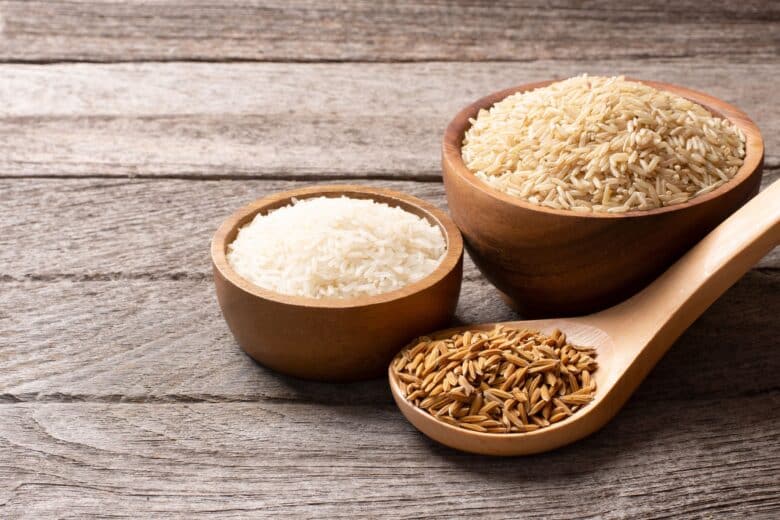
Brown rice
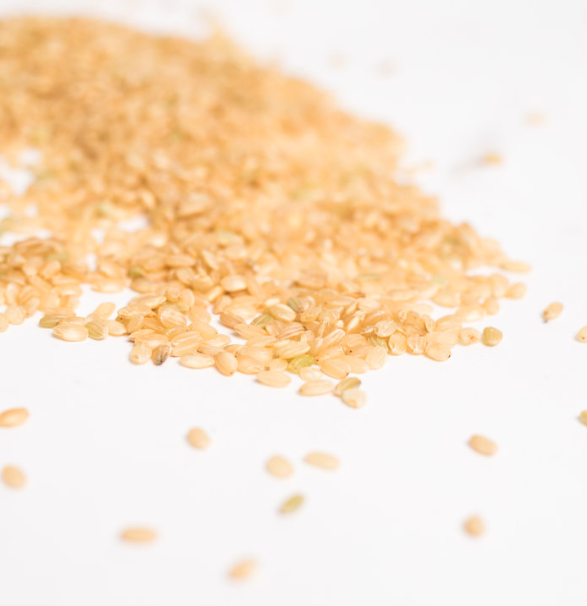
The bran layer. That’s the entire difference, and it’s the reason health guidance keeps pointing to brown rice as the first upgrade worth making before touching anything else on a grocery list.
The bottom line
Processing decides almost everything here, not the plant itself. Every whole grain above kept more of the original seed intact than the refined version sitting next to it on the same shelf, and that’s really the entire test.
Ask us! What questions do you have about content, strategy, pop culture, lifestyle, wellness, history or more? We may use your question in an upcoming article!
Related:
- Grandma’s remedies meet modern medicine: health apps that actually work.
- 15 foods that seem healthy but often aren’t
Like MediaFeed’s content? Be sure to follow us.
This article was syndicated by MediaFeed.co.