10 things your kitchen is crying out for you to replace
A quiet assumption is baked into most kitchen purchases: buy it once, and it’s yours forever. Nobody pencils in an expiration date when bringing home a new sponge or a set of plastic containers. That assumption is exactly where the trouble starts. Somewhere along the way, most people lose track of the fact that plenty of kitchen items aren’t built to last indefinitely. Either bacteria have been quietly accumulating on them for months. Or the material itself has simply hit the natural end of its useful life.
Here are 10 things in your kitchen that are more likely than not well past their prime.
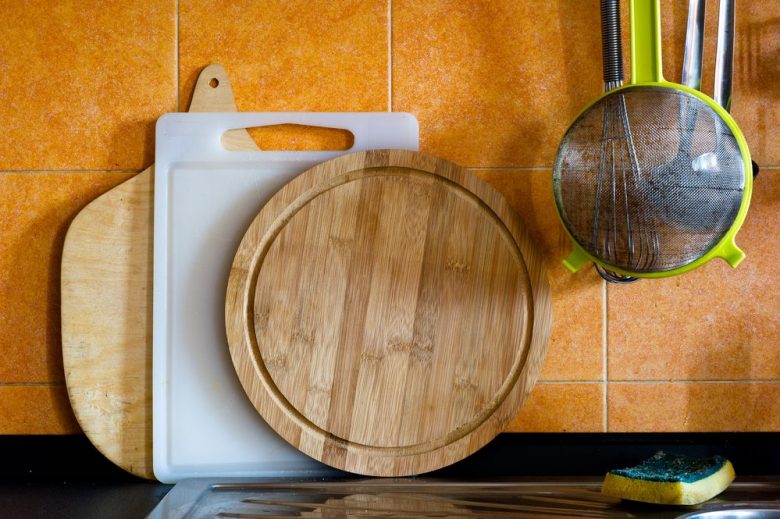
Plastic cutting boards
What actually turns a cutting board into a health risk? Deep grooves, mostly. Years of knife work carving little channels bacteria can hide in, invisible to regular washing. Once the surface starts breaking down, it can release microplastics directly into food. The USDA’s cutoff is blunt. Grooves catching a fingernail. The board rocking on the counter. Either one, done.
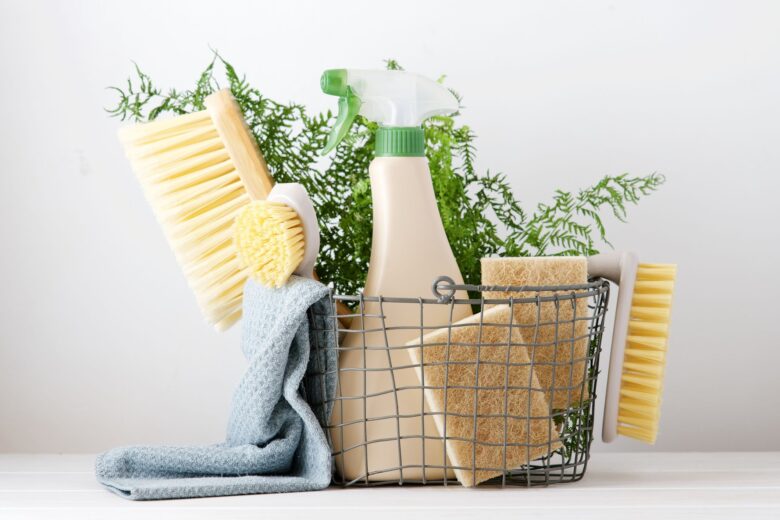
Kitchen sponges
A month. Sometimes less. That’s roughly how long cleaning experts recommend keeping a sponge, and one home expert has put the texture test plainly: once it’s softened so much it no longer scrubs effectively, or the rough side wears smooth, it’s done. Constant moisture. One of the most bacteria-dense objects in an entire home. Most people go by instinct instead, which stretches the timeline far longer than it should.
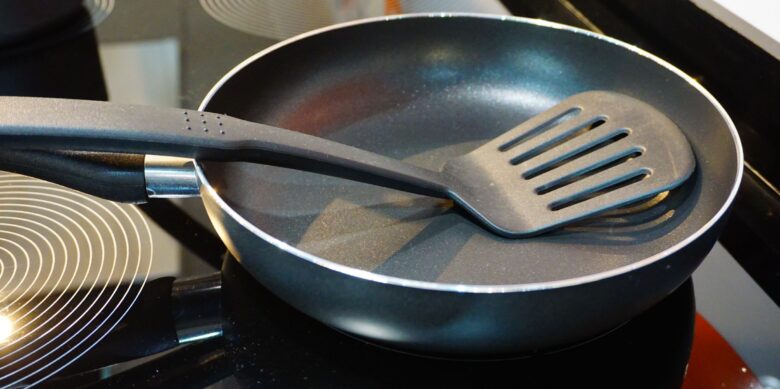
Non-stick pans
Every scratch. Every metal utensil scraped across it. Every trip through the dishwasher against the manufacturer’s own warning label. Once flaking actually starts, debris can transfer directly into food mid-cook. Not cosmetic. Genuinely a problem.
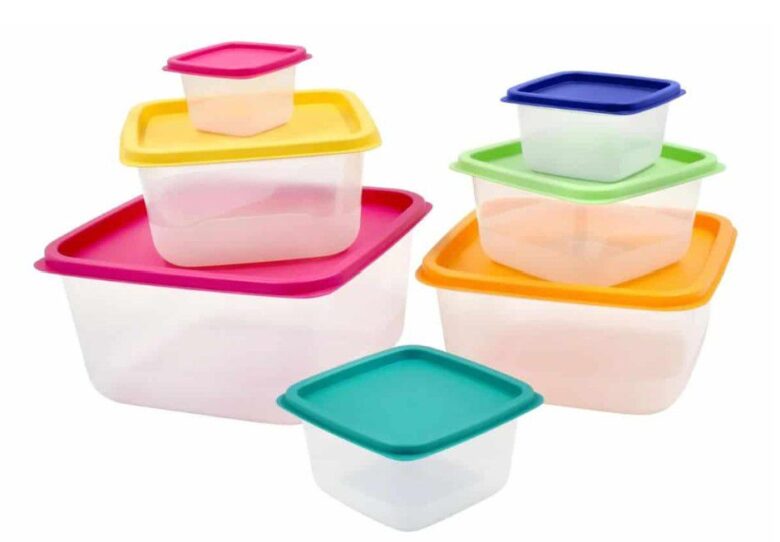
Plastic food storage containers
Staining. Warping. A smell that survives multiple washes and just won’t quit. Cracks and dents harbor bacteria, and a warped container means the plastic has likely already broken down, potentially releasing chemicals into whatever’s stored inside. Skip the dishwasher too, unless the label explicitly says it’s safe.

Kitchen towels
Drying hands one minute. Wiping counters the next. Handling hot cookware right after, sometimes all three inside a single afternoon. Fibers break down under that kind of repeated use. A towel that feels rough or smells faintly off even after washing has outlived its usefulness. No amount of extra wash cycles fixes that.
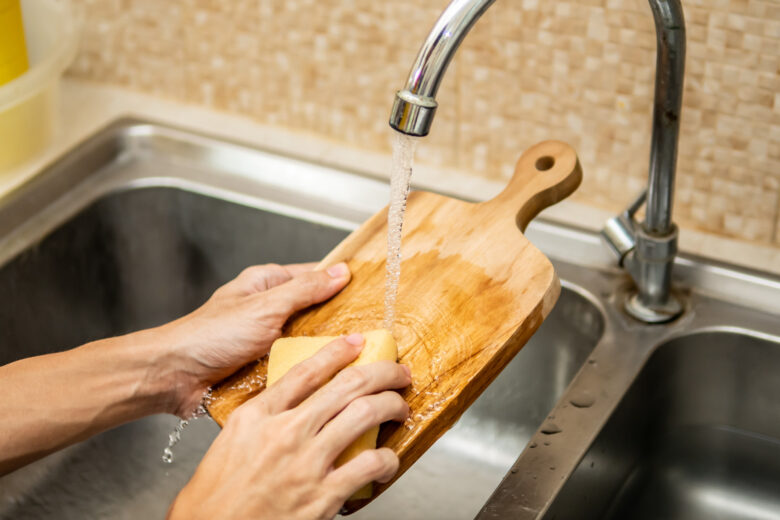
Wooden utensils and cutting boards
Different rules than plastic entirely. Hand-wash, never the dishwasher. Full air-dry afterward. An occasional coat of food-safe mineral oil to keep cracking at bay. Skip that maintenance and wood dries out. Splits. Needs replacing far sooner than it otherwise would.
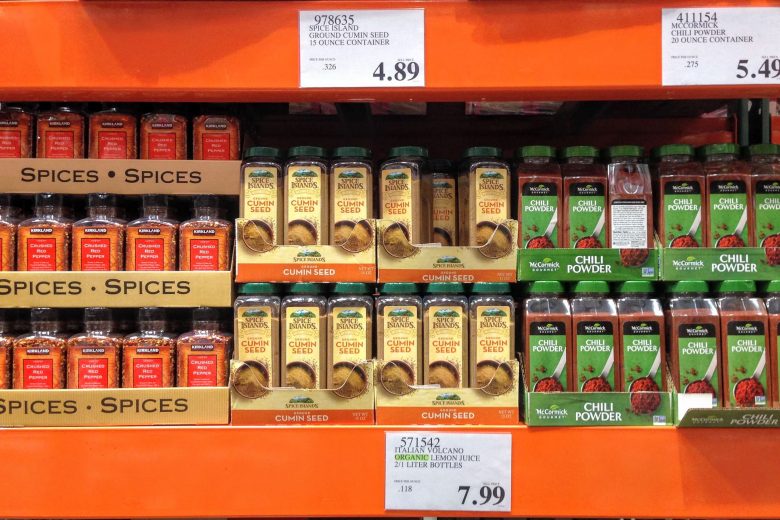
Ground spices
Here’s the assumption almost everyone gets wrong. That spices last forever in the cupboard. They don’t. Not even close. Real potency fades noticeably after six to twelve months, and a dish that tastes flat despite following the recipe exactly is usually a spice problem. Not a cooking one.
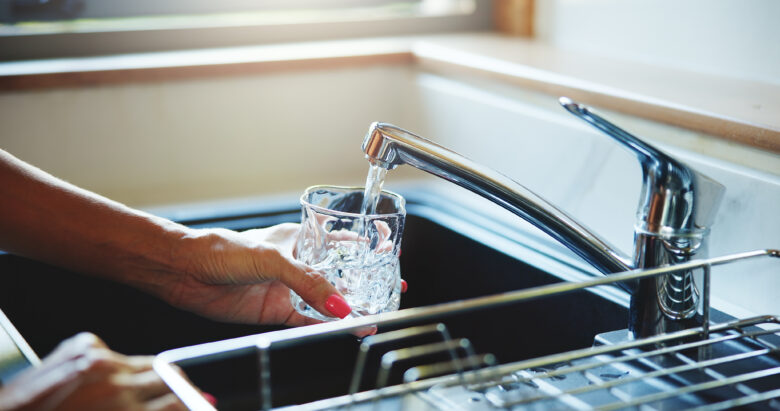
Water filters
Left in place too long, a filter stops removing contaminants effectively. Worse, it can start harboring its own bacterial growth instead of stopping anyone else’s. Most models need replacement every two to six months, a timeline plenty of households blow straight past without ever glancing at the indicator light.
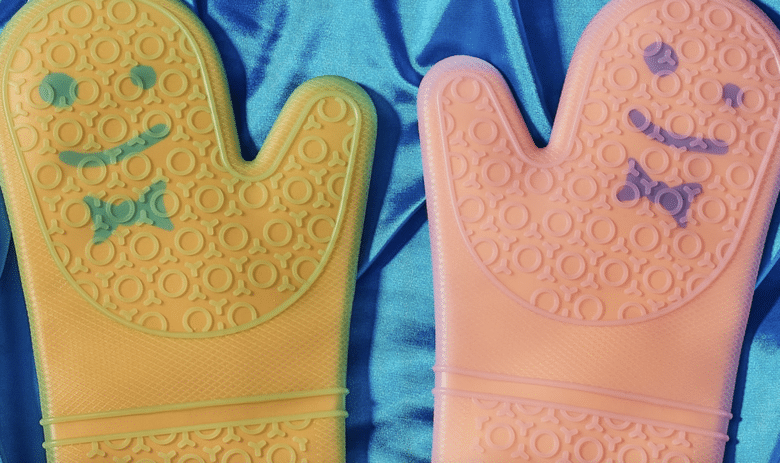
Oven mitts
Heat-resistant material breaks down invisibly. Scratch by scratch. Exposure by exposure. A mitt that’s handled a few hundred hot pans doesn’t necessarily look different from a brand new one on the outside, but a simple pinch test tells the real story: if fingertips can be felt through the thickest part of the padding, it’s already time to replace it, regardless of how intact the fabric looks.
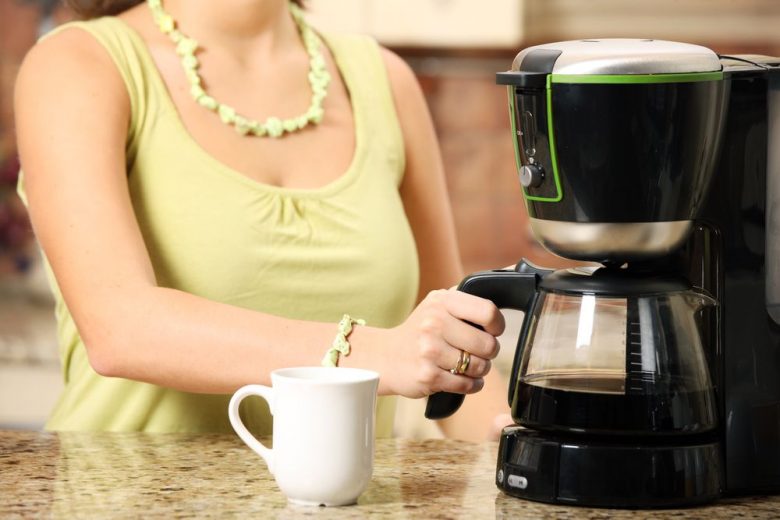
The coffee maker’s internal components
Mineral buildup from hard water accumulates quietly inside the machine, affecting taste and brewing temperature long before anyone actually notices the shift. Slower brew times, a flat or bitter taste, even a lit descale indicator are all early signs scale has already coated the heating element and water lines. Regular descaling helps, but reusable filters and certain internal parts still need periodic replacement regardless, no matter how well maintained the machine otherwise seems from the outside.
The bottom line
None of this wears out dramatically. It degrades quietly, one wash cycle and one scratched surface at a time, until a kitchen full of familiar tools ends up working against the person using them instead of for them.
Ask us! What questions do you have about content, strategy, pop culture, lifestyle, wellness, history or more? We may use your question in an upcoming article!
Related:
- 15 Things Boomers Still Miss About the Way Life Used to Be
- 7 common household things only baby boomers will remember
Like MediaFeed’s content? Be sure to follow us.
This article was syndicated by MediaFeed.co.