
10 Surprising Revelations About Early Menopause Symptoms
Menopause is often associated with hot flashes and mood swings, but recent research sheds light on a broader spectrum of symptoms that women experience. A Canadian study compared the severity and prevalence of symptoms in women with premature ovarian insufficiency (POI) and women experiencing menopause at an average age.
The study, conducted by the University of Toronto, highlights the significant impact of urogenital symptoms, which have been reported as the most common and severe. These findings challenge the traditional focus on hot flashes, offering a more comprehensive understanding of menopause.
Here are 10 surprising revelations about early menopause symptoms that emerged from this research.

10. Urogenital Symptoms Take Center Stage
While hot flashes often dominate menopause discussions, urogenital symptoms are actually the most common and severe. This includes vaginal health concerns, urinary symptoms, and other intimate health changes that affect a significant number of women.
In the study, 84.5% of women with average-age menopause and 81.1% with POI reported urogenital symptoms, highlighting the need for greater awareness and treatment options.

9. Changes in Intimacy Are Common
Many women report changes in desire, comfort, or satisfaction during menopause. These issues are not just limited to older women.
The study found that 70% of average-age menopause participants and 58.4% of those with POI experienced intimacy problems, indicating a widespread impact on women’s sexual health.

8. Vaginal Dryness Is a Close Second
Vaginal dryness is another prevalent symptom, closely following sexual problems in frequency. It affects a large portion of women going through menopause.
In the study, 64.2% of average-age menopause participants and 58.4% with POI reported it, underscoring the need for effective treatments.

7. Psychological Symptoms Show No Significant Difference
Interestingly, the study found no significant difference in psychological symptoms between women with POI and those undergoing average-age menopause.
This suggests that mood, irritability, and anxiety are equally prevalent in both groups, challenging assumptions about the psychological impact of early menopause.

6. Somato-Vegetative Symptoms Drive Overall Burden
The overall symptom burden was higher in the average-age menopause group in this study, mainly due to somato-vegetative symptoms like hot flashes and night sweats.
This highlights the need for comprehensive management strategies that address the full range of menopause symptoms.
5. Treatment Rates Remain Low
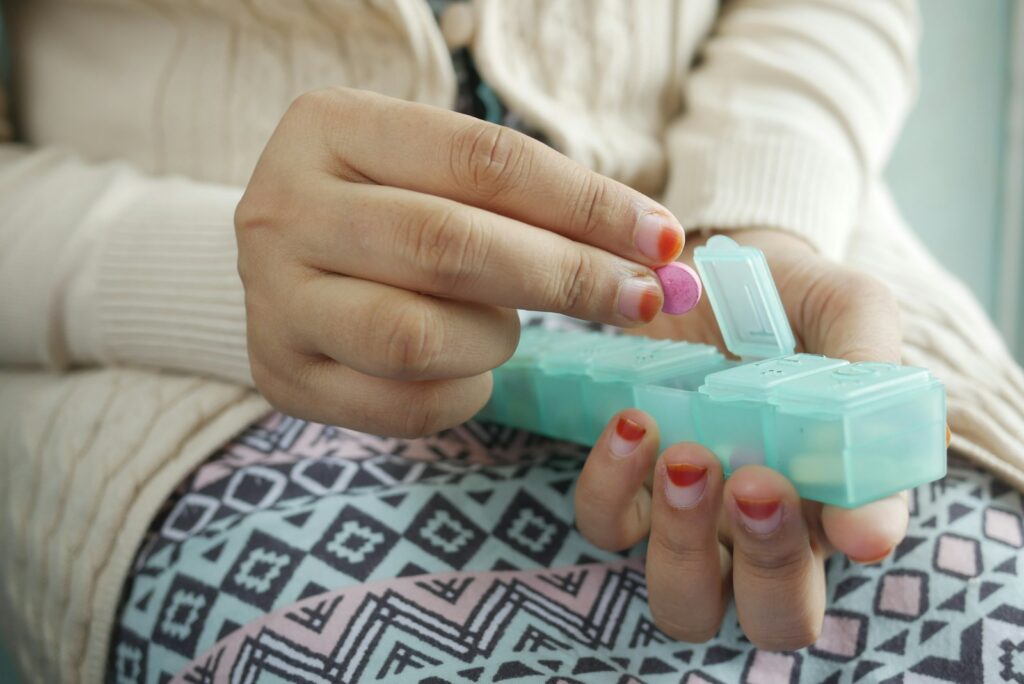
Despite the prevalence of severe symptoms, treatment rates in this study were relatively low. Only 24.7% of average-age menopause participants use hormone therapy.
For women with POI, the rate is slightly higher at 40.7%, indicating a gap in the management of menopause symptoms.

4. Social Stigma Hinders Treatment
Social stigma and embarrassment often prevent women from discussing urogenital symptoms with healthcare providers, leading to untreated conditions.
This barrier highlights the importance of open communication and education to encourage women to seek help.

3. Normalization of Symptoms
Many women normalize symptoms like vaginal dryness and libido changes, assuming they are a natural part of aging rather than treatable conditions.
This misconception can delay treatment and impact quality of life, emphasizing the need for better awareness.
2. Awareness Gaps in Treatment Options
Awareness gaps around effective treatment options can contribute to menopause symptoms being under-recognized or undertreated.
Increasing education and awareness can help improve management and support for women experiencing menopause.

1. Early Diagnosis Is Crucial
For women under 40, recognizing symptoms of POI and seeking early diagnosis is vital. Untreated estrogen deficiency can have long-term health implications.
Early intervention can help manage symptoms and may reduce longer-term risks associated with bone and cardiovascular health.
Read More:
- 15 Positive Things No One Tells You About Menopause
- Depression and the Immune System: 10 Things to Know
- 10 Reasons to Add Vitamin B12 to Your Wellness Routine
Ask us! What questions do you have about content, strategy, pop culture, lifestyle, wellness, history or more? We may use your question in an upcoming article!
Like MediaFeed’s content? Be sure to follow us.
This article originally appeared on Resourcebuzz and was syndicated by MediaFeed.co.