
10 Surprising Benefits of Eating Fermented Foods
Fermented foods have long been celebrated for their probiotic content, but recent research reveals that their benefits extend far beyond just beneficial bacteria. The fermentation process transforms foods, creating a variety of compounds that can positively impact your health in numerous ways.
These foods influence your gut, immune system, and metabolism through bioactive compounds that are produced during fermentation. Here are 10 reasons why incorporating fermented foods into your diet is beneficial.

10. Enhances Gut Health
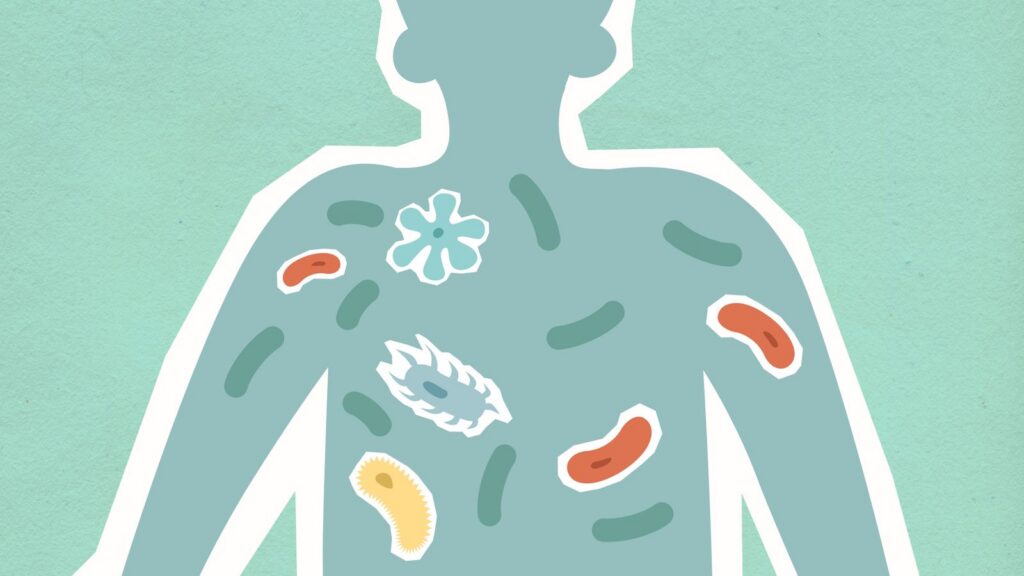
Fermented foods play a crucial role in maintaining a healthy gut microbiome. They help restore microbial diversity and support beneficial bacteria.
This improved bacterial balance strengthens the gut lining, reducing permeability and potentially lowering inflammation.
9. Supports Immune Function
The compounds produced during fermentation, such as exopolysaccharides, interact with the gut’s immune system.
This interaction leads to a more resilient immune response, helping the body fend off infections and maintain overall health.
8. Improves Metabolism
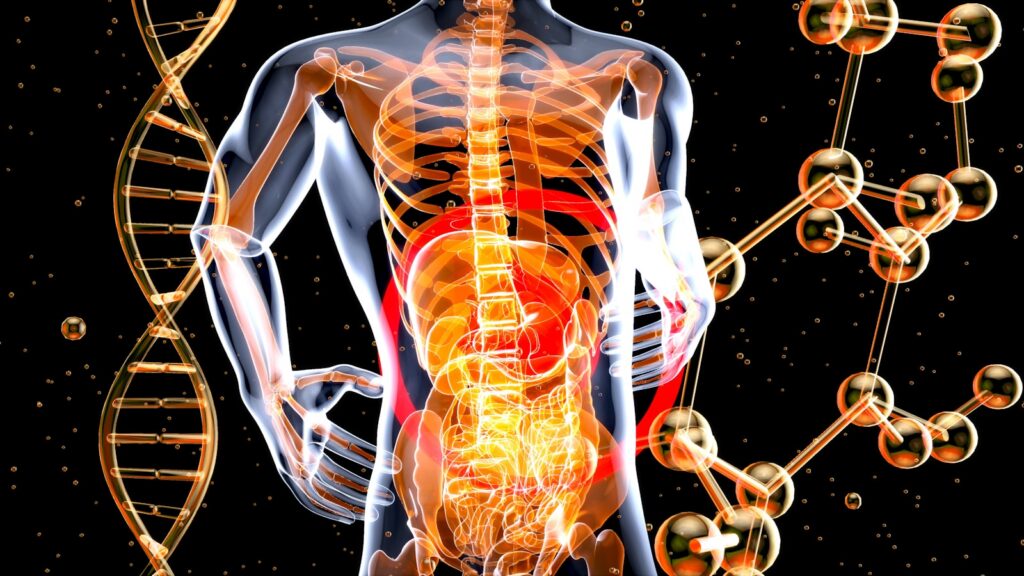
Fermented foods contribute to better insulin sensitivity and more stable blood sugar levels.
These metabolic improvements can help reduce the risk of type 2 diabetes and support cardiovascular health.

7. Reduces Inflammation
Chronic inflammation is linked to numerous diseases, and fermented foods can help mitigate these effects.
Bioactive peptides and short-chain fatty acids produced during fermentation have direct anti-inflammatory properties.

6. Provides Antioxidant Benefits
Fermented vegetables like kimchi and sauerkraut are rich in antioxidants.
These compounds help combat oxidative stress, potentially lowering the risk of chronic diseases.

5. Enhances Nutrient Absorption
Fermentation reduces antinutrients in foods, making minerals more bioavailable.
This means your body can absorb more nutrients from the same foods, enhancing overall nutrition.

4. Supports Heart Health
Dairy ferments like yogurt and kefir are associated with improved heart health markers.
Regular consumption can lead to reductions in blood pressure and cholesterol levels.
3. Promotes Bone Health
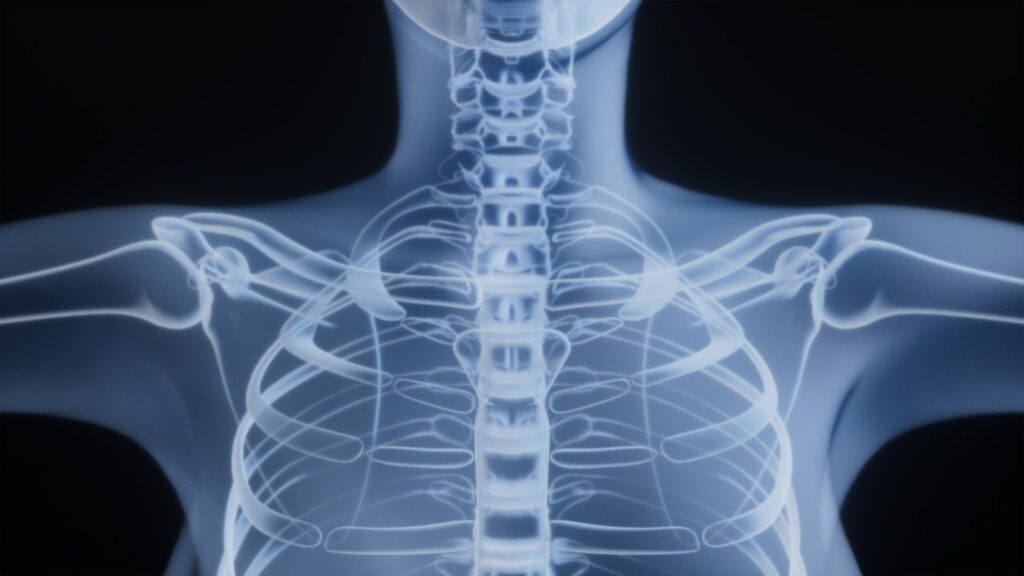
Fermented legumes like miso and natto generate bioactive peptides that support bone health.
These foods can contribute to improved bone density and reduced risk of osteoporosis.

2. Boosts Energy Levels
Fermented cereals like sourdough are rich in B-vitamins, essential for energy production.
These vitamins play a crucial role in converting food into energy, helping you feel more energetic.

1. Aids in Appetite Regulation
Short-chain fatty acids produced during fermentation act as chemical messengers that help regulate appetite.
These compounds can improve insulin sensitivity and contribute to a feeling of fullness, aiding in weight management.
Read More:
- 10 Possible Reasons Younger People Are Developing Colon Cancer
- 15 Natural Ways to Reduce Inflammation
- What to Eat for Healthier-Looking Skin
Ask us! What questions do you have about content, strategy, pop culture, lifestyle, wellness, history or more? We may use your question in an upcoming article!
Like MediaFeed’s content? Be sure to follow us.
This article originally appeared on Resourcebuzz and was syndicated by MediaFeed.co.