Signs Your Elderly Parent Needs Help
As your parent ages, signs that they need help include poor hygiene, struggling to manage finances or household duties, missing or taking too much medication, trouble driving, problems with mobility, changes in mood and personality, poor nutrition, and unexplained injuries. These signs may mean that a visit to the doctor is in order, or that different caregiving or living arrangements may be more appropriate. Signs of decline look different for each person, and no one knows your parent like you do. Something unusual for them may be the norm for another person.

1. Mismanaged medications
The more medications your loved one takes, the higher the risk of error. Niki Gewirtz, a former executive director of senior living communities who now trains Senior Living Advisors at A Place for Mom, recalls her personal experience with medication mismanagement.
“It [medication management] started becoming an issue for my grandmother,” Gewirtz recalls. “My mom would visit and find her blood pressure meds on the floor where she had dropped them and didn’t know it. She ended up in the hospital several times because of not taking her meds appropriately.”
Some red flags that your parent isn’t taking their medicines correctly include:
- Finding pills on the floor
- Taking the incorrect dose of a medication, especially if the prescription has been updated recently
- Keeping expired or discontinued medications
- Not refilling prescriptions consistently
- A disorganized or out-of-date pill organizer
- Being unable to remember if they’ve taken their medication
Shelley T., whose mother recently moved into an independent living community, has been keeping an eye on her mom’s medication routines. “Keeping an organized refill schedule has been a nightmare,” she says. “Every week it seems like she needs another medication refilled. I haven’t gotten involved in organizing that yet but can see that I’m going to need to.”

2. Not bathing, brushing teeth, or wearing dirty clothes
Neglecting self-care could be a sign that your parent isn’t able to complete these tasks on their own anymore. It could also be a sign of declining mobility, depression, or early dementia. Regardless of the cause, poor hygiene carries health risks.
Poor hygiene has many noticeable signs, including:
- Body odor
- Piles of dirty clothing
- Bad breath
- Untrimmed fingernails or toenails
“When a senior isn’t managing incontinence hygiene, it can lead to UTIs and skin breakdown. Not showering regularly can also trigger skin issues,” says Gewirtz.

3. Neglecting household chores
The condition of your parent’s home can be a good indicator of how they’re doing, both physically and mentally.
Gewirtz suggests that family caregivers keep an eye out for:
- Odors and stained furniture, which can be a sign of unmanaged incontinence.
- Spoiled food in the fridge, which could be an indicator of memory loss or depression.
- Piled up laundry, which could mean that your loved one is unable to do this chore physically or has forgotten to do it.
- Conversely, no laundry to do could mean that your loved one is wearing the same clothes every day.
“Mom’s as neat as she’s ever been,” Shelley notes, “but I have started to notice that she thinks she can do more than she really can. She often asks my sister and I to help, but by the time we get to her house, she’s tried to do it herself but couldn’t. So, we’re also doing more than we used to.”

4. Mismanaging money
Mismanaging money (an instrumental activity of daily living [IADL]) is a common sign that a loved one may need more help than they’re getting.
Money management signs to watch for:
- Forgetting to pay bills
- Getting calls from collection agencies
- Regularly overdrawing their accounts
- Bouncing checks
Even though it may be awkward to discuss, it’s worth working through the discomfort. “Being able to make sure bills are paid can mean the difference between keeping the power on or not,” Gewirtz says.

5. Trouble driving
Gewirtz notes that many families are concerned about their loved one’s safety while driving. Seniors want to keep their independence, and no family member wants to be the person who takes away the keys.
Signs that your loved one may be having trouble with driving include:
- Having accidents
- Getting tickets for unsafe driving
- Unexplained dents or scratches on the car
- Getting lost when they’re going somewhere they’ve been before
“I’m more concerned about her driving. She hasn’t had any accidents, so I’m not sure why I’m feeling this way. But I’m thinking about it more than I used to,” says Shelley.

6. Not eating well
Nutrition is important at any age, and especially for seniors.
Gewirtz notes the following red flags may signal your loved one isn’t getting appropriate nutrition:
- Spoiled food in the refrigerator
- No food in the refrigerator or pantry
- Prepared meals going uneaten
- Unintentional weight loss or gain
- Unusual changes in appetite, such as picking at food or eating more than usual
- Relying on processed or fast food for most meals
Any of these signs can lead to malnutrition and other health issues, Gewirtz says.
You may have additional concerns if your loved one already has health problems such as high blood pressure or diabetes. Seniors on a low- or no-salt diet may struggle if they’re not cooking or eating fresh food, as processed foods are typically higher in sodium. People who have diabetes may have trouble controlling their blood sugar levels if they’re not getting the nutrition they need regularly.
Shelley and her sister have learned there’s a pattern to their mom’s eating habits. “She tends to eat things that don’t agree with her when she gets depressed,” Shelley says.
Organizing around food shopping and staying on top of daily nutritional needs is another challenge for Shelley’s mom: “I take her to the grocery every week, but she doesn’t always make a list. If her stomach’s upset, she won’t eat for three or four days.” she notes.
7. Experiencing mood changes or mood swings
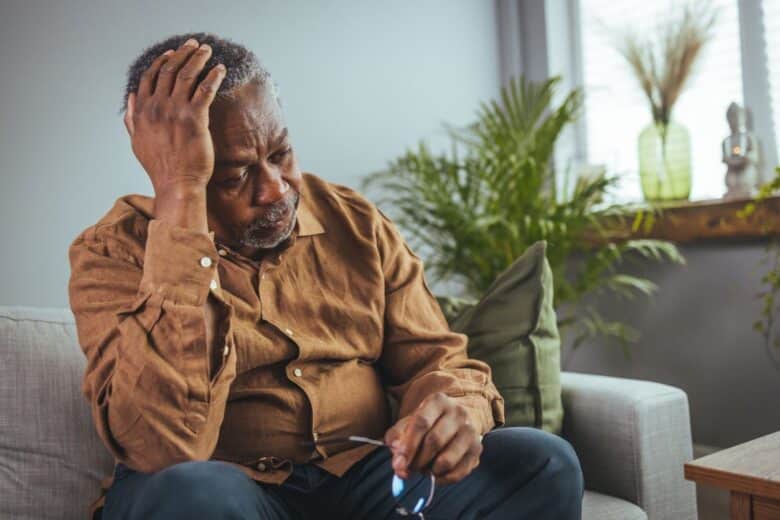
Mood swings and personality changes in seniors can have medical causes, so you shouldn’t ignore them. An abrupt change in mood or personality could be a symptom of a treatable condition, such as an infection or a reaction to medication. Some infections can even cause dementia-like symptoms. That said, a senior may also be depressed or anxious. They may be feeling isolated or lonely. Whatever the cause, it’s a good idea to see their doctor for an evaluation.
Mood-related signs that your loved one may need help include:
- Persistent sadness
- Loss of interest
- Fatigue
- Excessive worry
- Tension
- Restlessness
- Panic attacks
- Lack of motivation, initiative, or emotional response
- Sudden and uncontrollable crying or laughing
- Anger and irritability
- Hostility
- Verbal or physical aggression
- Increased energy
- Impulsivity
“It could be related to medications, especially if there is a new med that has been introduced, so letting the doctor know of any new symptoms is important. It also could be a medical issue, like a UTI or blood sugar swings. Always let the doctor know if this is unusual behavior, as it could be something serious, and could easily be managed if caught early,” says Gewirtz.
For Shelley, her mom’s mood and personality changes are signs that it may be time for her mom to have the more intensive support of assisted living. “My mom is a very competent person. She raised my sister and I alone, went back to school for a degree, and worked full-time. But the move from her home to independent living brought so many changes in her personality,” she says.

8. Forgetting things or being confused
Noticing a memory lapse once or twice may not be a big deal, as everyone forgets things sometimes. But it’s time to take your loved one to their doctor if you notice the following:
- Forgetting to bathe
- Forgetting to take medicine
- Forgetting appointments
- Repeating themselves
- Taking longer to complete simple tasks
- Getting lost in familiar areas
- Regular lapses in memory
“These are indicators that the senior may be experiencing early stages of dementia, which would need to be checked out by a physician,” says Gewirtz.

9. Having trouble getting around
If your loved one is having trouble getting around, they’re going to have trouble taking care of themselves. Something as simple as poor balance could make it more difficult to get dressed, stand up from a chair, or keep from falling after tripping over something.
Gewirtz says some of the first signs of declining mobility include things like:
- A shuffling gait
- Hunching over when walking
- Looking like they could lose their balance at any time
- Using furniture to steady themselves as they walk around the house
If your loved one is having a hard time getting around, it means it’s time for changes in their house, mobility support tools like a walker, or more daily help.

10. Getting hurt more often
Unexplainable bruising is a red flag when it comes to your loved one’s safety. Other signs you should take note of include the following:
- Cuts, scrapes, or skin tears
- Swelling
- Redness or warmth over joints
- Limping or “guarding” a body part as if it hurts
- New use of bandages or long sleeves
- Sudden inability to stand, walk, or get up from a chair
- Frequent “near falls” or loss of balance
- Dropping objects or hand weakness
- Changes in handwriting
Gewirtz notes that falling is her first concern with physical signs of injury. “Many seniors don’t like to admit when they fall, so skin tears should be taken seriously,” Gewirtz says.

How to support an elderly parent in need
It can be difficult to know when signs of decline mean that your parent needs more support. Senior care is not one-size-fits-all, and you have many senior care options. The following steps can help you and your loved one understand how they’re doing and what kind of help they may need.
Get important documents in order
To ensure you’re able to advocate effectively for your loved one, you’ll need to get legal documentation in place, if you haven’t already. Consult with a geriatric care manager, elder law attorney, or financial planner to help you prepare for the future and determine next steps. This may help ensure you’re on the same page and make current and future care decisions easier for the whole family.

Ask an occupational therapist to evaluate your loved one’s home
If your parent wishes to age in place, modifications like adding grab bars in the bathroom, for instance, may be enough to help your parent feel more comfortable showering regularly again. An occupational therapist can evaluate your loved one’s living situation and recommend changes that will make their home safer.
A visit to the doctor may also be in order, because in addition to making the environment safer, there are things your loved one may be able to do that make them less likely to be injured at home.
Shelley recalls: “Mom’s very careful, maybe overly careful, but she wasn’t feeling balanced. So, her doctor prescribed some physical therapy and that has been helping her. I’m glad she mentioned it to him.”

Think about quality of life: theirs and yours
As you evaluate your options, Gewirtz emphasizes that quality of life is something families should keep in mind.
“It’s important for caregivers to look at the quality of their life, their loved one’s life, and the quality of that relationship when evaluating options,” Gewirtz says. “If a family member must take a lot of time off from work or from family obligations to take care of a senior loved one, that becomes an issue. If there’s a concern about a senior wandering out of the house, getting lost, or other unsafe behaviors, that is unsustainable and needs to be addressed as soon as possible.”
Gewirtz stresses that it’s OK to seek outside help for your parent.
Related:
- Aging at Home: Essential Tips for Safe Home Care
- What to Do After a Dementia Diagnosis: 10 Steps to Help You Move Forward
Like MediaFeed’s content? Be sure to follow us.
This article originally appeared on Aplaceformom.com and was syndicated by MediaFeed.org