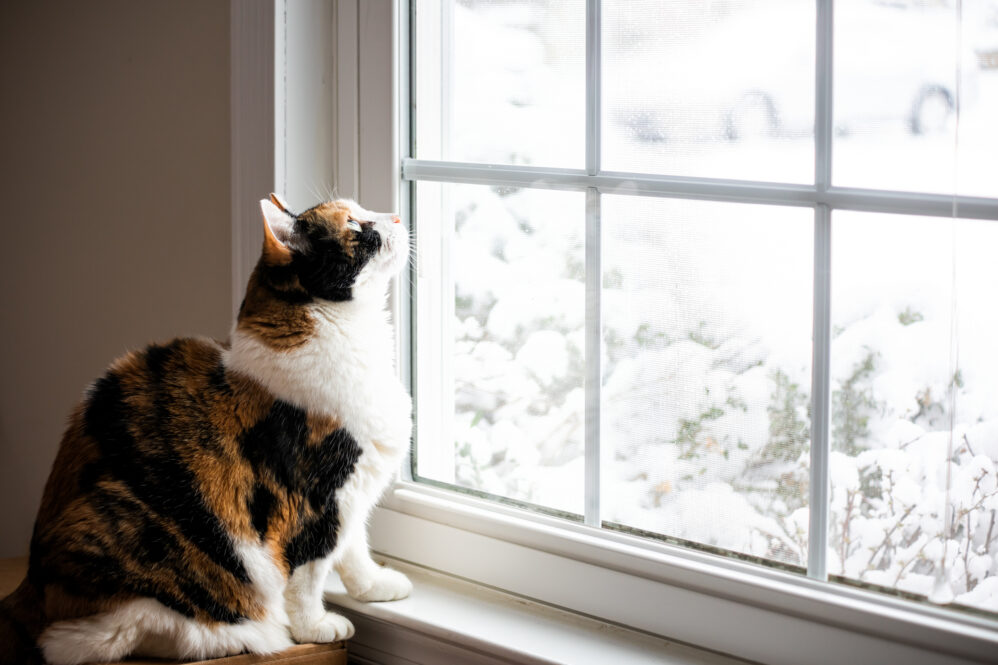
10 signs your deceased cat is still with you
It’s late, the house is quiet, and something lands on the floor with the same soft thump she used to make as she came down from the windowsill. You look. Nothing’s there.
If that sounds familiar, you’re in large company. In one study of 164 grieving pet owners, 107 of them dog owners and 57 cat owners, 84 percent had believed, for at least a split second, that they’d seen or heard their dead pet.
Below are ten experiences owners report most often, with what researchers say about each one. Whether any of them is a sign is a personal question. Research can say how common they are and what role they play in grief.
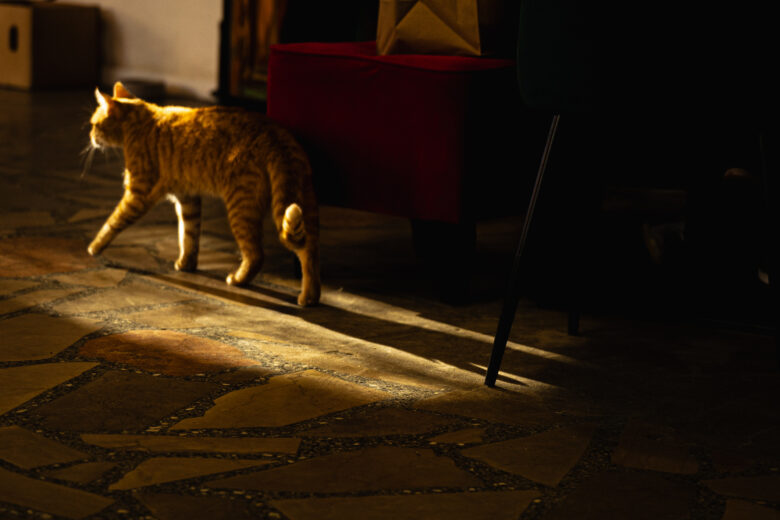
A thump from the next room
Seventy percent of owners in that study had mistaken a sound for their dead pet. It’s usually a sound they heard a thousand times: a bell, a thud on the carpet, a meow from the hall. The researchers, White and Fessler, call these “false recognitions” and say they aren’t hallucinations.
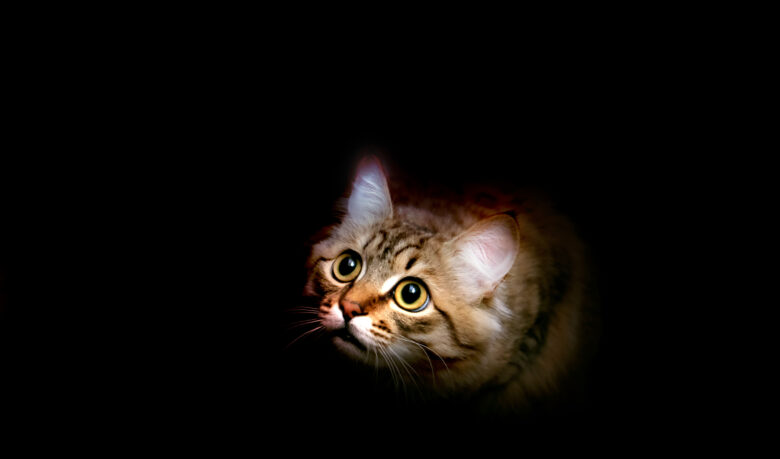
Mistaking a shadow for them
A rolled-up blanket. A neighbor’s cat at the window. In the same study, 77 percent of owners had mistaken another animal for their dead pet, and 32 percent had felt the urge to go look for them.

Your hands still know the routine
Filling the bowl. Calling her name. 93 percent of owners found pet-related habits hard to break. It isn’t evidence that she’s there. It’s evidence of how long she was part of the day.
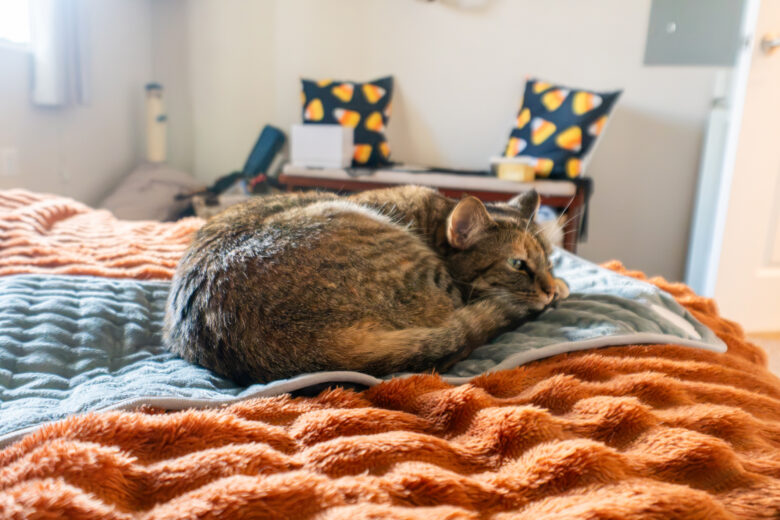
A weight at the foot of the bed
In a study of 544 online comments from bereaved dog owners, people described hearing sounds, feeling their pet’s touch, and, in rare cases, seeing the animal. The researcher, Golbeck, argues these moments are manifestations of continuing bonds, and are almost always positive.
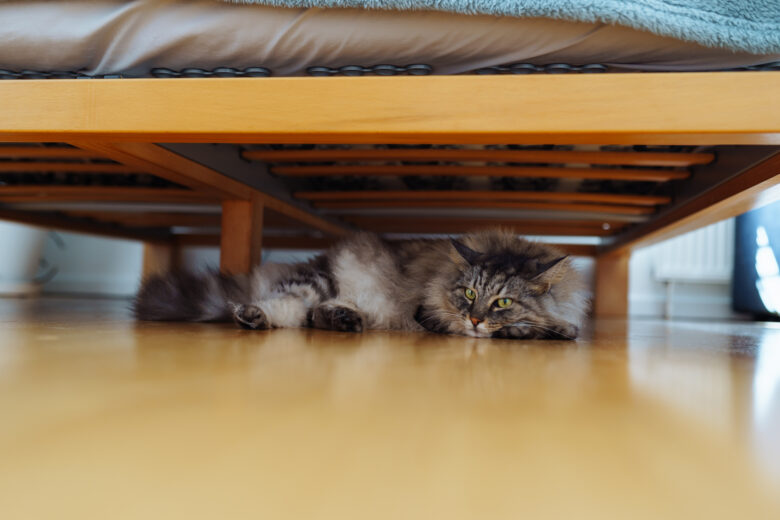
“I saw her sleeping next to our bed in the dark”
That’s how one dog owner in the study put it. Most of the 544 online comments came from owners who simply felt comforted, not frightened.

Dreams that feel too real
“I’ve been dreaming about her,” one owner wrote, and described every morning as a fresh loss. In the first weeks, dreams often replay the loss itself.
A visitor at the window
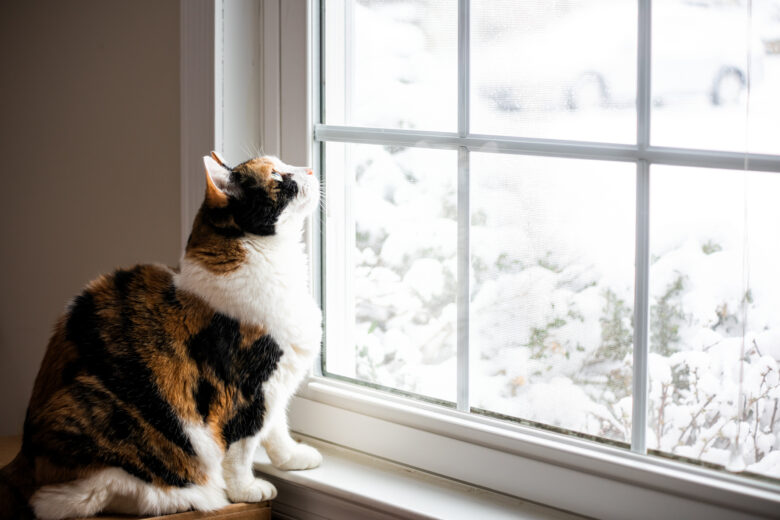
Sixteen percent of the experiences in that study were interpreted as messages. In one example, a white moth appeared at a window right after a pet’s death was announced. Owners decide what a moth means.
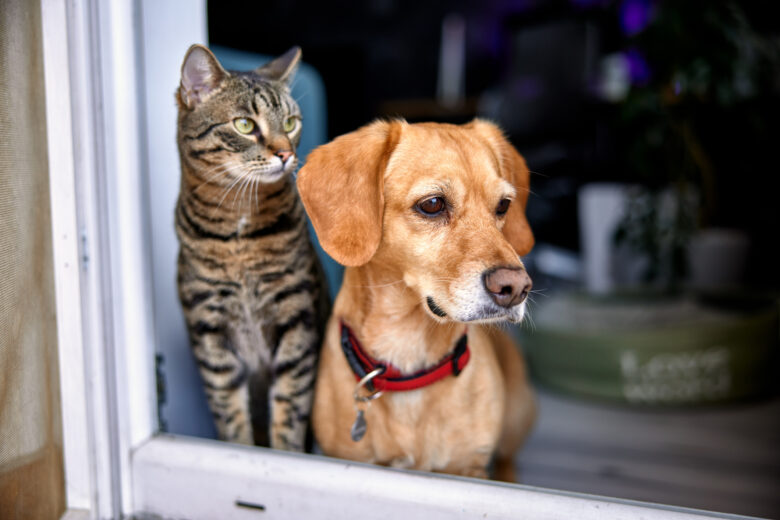
Why is your other pet staring at that spot?
Pets grieve too. An ASPCA study found that over 60% of pets show four or more behavioral changes after losing a companion, and a New Zealand study found that about 60% of dogs and cats clung more to their humans. Whatever the other cat is looking at, she’s responding to a changed house.

A feeling you’re not alone in the room
Among human mourners, feeling the presence of the deceased is the norm rather than the exception, according to a summary of bereavement research. A smaller, earlier study of 33 grieving pet parents found 48 percent had sensed their pet’s presence.

Comfort that shows up on its own
In the 544-comment study, 74.6 percent of experiences left people feeling comforted, reassured, or protected. Only 8.7 percent brought mixed feelings, mostly heartbreak that the pet was gone again once the moment ended. Researchers describe this as continuing bonds, an effort to maintain an emotional attachment after death.
When it feels like too much
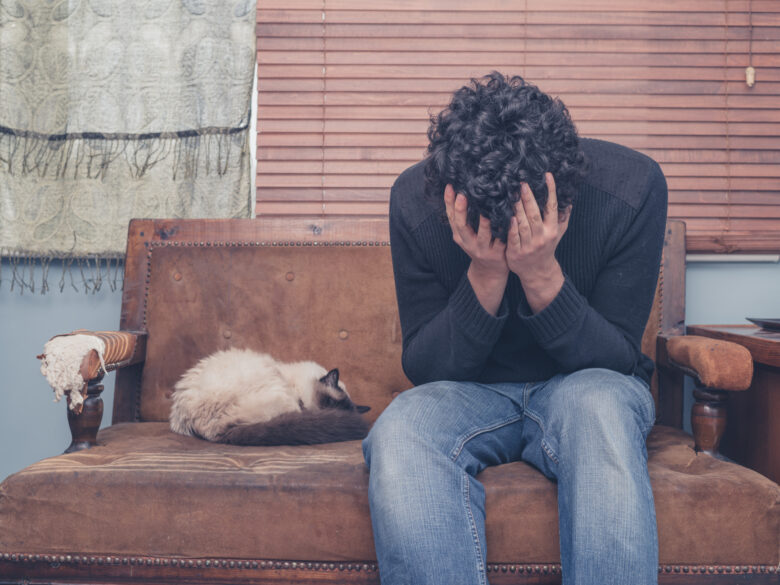
For deeply attached owners, researchers have found that losing a pet and losing a family member feel quite similar. If the grief is heavy, the veterinary schools at Tufts and Cornell both run pet loss support lines, and the ASPCA and the Association for Pet Loss and Bereavement offer support as well.
The bottom line
Researchers can’t say whether any of these signs come from your cat. They can say they’re common, usually comforting, and a normal part of loving an animal after she’s gone.
Ask us! What questions do you have about content, strategy, pop culture, lifestyle, wellness, history or more? We may use your question in an upcoming article!
Related:
Like MediaFeed’s content? Be sure to follow us.
This article was syndicated by MediaFeed.co.