10 Foods People in the ‘Odyssey’ Might Have Actually Eaten
The epic adventures of Odysseus in Homer’s Odyssey are filled with encounters involving mythical creatures and strange meals. While the narrative includes fantastical elements like the intoxicating lotuses or Circe’s magical potions, the diet of the era was far more grounded. People in Bronze Age Greece relied on a variety of simple yet nourishing foods.
These staples not only sustained them but also form the basis of the Mediterranean diet we know today. From the coastal regions to the lush inland areas, the diet varied with the environment and social status. Here are 10 foods that people from the Odyssey’s time might have actually eaten.

10. Diluted Wine
Wine was a central part of ancient Greek culture, but it was typically consumed diluted with water.
This practice helped moderate its intoxicating effects, aligning with the Greeks’ view that drinking undiluted wine was uncivilized. Odysseus uses exceptionally potent, unmixed wine to outwit the Cyclops, showcasing its significance in the epic.

9. Honey
In the absence of cane or beet sugar, honey was the primary sweetener in ancient Greece.
It was a treasured commodity used in various recipes and medicinal concoctions. Greeks often enjoyed honey drizzled over figs or cheese as a sweet treat.

8. Seafood
Living near the coast, ancient Greeks had abundant access to seafood.
Fish such as grouper, sea bass, and mullet were common, often enjoyed fresh or preserved through salting and drying.
7. Sheep and Goat Cheese
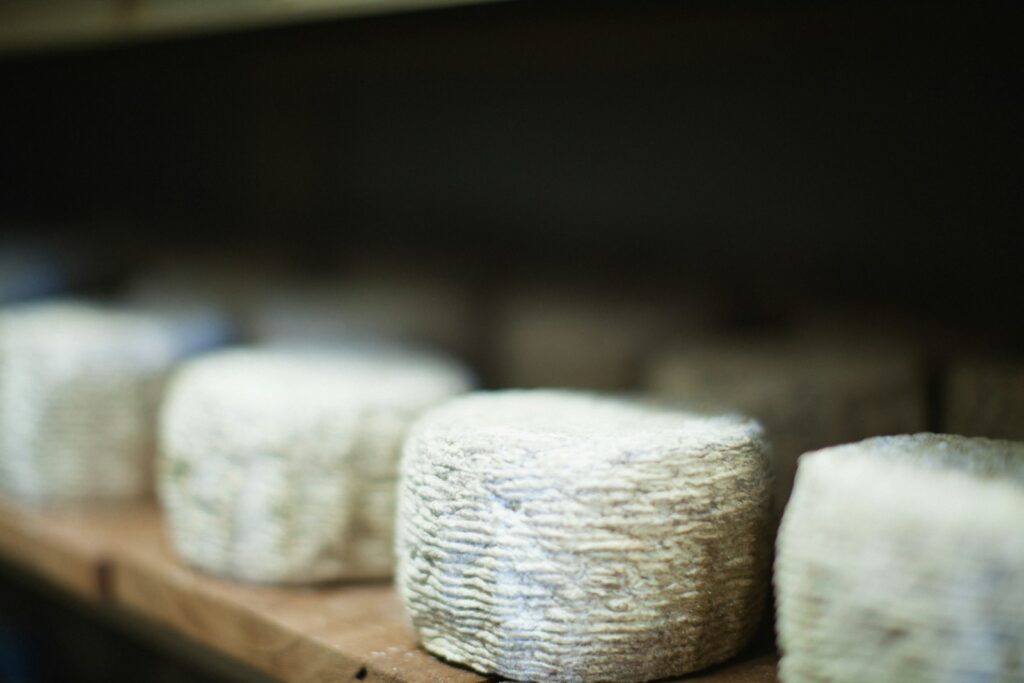
Cheese made from sheep and goat milk was a staple in the Mycenaean diet.
It appears prominently in the Odyssey, where the Cyclops Polyphemus is seen making it, symbolizing its importance in daily life.

6. Figs
Figs were cultivated and consumed in Bronze Age Greece.
They could be eaten fresh or dried for preservation, making them useful beyond the harvest season.
5. Fruits and Vegetables
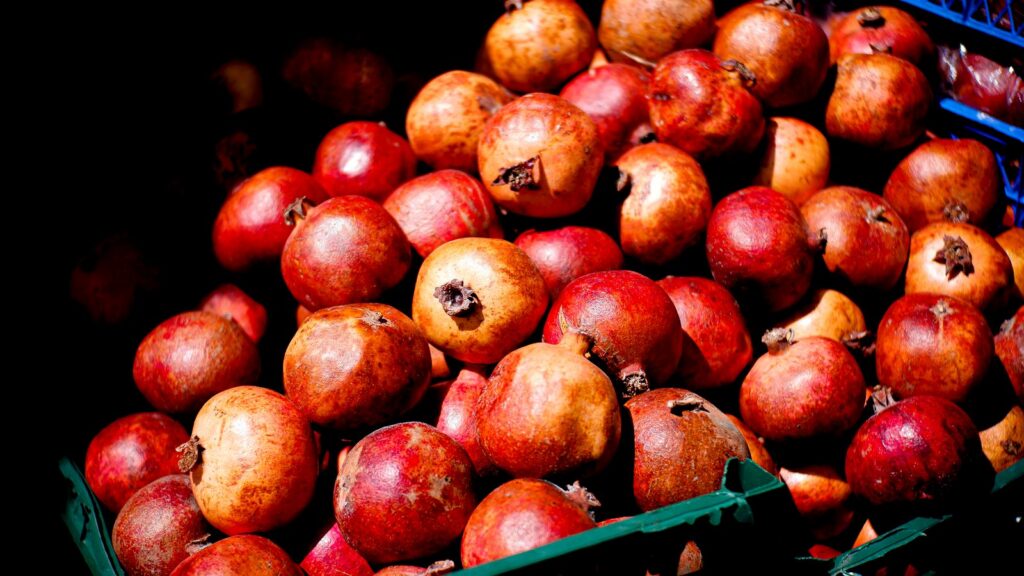
A diverse array of fruits and vegetables complemented the Greek diet.
From pomegranates to lentils, these staples were integral, often forming the basis of soups and meals.
4. Bread
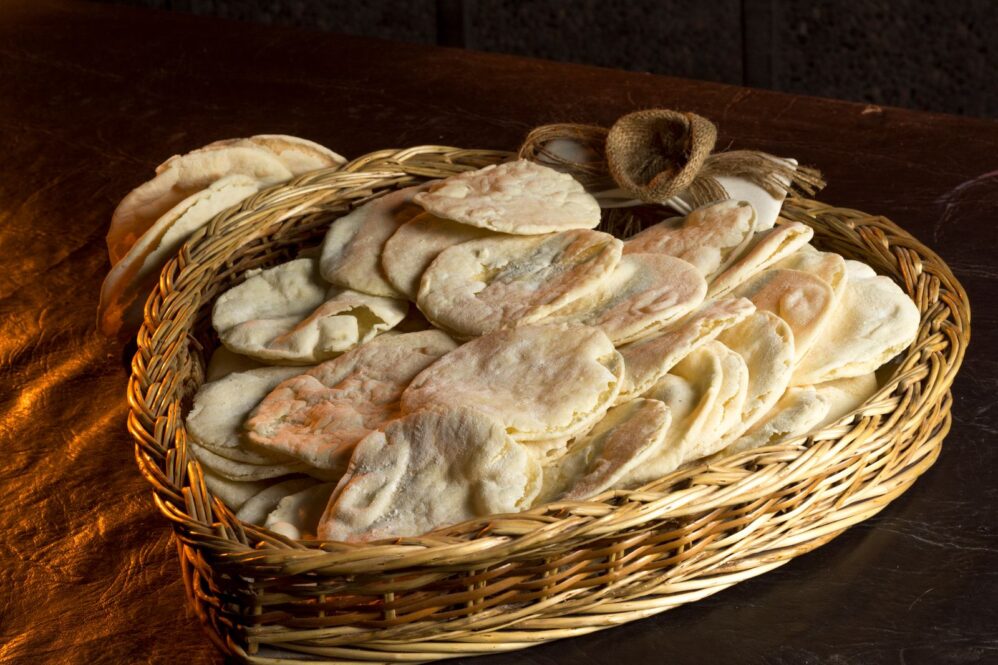
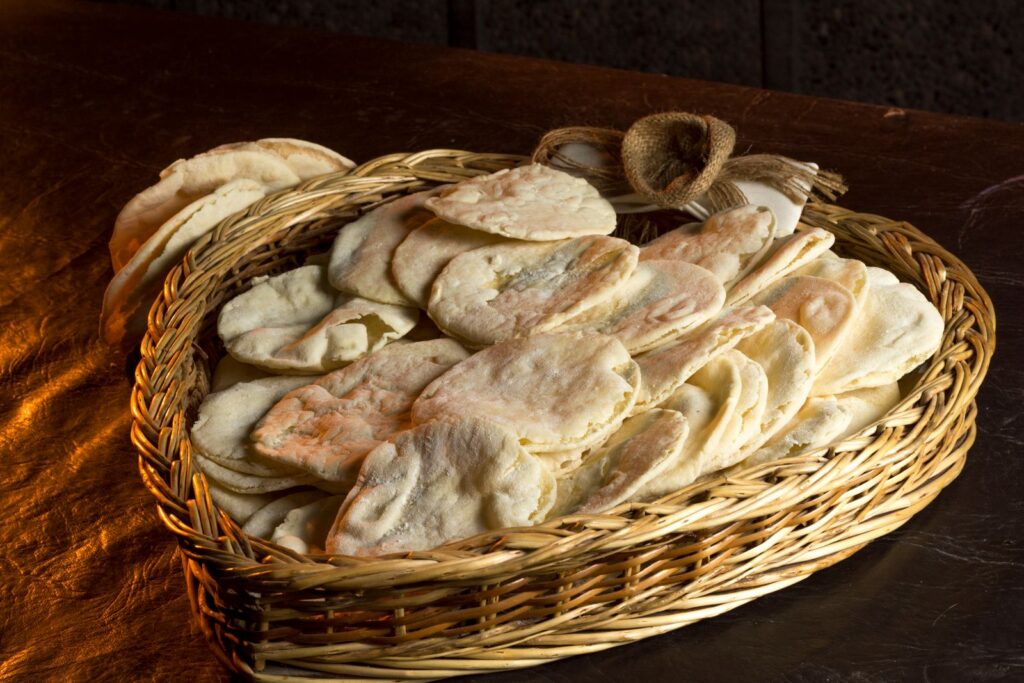
Bread was a fundamental part of meals in Bronze Age Greece, often made from refined wheat flour.
While wealthier families enjoyed bread, poorer families typically consumed porridge, highlighting social disparities.

3. Meat—Sometimes
Despite frequent mentions in the Odyssey, meat was not a regular part of the diet.
It was reserved for special occasions, often following animal sacrifices, with sheep and goats being more common than beef.

2. Olives and Olive Oil
Olives and their oil were indispensable to the Greek diet, used in cooking and as a condiment.
They were a symbol of peace and prosperity, frequently referenced in Greek mythology and daily life.
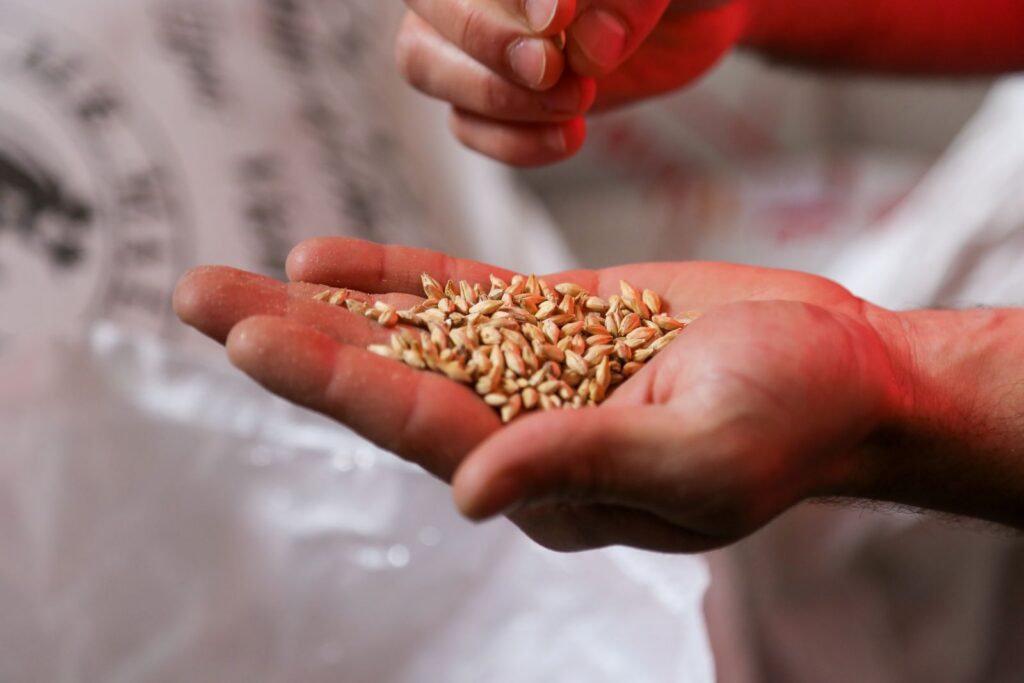
1. Barley
Barley was a staple grain, often used in porridges and breads.
Its versatility made it a crucial part of the diet, providing sustenance across various social classes.
Read More:
- 10 Misrepresentations of Ancient Greece in Movies
- 9 Intriguing Mysteries About Homer’s Existence
- 9 Things You Didn’t Know About the Trojan Horse
Ask us! What questions do you have about content, strategy, pop culture, lifestyle, wellness, history or more? We may use your question in an upcoming article!
Like MediaFeed’s content? Be sure to follow us.
This article originally appeared on Resourcebuzz and was syndicated by MediaFeed.co.