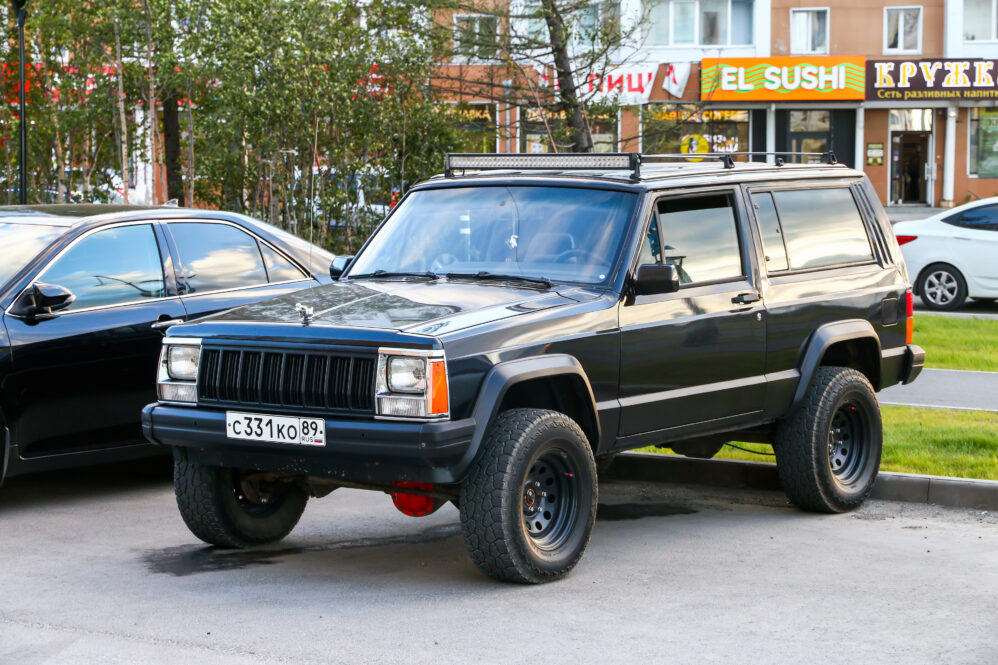
10 blocky cars from the ’80s that went from budget commuter rides to expensive collectors’ items
There is a particular kind of automotive justice that takes several decades to deliver its verdict. The car everyone drove because it was practical, affordable, and utterly unromantic turns out, thirty years later, to be exactly what the collector market wants. Not for irony. Because it was built well, has a distinct visual identity, and represents something real about the decade that produced it. The boxy 1980s are having their moment.
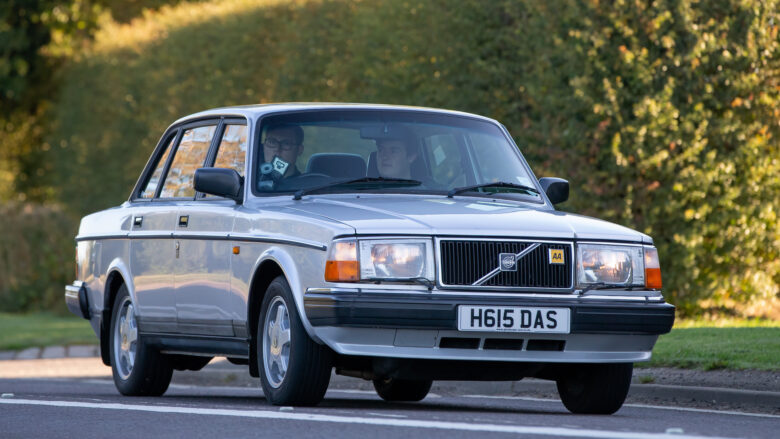
Volvo 240
Volvo sold this car to professors, pediatricians and people who had made a private decision to stop caring what their car said about them. Almost none of them survived in good condition because the people who bought them drove them until they stopped. Hagerty documents the appreciation curve as one of the steeper ones in the boxy segment. Swedish design that built a car to last and then discovered, forty years later, that lasting was the rarest quality of all.
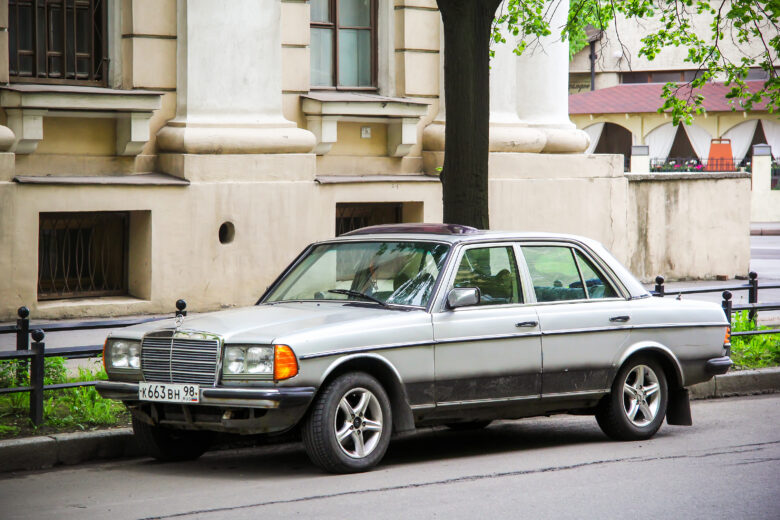
Mercedes-Benz W123
The W123 was being driven simultaneously by West German lawyers and Moroccan taxi drivers, which is either the ultimate proof of concept for a luxury car or a sign that the category distinctions had broken down entirely. Hagerty notes the diesel variants have produced some of the steepest value appreciation in the segment, partly because they’re genuinely difficult to kill and partly because the gap between a tired example and a clean one is so wide that finding the latter feels like an event.
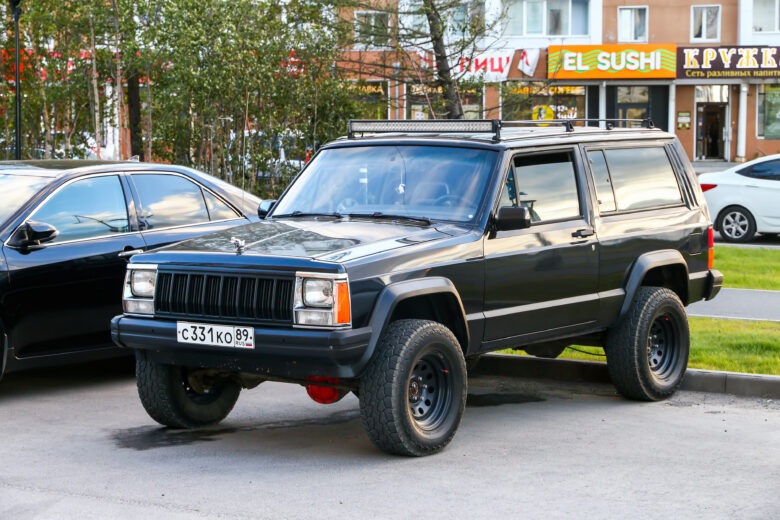
Jeep Cherokee XJ
AMC designed it, Chrysler inherited it, and the brief was to produce a compact SUV that could go off-road without being exclusively an off-road vehicle. The result lasted for 18 years and sold nearly 3 million units, which was not what anyone had planned. Hagerty’s buyer’s guide documents the appreciation timeline: essentially nothing happened until the 2020s, when rust and hard use had made unmolested examples genuinely scarce. The XJ named a category before the category had a name. The market took forty years to notice.
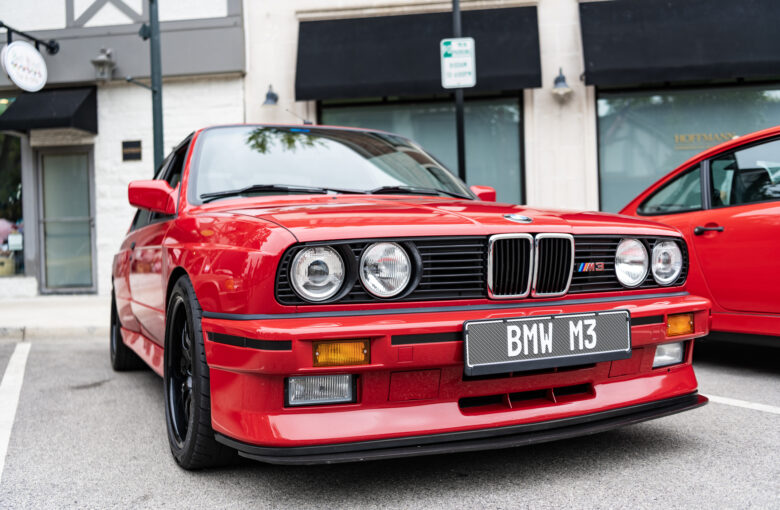
BMW E30
The third-generation 3 Series defined what a sport sedan was supposed to be. Hagerty documents E30 interest skewing young, with enthusiasts born after 1980 making up a substantial portion of insurance inquiries. The M3 has reached stratospheric values. Even standard examples are climbing.
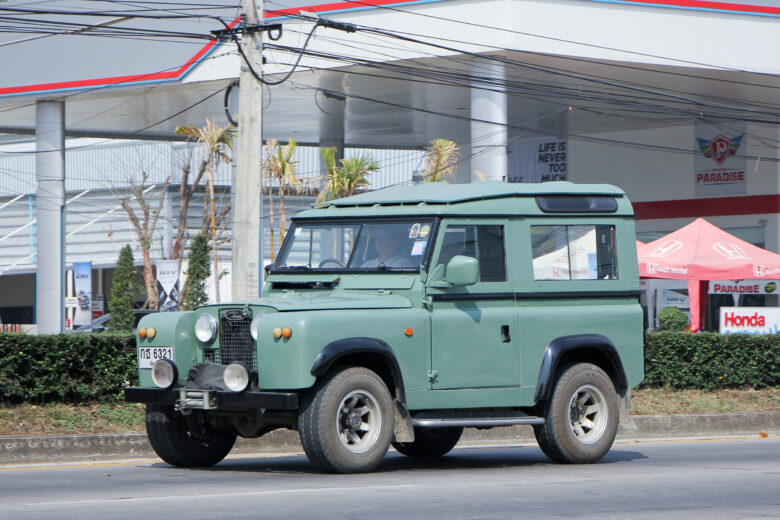
Land Rover Defender
The design originated in 1948 and remained essentially unchanged through 1997. The 1980s models now command high prices among collectors who want the functionality without the electronic complexity of later versions. The design philosophy has aged better than everything around it.
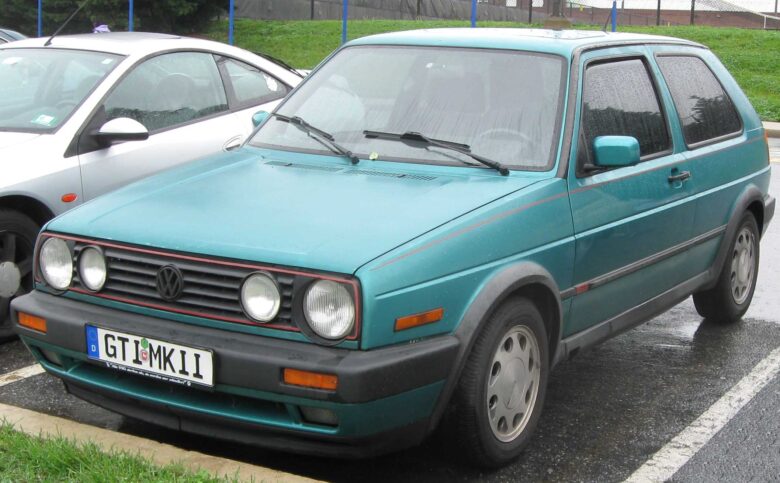
Volkswagen Golf GTI Mk II
A 72% value increase over twelve months, per Hagerty’s market analysis, for a car sitting at used car lots for a few hundred dollars a decade ago. The Mk II GTI taught a generation of European drivers that performance didn’t require a sports car budget. That generation eventually grew up, got disposable income, and went looking for the car they remembered. What they found was that everyone else had the same memory and the supply hadn’t kept pace with the nostalgia.
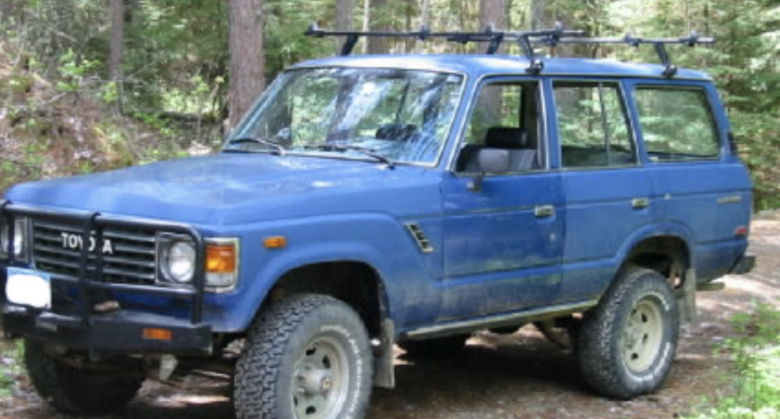
Toyota Land Cruiser FJ60
Everything about the FJ60 was built to outlast the decade that produced it. Square body, high ground clearance, a straight-six that made modest power and remarkable torque, an interior that prioritized function over anything describable as comfort. Hagerty tracks its value trajectory alongside the Cherokee, but rust has been more aggressive, production numbers were lower, and the people who drove them off-road usually drove them very hard indeed. What survives is scarce in a way the Cherokee isn’t quite.
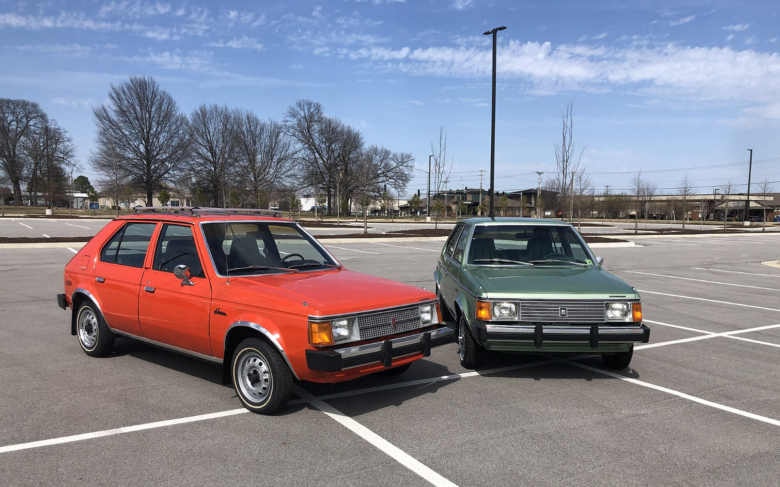
Dodge Omni and Plymouth Horizon
Chrysler’s first serious front-wheel-drive car sold in numbers that should have guaranteed survival. It didn’t, because the people who bought it drove it until the economics of repair no longer made sense. Hagerty documents interest emerging from scarcity rather than any particular affection for the driving experience. The Omni never asked to be rare. It just ended up that way.
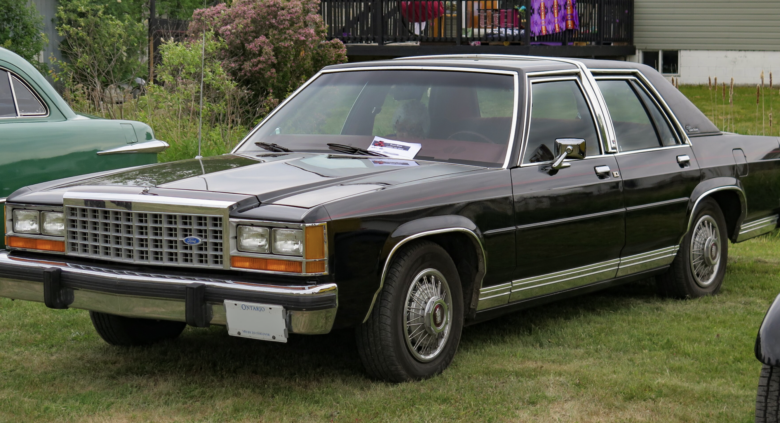
Ford LTD Crown Victoria
Ford kept building this car essentially unchanged from the mid-1970s well into the 1980s, for buyers who had decided what they wanted from a car sometime around 1968 and saw no reason to revise. The body-on-frame construction, the V8, the dimensions that made parallel parking an act of spatial negotiation; none of it updated, none of it apologized for. The Crown Vic survived its era not by adapting to it but by waiting for the era to come around again, which it eventually does for anything built with sufficient conviction.
The bottom line
The cars that appreciate are the ones built with conviction — a clear design language, a specific purpose, a reason to exist beyond the quarterly sales report. The 1980s boxy car built all of that into a body shape nobody thought was beautiful at the time and that now reads, unmistakably, as classic.
Ask us! What questions do you have about content, strategy, pop culture, lifestyle, wellness, history or more? We may use your question in an upcoming article!
Related:
- 10 car features we thought were high-tech in the ’80s
- Rare muscle cars almost no one has seen on the road
Like MediaFeed’s content? Be sure to follow us.
This article was syndicated by MediaFeed.co.