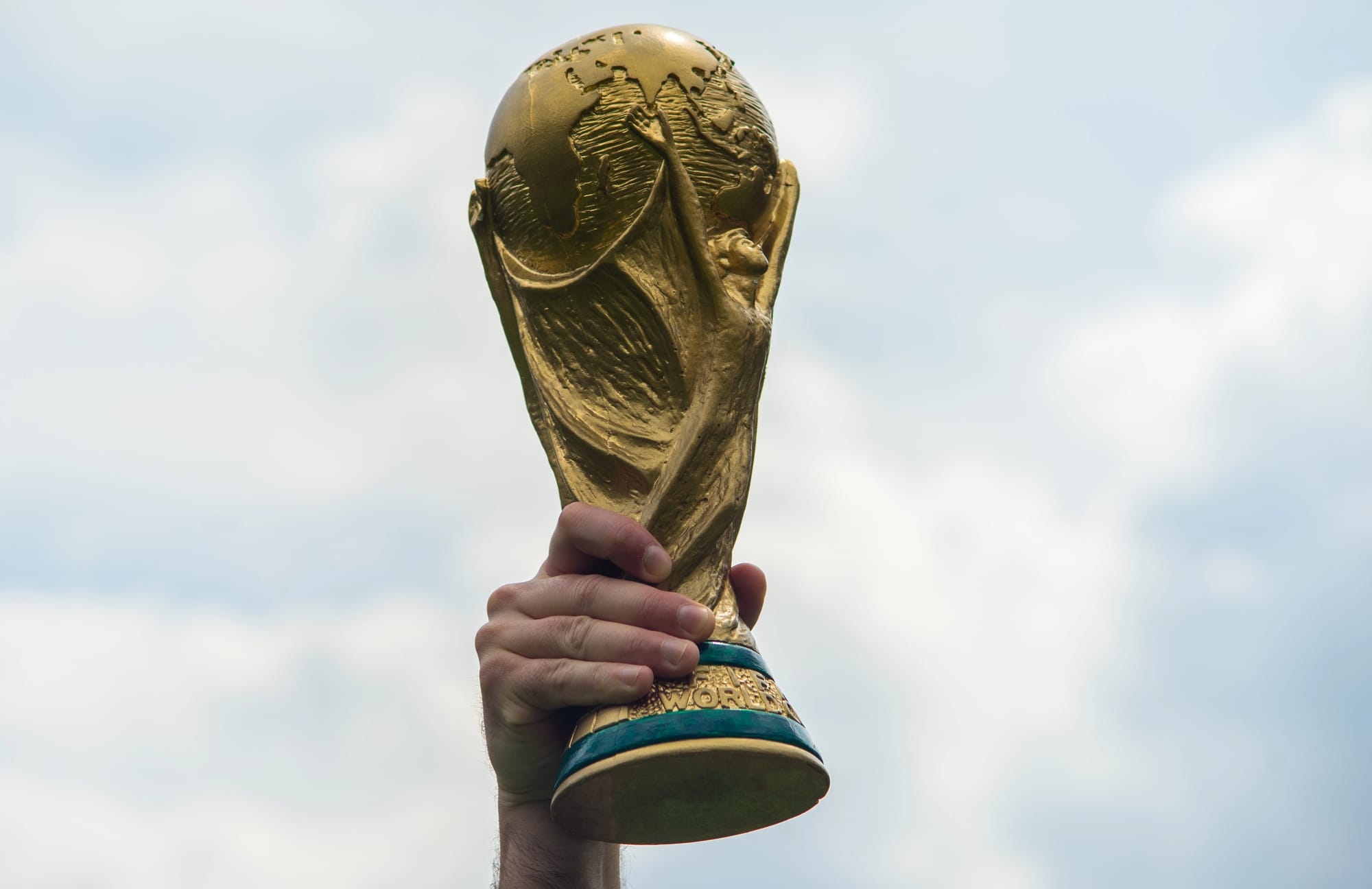
World Cup superstitions: a global phenomenon
The FIFA World Cup transcends mere sporting competition to become a unifying global cultural event that stops the world every four years. More than any other tournament, the World Cup brings together diverse nations, languages, and traditions under the banner of football, creating shared experiences that span continents and generations. The tournament’s reach extends far beyond the confines of stadiums, penetrating households, communities, and cultures in ways that reveal the profound emotional investment millions place in their national teams’ fortunes.
Within this atmosphere of intense passion and national pride, superstitions flourish as fans desperately seek ways to influence outcomes beyond their control. Football supporters worldwide embrace elaborate rituals, lucky charms, and behavioral patterns they believe can somehow affect their team’s performance thousands of miles away. These practices reflect humanity’s fundamental need to impose order on chaos and find agency in situations where they are essentially powerless observers.
The diversity and often quirky nature of World Cup superstitions reveal fascinating insights into different cultures while demonstrating the universal human tendency to blend rational support with irrational hope. From South American spiritual practices to European ritual behaviors, from African traditional blessings to Asian number symbolism, these superstitions create a rich tapestry of belief that adds depth and character to the world’s most watched sporting event.
The psychology behind football superstitions
Superstitions in sports emerge from fundamental psychological needs that become amplified during high-stakes competitions like the World Cup.The illusion of control plays a central role, as fans desperately want to believe their actions can somehow influence outcomes occurring in distant stadiums. This psychological phenomenon becomes particularly powerful during penalty shootouts, crucial matches, or tournament finals where the margin between victory and defeat feels razor-thin.
The communal aspect of superstitions creates powerful bonds among supporters who share similar rituals and beliefs. When thousands of fans simultaneously perform the same lucky behaviors, these practices transform from individual quirks into collective cultural expressions that reinforce group identity and solidarity. These shared superstitions become part of what defines a fanbase, creating traditions passed down through generations of supporters.
Uncertainty and lack of control intensify during World Cup tournaments where single matches can determine a nation’s fate for the next four years. Unlike league competitions where poor results can be corrected over time, the World Cup’s knockout format means that one bad day or unlucky bounce can end dreams instantly. This compressed timeline and finality amplify fans’ desperation to find any possible advantage, no matter how irrational it might seem to outside observers.
Lucky charms and magical objects dominate fan rituals
Football supporters worldwide invest extraordinary power in physical objects they believe can influence their team’s performance.Specific jerseys become talismanic, with fans refusing to wash or change shirts that were worn during previous victories, even if they no longer fit properly or have become threadbare through repeated use. These garments transcend mere clothing to become sacred objects that must be preserved exactly as they were during moments of success.
Mascots and figurines occupy special places in many fans’ homes and hearts, with supporters believing these objects contain protective powers for their teams. Religious items like rosaries, crosses, or prayer beads often serve dual purposes as expressions of faith and lucky charms, particularly in deeply Catholic countries where football and spirituality intertwine seamlessly. Some fans create elaborate shrines combining team memorabilia with religious symbols, treating these displays as sacred spaces requiring regular attention and respect.
Personal jewelry, coins, and trinkets develop significance through association with memorable victories or important matches. A watch worn during a semifinal victory becomes indispensable for the final, while a lucky coin tossed before each match must maintain its exact routine to preserve its power. These objects often outlast the tournaments that made them significant, becoming permanent fixtures in fans’ lives and eventually inherited by children who continue the family traditions.
Ritualistic behaviors create structured hope
Pre-match routines evolve into elaborate ceremonies that fans must perform with religious precision before each game. These rituals might involve eating specific foods in particular orders, listening to designated songs at exact times, or following precise walking routes to viewing locations.Argentine fans are particularly famous for recreating every detail of successful match days, including wearing identical clothing, gathering with the same people, and consuming identical meals in the same sequence.
During matches, fans develop complex behavioral patterns they believe influence play on the field. Sitting in specific chairs, crossing fingers at crucial moments, or performing particular gestures during penalty kicks become mandatory actions that cannot be abandoned without risking their team’s chances. Some supporters refuse to celebrate goals immediately, fearing premature jubilation might jinx the result, while others have elaborate post-goal routines they must complete to ensure the lead is maintained.
The timing and sequence of these rituals often matter as much as the actions themselves. Fans who successfully predicted outcomes through specific behaviors become convinced that precise replication is essential for future success. These routines can become so complex and demanding that they transform the simple act of watching football into elaborate performance art that requires careful planning and flawless execution.
Clothing choices become armor against defeat
Wearing lucky outfits represents one of the most common and visible World Cup superstitions, with fans developing emotional attachments to specific garments that transcend normal fashion considerations. The same shirt, scarf, or hat that witnessed a crucial victory becomes mandatory attire for subsequent matches, regardless of weather conditions, social appropriateness, or the item’s deteriorating condition. These clothing choices often ignore comfort or practicality in favor of perceived magical properties.
Some supporters take clothing superstitions to extremes by refusing to wash lucky garments throughout entire tournaments, believing that cleaning might remove the accumulated good fortune embedded in the fabric.This practice extends to underwear, with fans wearing the same undergarments for weeks if their team continues winning, prioritizing superstition over hygiene in pursuit of continued success.
Hairstyles and facial hair also become subjects of superstitious behavior, with fans growing playoff beards or maintaining specific cuts throughout successful tournament runs. These personal grooming choices create visible markers of tournament progression while serving as constant reminders of the stakes involved. The decision to cut hair or shave becomes fraught with anxiety about potentially breaking lucky streaks and disappointing not just themselves but their entire fanbase.
Global variations reveal cultural diversity
South American football cultures embrace particularly intense superstitious practices that blend indigenous spiritual traditions with Catholic beliefs and football passion.Brazilian fans incorporate elements of Afro-Brazilian religions, including offerings to spiritual entities and protective rituals designed to ward off opponents’ negative energy. The concept of “mandinga” suggests that supernatural forces can influence football outcomes, leading to elaborate ceremonies meant to invoke divine assistance for the national team.
Argentina’s superstitious culture revolves around the concept of “mufa,” or bad luck, which fans desperately try to avoid through careful behavioral control. Argentine supporters develop complex systems for neutralizing negative energy, including specific phrases, gestures, and avoidance behaviors designed to protect their team from supernatural harm. These practices become so embedded in fan culture that they’re transmitted across generations as essential knowledge for proper team support.
European superstitions often focus on personal rituals and object-based beliefs rather than spiritual intervention. Italian fans embrace the concept of “gufata,” or jinxing, leading to elaborate precautions against tempting fate through overconfidence or premature celebration. German supporters develop methodical approaches to luck, including systematic clothing choices and structured pre-match routines that reflect their culture’s emphasis on organization and preparation.
African spiritual traditions enrich World Cup folklore
African football cultures integrate traditional spiritual practices with modern tournament support, creating unique superstitious expressions that reflect deep connections between football and ancestral beliefs. Teams often consult traditional healers before major matches, seeking blessings and protection through ceremonies that honor spiritual traditions while adapting them to contemporary sporting contexts. These practices demonstrate how football superstitions can preserve and express cultural identity on the world’s biggest stage.
Different tribal and national traditions contribute distinct elements to African football superstitions, from specific charms and protective amulets to ceremonial rituals performed by community elders. These practices often involve entire communities rather than individual fans, reflecting collectivist cultural values where team success benefits everyone and therefore requires collective spiritual effort.
The integration of traditional African spirituality with football creates superstitions that often extend beyond individual matches to encompass entire tournament campaigns and even qualification processes. Communities might perform seasonal rituals tied to agricultural cycles, adapting ancient practices to support modern football endeavors while maintaining connections to ancestral wisdom and cultural continuity.
Asian cultures blend numerology with football faith
Asian football superstitions frequently incorporate traditional beliefs about lucky and unlucky numbers, colors, and symbols into tournament support strategies. The significance of specific numbers varies across different Asian cultures, with some fans avoiding certain jersey numbers or match dates they consider inauspicious while embracing others believed to bring good fortune.
Buddhist and Shinto blessing ceremonies for national teams reflect how organized religions adapt to support football endeavors, with monks and priests offering spiritual assistance for tournament success. These formal religious interventions demonstrate how football transcends entertainment to become a matter worthy of divine attention and intervention, particularly during World Cup competitions where national pride is at stake.
Color symbolism plays important roles in Asian football superstitions, with fans carefully choosing clothing and decorations based on traditional beliefs about which hues bring luck or protection. Red might be favored for its associations with good fortune and prosperity, while other colors are avoided due to connections with death or misfortune in specific cultural contexts.
Modern technology amplifies superstitious behaviors
Social media platforms have revolutionized how World Cup superstitions spread and evolve, allowing local practices to achieve global recognition while enabling fans to coordinate elaborate collective rituals across vast distances. Hashtags and viral videos can transform individual superstitious behaviors into international phenomena, with successful practices quickly adopted by supporters of different teams who hope to capture similar luck for their own squads.
The documentation and sharing of superstitious behaviors through digital platforms has created new pressures for consistency and public accountability in ritual performance. Fans who publicly commit to specific superstitious practices during tournaments face scrutiny from online communities who monitor their adherence to self-imposed rules, creating additional stakes beyond their team’s actual performance on the field.
Live streaming and real-time communication allow geographically dispersed fan communities to synchronize their superstitious behaviors, creating global moments where millions of people simultaneously perform identical rituals in support of their teams. These coordinated efforts reflect how technology can enhance the communal aspects of superstition while creating new forms of collective action that transcend traditional geographical boundaries.
The enduring power of hope over logic
World Cup superstitions persist despite their obvious logical flaws because they serve psychological and social needs that extend far beyond their supposed effectiveness in influencing match outcomes. These practices provide fans with agency and purpose in situations where they are essentially powerless spectators, transforming passive observation into active participation in their teams’ quests for glory.
The universality of superstitious behavior across cultures and educational levels demonstrates that rationality alone cannot satisfy human emotional needs during highly stressful and uncertain situations. Even fans who intellectually understand that their rituals cannot actually affect distant football matches continue practicing them because the psychological comfort and social connection they provide are valuable regardless of their supernatural efficacy.
These colorful traditions add richness and depth to the World Cup experience, creating human interest stories that complement the athletic competition while revealing the profound emotional investment that makes football the world’s most beloved sport. Whether rooted in genuine belief or playful tradition, superstitions enhance the tournament’s drama and provide insight into the diverse ways humans cope with uncertainty, hope, and collective dreams.
Related:
Like MediaFeed’s content? Be sure to follow us.
This article was syndicated byMediaFeed.org.