I’ve been passionate about fitness long before becoming a mom to my now-13-year-old son. As a dancer turned cheerleader turned yoga teacher, movement has always been my thing.
In my 20s, staying active became even more essential as I found myself chasing around a whirlwind of a toddler. Fast forward to my 30s, and I’m facing the infamous metabolic slowdown I’d always heard about. Fortunately, keeping fitness front and center has helped me tackle it head-on. I’ve been diving deeper into strength training and exploring new ways to stay strong as I age—which led me to learn more about creatine.
My boyfriend and I love to work out, often with the kids in tow (his daughter, a.k.a. my “bonus” kiddo, is 7). It’s one of those special ways we carve out intentional time together while keeping each other motivated to stay healthy. But when he first introduced me to creatine, I have to admit, I was a bit skeptical.
Initially, I figured he was just jumping on the gym-bro bandwagon, and I wasn’t sure the supplement was going to do much for me. It’s not like I’m trying to “bulk up”; I just want to maintain my strength and mobility as I get older. But then I found out my boyfriend’s been using creatine for 24 years (so definitely not a passing fad), and he had plenty of firsthand experience to back up his enthusiasm for the supplement.
As a health writer, I can’t help but dive into the research when something piques my interest—so that’s exactly what I did. And as it turns out, creatine offers some impressive health benefits for women, especially when it comes to maintaining strength and resilience as we age.
Image Credit: Farion_O / iStock.
What the science says about creatine

When I started digging into the research, I was surprised by what I found. Sure, the buzz around creatine and building lean muscle made sense—that’s one of its most well-known benefits—but what really caught my eye was a 2021 study in the journal Nutrients, which found that creatine could be especially helpful for postmenopausal women. It showed potential for improving body composition, supporting bone density, and even enhancing mood and cognition. That was more than enough to get me curious, so I decided to give it a try.
Image Credit: Stefan Simonovski / iStock.
How I added creatine to my routine
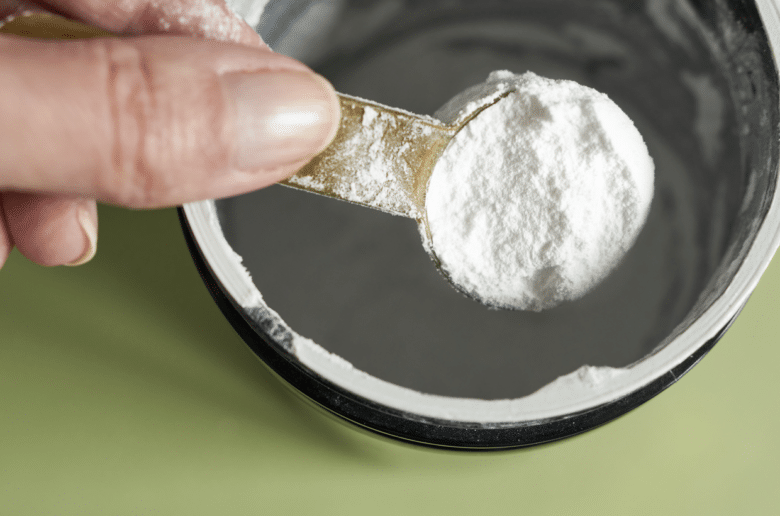
After doing my homework, my boyfriend and I settled on a two-pronged approach to creatine supplementation. For workout days, we opted for BodyTech’s Creatine + Glutamine with Beta-Alanine to maximize performance. On recovery days, we kept it simple with straight Creatine Monohydrate to support muscle repair.
For the uninitiated, beta-alanine is known for its ability to delay fatigue. It does this by increasing carnosine levels, which helps reduce the burning sensation that comes from lactic acid buildup in the muscles. Simply put, it makes it easier to work out harder for longer.
Glutamine, on the other hand, aids recovery by replenishing depleted muscle stores after working out, reducing inflammation, and preventing the body from using muscle tissue for energy. While you can take beta-alanine and glutamine on non-workout days, we wanted to optimize our routine by reserving them for strength-training sessions.
Image Credit: Natalia Rusanova / iStock.
Loading vs. maintenance
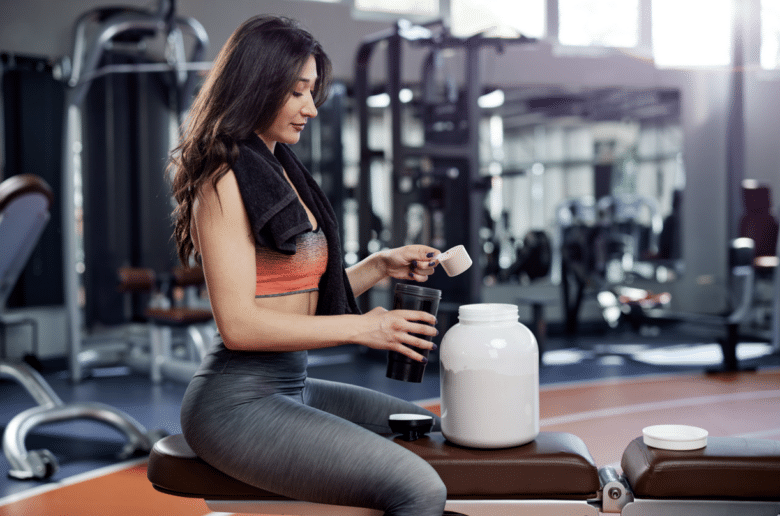
There’s some debate about whether to start creatine supplementation with a loading phase, which involves taking a large dose—about 20 grams per day—for five to seven days, followed by a maintenance dose of 3 to 5 grams per day. The idea is that the loading phase helps your muscles reach saturation more quickly, meaning your creatine stores are maxed out and the muscles can’t hold anymore.
However, research shows that a loading phase isn’t necessary, so I jumped straight to the maintenance dose to keep things simple. As a mom, I’ve got bigger fish to fry than worrying about fitting in multiple creatine doses throughout the day. After all, I’m not trying to become a bodybuilder.
Image Credit: millann / iStock.
Let’s talk about “the tingles”

If you’re taking creatine with beta-alanine like I am, you should know about the “tingles,” technically called paresthesia. This harmless side effect creates a pins-and-needles sensation on the skin about 15 to 30 minutes after taking beta-alanine due to sensory neurons firing more rapidly than usual.
When I first felt the “tingles,” I thought it might have been anxiety, because I get a similar prickly-heat sensation when I’m nervous. Then, I remembered I had taken beta-alanine. My boyfriend loves this effect, along with the tangible boost in endurance he feels from taking beta alanine.
Image Credit: Liudmila Chernetska / iStock.
How creatine affects my workouts and recovery
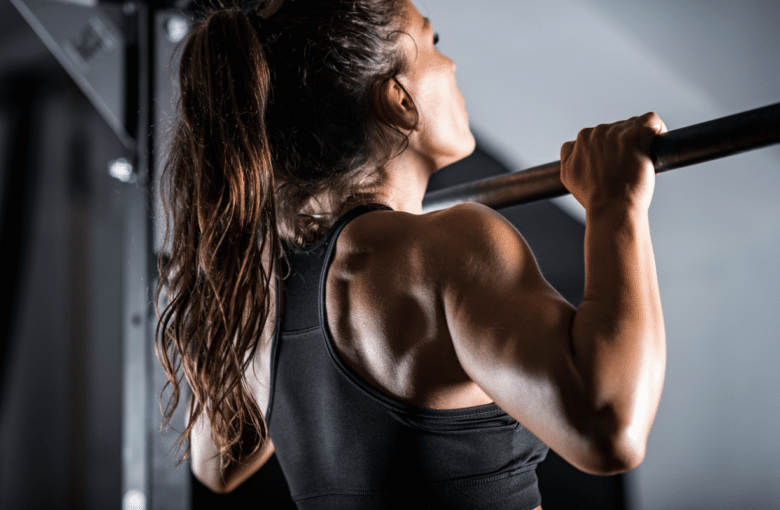
When I first started taking creatine before my workouts, it was hard to say whether I was getting any immediate benefit, especially because I was also experiencing a boost from the beta-alanine. However, after taking creatine consistently and reaching saturation, I can honestly say I feel more powerful when I’m lifting weights compared to before. I’ve increased my weight threshold week over week for all of my regular exercises, including deadlifts, bench presses, and negative pull-ups.
On top of that, my recovery time is almost non-existent. I used to get sore two days after working out, which was always a bit discouraging because I prefer to work out every other day if I can. That delayed muscle soreness meant that my second workout was always a little lackluster compared to my first. Now, I experience virtually no soreness after my routine workouts, which means I can jump back in faster and with more power than I used to.
It’s worth noting that if I venture outside of my regular workout routine and engage muscles that I rarely or never engage, that soreness returns. For instance, after a recent snowboarding trip (the first time in years), I was feeling it in my shins, calves, and parts of my butt that I didn’t know existed. However, this soreness didn’t have the same sharp and achy feeling that I’m used to when I go hard, and I have to wonder if that’s the creatine taking the edge off.
Image Credit: Credit:microgen / iStock.
How to handle the water weight
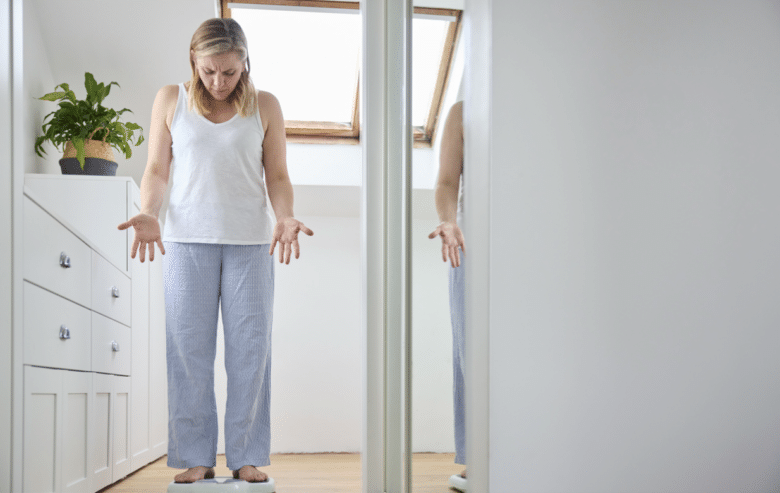
One of the potentially undesirable effects of creatine is the potential for water weight gain, which may register as 4 or 5 extra pounds on the scale once you reach saturation. This isn’t weight from fat, but from water retention—a net positive when it comes to building muscle.
This means it’s crucial to stay hydrated while taking creatine, because it increases the body’s demand for water and draws water into the muscle cells to support protein synthesis. Drinking lots of fluids can also counterintuitively help reduce bloating by flushing out extra water through urination. Reducing sodium intake can help minimize bloating, too.
Some people say they notice this water weight on their body, even in their cheeks and face, but I don’t notice any visual difference in my body—just the scale! If you’re concerned about water weight gain, skip the loading phase and go straight into a daily maintenance dose to minimize the effects.
Any water retention caused by creatine goes away when you stop supplementation. You may still gain weight from building muscle, but that’s the kind of weight you want to gain, IMHO. This kind of gain doesn’t necessarily contribute to bulk, but it can help you achieve a toned and lean look if your overall body fat percentage is low.
Image Credit: Highwaystarz-Photography / iStock.
Takeaway
I’ll admit, I was pretty skeptical about creatine at first. But now? I’m a total convert (much to my boyfriend’s delight). We’re officially creatine buddies now, reminding each other to take our doses on workout and recovery days.
The workout and recovery perks are incredible, but honestly, the best part about adding creatine to my routine is the confidence it gives me. I know I’m doing everything I can to stay strong, mobile, and resilient as I age. I want to keep crushing it in the gym—and maybe even give my teenager a run for his money when it comes to staying active!
- Read more: 6 tips for maximizing the benefits Of creatine
- Read more: Use these tips to prevent creatine bloat
- Read more: Why strength training is absolutely crucial as women age
This The Vitamin Shoppe article originally appeared on WhatsGoodbyV.com and was syndicated by MediaFeed.org.
Like MediaFeed’s content? Be sure to follow us.
Image Credit: eakgrunge / iStock.