Some presidential quotes are so profound that they aren’t just words; they’re milestones that have shaped the course of American history, capturing the essence of eras, encapsulating philosophies, and inspiring generations. From George Washington’s calls for liberty to Barack Obama’s emphasis on change, these presidential quotes offer profound insights into the minds of the men who have led the nation. See if you can match the words to the president who spoke (or wrote) them!
Image Credit: Depositphotos.com.
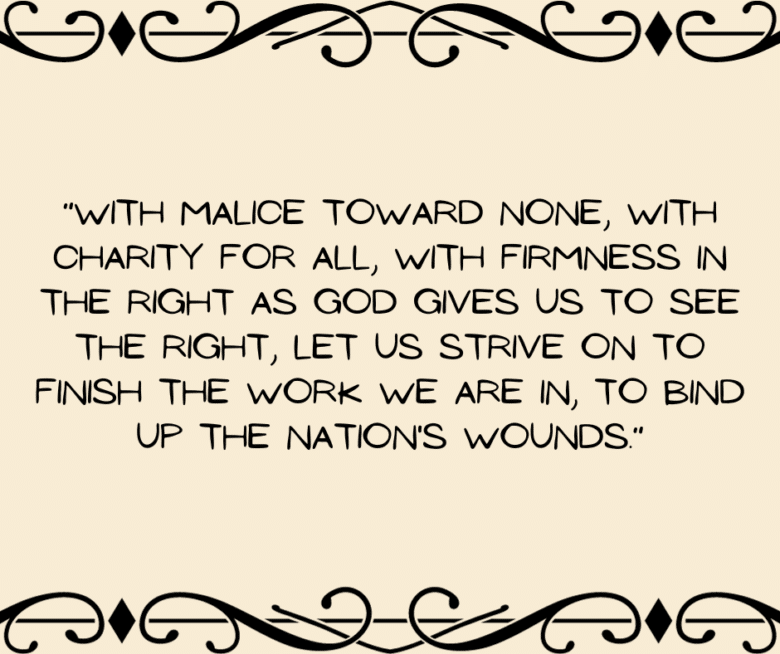
Image Credit: MediaFeed.
Abraham Lincoln
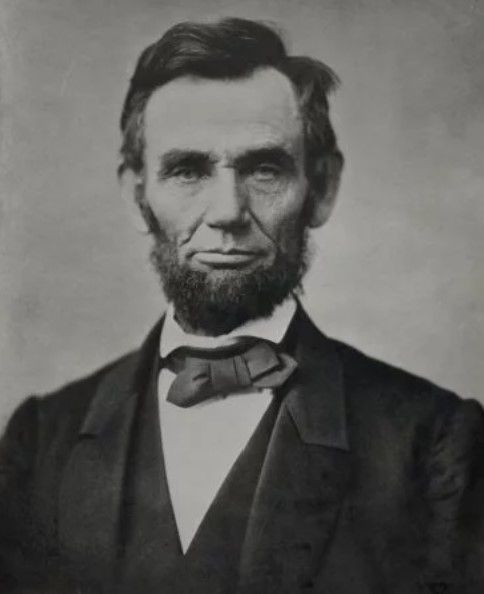
This quote is taken from Lincoln’s Second Inaugural Address, delivered on March 4, 1865, near the end of the American Civil War. The speech is known for its reflective tone and its call for healing and unity as the country prepared for the end of the conflict.
Image Credit: Library of Congress.

Image Credit: Mediafeed.
George Washington
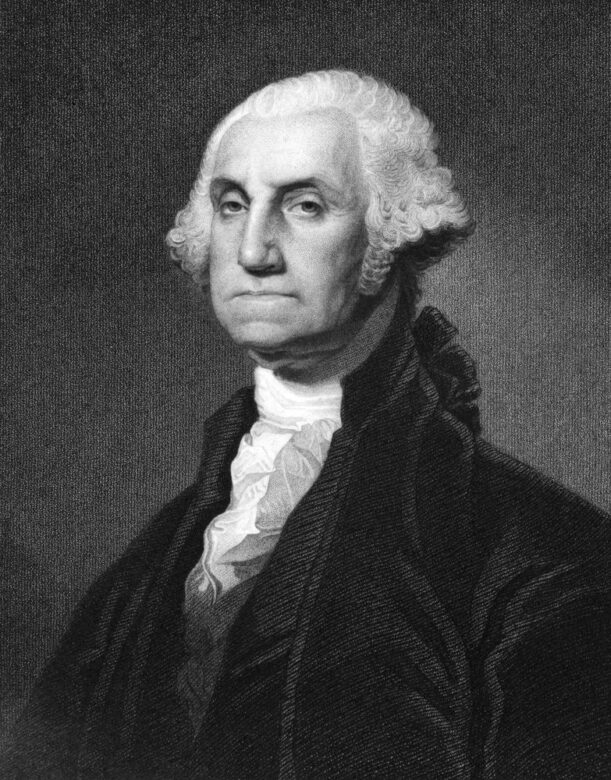
This statement was made in a letter to James Madison on March 2, 1788, during the period when the newly drafted U.S. Constitution was being debated and ratified by the states. The quote encapsulates Washington’s optimistic view on the burgeoning American experiment in democracy and self-governance. He believed that once the concept of liberty took hold among the people, it would flourish quickly, thereby reinforcing the democratic foundations of the nation. The quote is often cited as a testament to Washington’s commitment to the principles of freedom and self-determination, principles that were groundbreaking at the time and would go on to shape the identity of the United States.
Image Credit: DepositPhotos.com.
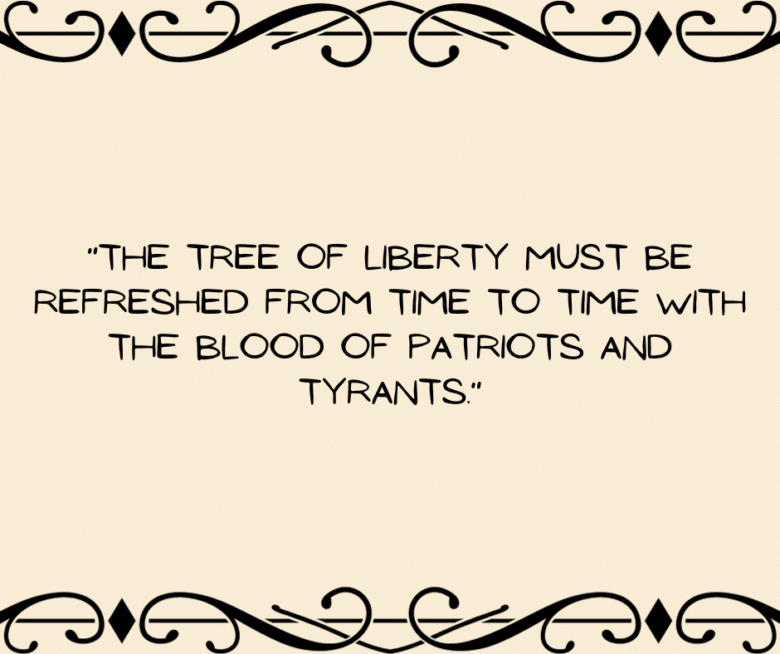
Image Credit: Mediafeed.
Thomas Jefferson
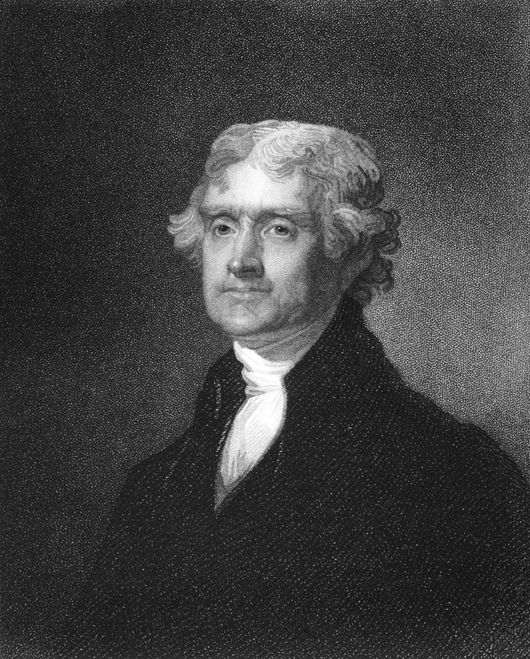
Jefferson penned these words in a letter to William Stephens Smith on November 13, 1787, against the backdrop of post-revolutionary America and the global context of political unrest, including the early rumblings of the French Revolution. At the time, the young United States was undergoing internal debates surrounding the ratification of the Constitution and the balance of governmental power. Jefferson’s quote reflects his belief that the maintenance of liberty might require periodic upheaval or even violent struggle, emphasizing that both patriots and tyrants may have to make sacrifices.
Image Credit: GeorgiosArt/istockphoto.

Image Credit: MediaFeed.
Theodore Roosevelt
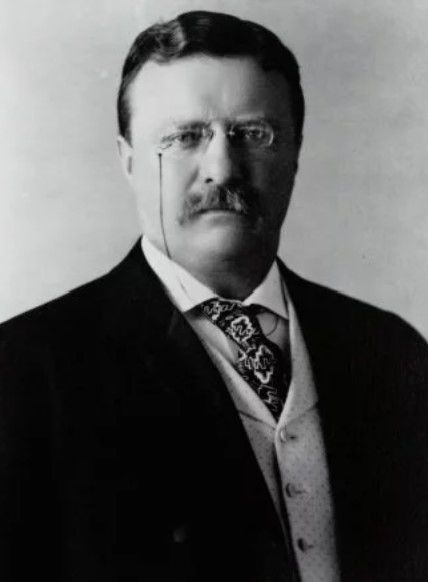
Roosevelt first publicly used this adage in a speech at the Minnesota State Fair on September 2, 1901, just days before he assumed the presidency following William McKinley’s assassination. The quote encapsulates Roosevelt’s approach to foreign policy, which later came to be known as the “Big Stick Diplomacy.” Essentially, Roosevelt advocated for peaceful negotiations with a non-aggressive demeanor (“speak softly”) while maintaining a strong and capable military force as a deterrent (“carry a big stick”). This approach significantly influenced U.S. foreign policy, particularly in Latin America and the Caribbean, where Roosevelt sought to establish the United States as a stabilizing power while minimizing direct conflict.
Image Credit: Library of Congress.

Image Credit: MediaFeed.
Franklin D. Roosevelt
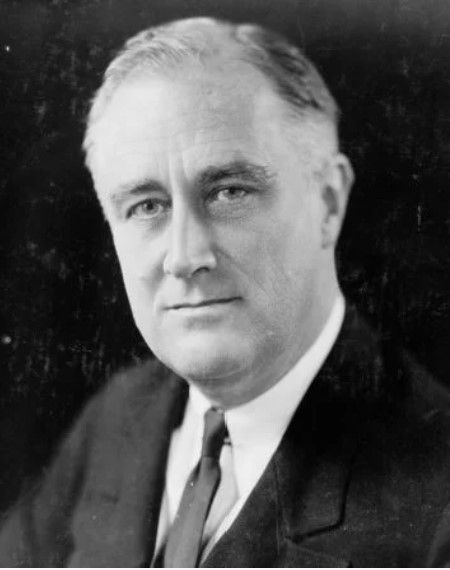
This iconic quote came during FDR’s first inaugural address on March 4, 1933. At the time, the United States was in the depths of the Great Depression, facing unprecedented levels of unemployment, poverty, and economic despair. Roosevelt’s statement aimed to rally the nation, emphasizing that fear and paralysis could exacerbate the crisis and hinder recovery efforts.
Image Credit: Library of Congress.

Image Credit: MediaFeed.
George W. Bush
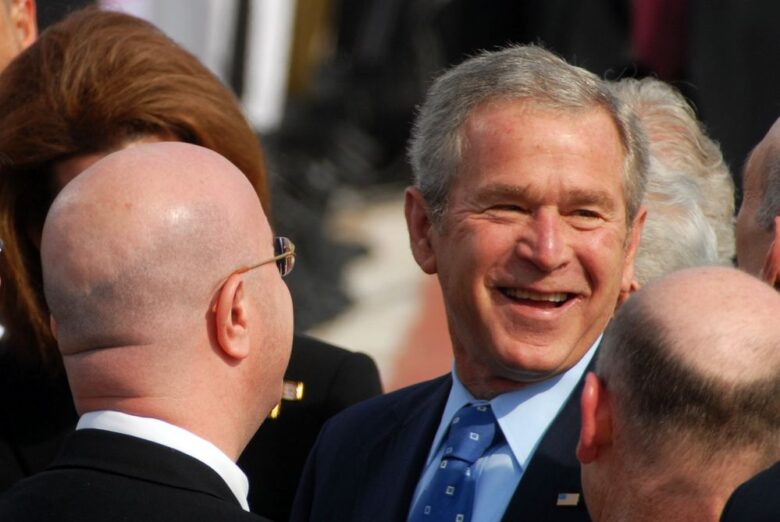
During an impromptu address at Ground Zero in New York City on September 14, 2001, George W. Bush spoke this now-iconic line. Just days after the devastating terrorist attacks on September 11 that brought down the Twin Towers, Bush visited the site to show solidarity with rescue workers, firefighters, and police officers who were sifting through the rubble. When someone in the crowd shouted that he couldn’t hear the President speak, this quote was Bush’s response.
Image Credit: DepositPhotos.com.
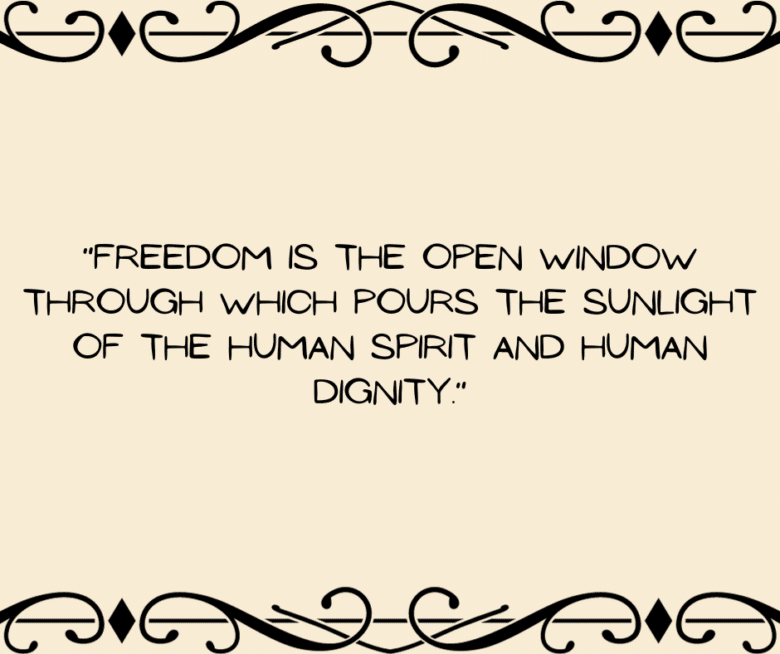
Image Credit: MediaFeed.
Herbert Hoover
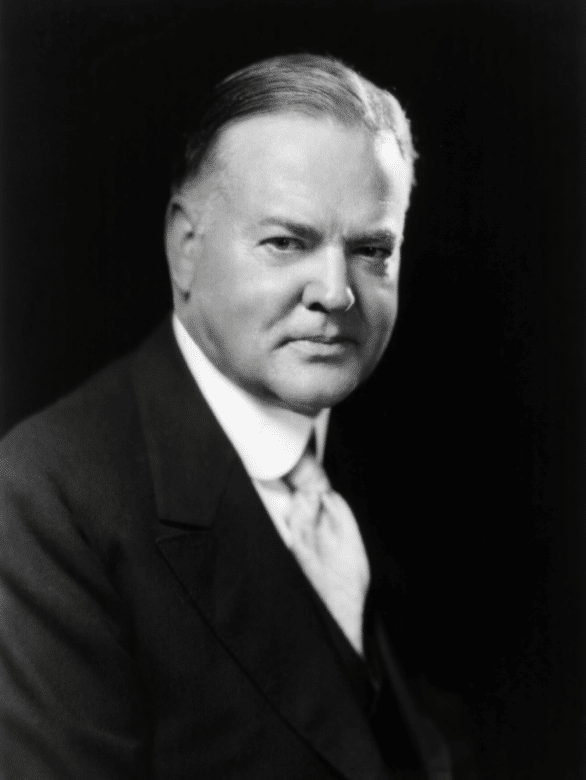
President Hoover was often tasked with navigating complex issues like economic hardship, specifically the onset of the Great Depression. This statement encapsulates his deeply-held belief in individual liberty and the potential for human greatness when unencumbered by oppressive regimes or limitations. Although not directly tied to a specific speech or moment in his presidency, the quote reflects Hoover’s underlying philosophy that saw freedom as vital to human development and dignity.
Image Credit: Library of Congress / WikiMedia Commons.
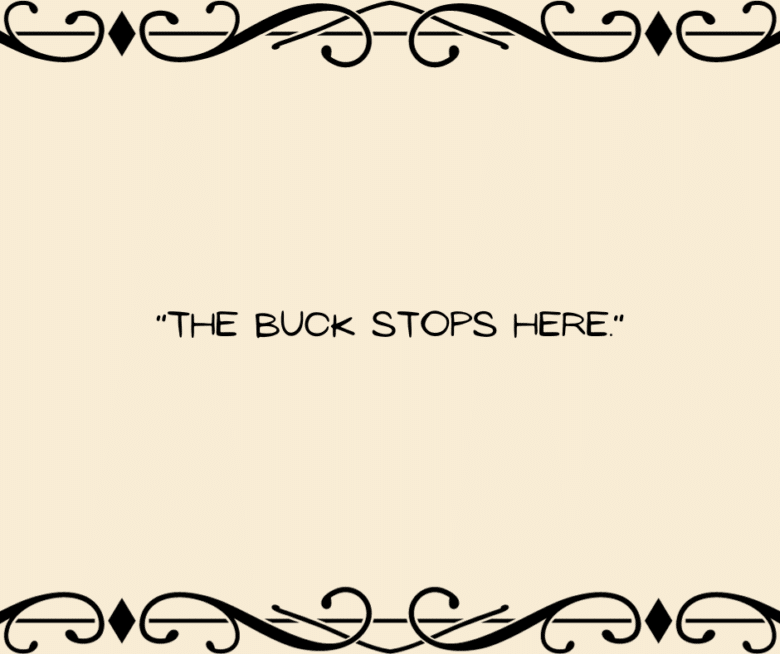
Image Credit: MediaFeed.
Harry S. Truman
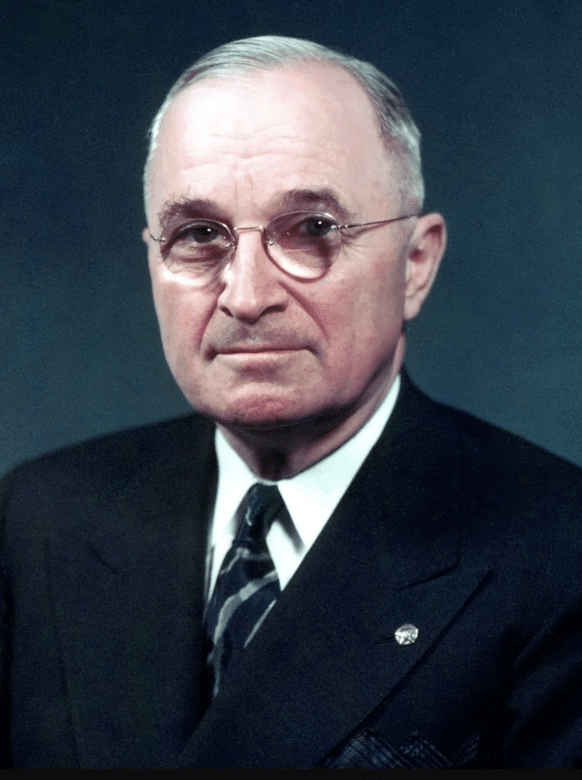
Truman had a sign with this phrase on his desk in the Oval Office, underscoring his belief in personal responsibility and accountability, particularly when it came to decision-making in government. The saying is derived from the frontier gambling term “pass the buck,” which means to shift responsibility onto someone else. By declaring that “the buck stops here,” Truman aimed to communicate that he would not shy away from making tough decisions or passing the blame onto others.
Image Credit: National Archives and Records Administration. Office of Presidential Libraries. Harry S. Truman Library. / WikiMedia Commons.

Image Credit: MediaFeed.
Ronald Reagan
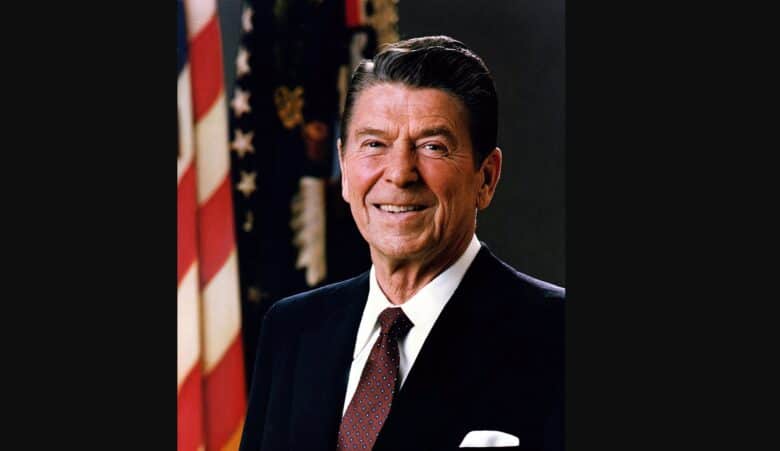
This quote encapsulates Ronald Reagan’s unshakable optimism and faith in the human spirit. It serves as an example of his vision of America as a “shining city upon a hill,” guided by the virtues of liberty, individualism, and moral goodness.
Image Credit: Wiki Commons.
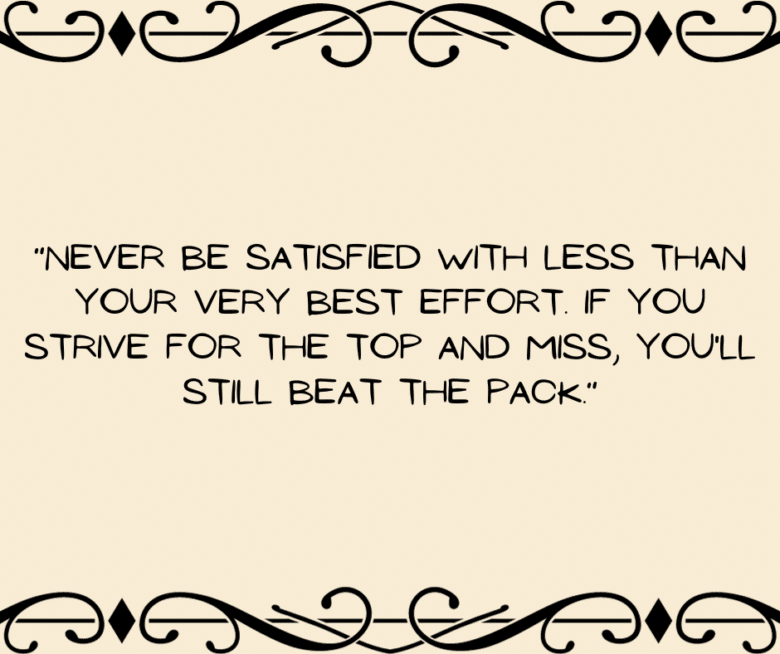
Image Credit: MediaFeed.
Gerald Ford
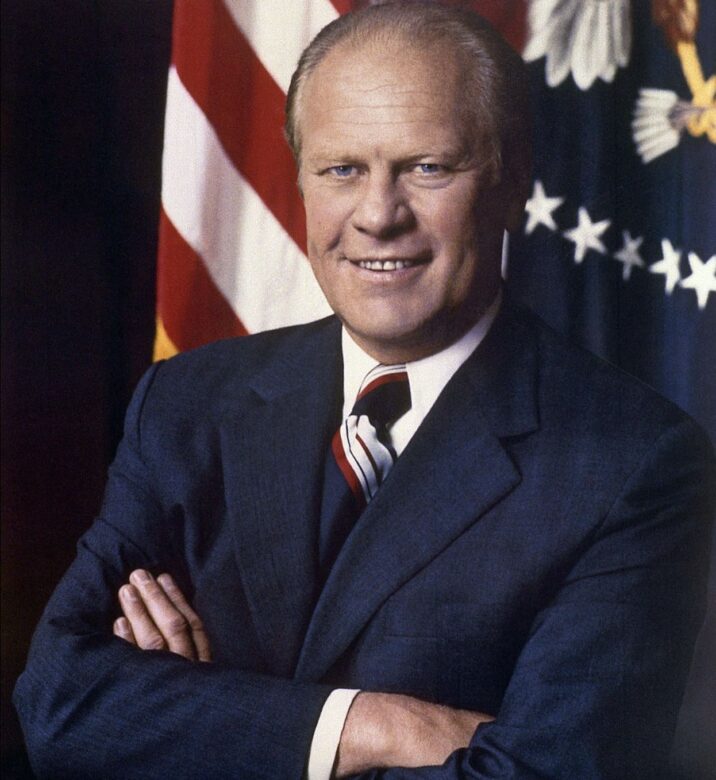
This quote reflects President Ford’s belief in the importance of ambition and striving for excellence. Ford, who served as President following Richard Nixon’s resignation, used this mantra to encourage Americans to achieve their best, particularly during a time when the nation was grappling with the Watergate scandal and an energy crisis.
Image Credit: Wikimedia Commons.

Image Credit: MediaFeed.
John Adams
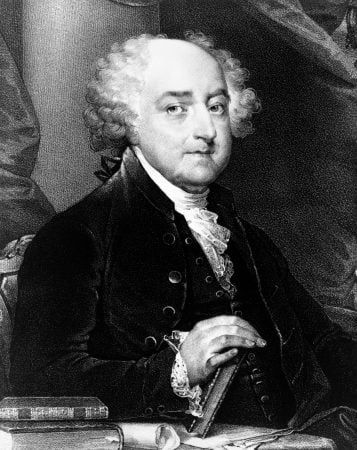
One of the Founding Fathers and the second President of the United States, John Adams expressed this sentiment to underscore what he viewed as the true qualities of leadership. Although it wasn’t part of a specific speech, it summarizes Adams’ philosophy on governance and the responsibilities that come with leadership positions.
Image Credit: Library of Congress.
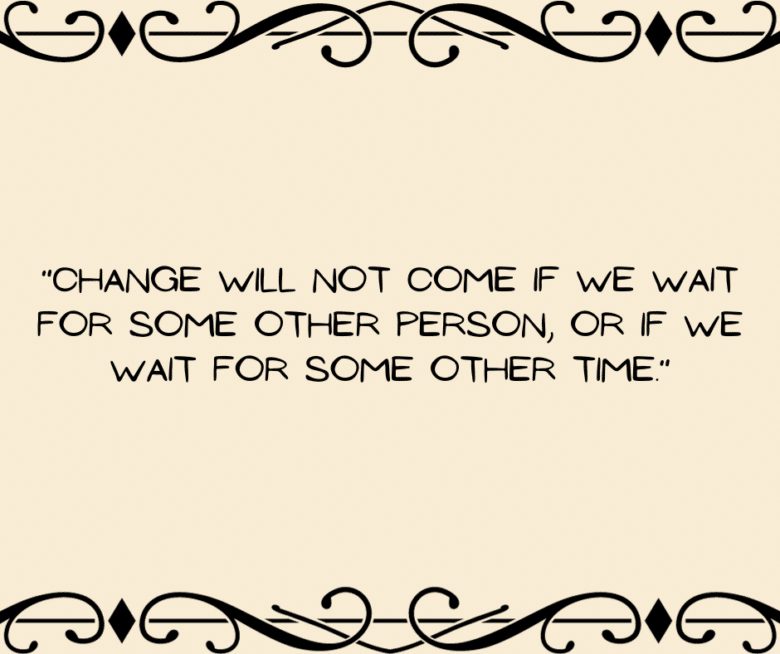
Image Credit: MediaFeed.
Barack Obama
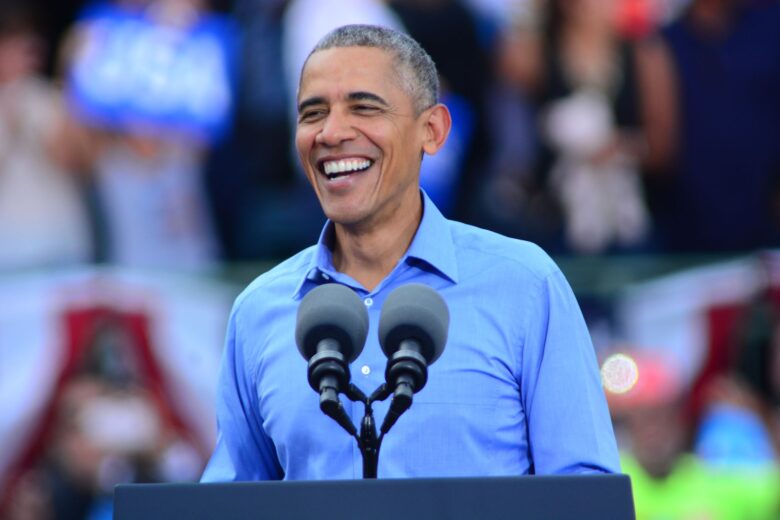
This quote was part of President Obama’s broader message encouraging proactive societal and political change. During his presidency, from 2009 to 2017, Obama often advocated for civic engagement, and this quote is emblematic of his call to action for Americans to participate in shaping their own future.
Image Credit: Depositphotos.com.

Image Credit: MediaFeed.
Andrew Jackson
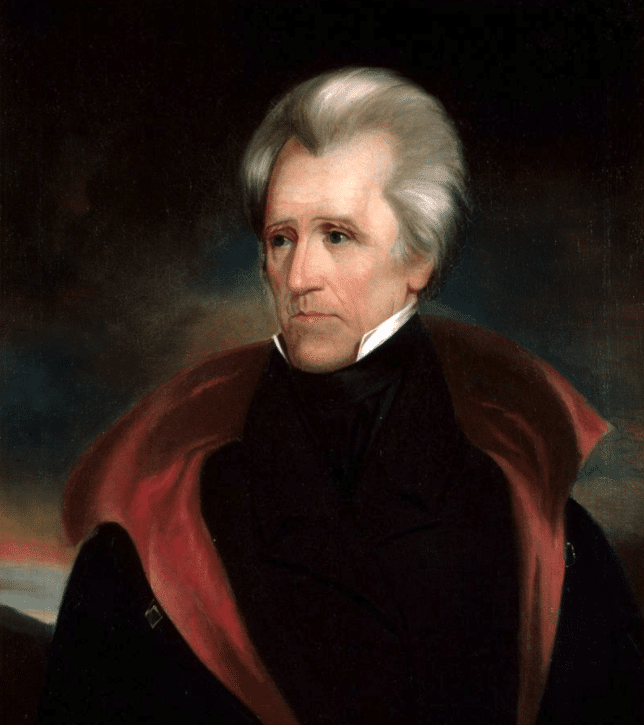
President Jackson made this statement against the backdrop of his opposition to what he viewed as elitist systems that benefitted the wealthy at the expense of ordinary citizens. Jackson was known for his populist leanings, and this quote reflects his constant caution against the influence of the wealthy in American governance.
Image Credit: Ralph Eleaser Whiteside Earl / Public Domain.
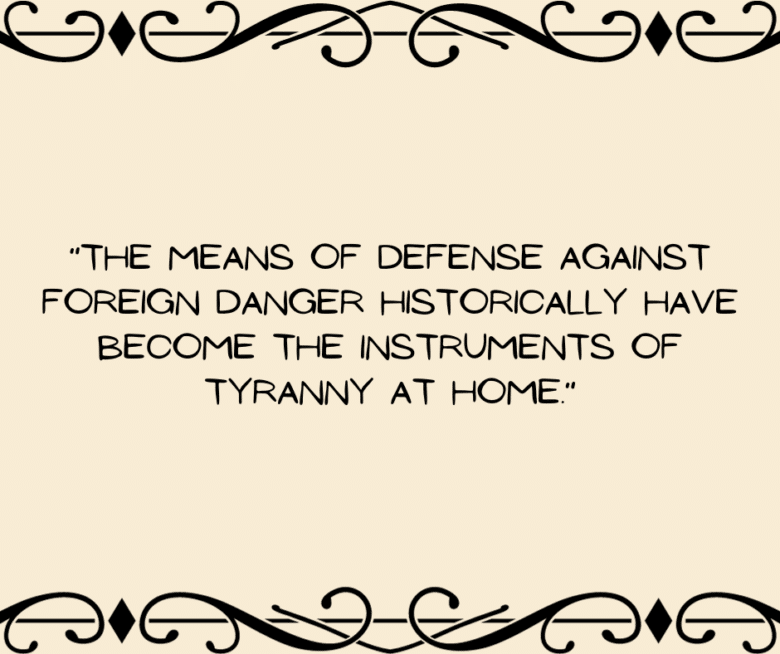
Image Credit: MediaFeed.
James Madison
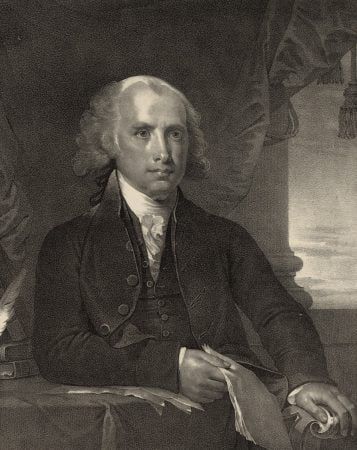
James Madison, known as the “Father of the Constitution,” expressed this cautionary perspective on the potential misuse of military power. This quote encapsulates Madison’s deep concern for maintaining checks and balances in government to avoid the concentration of power.
Image Credit: Library of Congress.
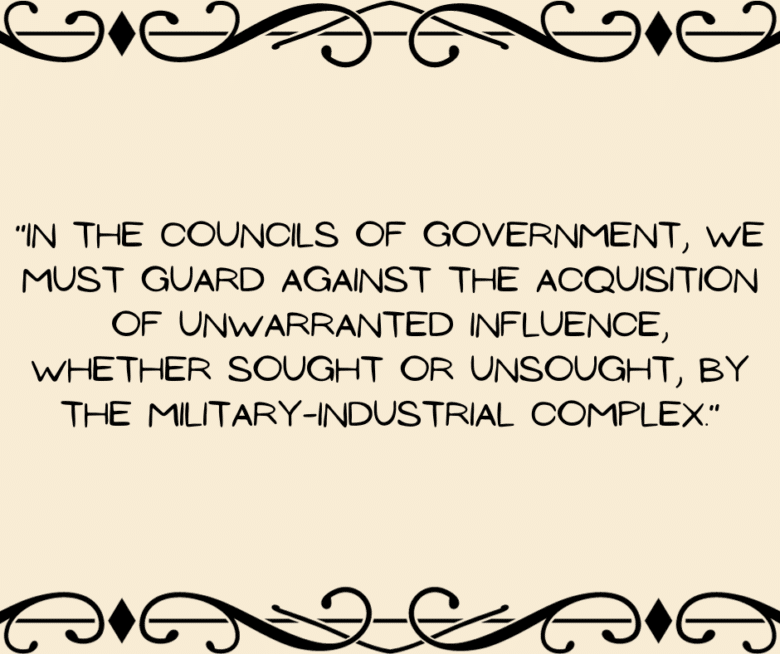
Image Credit: MediaFeed.
Dwight D. Eisenhower
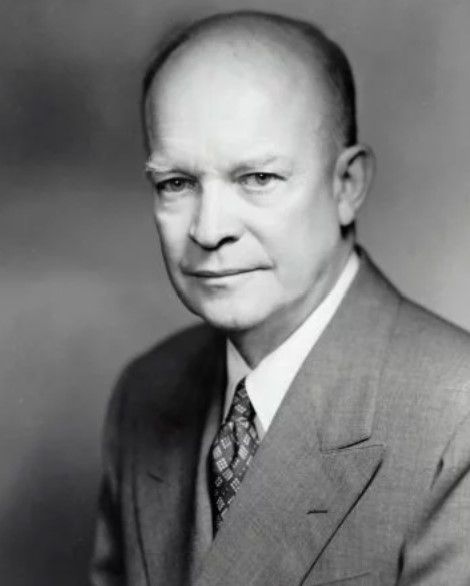
This quote comes from President Eisenhower’s farewell address in 1961, where he warned the American public about the growing power of the military-industrial complex. Eisenhower, a former general, cautioned that the convergence of military and corporate interests could unduly influence national policy and pose risks to American democracy.
Image Credit: Library of Congress.

Image Credit: MediaFeed.
John F. Kennedy

This iconic quote was delivered by President John F. Kennedy during his inaugural address on January 20, 1961. The phrase encapsulates Kennedy’s vision for a new era of civic engagement and individual responsibility in the United States. Set against the backdrop of the Cold War and the civil rights movement, Kennedy’s words were intended to galvanize the nation into action, encouraging citizens to participate actively in shaping the country’s future.
This article was produced and syndicated by MediaFeed.
Image Credit: Library of Congress.
More from MediaFeed
Hey history buffs: Do you know these facts about American wars?
- Rare photos of Bonnie & Clyde reveal the love between America’s most notorious criminal couple
- 10 of the wildest UFO stories we’ve ever heard
Like MediaFeed’s content? Be sure to follow us.
Image Credit: .