Hurricanes are formidable natural events that can cause extensive damage and loss of life. A hurricane is defined as a tropical cyclone with sustained winds exceeding 74 mph. These storms typically form over warm ocean waters with temperatures of at least 80°F, which provide the energy needed for their development. Low wind shear conditions allow hurricanes to strengthen, while high wind shear can weaken them.
In the Atlantic basin, which includes the Atlantic Ocean, Caribbean Sea, and Gulf of Mexico, hurricane season runs from June 1 to November 30. Between 1991 and 2020, this region averaged 14 named storms, 7 hurricanes, and 3 major hurricanes (Category 3 or higher with winds over 111 mph) annually.
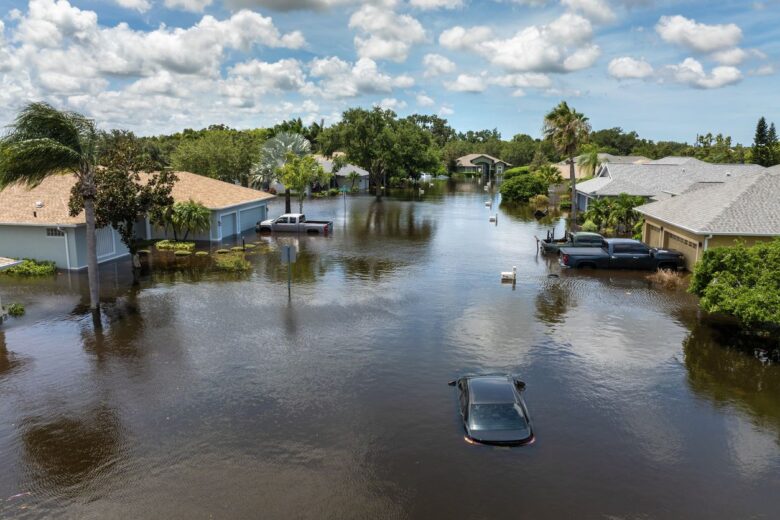
The fact is, hurricanes can be devastating. They can quickly destroy homes, cause widespread power outages, and result in injuries and fatalities. Understanding how hurricanes form and their potential impact is crucial for preparedness, especially for those living in hurricane-prone areas.
Image Credit: Jason Whitman/Istockphoto.
Your Comprehensive Hurricane Preparedness Checklist

To prepare for a hurricane, start by assembling an emergency kit with at least three days’ worth of non-perishable food and one gallon of water per person per day. Include essential medications, a first aid kit, flashlights, batteries, hygiene items, and supplies for pets. Store important documents—such as IDs, insurance policies, and medical records—in waterproof containers, and keep digital copies accessible via cloud storage.
Financial preparedness is crucial. Maintain a supply of small-denomination cash, as ATMs and banks may be inaccessible during power outages. Consider using prepaid cards or mobile money transfer apps to manage funds without relying on traditional banking services. Familiarize yourself with local evacuation routes and shelters, and have a plan for staying in touch with family members if communication networks fail. Regularly review and update your checklist to ensure all supplies are current and plans are up to date.
Image Credit: doble-d/Istockphoto.
How to Financially Prepare for Hurricane Disasters

To prepare your finances for a natural disaster, start by building an emergency fund with at least three months of essential expenses. Keep two weeks’ worth of cash on hand for immediate needs like fuel, food, and temporary housing. Store important financial documents like insurance, bank info, and ID in waterproof containers or upload them to a secure cloud. If money is tight, look into FEMA assistance, TANF, and hardship programs from banks and utility providers. Use digital banking tools to track spending and stay in touch with your financial institutions to explore relief options during and after a disaster.
Image Credit: Ridofranz/istockphoto.
How To Offer Support And Stay Connected During A Storm

During severe storms, sending a thoughtful message can offer significant comfort to those affected. A simple message like “Stay safe, we’re thinking of you” can provide emotional reassurance and remind them they’re not alone. Practical advice, such as reminding them to charge devices or secure important documents, can also be helpful. Examples include:
- “Have you charged your phone and devices? Let us know how you’re doing!”
- “If you need anything, don’t hesitate to ask. We’ll figure something out.”
- “Make sure you have flashlights and extra batteries ready. Stay safe!”
- “Stay indoors and keep important documents in a safe place. Thinking of you.”
These messages show care and provide both emotional support and practical guidance during challenging times.
Image Credit: PeopleImages/istockphoto.
Help Hurricane Victims: 7 Steps to Send Money to Those Impacted

Supporting those affected by a hurricane often involves monetary and supply donations to disaster relief. Consider whether a one-time or recurring contribution would be more impactful for this disaster and your situation. Research reputable organizations through platforms like Charity Navigator to ensure your donation is used responsibly for essentials like food, shelter, and medical care.
When donating directly to individuals, verify recipient details to avoid delays or errors. Utilize secure payment methods such as credit cards, digital wallets, or bank transfers, and keep records for potential tax deductions. Staying informed about the disaster’s progression and the relief efforts of your chosen organization can help you understand the impact of your contribution. Lastly, encourage others to donate and consider volunteering to amplify support for affected communities.
Image Credit: Drazen Zigic/Istockphoto.
Protect Your Finances And Donations Against Scams
Watch out for scams that pop up after hurricanes with disaster relief and recovery efforts. Fraudsters pretend to be contractors, charities, or government officials to trick you into sending money or personal information. They may use fake websites, emotional stories, or pressure tactics to get you to act fast. Don’t rush the payment and always verify who you’re dealing with. It is recommended to avoid wire transfers to strangers and double-check any donation pages before giving. Stay cautious and take a moment to ensure it is a safe transaction and if it seems suspicious, report it.
Related: 4 Money Moves to Make Right Now to Max Your 2025 Retirement Income
Related: States With the Highest Credit Card Payments
Like MediaFeed’s content? Be sure to follow us.
This article originally appeared on Westernunion.com and was syndicated by MediaFeed.org
Image Credit: Bilanol/Istockphoto.