
What guests secretly notice the moment they enter your home
Nobody announces what they’re clocking when they walk through your front door. But they’re clocking things. Within the first few seconds of entering a space, the human brain has already processed smell, temperature, light level, floor condition and general visual load; most of it before conscious attention has organized itself to look. Your guests are polite. They are not neutral. Here is what the research and interior design professionals say they’re actually noticing.

The smell, before anything else
Smell arrives before vision in terms of immediate emotional impact. A home that smells of pet, mildew, cooking grease or stale air registers negatively before a guest has taken three steps inside, and the problem is that homeowners typically can’t detect their own home’s smell because olfactory adaptation suppresses awareness of ambient odors over time. Reader’s Digest notes that guests identify odor as the single most memorable aspect of entering someone’s home (positive or negative) more often than any visual element. Sometimes you can smell your home when you’ve been away for a day and return. That re-entry moment is the data you’re looking for.
The entryway, specifically
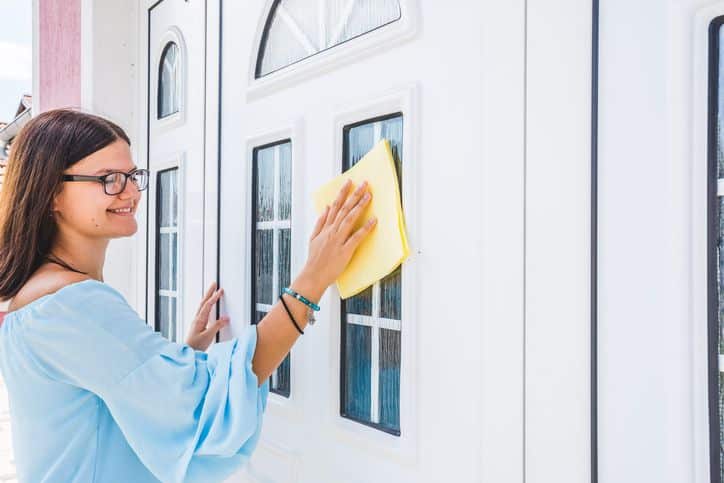
Most people don’t decorate their entryway with the same attention they give the living room or kitchen, which is a miscalculation. The Thrifty Apartment documents that the entryway sets the tone for everything else; a cluttered entry creates an expectation of clutter throughout the home, regardless of how the rest of the home looks. Shoes piled by the door, coats without a hook, mail stacked on a surface: none of these are major problems in isolation, but they add up to a first impression that is difficult to override with whatever is in the next room.

The floors
Guests look down. Not constantly, but consistently, because walking into an unfamiliar space involves monitoring where your feet are going. The Thrifty Apartment’s research identifies floors as one of the most frequently noticed surfaces in a home, with dirt, crumbs or sticky spots easy to spot and feel. A clean floor with scuffed baseboards reads differently than a clean floor with clean baseboards. Guests notice even when they don’t mention it.

The light
Dim rooms feel smaller, older and less welcoming than the same room at higher light levels, regardless of decor. Guests notice when bulbs are out and when natural light is blocked by closed window treatments. Bed Threads recommends considering lighting as a hospitality element; harsh overhead lights can feel sterile while overly dim rooms feel gloomy, and the question isn’t just whether the room looks good but whether it feels warm enough to spend time in.
The bathroom
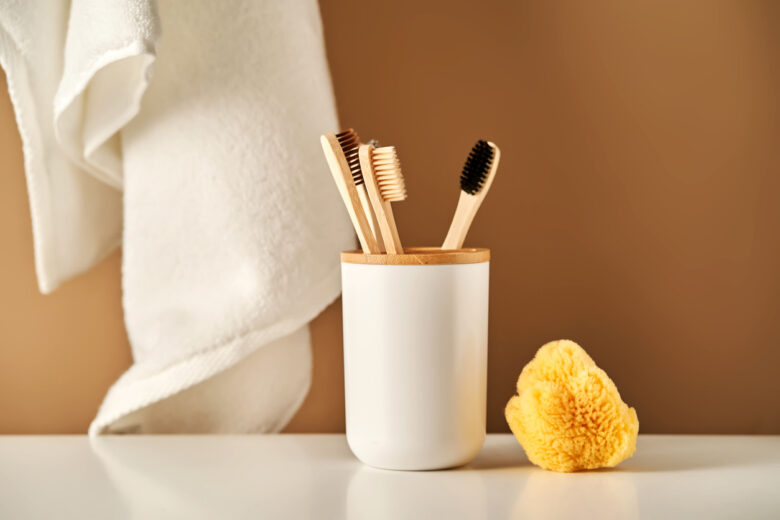
Guests will use your bathroom and it will tell them something about you that the living room cannot. A bathroom that is clean but poorly stocked (no hand soap, no guest towel, a near-empty toilet paper roll) reads as inattentive regardless of how polished the rest of the home is. Reader’s Digest identifies the bathroom as the space guests most frequently judge independently of the overall impression of the home, because it is the one room where they are alone and looking at surfaces up close.

The temperature
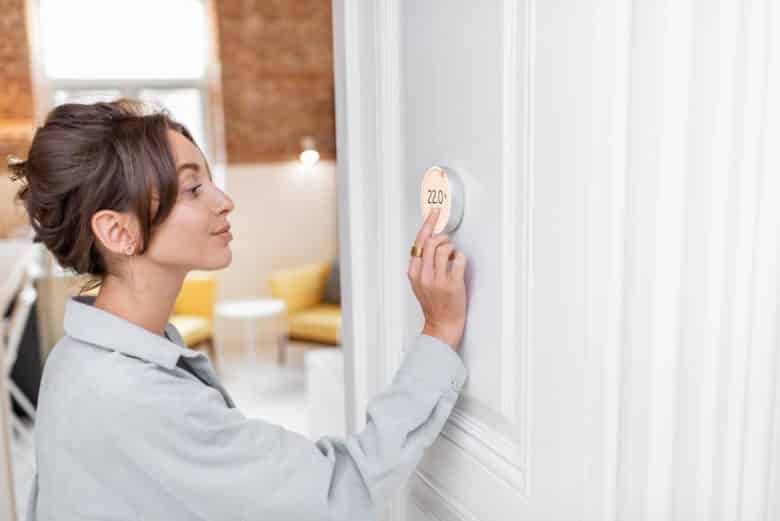
A home that is noticeably too warm or too cold registers immediately. Bed Threads notes that thermal comfort is one of the least-discussed yet most consistently reported aspects of visiting someone’s home. Guests don’t usually say anything. They do notice, and it affects how long they stay and how relaxed they feel while they’re there.
The bottom line
Guests are not inspectors. But the brain processes environmental information automatically. Smell, entryway, floors, light, bathroom, temperature — these form the first impression before a single word has been exchanged. Most of them are fixable in an afternoon.
Ask us! What questions do you have about content, strategy, pop culture, lifestyle, wellness, history or more? We may use your question in an upcoming article!
Related:
Like MediaFeed’s content? Be sure to follow us.
This article was syndicated by MediaFeed.co.