What can’t be purchased on the 18th Fairway
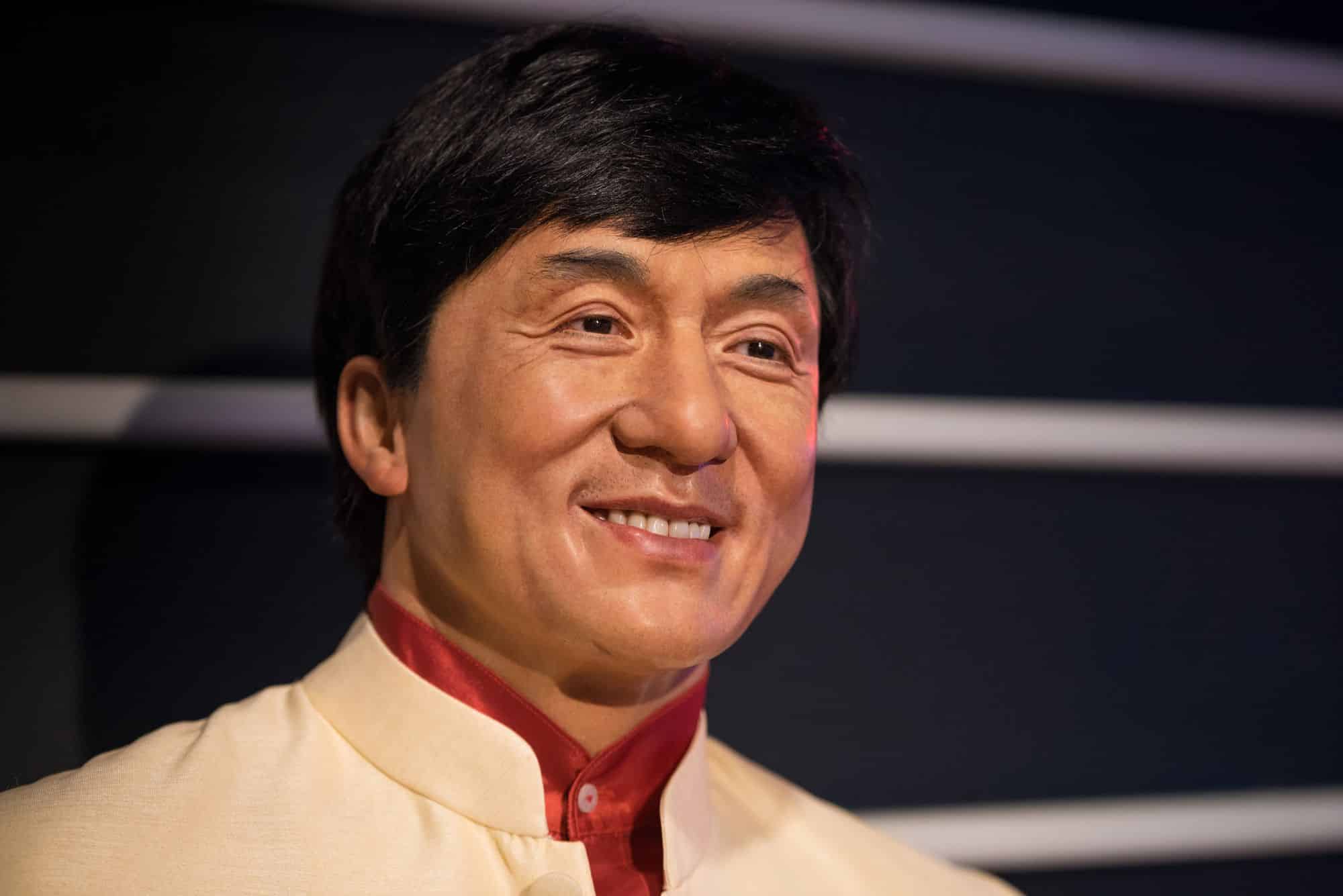
This year Daniel Craig appeared in a commercial for the Denza Z9 GT, a $134,000 luxury vehicle from BYD, the Chinese automaker targeting Europe’s premium market. The man who played James Bond for 15 years is now the face of Denza, a brand that did not exist when he took the role.
It was a smart talent choice. The marketing effort is also a test of the oldest assumption in luxury: that heritage protects you. Heritage here means decades of accumulated story. It is the ownership, racing history, and cultural memory attached to a name, the kind Craig’s Bond lent Aston Martin for years. The best place to test that assumption is the Pebble Beach Concours d’Elegance, where the world’s finest collector cars are showcased every August on the 18th fairway of Pebble Beach Golf Links. No BYD will be judged on that lawn, and that absence is the point.
The Lawn That Keeps Score
The Concours marks its 75th anniversary this August. The cars on its lawn are machines from the last century, many built by hand, some worth tens of millions of dollars. It is the automotive world’s supreme court of authenticity.
The judges evaluate style, technical merit, and history. On that lawn, all three mean one thing: time. A 1964 Aston Martin DB5, the car James Bond made famous, did not earn its reverence through a campaign. It earned it through 60 years of ownership and care. The people standing beside those cars are not customers. They are custodians.
The Business of Heritage
Heritage is economics more than sentiment. It lowers the cost of acquiring a customer who already trusts you and holds pricing power a challenger cannot undercut.
The legacy automakers invest accordingly. BMW Group Classic keeps a running heritage fleet in Munich. Aston Martin Works will take a 1960s DB5 and return it in the condition it left the factory. Jaguar Classic still supplies parts for cars it stopped selling decades ago. The instinct runs across luxury: Louis Vuitton is reviving its Classic Run rally after a 14-year hiatus. These programs are the maintenance costs of trust.
Bond proves the point in fiction. The makers of the 1964 Bond film “Goldfinger” chose the DB5 because it already embodied British precision. When BMW paid to replace it as Bond’s car in the 1990s, the audience always knew which one belonged.
Renting the Signal
BYD understands how Western consumers decide which vehicles to purchase. People do not buy specifications. They buy signal: the feeling that a choice confirms who they are or intend to become. BYD is not chasing the old world. It is renting what the old world earns, which is aspiration and permission to charge $134,000.
What BYD does not have is the thing the signal points to. Money can buy ambassadors, archives, even old brands. What it cannot buy is the decades of shared memory consumers attach to them. Heritage cannot be accelerated, and BYD can hire the face but not the decades.
Signal is not provenance.
The Leadership Question
BYD’s strategy matters far beyond autos because it is running a play any well-funded challenger can copy. Executives should hold two thoughts.
The first: BYD is serious. The celebrity strategy is a calculated entry into the psychological market of aspiration.
The second: Purchased legitimacy is a starting position, not a destination. The signal has to connect to something lived, something that holds up when the contract expires and the cameras move on.
Pebble Beach is the counterargument. A judge walks around a car and feels something no marketing budget can fake. The same test faces every challenger that tries to buy its way into a category that runs on trust as well as every incumbent that assumes trust maintains itself.
The 75th Year
Pebble Beach has been asking one question since 1950: What is the finest automobile in the world? The answer still cannot be bought. It can only be kept.
BYD has nothing to keep yet. If the brand endures, the decades it cannot buy today will accrue on their own, and someone will one day inherit them. That is the position most leaders are already in. They inherit things they did not build, and their job is to leave those things stronger than they found them.
Heritage is not what you inherit. It is what you protect.
Related:
Ask us! What questions do you have about content, strategy, pop culture, lifestyle, wellness, history or more? We may use your question in an upcoming article!
Like MediaFeed’s content? Be sure to follow us.
This article originally appeared on Mobility Girl and was syndicated by MediaFeed.co.