This article was reviewed by Kelly Brown MD, MBA
Vitamin B12 overdose is so rare that serious adverse effects from consuming large amounts of vitamin B12 have only been reported in a handful of studies in the medical literature. It’s effectively impossible to consume potentially dangerous levels of vitamin B12 from food sources alone.
In general, vitamin B12 overdose probably isn’t something you need to worry about — unless you’re taking extremely high dosages of supplements containing this vitamin. Even then, it may make you sick, but it’s unlikely to be deadly.
According to the National Institutes of Health’s Office of Dietary Supplements, even at high doses, vitamin B12 is considered safe since the body doesn’t store excess amounts of it. Still, it’s best to follow the maximum dosage instructions recommended by your healthcare provider or the label on your vitamin B12 supplements.
We’ll explore the possible effects of vitamin B12 overdose, provide an overview of the vitamin itself, and list the symptoms that might develop if you consume excess vitamin B12.
Image Credit: stefanamer/Istockphoto.
What Is Vitamin B12?
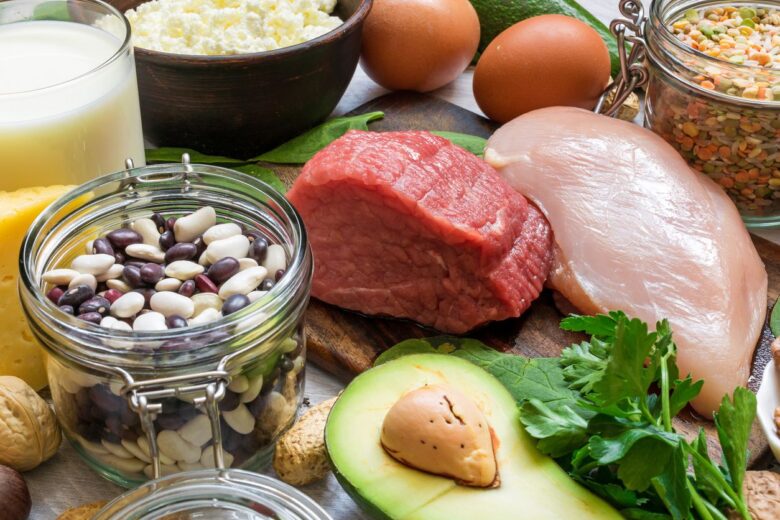
B vitamins are usually associated with providing energy. But they play an essential role in many bodily processes, from supporting optimal hair health to allowing you to utilize the energy in your food.
Vitamin B12, also called cobalamin, is a water-soluble vitamin critical to various physiological processes. It’s vital to:
-
Maintaining the function of the central nervous system (brain and spinal cord)
-
Aiding with the production of an insulating layer around some nerve cells (called myelin)
-
Supporting the production of healthy red blood cells
-
Aiding with DNA synthesis
-
Supporting the production of enzymes
-
Helping convert a substance called homocysteine into the essential amino acid methionine
Explore men’s wellness vitamins and supplements on our telehealth platform.
Vitamin B12 is primarily found in:
-
Meats
-
Seafood
-
Dairy products
-
Nutritional yeast
Cobalamin is also found in products fortified with vitamin B12, such as breakfast cereals. Fortified means food producers add in more of a nutrient (such as a vitamin or mineral) than is naturally found in the food.
Image Credit: samael334/Istockphoto.
What Are Water-Soluble Vitamins?

Water-soluble vitamins like B12 are carried to tissues through water, but excess amounts aren’t stored long-term. Instead, what the body doesn’t use is secreted through urine.
This means it’s basically impossible to overdose on water-soluble vitamins. But it also means you need to continuously consume them to avoid becoming deficient.
Image Credit: Xavier Lorenzo/Istockphoto.
Can You Overdose on B12?

Overdosing on vitamin B12 supplements is usually not something you need to worry about. And overdosing on vitamin B12 from food sources alone is virtually impossible.
Since it’s a water-soluble vitamin, the liver stores some of the nutrient, and any excess is excreted by the kidneys into urine.
In contrast, fat-soluble vitamins can build up in bodily tissue and cause overdose symptoms. Common fat-soluble vitamins include:
-
Vitamin A
-
Vitamin D
-
Vitamin E
-
Vitamin K
There’s no established upper tolerable limit (maximum amount considered safe to take) of vitamin B12. If you chronically take more vitamin B12 than you need, you likely won’t notice any negative changes to your health — but you may waste your money on supplements you don’t need.
Theoretically, you could develop health problems if you take an excessively large dose of vitamin B12 supplements all at once. Still, the human body is generally efficient at excreting excess amounts of water-soluble vitamins like B12, so the risk of toxicity is low.
In a 2024 case study, researchers reported one instance of mixed-state bipolar disorder that may have been triggered by vitamin B12 overdose.
In a 2020 case study, researchers reported a young woman treated with multiple daily doses of 1 milligram (mg) of cyanocobalamin (synthetic vitamin B12) for severe pernicious anemia (lack of red blood cells due to vitamin B12 deficiency). Once the woman had taken a total of 12 milligrams, she developed symptoms such as:
-
Heart palpitations
-
Headaches
She improved two weeks after stopping the supplement without complications.
In a 2024 review of studies, researchers reported that elevated levels of vitamin B12 in the blood were associated with higher all-cause mortality in adults and older adults. (All-cause mortality is a statistic researchers use to measure the risk of death from any cause.)
The connection might have been because people with higher levels of vitamin B12 tend to consume higher amounts of animal products that carry saturated fat and higher saturated fat intake.
Eating more saturated fats is associated with a higher risk of cardiovascular disease, a leading cause of death.
It’s also worth noting that vitamin B12 deficiency is linked to a higher risk of cardiovascular disease.
Image Credit: fizkes/Istockphoto.
Causes of Vitamin B12 Overdose
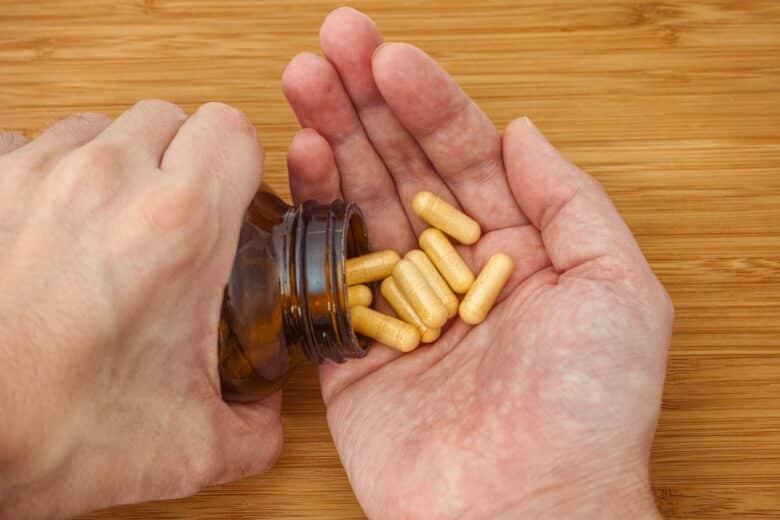
Vitamin B12 overdose isn’t common, as the body regulates its levels quite effectively. However, there are certain scenarios where toxicity may occur.
For example, in the 2020 case study, the woman developed symptoms after consuming a total of 12 milligrams of vitamin B12, which is exponentially more than the recommended daily intake (RDI).
Again, it’s effectively impossible to overdose on vitamin B12 from food alone. Meat and seafood are among the foods with the highest concentration of vitamin B12, and these foods are difficult to eat in extremely large quantities.
The USDA (United States Department of Agriculture) lists New Zealand-imported beef as the highest vitamin B12 source, with 95.5 micrograms per four-ounce serving. To reach 12,000 milligrams (the amount the woman in the case study consumed), you’d need to eat a whopping 31.4 pounds of beef.
High levels of vitamin B12 in the blood are unlikely but most likely to occur in the following situations.
Image Credit: :Professor25/Istockphoto.
High-Dose Oral Supplementation Intake

Vitamin B12 is available as a dietary supplement in various forms, including pills, sublingual tablets (that dissolve under the tongue), injections, and nasal sprays.
Though it is difficult to reach dangerous levels from food sources alone, taking high doses of B12 supplements could theoretically lead to toxicity and symptoms.
Image Credit: KucherAV/istockphoto.
Vitamin B12 Injections

Some individuals, especially those with certain medical conditions such as pernicious anemia, may require vitamin B12 injections or very high-dose oral supplements. Vitamin B12 injections can lead to excessive vitamin B12 levels in the blood.
Image Credit: DragonImages/Istockphoto.
Absorption Disorders

People with gastrointestinal diseases affecting nutrient absorption may require high doses of vitamin B12 supplements. This group may have an elevated risk of consuming excess amounts of vitamin B12, particularly if there are misunderstandings about proper dosage.
Image Credit: Inside Creative House/Istockphoto.
Self-Medication Without Medical Supervision

Some folks may start taking vitamin B12 to boost energy levels or address perceived deficiencies without first consulting a healthcare provider.
Without proper guidance from a medical professional, it is possible to ingest excessive amounts of B12 — especially if you misread the label or mistake micrograms for milligrams, for instance.
Image Credit: Kittipong Udomsom/Istockphoto.
Recommended Daily Intake (RDI) of Vitamin B12
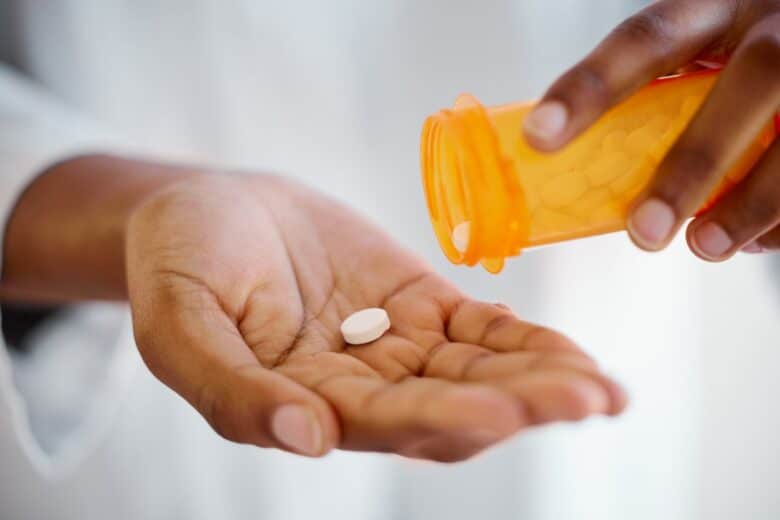
The recommended daily intake of vitamin B12 varies depending on age, gender, and life stage. Below are the general guidelines provided by the National Institutes of Health:
Infants (0–6 months)
RDI in micrograms (mcg): 0.4 mcg
Infants (7–12 months)
RDI in micrograms (mcg): 0.5 mcg
Children (1–3 years)
RDI in micrograms (mcg): 0.9 mcg
Children (4–8 years)
RDI in micrograms (mcg): 1.2 mcg
Children (9–13 years)
RDI in micrograms (mcg): 1.8 mcg
Teens (14–18 years)
RDI in micrograms (mcg): 2.4 mcg
Adults (19 years and older)
RDI in micrograms (mcg): 2.4 mcg
Pregnant women
RDI in micrograms (mcg): 2.6 mcg
Breastfeeding women
RDI in micrograms (mcg): 2.8 mcg
Image Credit: PeopleImages/Istockphoto.
Vitamin B12 Overdose Signs and Symptoms

The exact side effects of vitamin B12 in high doses aren’t well-documented. But according to a 2011 study, vitamin B12 overdose might paradoxically produce many of the same symptoms as deficiency.
Symptoms of vitamin B12 deficiency or folate (folic acid) deficiency can include:
-
Rapid breathing or shortness of breath
-
Headaches
-
Indigestion
-
Loss of appetite
-
Heart palpitations
-
Vision problems
-
Feeling weak or tired
-
Diarrhea
-
Tingling sensation
-
A sore or red tongue, sometimes with mouth ulcers
-
Problems with memory, understanding, and judgment (cognitive changes)
If you have any of these symptoms, get in touch with a medical professional.
Image Credit: Daniel de la Hoz/Istockphoto.
Does Vitamin B12 Deficiency Cause ED?

Some research has connected vitamin B12 deficiency with ED, but a consistent relationship hasn’t been established.
In a 2023 study, researchers found no connection with low B12 levels and erectile dysfunction, contrary to the general trend in the medical literature.
Image Credit: Alan Mazzocco/Istockphoto.
What to Do in the Event of Vitamin B12 Overdose

Since vitamin B12 overdose is rare, there’s little need for aggressive treatment. Most people will excrete any excess vitamin B12 through their urine without experiencing any adverse effects.
However, in rare cases where side effects of B12 occur, you should:
-
Discontinue supplementation. If high doses of vitamin B12 supplements are suspected to be causing side effects, the first step is to stop taking vitamin B12 supplements.
-
Consult a healthcare professional. If you suspect an overdose or experience any concerning symptoms, seek medical advice right away. Your healthcare provider can evaluate your symptoms, review your vitamin B12 intake, and recommend appropriate actions.
Image Credit: Jacob Wackerhausen/Istockphoto.
Food Sources of Vitamin B12

Here are some of the food sources with the highest concentration of vitamin B12.
Beef liver, cooked, pan-fried (3 ounces)
Amount in micrograms (mcg): 70.7 mcg
Clams (without shells), cooked (3 ounces)
Amount in micrograms (mcg): 17 mcg
Oysters, eastern, wild, cooked (3 ounces)
Amount in micrograms (mcg): 14.9 mcg
Nutritional yeast, fortified
Amount in micrograms (mcg): 8.3–24 mcg
Salmon, Atlantic, cooked (3 ounces)
Amount in micrograms (mcg): 2.6 mcg
Tuna, light, canned in water (3 ounces)
Amount in micrograms (mcg): 2.5 mcg
Beef, ground, 85% lean meat (3 ounces)
Amount in micrograms (mcg): 2.4 mcg
2% milk, 1 cup
Amount in micrograms (mcg): 1.3 mcg
Yogurt, plain, fat free (6 ounces)
Amount in micrograms (mcg): 1 mcg
Breakfast cereal fortified with 25% of daily value
Amount in micrograms (mcg): 0.6 mcg
Cheddar cheese (1.5 ounces)
Amount in micrograms (mcg): 0.5 mcg
1 large egg, whole, cooked
Amount in micrograms (mcg): 0.5 mcg
Turkey, breast meat, roasted (3 ounces)
Amount in micrograms (mcg): 0.3 mcg
Image Credit: bit245/Istockphoto.
Vitamin B12 Overdose: Key Takeaways

Vitamin B12 is a crucial nutrient that supports a variety of important bodily functions, including red blood cell formation, neurological health, and DNA synthesis.
Here’s what to keep in mind about supplementing with vitamin B12:
-
While correcting a vitamin B12 deficiency might have health benefits, megadoses may actually be harmful.
-
It’s a good idea to avoid taking extremely high doses of vitamin B12 without consulting a medical professional first. The risk of overdose is low due to your body’s natural ability to excrete excess amounts of vitamin B12. Still, it’s better to be safe than sorry.
-
When thinking about your personal vitamin B12 levels, consider that you might be getting vitamin B12 from multiple sources such as your multivitamins, food, and other vitamin supplements such as B complexes.
Related: Can Gummy Edibles Help with This Common Male Problem?
Related: 5 Fish Oil Benefits for Men, From Heart Health to Increased Testosterone
This article originally appeared on Hims.com and was syndicated by MediaFeed.org
Image Credit: Pituk Loonhong/Istockphoto.