Useless history facts about famous figures your teacher skipped over
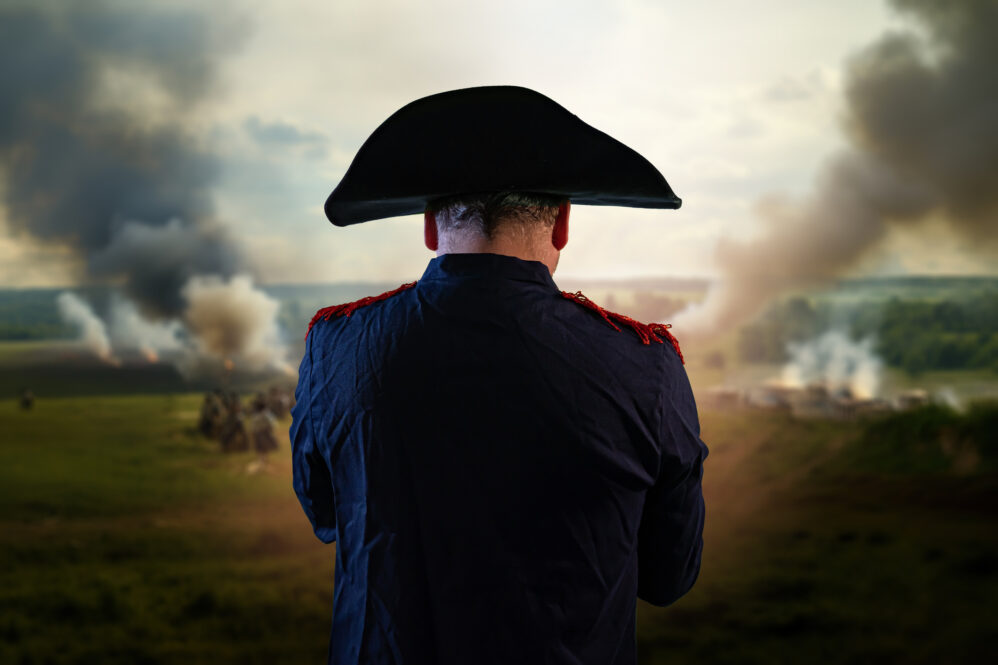
In July 1807, Europe’s most powerful man climbed into his carriage to escape a rabbit field.
Isaac Newton spent evenings in tavern disguises. Winston Churchill carried a doctor’s note for whiskey. Mark Twain said he’d leave with a comet, and the comet obliged. None of it was on the exam.
Five facts follow, one per famous figure, all documented. One comes with a caveat.

The physicist who dressed up to catch counterfeiters
Isaac Newton became Warden of the Royal Mint in 1696 and treated counterfeiting as a personal case. He estimated that 20 percent of the coins turned in during the great recoinage were fake. He gathered much of the evidence himself, donning a disguise to drink in taverns, appointing himself a justice of the peace to take testimony, and cross-examining about 200 witnesses and informers over about eighteen months.
His main target was William Chaloner, a counterfeiter who had publicly accused the Mint of incompetence. Newton built the case, and in 1699 Chaloner was convicted of high treason. The man who wrote the Principia spent his evenings in taverns, in disguise.
“The intrepid rabbits turned the Emperor’s flank”
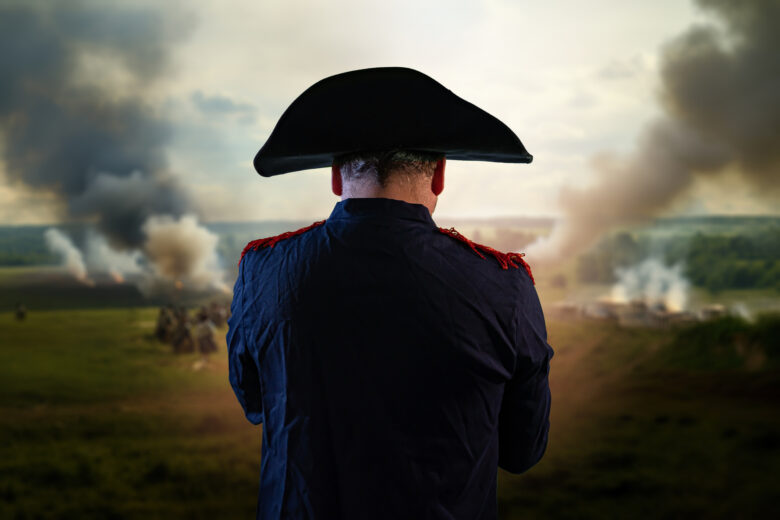
That’s General Paul Thiébault’s account of what happened after the Treaties of Tilsit in July 1807. Napoleon’s chief of staff, Louis-Alexandre Berthier, arranged a celebratory rabbit hunt with anywhere from a few hundred to 3,000 rabbits. He bought tame rabbits from a farmer instead of trapping wild ones, and because the animals hadn’t been fed that day, they ran toward the men they assumed were bringing dinner. Thiébault has them piling up around the Emperor’s legs until he staggered. Napoleon retreated to his carriage, and some accounts say a few rabbits followed him in.
Was Abraham Lincoln really 300 and 1?
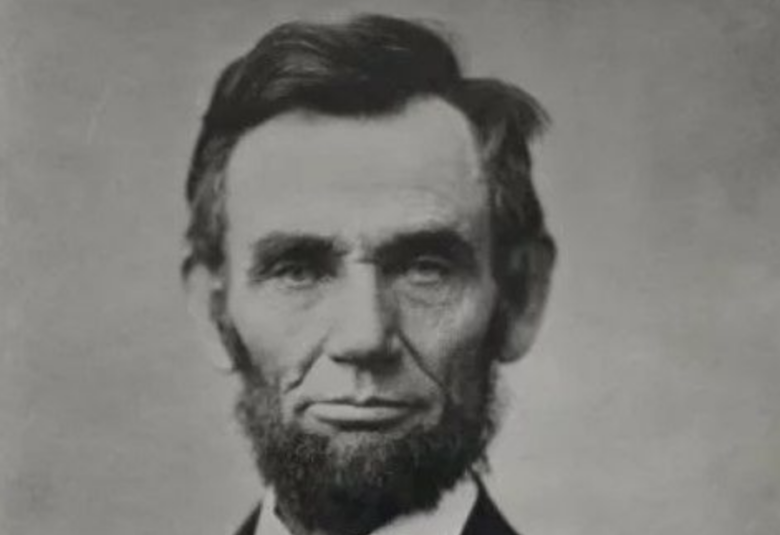
In 1831, a 22-year-old Lincoln was clerking at a store in New Salem, Illinois, when his boss bet that he could beat Jack Armstrong, the toughest of the local Clary’s Grove Boys. Lincoln won, and Armstrong became a friend. He recorded his only loss a year later, to a fellow volunteer named Thompson, in a regiment championship during the Black Hawk War. After one win, Lincoln reportedly told the crowd, “I’m the big buck of this lick.”
He was inducted into the National Wrestling Hall of Fame in 1992 as an Outstanding American, alongside Washington, Teddy Roosevelt, and Taft. The caveat: Lincoln historian Christian McWhirter says the famous record is a bit exaggerated, and one loss in 300 matches is mostly legend.
Born two weeks after a comet, gone the day after it came back
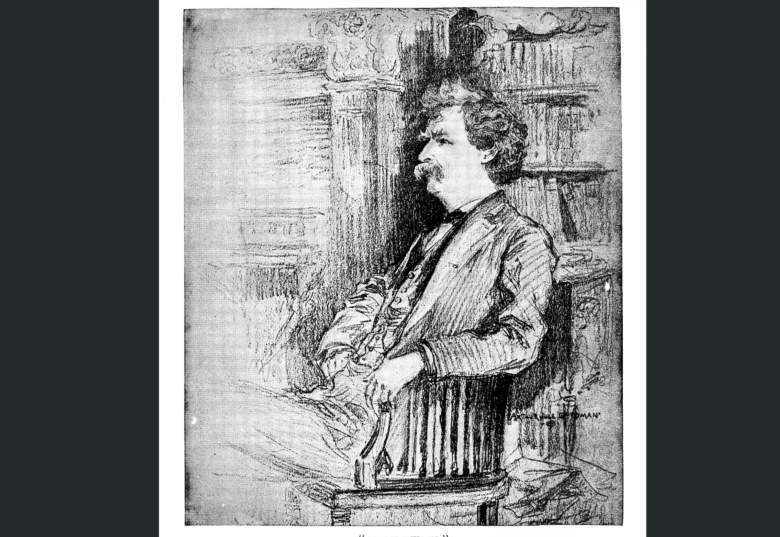
Samuel Clemens was born on November 30, 1835, two weeks after Halley’s Comet passed closest to the sun. In 1909, he told his biographer, Albert Bigelow Paine, “I came in with Halley’s Comet,” and said he expected to go out with it. He died on April 21, 1910, the day after the comet’s next closest approach. In 1985, the U.S. Postal Service printed an aerogram honoring both.
250 cubic centimeters
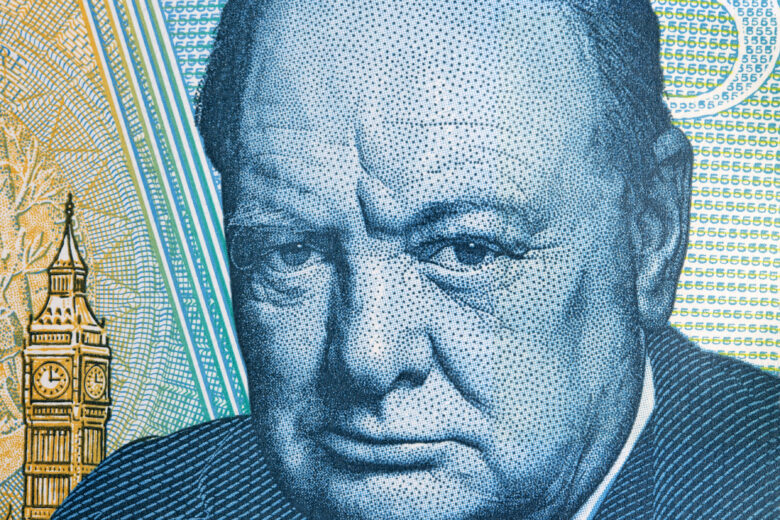
On December 13, 1931, Winston Churchill looked the wrong way crossing Fifth Avenue in New York and was hit by a car. Six weeks later, with Prohibition still the law, his doctor, Otto Pickhardt, wrote a certificate saying his recovery “necessitates the use of alcoholic spirits especially at meal times,” with a minimum of 250 cubic centimeters, a bit more than eight ounces a day.
Doctors of the era wrote an estimated 11 million alcohol prescriptions a year, so Churchill’s was unusual only in its fame. Somebody added “Keep on hand” in pencil.
The bottom line
Five famous people, five details the textbooks left out. Only the wrestling record comes with an asterisk.
Ask us! What questions do you have about content, strategy, pop culture, lifestyle, wellness, history or more? We may use your question in an upcoming article!
Related:
- Historical “discoveries” that turned out to be elaborate hoaxes
- Some of the most surprising record deals in music history
Like MediaFeed’s content? Be sure to follow us.
This article was syndicated by MediaFeed.co.