Unglamorous inventions seniors swear by
Nobody puts a shower chair on a wish list. Nobody posts an unboxing video of a pill organizer or photographs their new grabber tool for social media. These are the purchases that happen quietly, usually after one specific moment when the old approach stopped working and something had to change. And then they become indispensable in a way that the flashier purchases never quite manage, because they solve real daily problems rather than theoretical ones.
Here is what actually gets used every day.
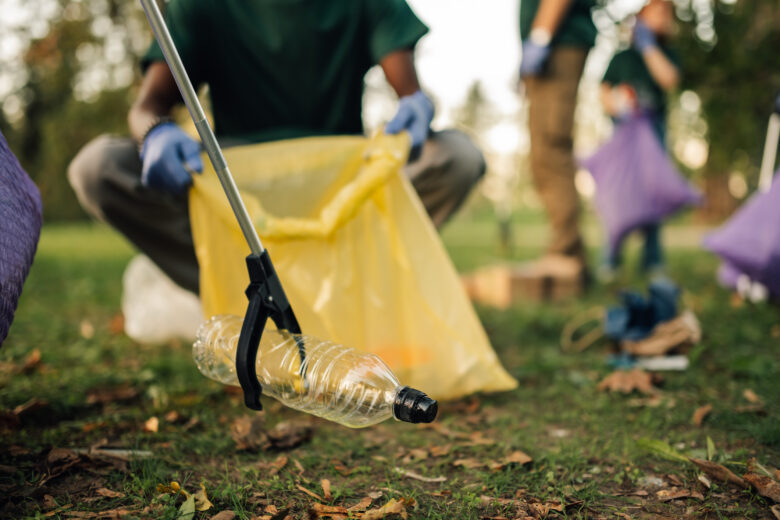
The reacher grabber tool
Thirty-two inches of lightweight aluminum with a rubberized claw on one end, and it eliminates an entire category of daily risk. Consumer Reports has tested this category and found that the best models securely grip a wide range of objects with low trigger force and no wrist strain. The CDC reports that seniors fall over 36 million times a year, and a significant number of those falls occur while reaching for something on a high shelf or bending to pick something up off the floor. A twelve-dollar tool that removes that need entirely is not unglamorous. It is sensible in a way most purchases never achieve.

The pill organizer
Healthline lists medication management as one of the most critical tools for independent living among older adults, and the weekly pill organizer is its unglamorous champion. It’s a plastic box. It has days of the week on the lid. It has been solving the “did I already take that” problem since Phil Cherrin patented the original design in 1969 and it has not been meaningfully improved upon since, because it didn’t need to be. The more elaborate smart pill dispensers with alarms and apps address a version of the problem that the original box already solved without requiring a charging cable.
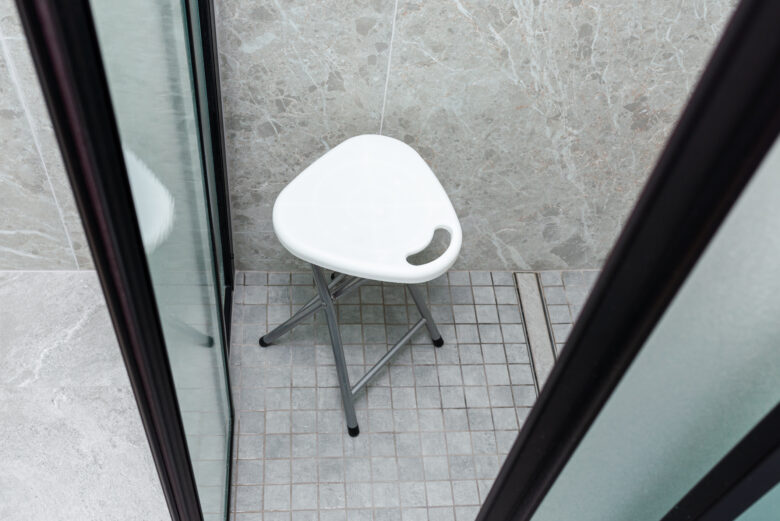
The shower chair
The shower chair sits in the corner of the bathroom and gets treated as an admission of something, which is the wrong way to think about it. Healthline specifically recommends it as a bathing aid for anyone who needs to reduce the physical demands of a standing shower, and those demands accumulate over decades in ways that don’t announce themselves until one slippery morning when they do. The chair costs less than thirty dollars. The alternative to catching a fall in the shower is considerably more expensive.
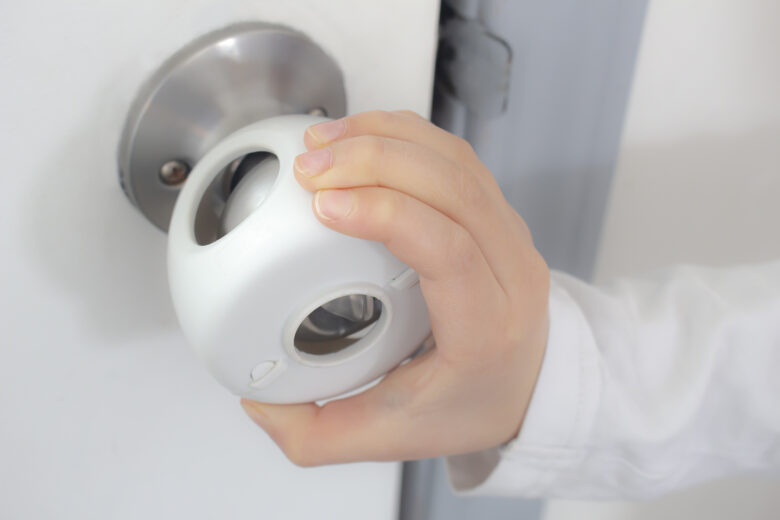
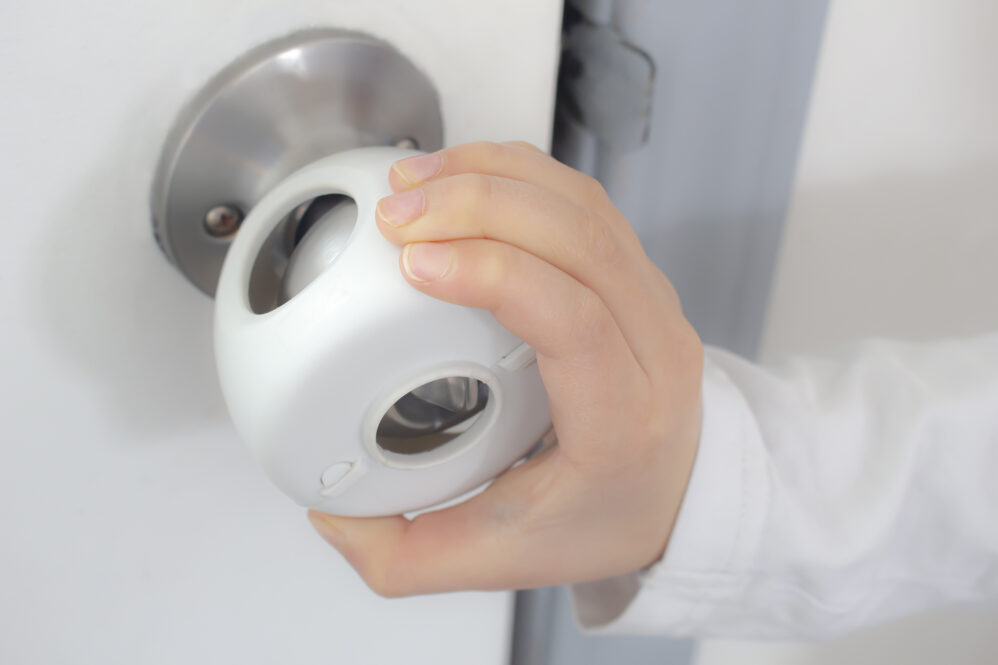
The door knob grip cover
Arthritis makes round door knobs a daily negotiation that most people without arthritis have never thought about once. The grip cover is a rubber sleeve that fits over a standard knob, converting it into a lever-style grip that requires a fraction of the hand strength. It costs about eight dollars. Consumer Reports recommends home modifications specifically for reducing grip and strength demands as a primary aging-in-place strategy, and the door knob cover is the most low-cost, high-impact example of that principle in practice.

The bed rail
Not the kind from a hospital. The standing assist bed rail that wedges between the mattress and the box spring and provides a grip point for getting up from a seated position without putting the full load on the knees. Healthline includes it among the essential independent living products, and the people who use them tend to describe the experience the same way: they didn’t realize how much of their energy was going into getting out of bed until the rail was there and it stopped going there.
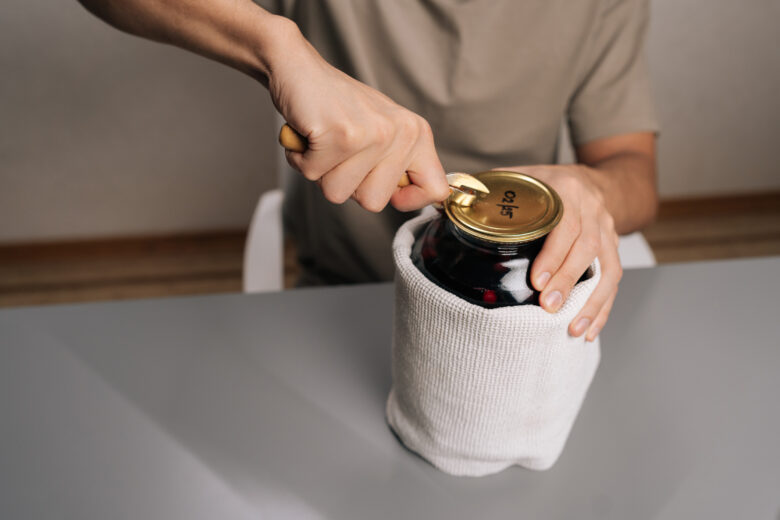
The jar opener
Electric or wall-mounted, it converts a grip-strength problem into a push-button operation. Consumer Reports recommends reducing grip and lifting demands in the kitchen as a primary safety modification. The jar opener doesn’t look like a safety product. It doesn’t market itself as one. It just opens jars, which is a daily frustration for a large proportion of the population over 65 and never makes it into any conversation about what aging actually involves.

The bottom line
The products that make the most difference in daily independent living are rarely the ones with the best packaging or the most impressive technology. They are the ones who quietly remove a specific source of friction that had been there so long it started to feel like just the way things were. None of them is glamorous. All of them work.
Ask us! What questions do you have about content, strategy, pop culture, lifestyle, wellness, history or more? We may use your question in an upcoming article!
Related:
Like MediaFeed’s content? Be sure to follow us.
This article was syndicated by MediaFeed.co.