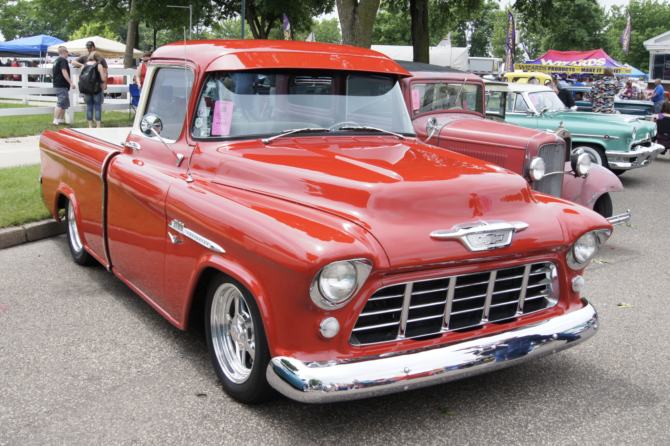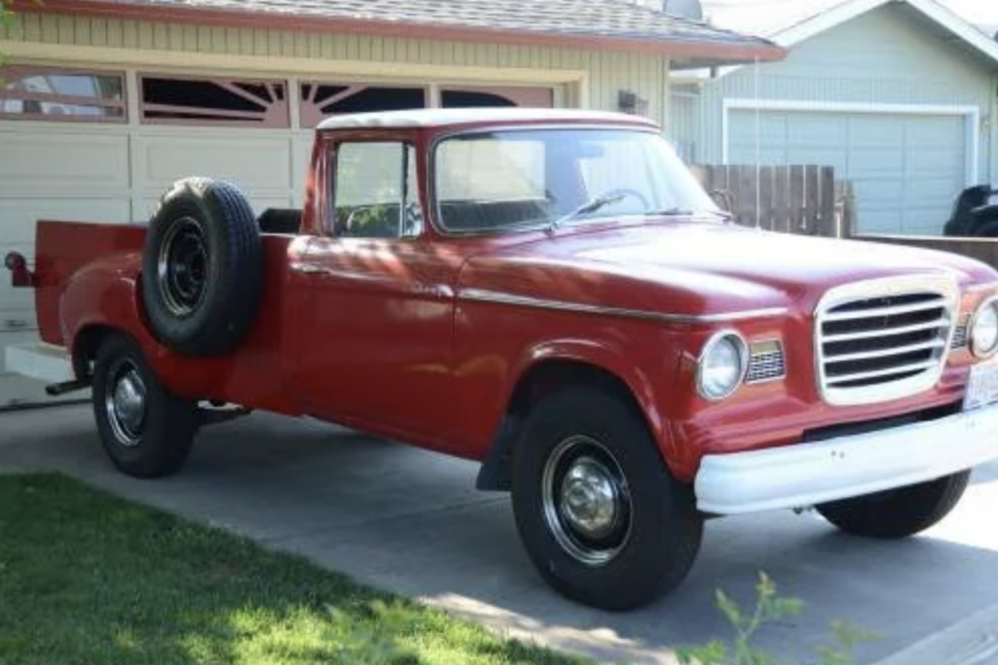
Truck interior features we desperately miss in modern pickups
A modern pickup can tow more, park itself, and connect to a phone before the engine even turns over. Somewhere in all that progress, a handful of genuinely useful cab features got quietly left behind, and no touchscreen has ever really replaced what they did.
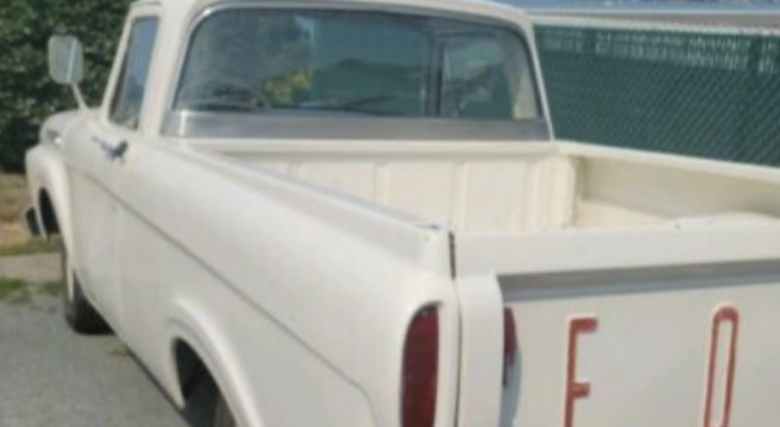
The roll-down rear window on the Ford F-Series and Studebaker Champ
Before sliding panels became the default, trucks let the entire rear window disappear straight into the cab wall, opening an airflow path no slider has ever matched. Toyota still builds a power vertical version into certain Tundra trims today, the last full-size holdout for a feature most manufacturers phased out decades ago.
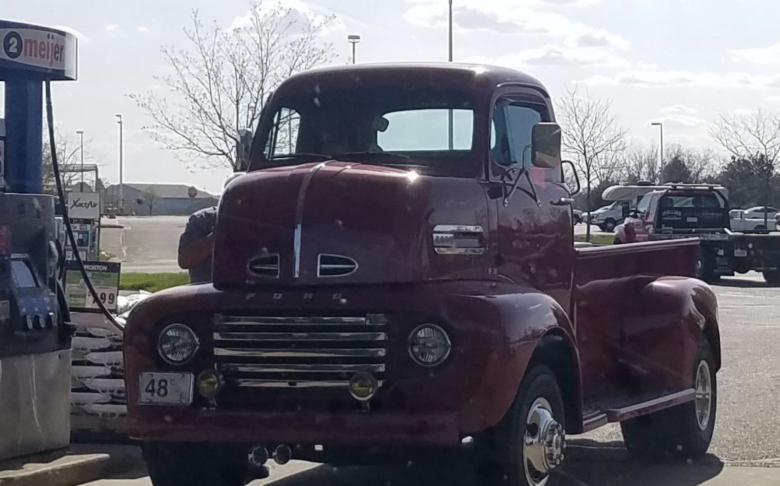
A three-way vent system on the 1948 Ford F-1
Two triangular vent windows plus a cowl vent gave that truck’s cab three separate points of airflow control, angled precisely enough to hit a driver’s face without the buffeting a fully open window creates at 65 miles an hour. Most modern cabs rely on climate control alone to solve a problem vent windows handled mechanically, for free, with the engine off.
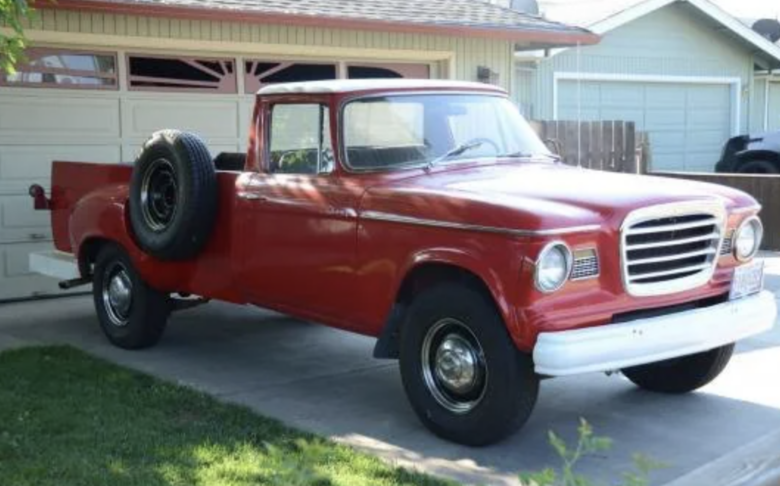
A bench seat wide enough for three people and zero center console
Studebaker’s Champ built sedan-level comfort into that format years before other manufacturers followed its lead into the late 1960s and 1970s. Safety regulations and center-mounted electronics eventually pushed the bench out almost entirely, and most trucks now offer it only as a stripped-down base option, if that.
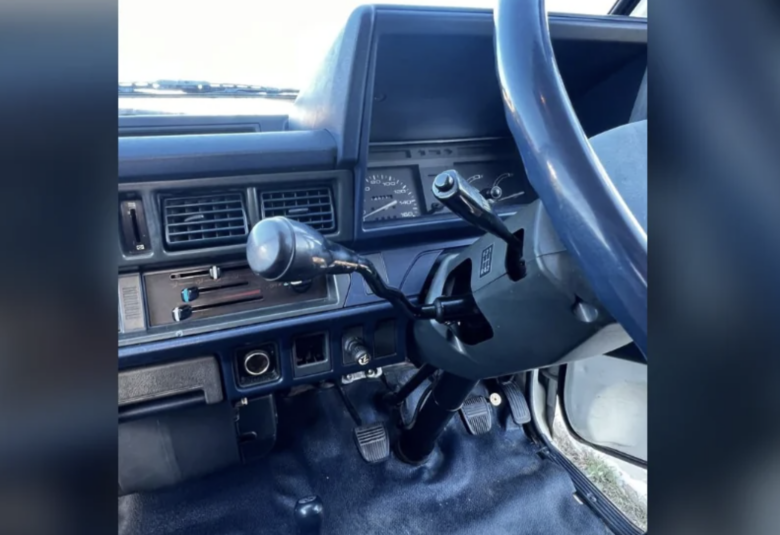
The column-mounted shifter, standard on American trucks from the late 1940s through the 1980s
Moving the gear lever off the floor let that same bench seat run uninterrupted from door to door, meaning a middle passenger never had to straddle any hardware. The setup survives today mainly on emergency vehicles, retained specifically because a floor shifter would collide with mounted radios and data terminals.
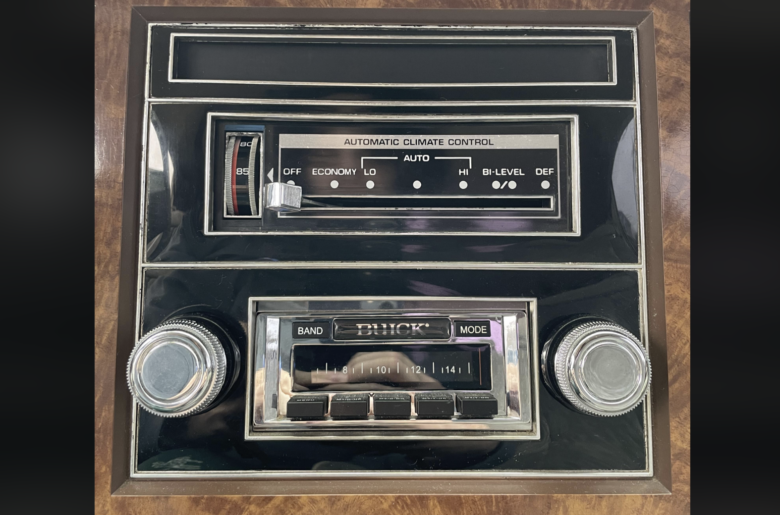
Radio and climate knobs you could operate without looking down
A single twist did one job, every time, without opening a menu first. Reviewers covering the shift to touchscreens have pointed to this directly, noting that physical controls let a driver adjust settings without taking their eyes off the road, something a screen buried three taps deep simply can’t replicate.
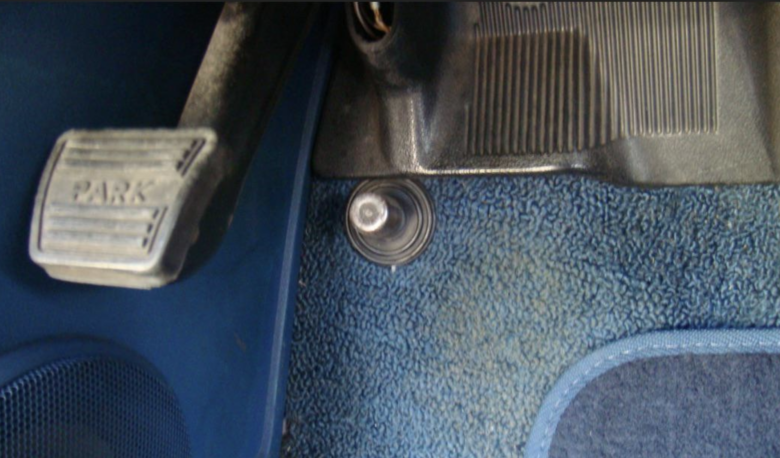
The floor-mounted high beam switch
A small cylindrical button sat to the left of the brake pedal in cars like the 1953 Buick Super and the 1971 Ford Galaxie 500, letting a driver toggle high beams with one tap of the left foot and never move a hand off the wheel. Steering column stalks eventually absorbed the function, and in most modern trucks, the left foot has had nothing to do with it since.

The bottom line
None of these features were complicated. They solved specific, everyday problems using a lever, a crank, or a well-placed button, and that simplicity is exactly what’s hardest to find in a cab full of screens today.
Ask us! What questions do you have about content, strategy, pop culture, lifestyle, wellness, history or more? We may use your question in an upcoming article!
Related:
Like MediaFeed’s content? Be sure to follow us.
This article was syndicated by MediaFeed.co.