Top 10 most affordable states to buy a house
Buying a house is one of the most significant financial decisions most people will make in their lifetime. While mortgage rates have begun to tick down, rising median sale prices in recent years have made buyers much more cost-conscious.
For this reason, finding one of the cheapest states to buy a house can translate into significant savings for prospective first-time homebuyers — as well as those looking for a better property at a lower price.
What Is the #1 Cheapest State to Buy a House?
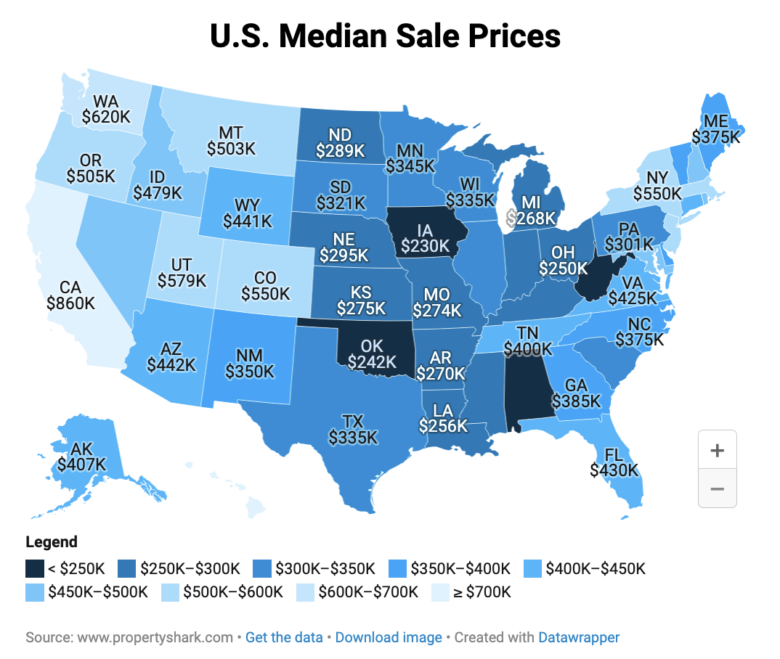
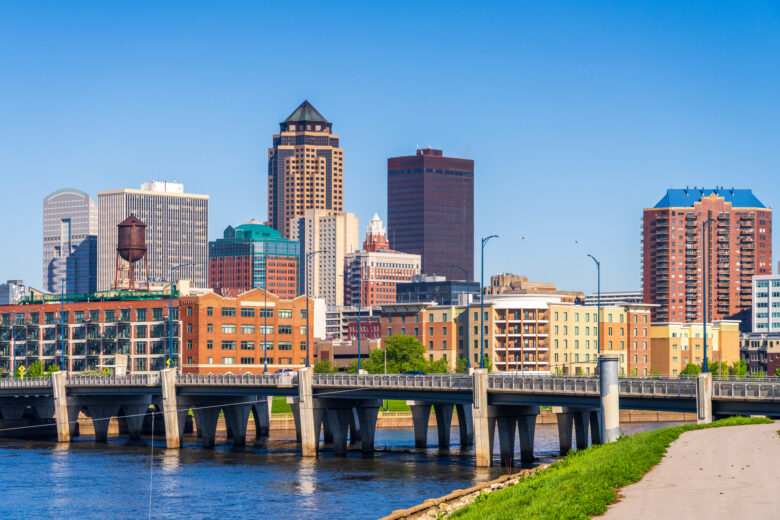
Iowa is the most affordable state to become a homeowner in with a median sale price of $230,000, more than $200,000 below the national median and unchanged year-over-year. Although Iowa workers also earn less than the national average salary — just over half the national income per capita — that is a common trait among the cheapest entries on our list and the state’s purchasing power parity and the potential advantages of remote work can act in favor of homebuyers eyeing the state. Most new residents are moving to the Des Moine metro, attracted by well-paying jobs and good schools, while the overall cost of living remains more affordable than in most large U.S. metros.
Iowa is now the cheapest state to buy a house in, overtaking Alabama, which held the top spot for several years.
Top 10 Most Affordable States to Buy a House
States featuring low home prices are primarily concentrated in the Midwest and the South, with metro areas in both regions experiencing considerable population influxes from coastal gateway cities reaching record home prices.
Plus, many of the states with the lowest home prices have the added advantage of lower real estate transfer taxes as well. In fact, Louisiana, Indiana and Mississippi do not charge a state-level real estate transfer tax and are also among the 10 cheapest states to buy a house in 2025. By comparison, real estate transfer taxes in New York start at 0.4%, translating to a $2,000 tax bill for a $500,000 home, but can reach as high as 4.45% for pricey NYC homes.
Read on to find out which other locations rank among the most affordable states to buy a house in after #1 Iowa.
#2: Alabama
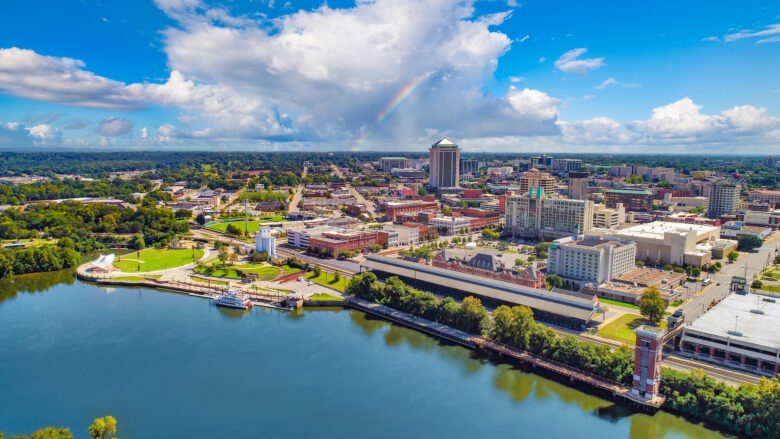
Ranking as the top state for cheap home prices for several years, Alabama has fallen to the runner-up spot as home prices appreciated, likely influenced by the state’s population growth, now at nearly 0.6%, per the latest U.S. Census data. Specifically, smaller cities in the state — such as Athens and Foley — have experienced the fastest population growth in recent years, although larger ones like Huntsville and Tuscaloosa also have a net inflow of residents.
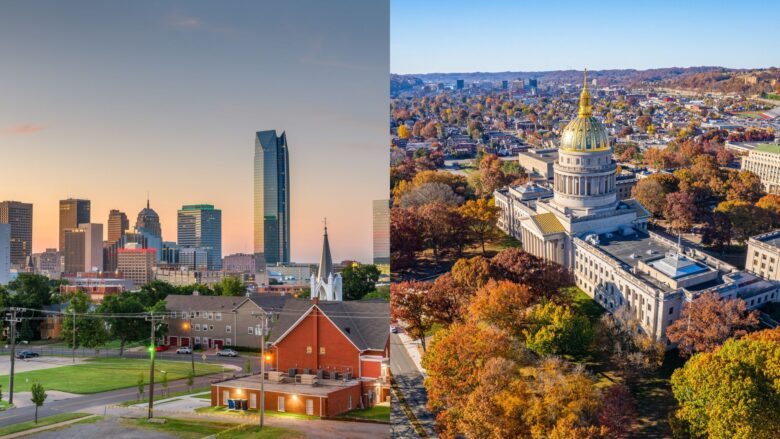
#3: Oklahoma & West Virginia (tie)
Oklahoma tied with West Virginia as the forth cheapest state to buy a home in 2026, both with a median price of $242,000. Although Oklahoma’s median sale price rose $10,000 year-over-year, it remains more affordable than other South-Central states, such as Louisiana and Arkansas. A less-expensive home market is just one of the factors contributing to a steady influx of population, adding around 160,000 new residents, the majority in the Oklahoma City and Tulsa metros.
By contrast, West Virginia’s median sale price actually contracted $4,000, likely influenced by the ongoing population decline of the state, which shrunk 4.3% over the past decade, according to Census data. In fact, West Virginia occupies the bottom position among all states for population growth. Ongoing efforts to combat this decline include WV Ascend — a partnership between West Virginia University and West Virginia Tourism — is even offering workers $12,000 if they relocate to the Mountain State, providing further incentive besides the advantageous housing market.
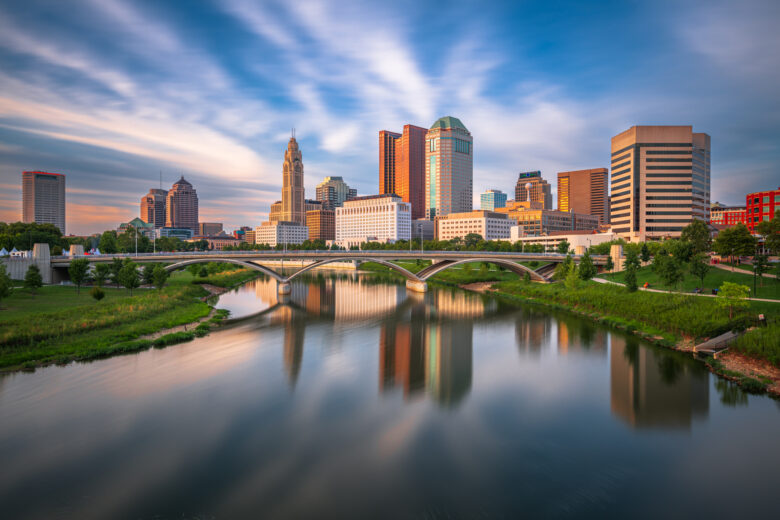
#4: Ohio
At #4, Ohio features a median home sale price of $240,000, making it the cheapest in the Great Lakes region and the fourth-most affordable nationwide. That may change however, as the state’s median sale price rose $10,000 compared to last year. Notably, the state started attracting a growing number of new residents after 20 years of population decline driven by domestic outflow.
Cleveland too, has stopped losing residents, instead registering modest gains. Meanwhile Columbus, one of the historical exceptions to the Rust Belt’s shrinking cities, experienced accelerated growth recently, gaining around 100,000 new residents over the past five years. One of the most commonly cited reasons for relocations to both cities, as well as the state, is the relative accessibility of their respective housing markets and overall lower cost of living.

#5: Louisiana
With a median home price of $256,000 Louisiana ranks as the fifth cheapest state to buy a house. The state’s median sale price rose $9,000 compared to last year, placing it in the bottom half of states for home price growth. It’s also one of just four entries in the top 10 cheapest states to buy a home in that feature a 0% real estate transfer tax, supplementing the Louisiana’s affordability.
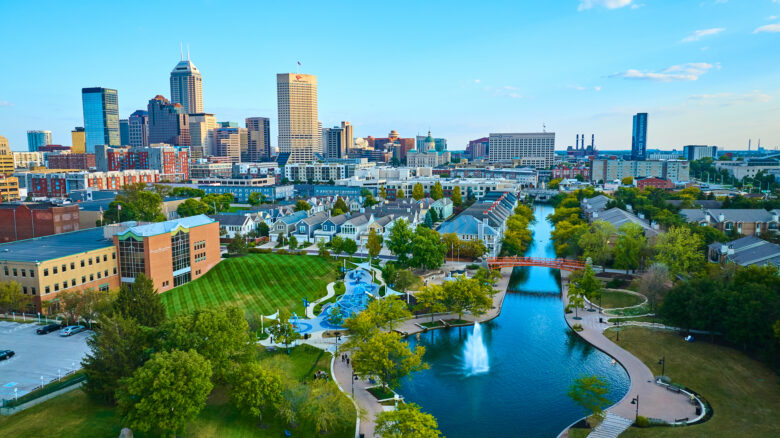
#6: Indiana
In sixth place, Indiana’s median home price stands at $267,000, rising $7,000 year-over-year. This slower price increase helped the state rise in the cheapest states for home price rankings, moving up from the ninth position last year. Here, real estate markets like Fort Wayne and Indianapolis are the main drivers of the state’s modest median sale price gains, but even in the state’s top two urban centers, market conditions have cooled from the previous years’ boom to more balanced dynamics, now characterized by modest growth and more days on the market.
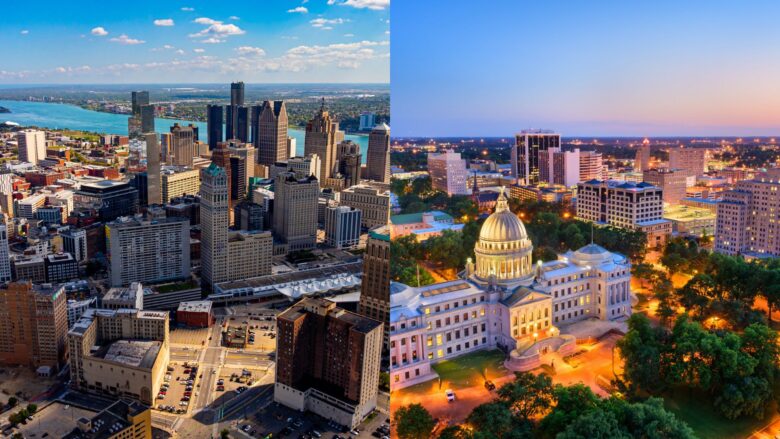
#7: Michigan & Mississippi (Tie)
Michigan and Mississippi are tied with a median price of $268,000. Besides geography and major industries, the states are also set apart by their respective real estate transfer tax rates — 0.75% in the case of Michigan and none in Mississippi, a major advantage for the Magnolia State.
While Mississippi’s population remained nearly flat for the past decade, it has recently seen some gains, mostly in its coastal areas and on the Memphis and Jackson metros. Michigan’s population has seen only modest growth that lags the national average, with much of that concentrated in Metro Detroit and the Grand Rapids Area, trailed by Ingham County.

#8: Arkansas
Up next, Arkansas maintained its #8 position from last year, but with a new $270,000 median sale price, the result of a $14,000 increase. The state has been steadily attracting new residents from other states, growing its population more than 3% since the 2020 Census, outpacing the national average. Much of that growth is concentrated in Northwest Arkansas, characterized by strong job growth, low unemployment rates and rising incomes.
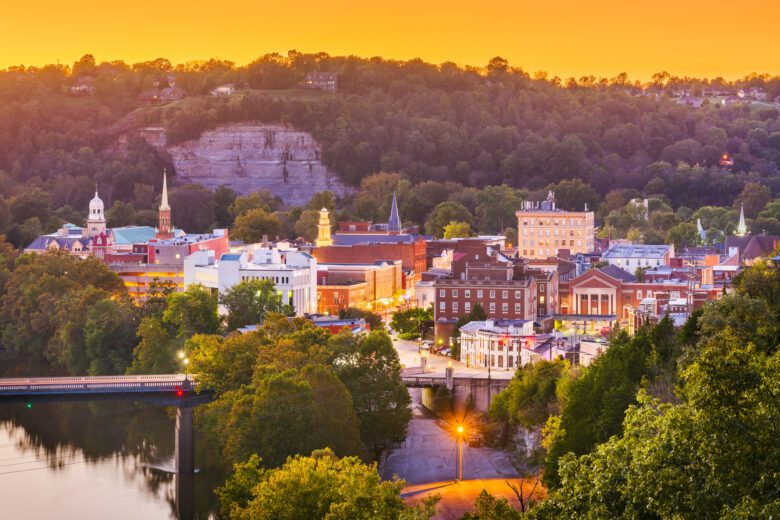
#9: Kentucky
The Bluegrass State reached a $271,000 median home price in 2026, still one of the cheapest states to buy a home, narrowly exceeding that of Arkansas. But while Arkansas is slightly more affordable, potential home buyers looking for the best deal may want to considering the differing real estate transfer tax rates: 0.33% for Arkansas and just 0.1% for Kentucky. While Kentucky is experiencing positive migration inflow, much of this, along with economic opportunities, is concentrated in the Louisville and Lexington metros.
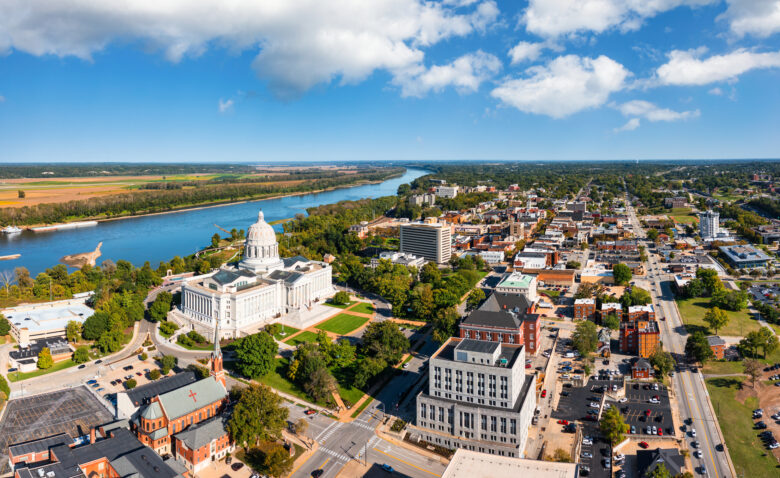
#10: Missouri
Closing off the list of the 10 cheapest states to buy a home in, Missouri’s median sale price reached $274,000. This was the result of a $24,000 year-over-year gain, the largest among the 10 best-priced states for homebuyers. Still, this increase puts it only $3,000 higher than Kentucky, while Missouri’s state-level estate transfer taxes remain 0%, an important factor for would-be homebuyers. And while the state’s income is somewhat lower than the national average, so is the cost of living,
Home prices remain a key consideration for prospective buyers. The states on this list stand out with lower median home prices, making homeownership more attainable. Consequently, first-time buyers or those open to relocate for a better deal don’t have to stretch their budgets too thin. And in some cases, may also take advantage of state and local programs that incentivize new residents to relocate.
See the table here for a recap of the top 10 most accessible states to become a homeowner, as well as a full list of the median sale prices across all U.S. states plus Washington, D.C.
Related:
- $8.1 million: Inside this Jersey town’s quietest record-breaking home sale
- 8 paint colors that transform your home into a luxury hotel experience
Ask us! What questions do you have about content, strategy, pop culture, lifestyle, wellness, history or more? We may use your question in an upcoming article!
Like MediaFeed’s content? Be sure to follow us.
This article originally appeared on Property Shark and was syndicated by MediaFeed.co.