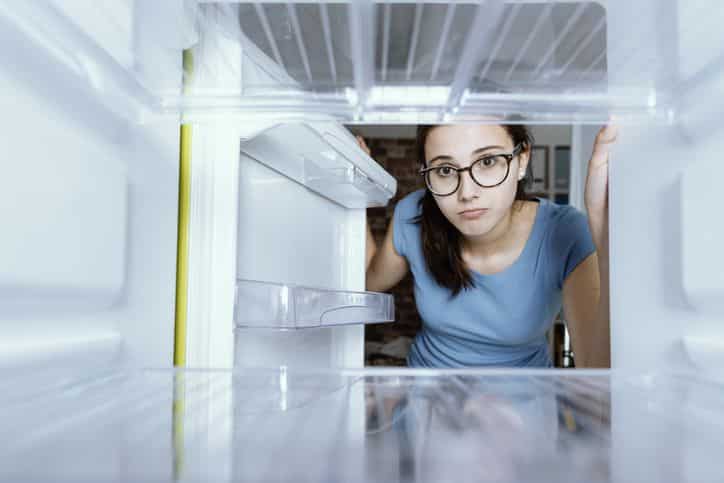
Nearly 11% of Americans reported sometimes or often not having enough to eat in the past seven days, according to Census Bureau estimates from mid-September.
Food insecurity is a national issue, but it varies significantly among demographics, with Black Americans, 25- to 39-year-olds, households with incomes of less than $25,000 and those without high school diplomas facing the biggest obstacles to putting food on the table. These statistics reflect the broader trend of rising income inequality in the U.S.
To get a close look at this phenomenon, MagnifyMoney researchers analyzed regional data to find which states have the highest percentage of adults going hungry.
Looking at each state’s data tells a story of hunger from coast to coast. However, food insecurity rates look starkly different when you break them down by age, race, education and household income.
Image Credit: demaerre / istockphoto.
Age & hunger

Those ages 25 to 39 are struggling the most, with 13.8% saying they don’t always have enough to eat. Previous MagnifyMoney research found that 63% of this age group who have tapped into retirement savings amid the coronavirus pandemic used the funds to pay for groceries.
Next were those ages 40 to 54, 12.8% of whom are facing food insecurity. Those aged 18 to 24 were right behind at 12.7%. Eighteen- to 24-year-olds have been hit particularly hard by unemployment during the pandemic, which could be making it difficult for them to pay for food.
Image Credit: Prostock-Studio / istockphoto.
Race & hunger
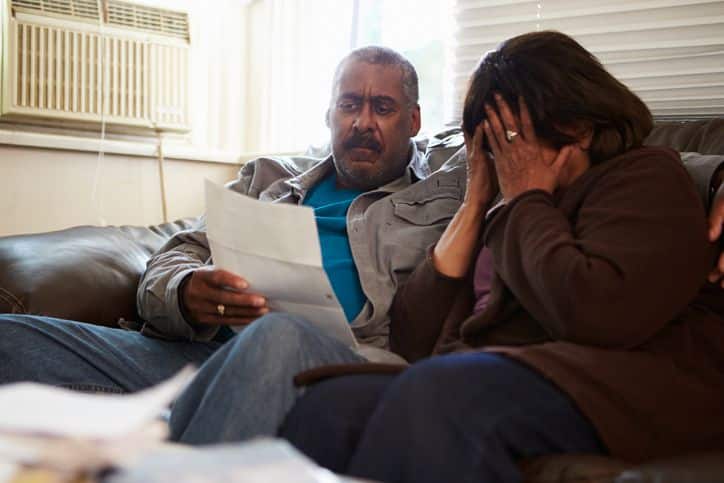
Nearly 19% of Black Americans reported they sometimes or often didn’t have enough to eat over that seven-day period — more than triple the rate of Asian Americans and more than double the rate of white Americans who lacked food.
Substantial job losses among people of color during the coronavirus crisis may explain why higher rates of Black and Latino Americans haven’t been able to stock their pantries easily. Black and Latino Americans had August 2020 unemployment rates totaling 13% and 10.5%, respectively.
Image Credit: monkeybusinessimages / istockphoto.
Education & hunger

Just about one in four who haven’t graduated high school said they didn’t have enough to eat, compared with 3.4% who’ve received a bachelor’s degree and reported the same. Just under 14% of those who finished high school (or earned a GED) were experiencing hunger at least sometimes, if not often, while the same was true for about one in 10 who had some college education.
This amplifies how education affects income. According to 2019 U.S. Census Bureau data, those who’ve earned a bachelor’s degree take home $24,388 more yearly on average than those who haven’t earned a degree beyond high school, potentially giving them more budgetary flexibilities for expenses.
Image Credit: nirat / istockphoto.
Household income & hunger

It should come as little surprise that wealthier Americans can more easily put food on the table than low-income families. Among those earning less than $25,000 a year, 28.3% were food insecure, compared with 9.3% of people making $50,000 to $74,999 and 0.6% of those earning at least $200,000 and above.
While food insecurity levels varied quite a bit among people of different household incomes, the amount of money they spend on food didn’t fluctuate as much. People in households with incomes less than $75,000 spent between $188.76 and $202.91 on food prepared and eaten at home in the previous seven days. For food outside the home in that same period, those earning less than $75,000 spent between $74.84 and $78.91, or about $50 less than what was spent by households earning $200,000 and up.
Image Credit: MARHARYTA MARKO.
Food insecurity rate when going into debt to make ends meet

Access to financing also helps paint a picture of who’s facing the biggest difficulties getting enough to eat. Nearly four in 10 who have turned to friends or family for money recently are food insecure.
While government programs are available for those in need, they don’t always provide enough money to cover food expenses. Just about 32% of people who’ve used benefits from the Supplemental Nutrition Assistance Program (SNAP) in the seven-day period said they lack enough food sometimes or often. Among people relying on unemployment insurance to cover expenses, 17.7% haven’t had enough to eat.
Image Credit: doble-d / istockphoto.
Food insecurity rate & confidence around paying rent/mortgage

Some families are finding that they need to choose between keeping a roof over their head and eating amid the pandemic — if they can afford either. More than half of those who are certain they can’t pay their rent or mortgage don’t have enough to eat.
The food insecurity rate drops to almost 29% among people who have a slight confidence in covering housing. But even a small number (7.9%) who are caught up on rent or mortgage payments still have a hard time putting enough food on the table.
Image Credit: DepositPhotos.com.
51. Vermont

Residents 18 and older: 485,485
Residents 18 and older who report they sometimes or often don’t have enough food to eat: 20,876
Food insecurity rate: 4.3%
Image Credit: ” DonLand”.
50. South Dakota
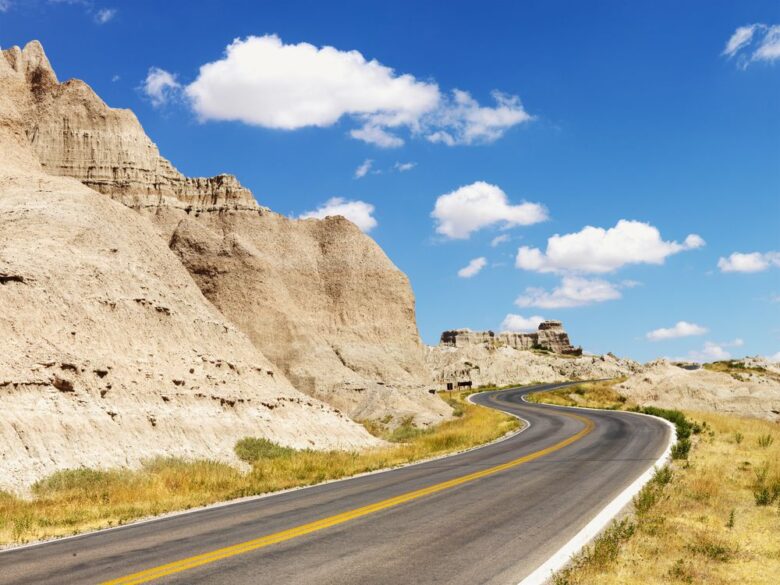
Residents 18 and older: 642,658
Residents 18 and older who report they sometimes or often don’t have enough food to eat: 38,559
Food insecurity rate: 6.0%
Image Credit: DepositPhotos.com.
49. Utah
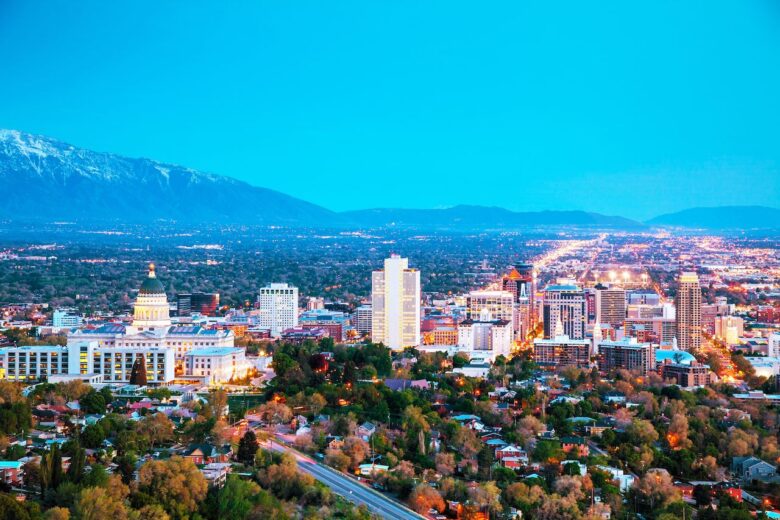
Residents 18 and older: 2,281,207
Residents 18 and older who report they sometimes or often don’t have enough food to eat: 143,716
Food insecurity rate: 6.3%
Image Credit: AndreyKrav.
48. Minnesota

Residents 18 and older: 4,241,624
Residents 18 and older who report they sometimes or often don’t have enough food to eat: 275,706
Food insecurity rate: 6.5%
Image Credit: DepositPhotos.com.
47. Montana

Residents 18 and older: 822,204
Residents 18 and older who report they sometimes or often don’t have enough food to eat: 55,088
Food insecurity rate: 6.7%
Image Credit: David Butler.
46. Hawaii

Residents 18 and older: 1,073,229
Residents 18 and older who report they sometimes or often don’t have enough food to eat: 71,906
Food insecurity rate: 6.7%
Image Credit: DepositPhotos.com.
45. Washington

Residents 18 and older: 5,890,357
Residents 18 and older who report they sometimes or often don’t have enough food to eat: 412,325
Food insecurity rate: 7%
Image Credit: DepositPhotos.com.
44. Idaho

Residents 18 and older: 1,343,198
Residents 18 and older who report they sometimes or often don’t have enough food to eat: 94,024
Food insecurity rate: 7%
Image Credit: shanecotee.
43. Maine

Residents 18 and older: 1,065,620
Residents 18 and older who report they sometimes or often don’t have enough food to eat: 75,659
Food insecurity rate: 7.1%
Image Credit: DepositPhotos.com.
42. North Dakota

Residents 18 and older: 561,016
Residents 18 and older who report they sometimes or often don’t have enough food to eat: 40,393
Food insecurity rate: 7.2%
Image Credit: DepositPhotos.com.
41. Massachusetts
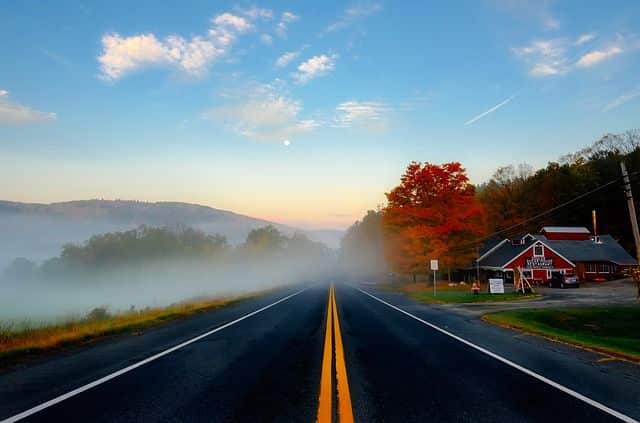
Residents 18 and older: 5,324,065
Residents 18 and older who report they sometimes or often don’t have enough food to eat: 388,657
Food insecurity rate: 7.3%
Image Credit: Pixabay.com.
40. New Hampshire

Residents 18 and older: 1,073,014
Residents 18 and older who report they sometimes or often don’t have enough food to eat: 85,841
Food insecurity rate: 8%
Image Credit: DepositPhotos.com.
39. Oregon
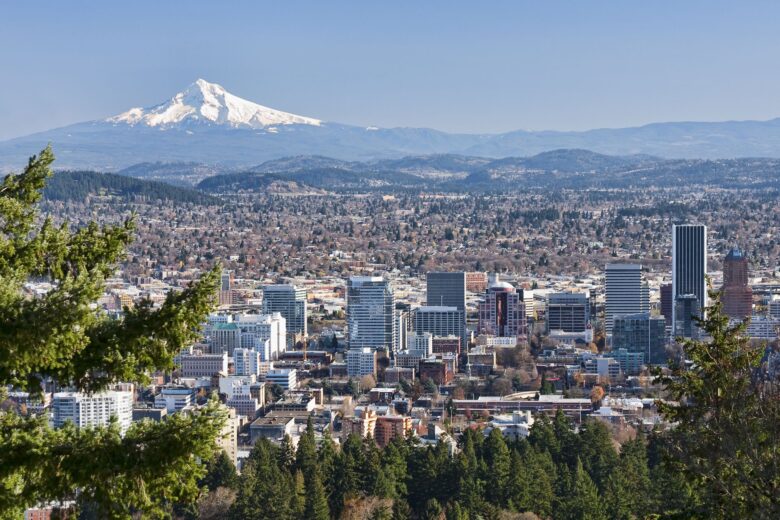
Residents 18 and older: 3,302,727
Residents 18 and older who report they sometimes or often don’t have enough food to eat: 274,126
Food insecurity rate: 8.3%
Image Credit: DepositPhotos.com.
38. Pennsylvania

Residents 18 and older: 9,776,154
Residents 18 and older who report they sometimes or often don’t have enough food to eat: 830,973
Food insecurity rate: 8.5%
Image Credit: weaver1234.
37. Iowa

Residents 18 and older: 2,342,905
Residents 18 and older who report they sometimes or often don’t have enough food to eat: 201,490
Food insecurity rate: 8.6%
Image Credit: JoeChristensen.
36. Virginia
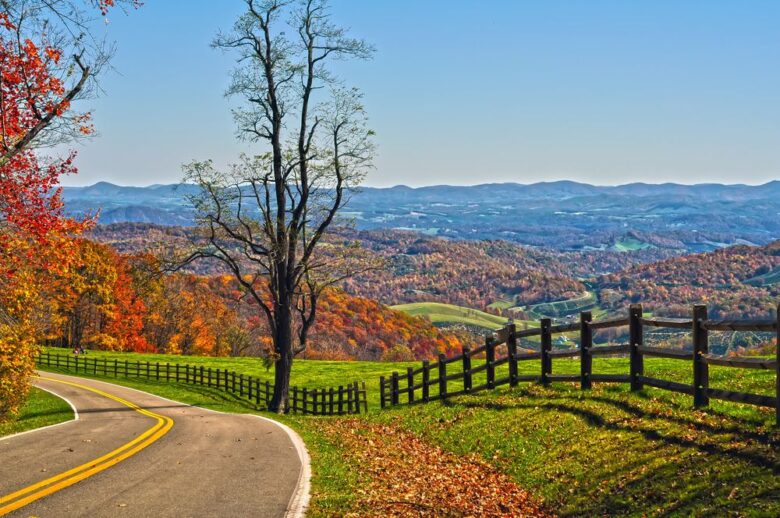
Residents 18 and older: 6,472,737
Residents 18 and older who report they sometimes or often don’t have enough food to eat: 569,601
Food insecurity rate: 8.8%
Image Credit: DepositPhotos.com.
35. Alaska

Residents 18 and older: 524,925
Residents 18 and older who report they sometimes or often don’t have enough food to eat: 46,193
Food insecurity rate: 8.8%
Image Credit: julof90.
34. North Carolina
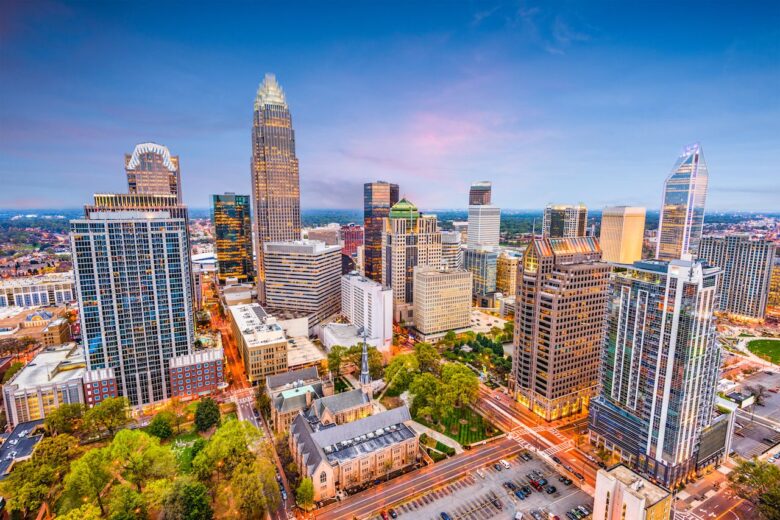
Residents 18 and older: 8,017,566
Residents 18 and older who report they sometimes or often don’t have enough food to eat: 713,563
Food insecurity rate: 8.9%
Image Credit: ” Darwin Brandis”.
33. Maryland

Residents 18 and older: 4,586,920
Residents 18 and older who report they sometimes or often don’t have enough food to eat: 408,236
Food insecurity rate: 8.9%
Image Credit: DepositPhotos.com.
32. Wisconsin
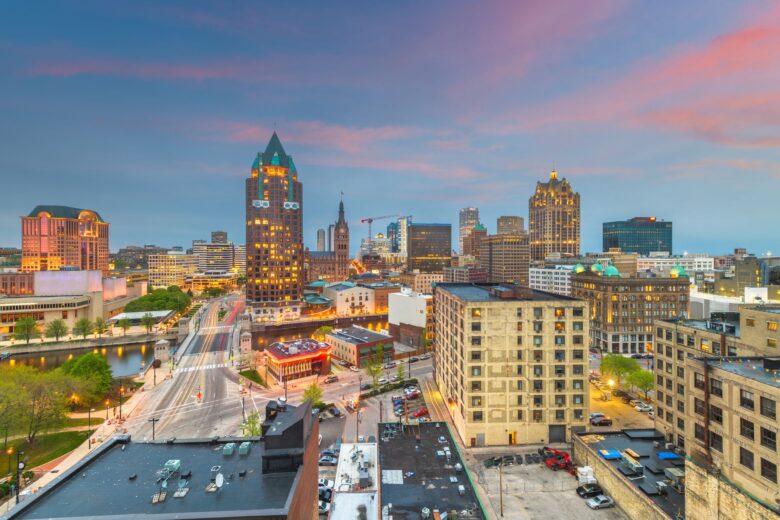
Residents 18 and older: 4,438,719
Residents 18 and older who report they sometimes or often don’t have enough food to eat: 399,485
Food insecurity rate: 9%
Image Credit: DepositPhotos.com.
31. Michigan
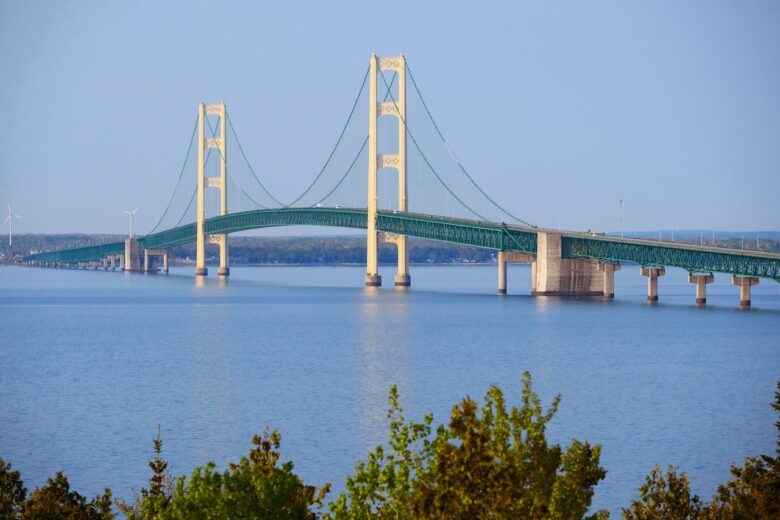
Residents 18 and older: 7,644,458
Residents 18 and older who report they sometimes or often don’t have enough food to eat: 688,001
Food insecurity rate: 9%
Image Credit: haveseen.
30. Kansas
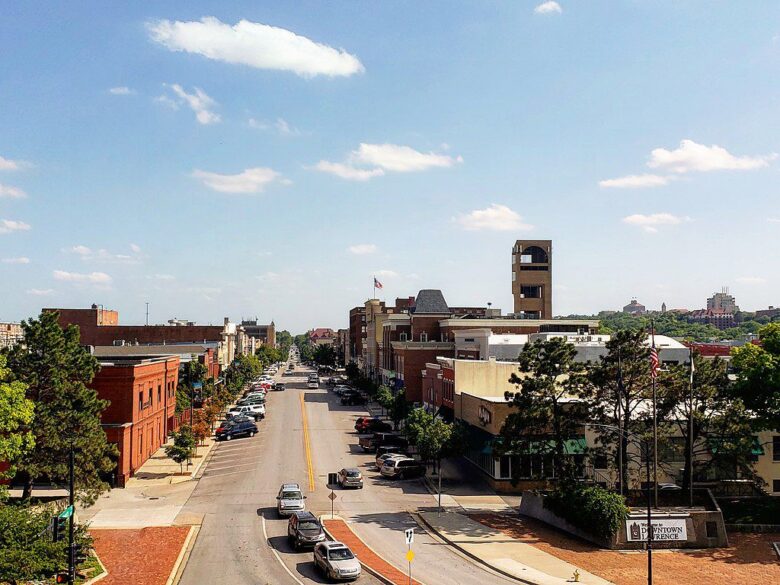
Residents 18 and older: 2,140,957
Residents 18 and older who report they sometimes or often don’t have enough food to eat: 192,686
Food insecurity rate: 9%
Image Credit: Ian Ballinger .
29. Missouri

Residents 18 and older: 4,617,880
Residents 18 and older who report they sometimes or often don’t have enough food to eat: 420,227
Food insecurity rate: 9.1%
Image Credit: DepositPhotos.com.
28. Arizona

Residents 18 and older: 5,597,268
Residents 18 and older who report they sometimes or often don’t have enough food to eat: 531,740
Food insecurity rate: 9.5%
Image Credit: istockphoto.
27. South Carolina

Residents 18 and older: 3,969,123
Residents 18 and older who report they sometimes or often don’t have enough food to eat: 388,974
Food insecurity rate: 9.8%
Image Credit: SeanPavonePhoto.
26. Colorado

Residents 18 and older: 4,454,718
Residents 18 and older who report they sometimes or often don’t have enough food to eat: 436,562
Food insecurity rate: 9.8%
Image Credit: DepositPhotos.com.
25. Nebraska

Residents 18 and older: 1,418,191
Residents 18 and older who report they sometimes or often don’t have enough food to eat: 146,074
Food insecurity rate: 10.3%
Image Credit: DepositPhotos.com.
24. Connecticut

Residents 18 and older: 2,732,423
Residents 18 and older who report they sometimes or often don’t have enough food to eat: 284,172
Food insecurity rate: 10.4%
Image Credit: traveler1116.
23. West Virginia

Residents 18 and older: 1,379,576
Residents 18 and older who report they sometimes or often don’t have enough food to eat: 144,855
Food insecurity rate: 10.5%
Image Credit: ” Chayanisa Puttamata”.
22. Georgia
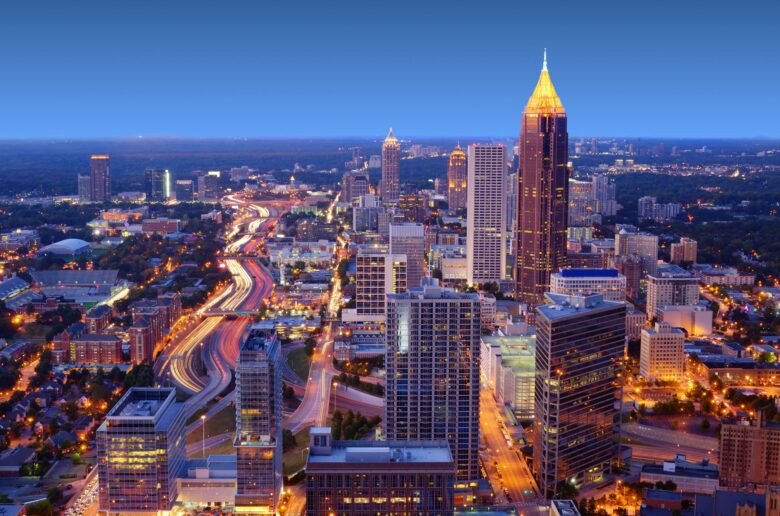
Residents 18 and older: 7,955,983
Residents 18 and older who report they sometimes or often don’t have enough food to eat: 835,378
Food insecurity rate: 10.5%
Image Credit: DepositPhotos.com.
21. California

Residents 18 and older: 29,939,021
Residents 18 and older who report they sometimes or often don’t have enough food to eat: 3,143,597
Food insecurity rate: 10.5%
Image Credit: mlauffen.
20. Delaware

Residents 18 and older: 754,637
Residents 18 and older who report they sometimes or often don’t have enough food to eat: 80,746
Food insecurity rate: 10.7%
Image Credit: Getty.
19. Oklahoma

Residents 18 and older: 2,916,436
Residents 18 and older who report they sometimes or often don’t have enough food to eat: 320,808
Food insecurity rate: 11%
Image Credit: Deposit Photos.
18. Ohio
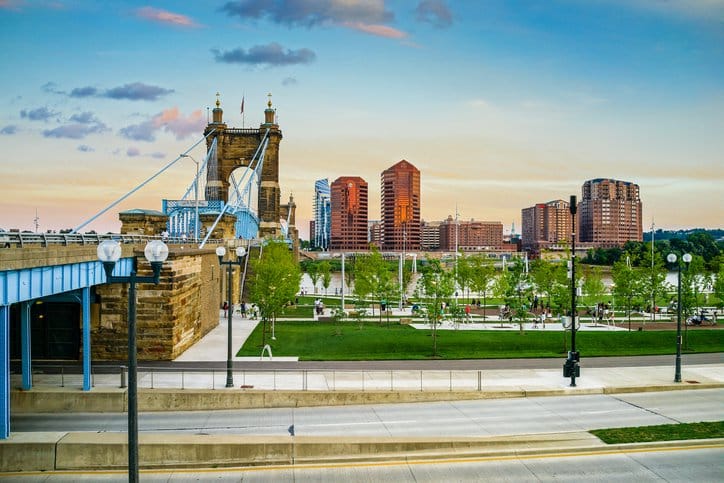
Residents 18 and older: 8,822,539
Residents 18 and older who report they sometimes or often don’t have enough food to eat: 970,479
Food insecurity rate: 11%
Image Credit: NatChittamai.
17. Tennessee

Residents 18 and older: 5,221,475
Residents 18 and older who report they sometimes or often don’t have enough food to eat: 579,584
Food insecurity rate: 11.1%
Image Credit: istockphoto.
16. New Jersey

Residents 18 and older: 6,776,822
Residents 18 and older who report they sometimes or often don’t have enough food to eat: 752,227
Food insecurity rate: 11.1%
Image Credit: ChrisBoswell/istockphoto.
15. Indiana

Residents 18 and older: 5,015,550
Residents 18 and older who report they sometimes or often don’t have enough food to eat: 556,726
Food insecurity rate: 11.1%
Image Credit: Pixabay.com.
14. Illinois

Residents 18 and older: 9,546,424
Residents 18 and older who report they sometimes or often don’t have enough food to eat: 1,088,292
Food insecurity rate: 11.4%
Image Credit: ibsky.
13. Texas

Residents 18 and older: 21,356,906
Residents 18 and older who report they sometimes or often don’t have enough food to eat: 2,477,401
Food insecurity rate: 11.6%
Image Credit: DenisTangneyJr.
12. Nevada

Residents 18 and older: 2,399,457
Residents 18 and older who report they sometimes or often don’t have enough food to eat: 287,935
Food insecurity rate: 12%
Image Credit: DepositPhotos.com.
11. Wyoming
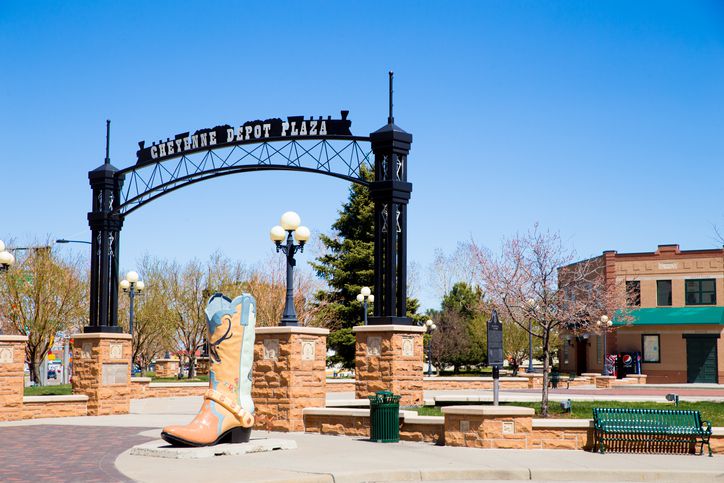
Residents 18 and older: 433,400
Residents 18 and older who report they sometimes or often don’t have enough food to eat: 52,875
Food insecurity rate: 12.2%
Image Credit: littleny/istockphoto.
10. Rhode Island
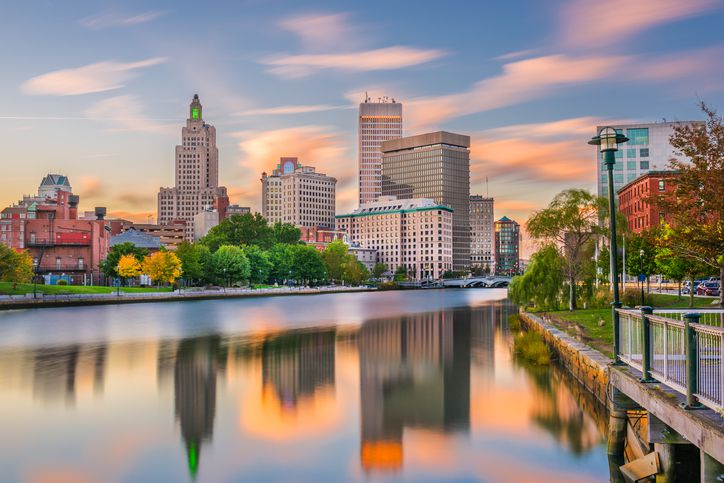
Residents 18 and older: 817,559
Residents 18 and older who report they sometimes or often don’t have enough food to eat: 99,742
Food insecurity rate: 12.2%
Image Credit: istockphoto.
9. New York

Residents 18 and older: 14,847,080
Residents 18 and older who report they sometimes or often don’t have enough food to eat: 1,811,344
Food insecurity rate: 12.2%
Image Credit: DepositPhotos.com.
8. New Mexico

Residents 18 and older: 1,589,574
Residents 18 and older who report they sometimes or often don’t have enough food to eat: 195,518
Food insecurity rate: 12.3%
Image Credit: Davel5957.
7. Florida
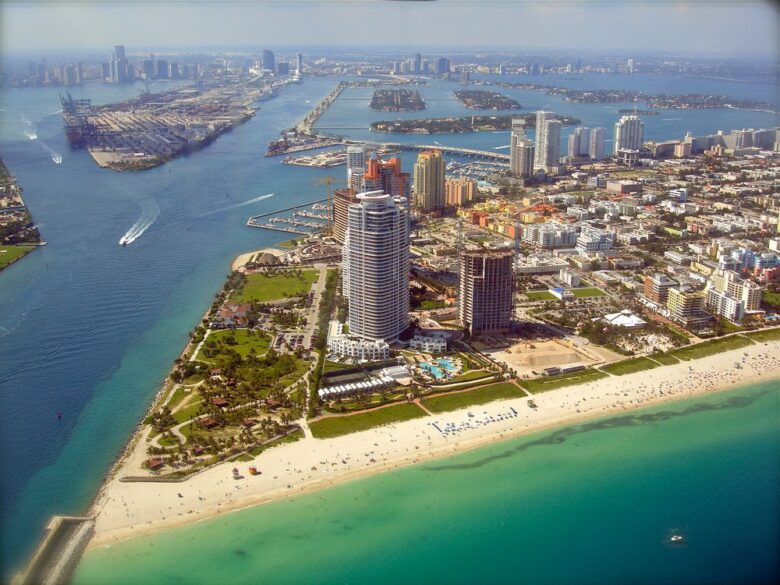
Residents 18 and older: 17,085,385
Residents 18 and older who report they sometimes or often don’t have enough food to eat: 2,238,185
Food insecurity rate: 13.1%
Image Credit: DepositPhotos.com.
6. Alabama

Residents 18 and older: 3,717,378
Residents 18 and older who report they sometimes or often don’t have enough food to eat: 490,694
Food insecurity rate: 13.2%
Image Credit: Sean Pavone // istockphoto.
5. Arkansas

Residents 18 and older: 2,246,527
Residents 18 and older who report they sometimes or often don’t have enough food to eat: 301,035
Food insecurity rate: 13.4%
Image Credit: DepositPhotos.com.
4. Kentucky
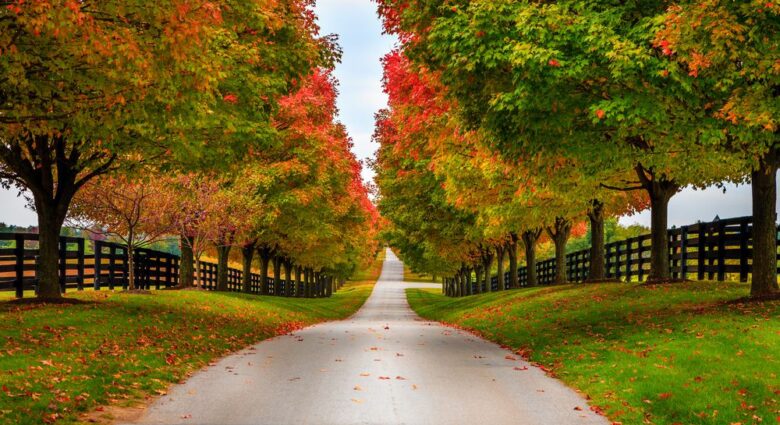
Residents 18 and older: 3,344,102
Residents 18 and older who report they sometimes or often don’t have enough food to eat: 471,518
Food insecurity rate: 14.1%
Image Credit: DepositPhotos.com.
3. Washington D.C.
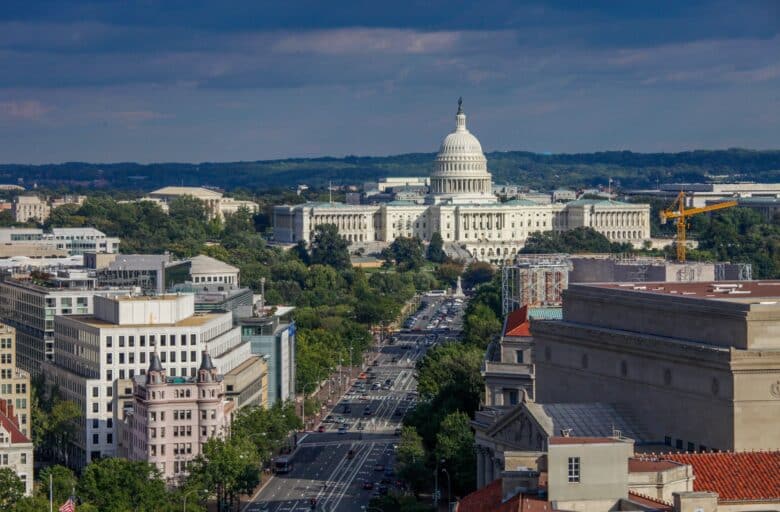
Residents 18 and older: 542,635
Residents 18 and older who report they sometimes or often don’t have enough food to eat: 79,225
Food insecurity rate: 14.6%
Image Credit: dkfielding.
2. Louisiana

Residents 18 and older: 3,431,432
Residents 18 and older who report they sometimes or often don’t have enough food to eat: 545,598
Food insecurity rate: 15.9%
Image Credit: DepositPhotos.com.
1. Mississippi

Residents 18 and older: 2,189,670
Residents 18 and older who report they sometimes or often don’t have enough food to eat: 378,813
Food insecurity rate: 17.3%
Image Credit: SeanPavonePhoto/istockphoto.
Methodology

Researchers analyzed data from the Census Bureau Household Pulse Survey conducted Sept. 2 to 14, 2020, to track the number of people who reported either sometimes or often not having enough to eat in the past seven days.
Image Credit: Damir Khabirov / istockphoto.
5 options for consumers when they don’t have enough food

Go to a local food pantry
State government websites, community groups and religious organizations often provide information on food pantries, where consumers can get free groceries. Some food pantries also provide other items, such as notebooks and pencils, that can help families reserve more of their budget for other essentials, including rent and utilities.
Get a hot meal at a soup kitchen
Many soup kitchens offer nutritionally-balanced hot meals for those in need. Some even provide delivery service, which can come in handy amid the coronavirus pandemic.
Apply for SNAP
SNAP, the Supplemental Nutrition Assistance Program, provides participants with an electronic benefit card they can use to pay for food. The benefits may be used at participating businesses, including grocery stores and farmers’ markets, as well as for online grocery orders at certain retailers. A household’s gross monthly income usually needs to be at no more than 130% of the poverty line to be eligible for SNAP. Contact a local SNAP office to apply.
Apply for WIC
WIC, short for the Special Supplemental Nutrition Program for Women, Infants and Children, helps new or expectant moms, as well as their children up to age 5, get nutritious food, either with an electronic benefit transfer card or via checks or vouchers. Eligible consumers must meet certain income guidelines, residency requirements and be at “nutritional risk,” as determined by a health professional. Consumers can apply for WIC through state agencies.
Get kids’ meals at school
Children from low-income households can get free or reduced-price meals at schools and child care centers through the National School Lunch Program and the School Breakfast Program. As part of its COVID-19 pandemic response, the U.S. has extended its summer meal program through as late as the end of 2020 and made it more flexible, allowing parents and guardians to pick up meals for kids from nearly 80,000 sites across the U.S.
Read more:
This article originally appeared on MagnifyMoney.com and was syndicated by MediaFeed.org.
Image Credit: dragana991 / istockphoto.