These are the most haunted houses in America
Sarah Winchester died in her sleep on September 5, 1922. And the hammering stopped. Thirty-eight years of carpenters, done. By June 30, 1923, the doors were open to paying visitors.
Honestly, that’s how many American ghost stories start. A real house. A real family. A tour guide with a flashlight.
Six houses follow. Each has a paper trail and a ghost story, and we’ll tell you where the two don’t agree. For two of them, they really don’t.
Footsteps in an 1857 brick house
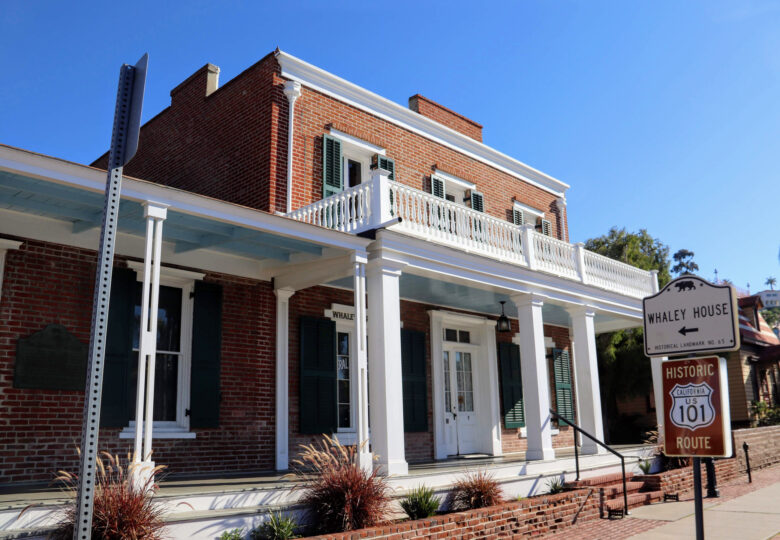
Thomas Whaley finished his San Diego home in 1857, the town’s first two-story brick building. The lot had a history, though. In 1852, a man named James “Yankee Jim” Robinson was hanged there, and Whaley was in the crowd.
So when heavy footsteps echoed through his new house, he guessed whose. He wrote about them around 1858 to 1860 and blamed Robinson.
Wikipedia says the house opened as a museum on May 25, 1960. Time magazine and the Travel Channel have since both called it America’s most haunted house. One line you’ll see everywhere is that the U.S. Commerce Department certified it. Nobody can explain where that came from. Meanwhile, the museum has trademarked “America’s Most Haunted House.”
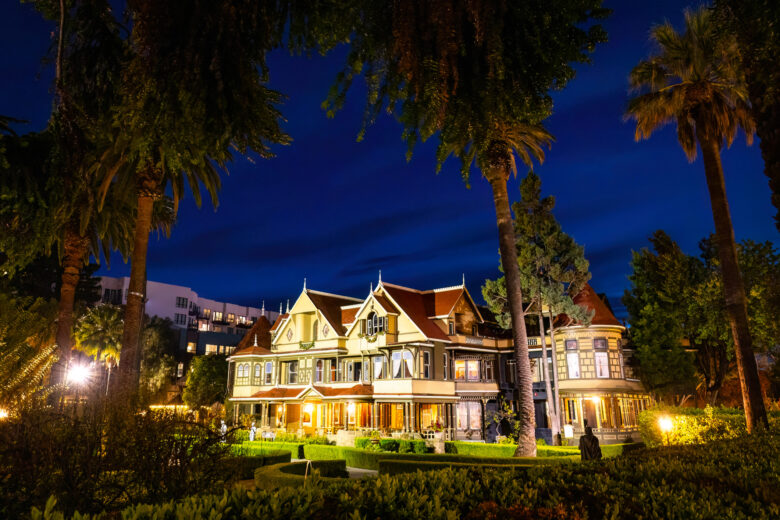
Who told Sarah Winchester to keep building?
Supposedly, a medium in Boston. The story goes that Sarah was told the ghosts of everyone killed by Winchester rifles were after her, and the only cure was to keep building. Forever.
The earliest version showed up in an 1895 San Francisco Chronicle article. And the record doesn’t back it. Construction stopped regularly. Sarah spent more time away from the house than in it.
The house itself is undeniable: 160 rooms, 10,000 windows, and 2,000 doors, according to its own history.
Janan Boehme, the house’s historian, told Vanity Fair, “People back then didn’t have a massive guilt complex over guns.” Biographer Mary Jo Ignoffo puts it more bluntly: Sarah “has been exploited for profit for over a century.”
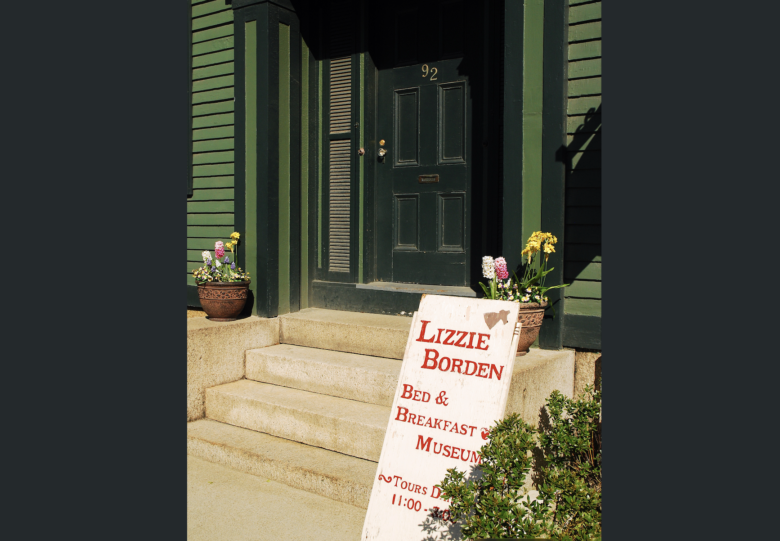
92 Second Street
Fall River, Massachusetts, August 4, 1892. Andrew and Abby Borden are found dead in their home. Their daughter Lizzie goes on trial, and on June 20, 1893, a jury acquits her after about 90 minutes.
The house is now 230 Second Street, because the city renumbered the road in 1896. After the trial, Lizzie and her sister moved to a house called Maplecroft, and they sold the old place in 1918.
Today it’s a bed-and-breakfast and museum with evening ghost tours. You can book the room where they found Abby.
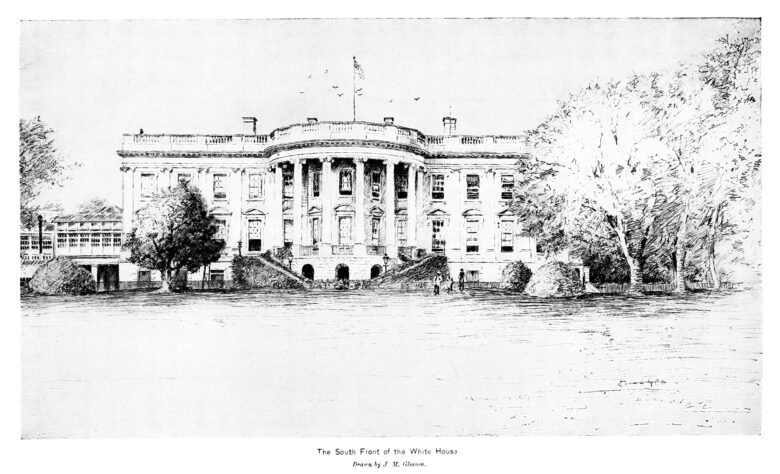
Lincoln’s bedroom was his office
Not a bedroom in Lincoln’s day. He used that room as an office, which makes the ghost stories a little backward.
White House historian Sarah Fling says many of them trace back to one man: Jeremiah “Jerry” Smith, a longtime employee who claimed he saw Lincoln hundreds of times. His story ran in a 1903 newspaper article. First Lady Grace Coolidge said she saw Lincoln at a window. Queen Wilhelmina of the Netherlands said she saw him in 1942, and reportedly fainted.
Mary Lincoln held séances in the Red Room in 1862 and 1863 after her son Willie died, according to the association. And President Reagan’s dog, Rex, would stand outside the Lincoln Bedroom and bark, refusing to go in.
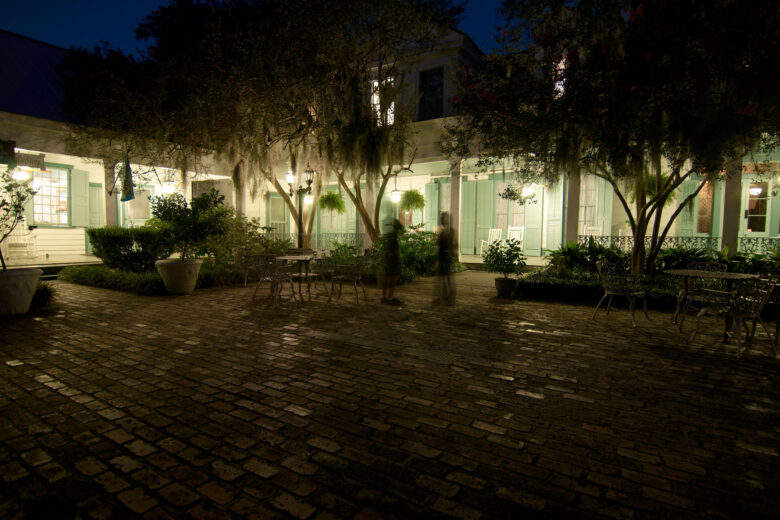
A ghost named Chloe, and the census
General David Bradford built the Myrtles Plantation in St. Francisville, Louisiana, in 1796. He was on the run from the Whiskey Rebellion, and he called the place Laurel Grove.
Then there’s the legend. Chloe, an enslaved woman, supposedly punished, supposedly poisoned a family, now a ghost in a green turban. Here’s the problem. Historians have found no record of a Chloe owned by the Woodruffs. Census records show the family owned five enslaved people in 1820 and 32 in 1830, none by that name.
The record does show that yellow fever killed members of the Woodruff family in the 1820s. And in 1871, William Winter was shot on the property, the only documented murder there.
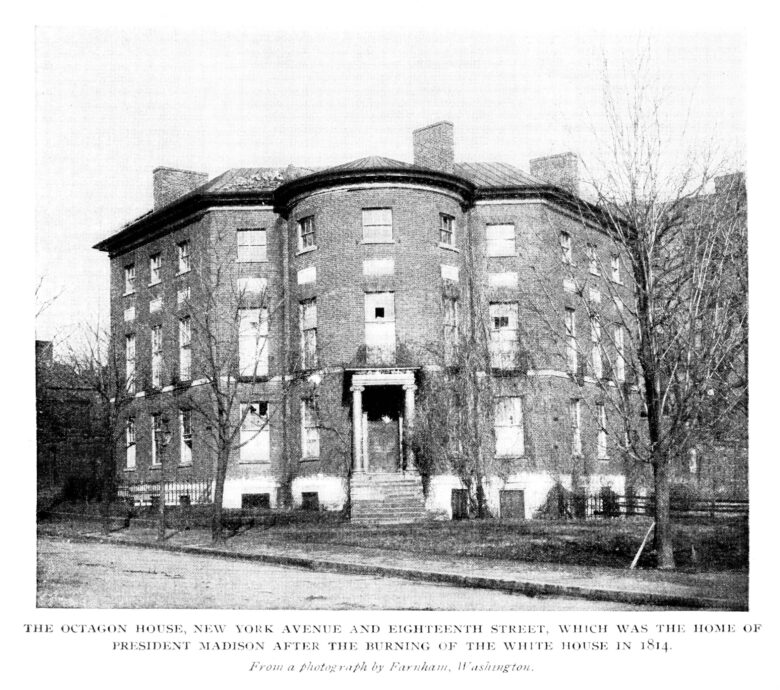
Two daughters who weren’t there
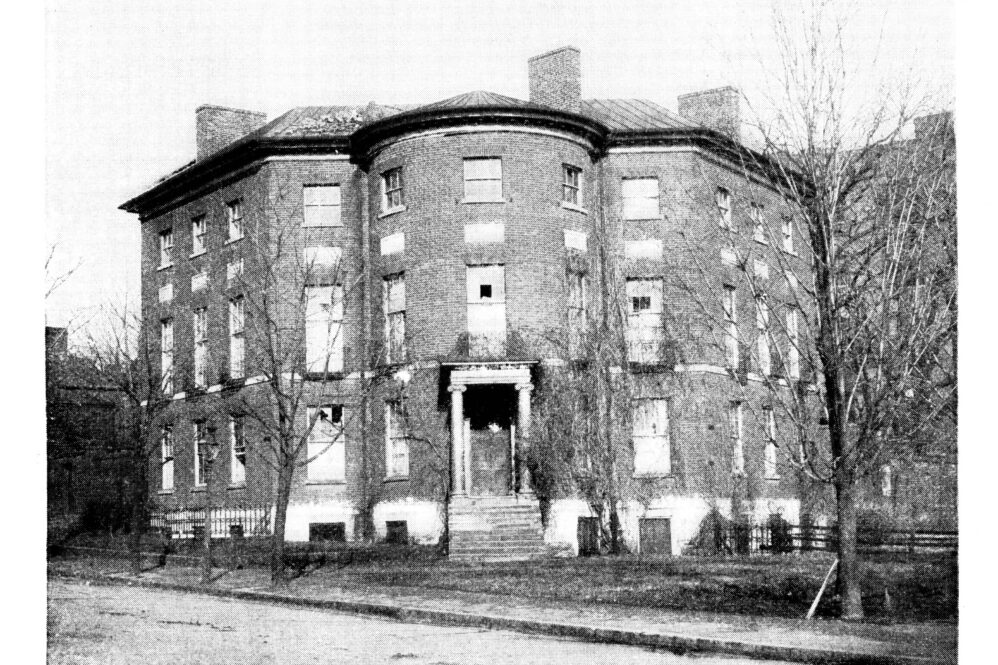
The Octagon sits a few blocks from the White House. The legend says two of Colonel John Tayloe’s daughters died on its staircase and still wander it.
The records disagree. Ann Tayloe died at one month old, in 1800, and never lived in the house. Rebecca Plater Tayloe died in 1815, at 18, in Washington, but not at the Octagon.
What’s documented is better. President Madison and Dolley moved in on September 8, 1814, after the British burned the White House. On February 17, 1815, Madison signed the Treaty of Ghent in the circular room upstairs, per the National Park Service. Dolley hated the house, with its damp and mold in the basement.

The bottom line
Two of the six legends don’t match the records: Chloe and the Tayloe daughters. The Whaley House has trademarked its title.
Ask us! What questions do you have about content, strategy, pop culture, lifestyle, wellness, history or more? We may use your question in an upcoming article!
Related:
- Your cozy (or spooky!) Halloween movie, according to your horoscope
- Scary urban legends that are actually true
Like MediaFeed’s content? Be sure to follow us.
This article was syndicated by MediaFeed.co.