

If you’ve ever bitten into a juicy, red strawberry only to find that it was watery and somewhat flavorless, certain pesticides could be to blame.
In a recent study, scientists found that two common fungicides used on strawberries — boscalid (BOS) and difenoconazole (DIF) — can affect the fruit’s cellular mechanisms and mute its sweetness and overall flavor while lowering the berry’s nutritional value.
The study, “Insights into the Mechanism of Flavor Loss in Strawberries Induced by Two Fungicides Integrating Transcriptome and Metabolome Analysis,” was published in the American Chemical Society’s (ACS) Journal of Agricultural and Food Chemistry.
More From EcoWatch: The Best Solar Panels For Farming
Each year, the Environmental Working Group (EWG) — a nonprofit activist group specializing in research and advocacy in areas like toxic chemicals and agricultural subsidies — puts out a list of fruits and vegetables with the highest amounts of pesticides after washing, called the “Dirty Dozen.”
Last year and in other previous years, strawberries topped the list, along with leafy greens like spinach, kale and mustard greens. Before testing, EWG prepares the produce as a consumer would.
“EWG recommends that, whenever possible, consumers purchase organic versions of Dirty Dozen produce,” said EWG science analyst Sydney Swanson in an EWG press release. “Most pesticides can’t legally be applied to produce that is grown organically.”
Almost 70 percent of produce in the U.S. that is not grown organically has been found to have pesticide residue, according to the press release. Levels were usually within legal limits, but that doesn’t guarantee that the produce is safe. According to one study, more than one-fourth of pesticides used in this country contain chemicals that have been banned in Europe due to health risks.
Pesticides are aimed at fungi and insects, but they are toxic, and many of them have been linked to health problems in humans, such as cancer and toxicity in the nervous system and brain, the EWG press release said.
More From EcoWatch: Sustainable Home Improvements To Make Now
The sweetness you taste when biting into a plump, juicy strawberry comes from the levels of dissolved fructose or glucose, while its distinct smell is produced by volatile compounds like terpenes and esters, an ACS press release said.
Fungicides are designed to interfere with the cellular processes of fungi, so when they’re applied to berries, they can also disrupt the processes of the fruits themselves, which impacts their nutritional compounds, as well as their flavor.
In the ACS study, the researchers examined how BOS and DIF affected particular molecular pathways in strawberries.
The team cultivated three types of strawberries using the same growing conditions and applied BOS and DIF to two of the groups. When fully grown, the berries in all three groups were the same color and size. However, the researchers found that chemical changes had occurred in both groups exposed to the fungicides.
The research team found that there was a reduction in vitamin C, sucrose and other nutrients and soluble sugars; that the fruits’ sugars had been converted into acids, affecting their level of sweetness; and that the levels of their volatile compounds had changed, muting their aroma and taste.
More From EcoWatch: How To Conserve Energy
The team also found that the cellular pathway gene regulation related to the production of volatile compounds, nutrients, amino acids and sugars had been directly affected by BOS.
Perhaps most telling was that, when subjected to a blind taste test, people consistently preferred the strawberries that hadn’t been treated with pesticides.
The researchers said their study may give guidance to farmers in future pesticide use. “Everyone should eat plenty of fresh fruit and vegetables, no matter how they’re grown,” said EWG toxicologist Dr. Alexis Temkin in the EWG press release. “But shoppers have the right to know what potentially toxic substances are found on these foods, so they can make the best choices for their families, given budgetary and other concerns.”
This article originally appeared on EcoWatch and was syndicated by MediaFeed.
More from MediaFeed:
- The one dive bar to visit in every state
- This dog has one of the most-visited gravesites in America
- Over-the-top last meals of death-row convicts
Like MediaFeed’s content? Be sure to follow us.
8 fruits & veggies that’ll keep you hydrated on hot summer days
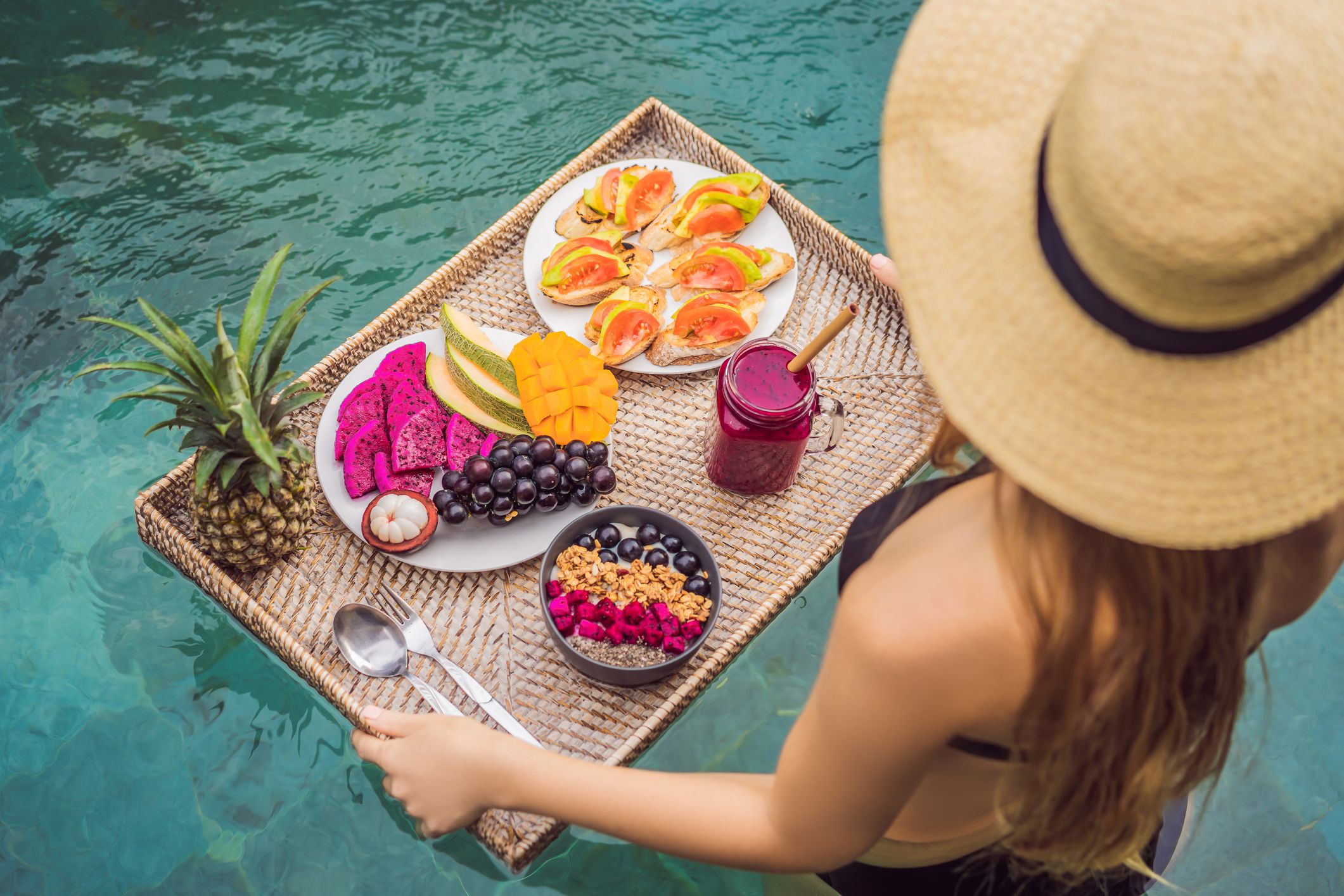
Phew — it’s a scorcher out there! There’s no denying that summers are getting hotter and hotter, and the 2022 season is already shaping up to be one of the hottest. While we all can do our part in reducing emissions and combating climate change to help mitigate these unbearable temperatures, the reality is that the impacts of climate change are already here.
With ongoing heat waves and droughts in most of the country, it’s important to stay hydrated to keep yourself in good health. Drinking enough water is a good place to start, but you should also consider eating hydrating foods to keep yourself cool, whether you’re sweating it out on a hike, a walk in the park, an afternoon at the pool, or a nap on your sofa.
Here are eight fruits and vegetables with high water content to snack on when the temperatures are soaring.
galitskaya / iStock
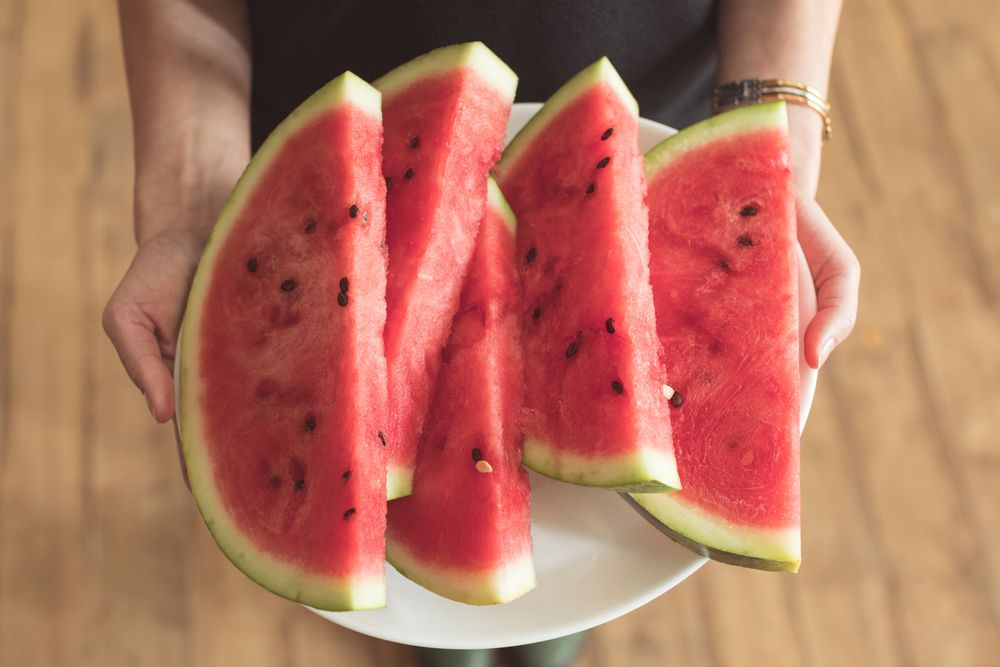
It’s perfect timing that watermelon is in season come summertime. This tasty, refreshing fruit has an impressive water content around 90% that makes it a great treat to enjoy during this time of year.
For the juiciest, sweetest watermelon, opt for one that is round, feels heavy, and has large webbing and/or a bright orange spot.
Watermelon is great on its own as a snack, but there are many other ways to eat (or drink!) this hydrating fruit. Add it to a salsa recipe for a sweet-and-spicy topping or dip, or blend it for a frosty drink. It’s also delicious in a salad.
DepositPhotos.com

Cucumbers are one of the most hydrating foods available. With about 96% water content, you’ll want to munch on these as often as you can. Fortunately, this fruit (yes, cucumbers are botanically a fruit), has a subtle flavor that makes it versatile.
Like watermelon, cucumber is tasty on its own or in a salad. Because of the high water content, cucumber is also a good candidate for juicing and pairs well with other freshly juiced fruits. Add cucumber to sandwiches or toast or cold noodle dishes for crunch, or blend it with veggies for a summer gazpacho.
miolana / iStock
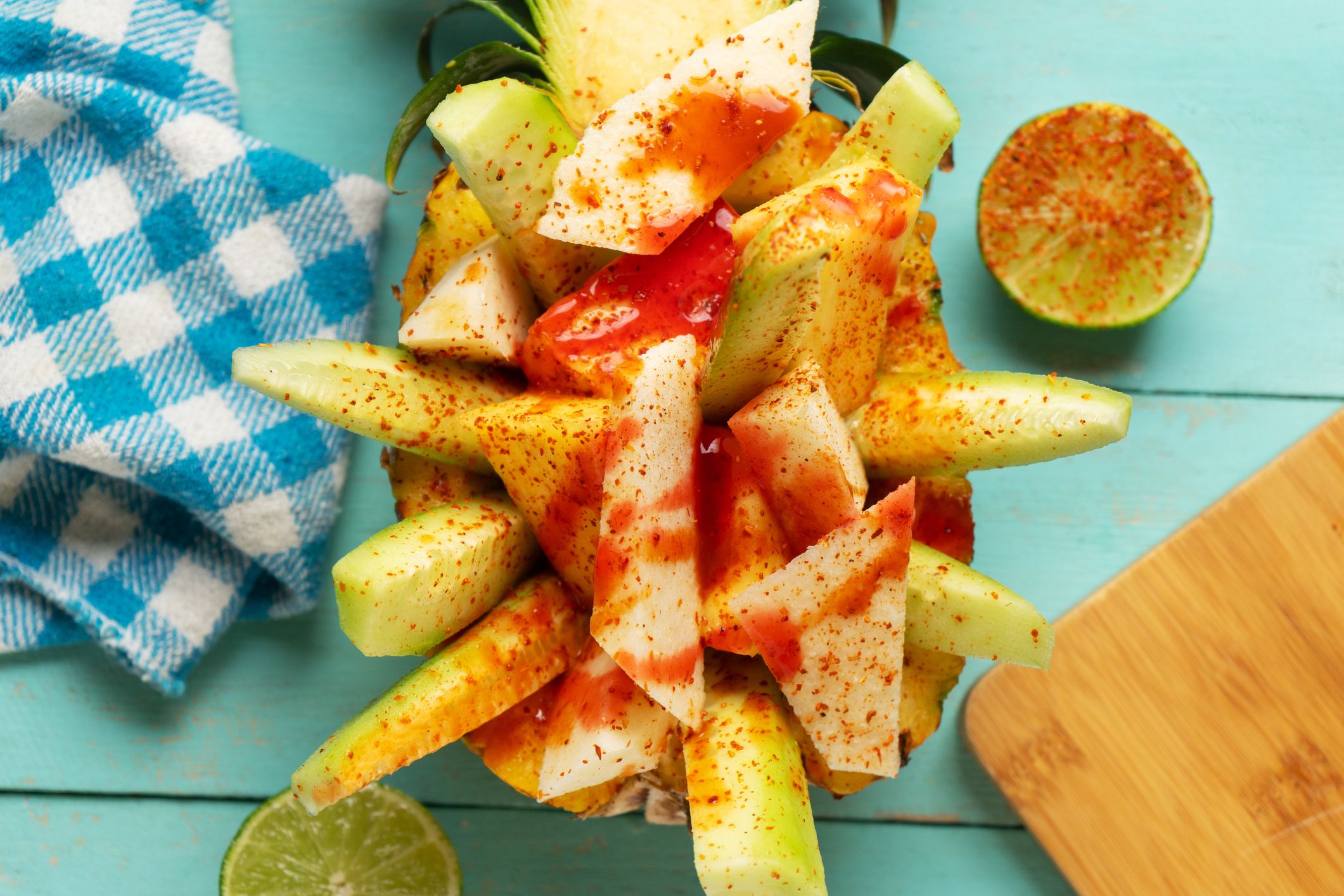
Are you getting enough jícama in your diet? This all-star root veggie (technically, it’s a bean, but often considered a root veggie) is made up of 85% water. It’s a nutritious food that works well for those who need to monitor blood sugar levels and insulin, and it is a great source of fiber.
Jícama can be used in a variety of ways. If you buy it whole at the store, remove the skin first. Then, you can chop the inside and eat it raw — plain or with your favorite dip. Add jícama matchsticks to salads for crunch, or roast it as an alternative to potatoes. You can also find thinly sliced jícama wraps at many grocery stores today, so they can even serve as taco shells.
carlosrojas20 / iStock
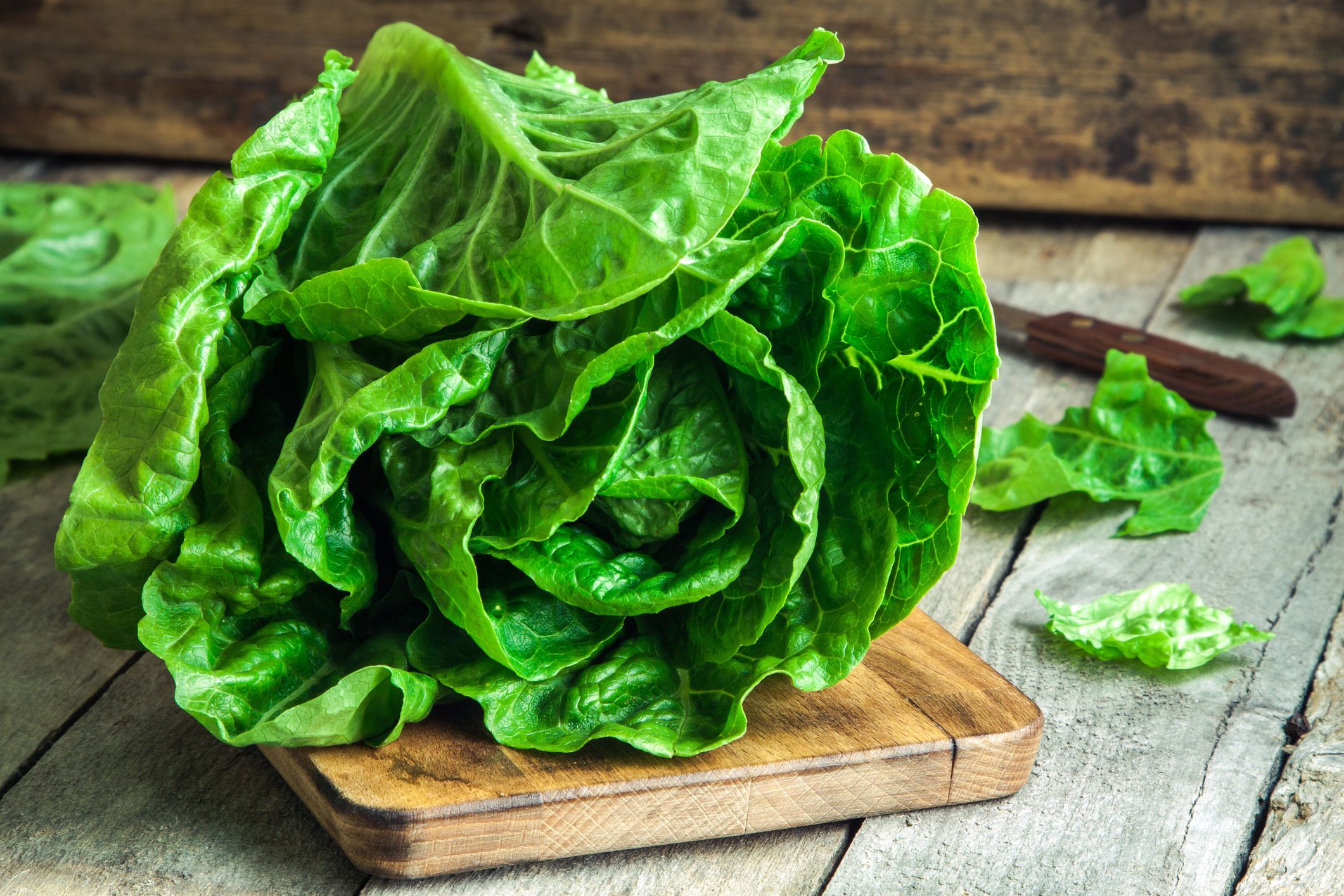
Many different types of lettuce are high in water content, typically around 95%, although it can vary based on the type of lettuce you’re eating. Leafy greens like spinach are also hydrating.
You probably already know the drill with lettuce — use it as a base for salads, add it to sandwiches and burgers, or chop it up to stuff inside wraps or tacos. You can even use large lettuce pieces to wrap burgers in place of buns for especially hot days where you want extra hydration. Greens like spinach and kale are also fantastic ways to add nutrients to hydrating smoothies.
wmaster890 / iStock
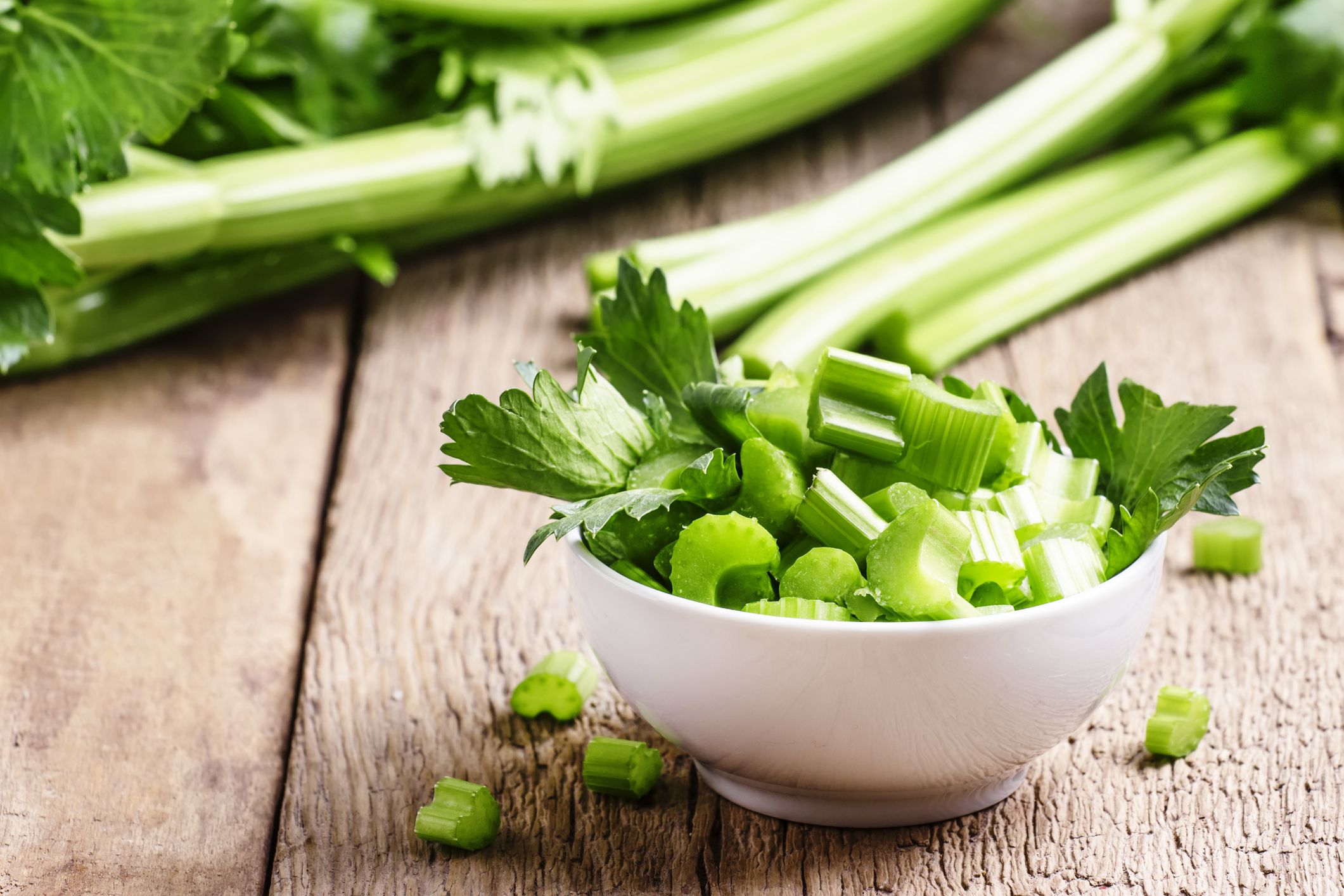
With about 95% water content, celery is another hydrating veggie to add to your plate. This vegetable also has a decent amount of fiber, potassium, and calcium.
You can munch on celery on its own, although the slightly bitter taste isn’t for everyone. Go for “ants on a log” by adding peanut butter and raisins for a sweet and slightly salty flavor combination. Celery can also be juiced or added to gazpacho.
5PH/ iStock
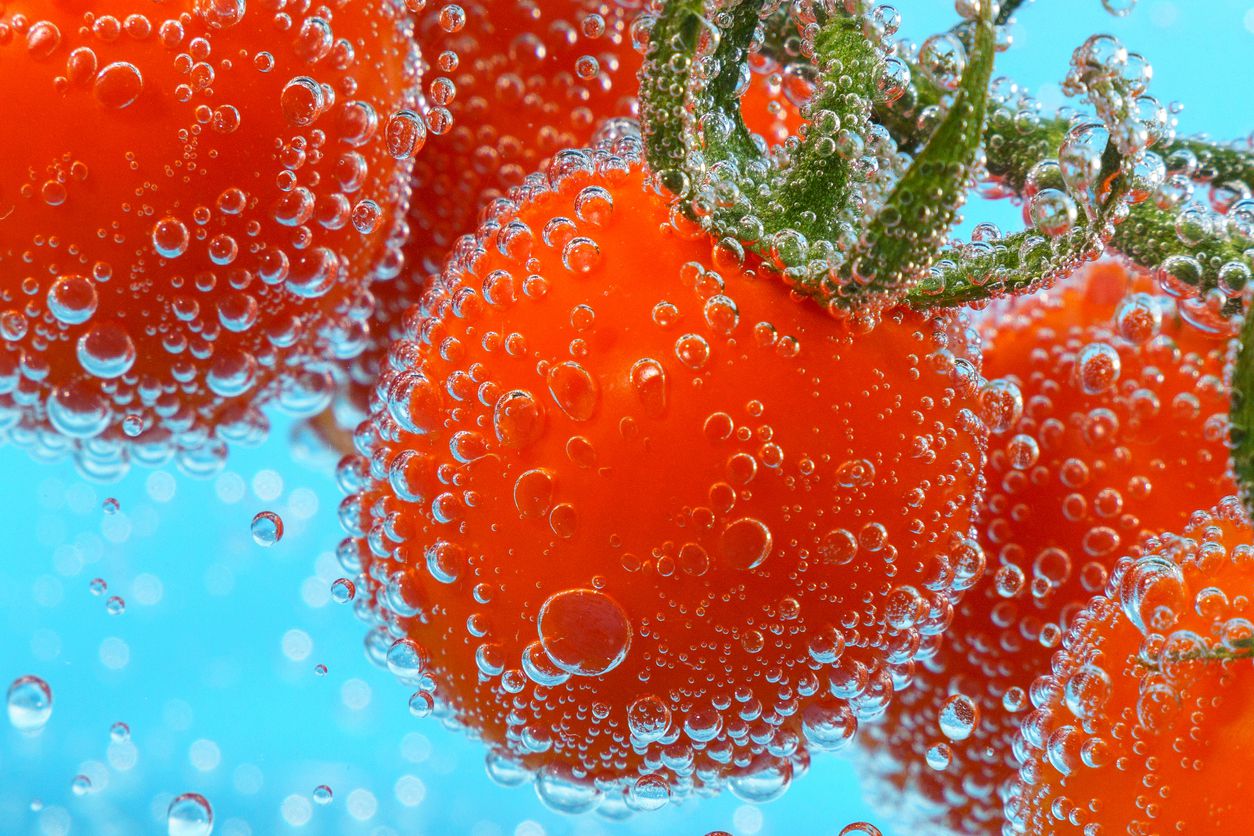
Made up of about 95% water, tomatoes are the poster child of summer. They peak in the summer, becoming incredibly plump, juicy and rich in flavor.
There’s no shortage of ways to use up your abundance of tomatoes from the garden, farmer’s market or CSA deliveries. Slice them up and eat plain as a snack. Add to salads, sandwiches, burgers, soy dogs and pastas. Fill tacos and burritos with tomatoes, or use them in homemade salsas.
Алексей Филатов / iStock

Broccoli consists of an impressive 90% water content, so make sure you’re getting enough of this nutrient-dense vegetable.
You’ll get the most benefit out of broccoli by enjoying it raw. It’s an ideal companion to a veggie tray with your favorite dips, like hummus or ranch. Broccoli florets and chopped stems also add texture and flavor to salads.
KateSmirnova/istockphoto
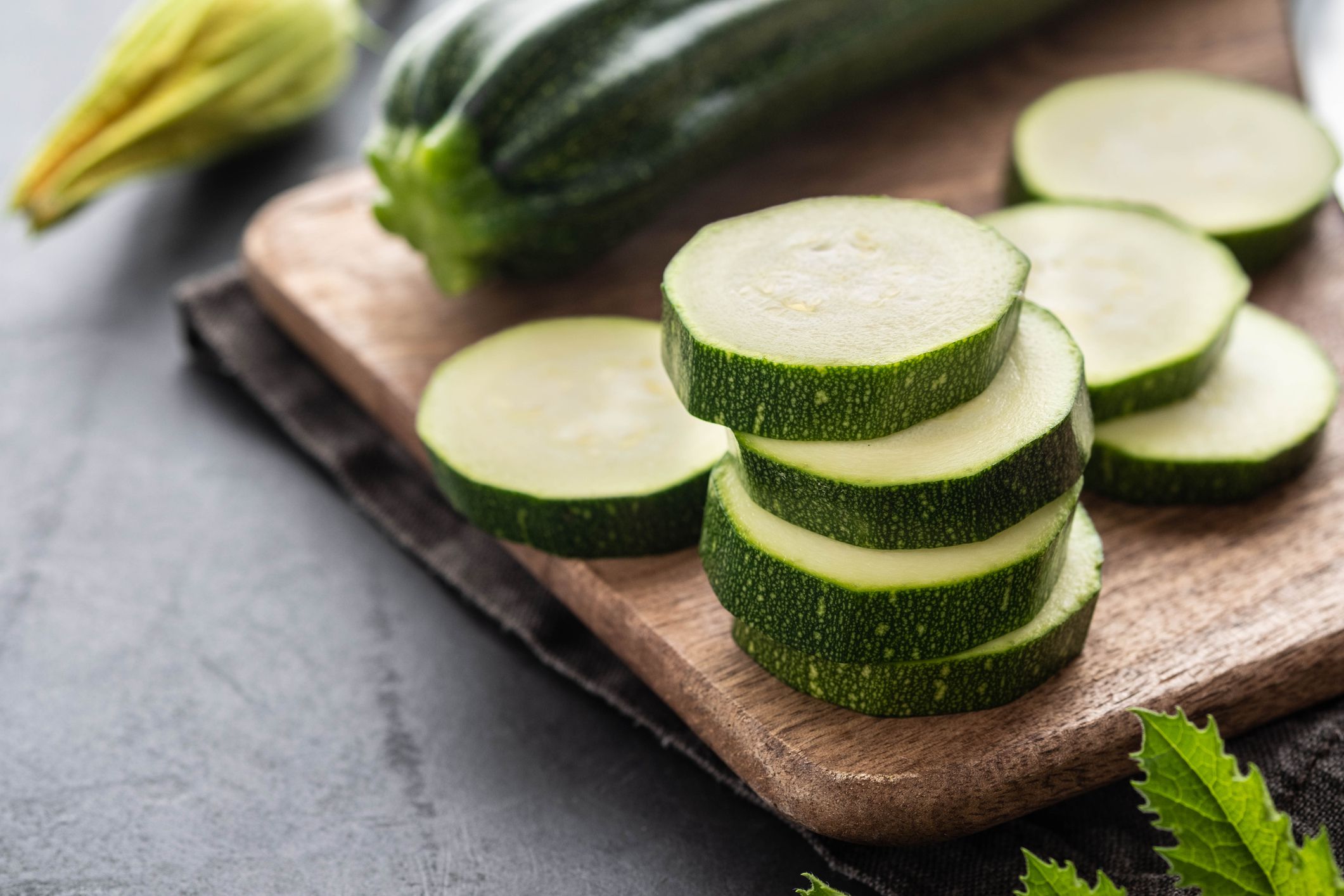
Another summer staple, zucchini has about 90% water, plus it includes fiber and is rich in antioxidants.
This summer squash makes gazpacho creamy, or it can be thinly sliced into “zoodles” for cold pasta dishes or even veggie lasagna. Another unconventional way to use up zucchini? Slice it up and freeze it, then add the frozen zucchini chunks to a smoothie. It doesn’t impact the flavor, but it does make for an incredibly smooth and silky texture.
This article originally appeared on Ecowatch.com and was syndicated by MediaFeed.org.
Harahliad / iStock

rez-art / istockphoto
Featured Image Credit: Depositphotos.com.


