The music you only heard in waiting rooms and somehow remember
Nobody chose it. Nobody asked for it. It played at a volume specifically calibrated to be heard without being listened to, and yet something about the experience lodged it permanently in memory. The music that filled dentist offices, bank lobbies and doctor waiting rooms in the 1970s and 1980s had a name, a company behind it and a science designed to make you forget you were ever there.
According to Mental Floss, Major General George O. Squier founded the Muzak company in 1934 and by the 1940s, it had adopted the slogan “Muzak While You Work for Increased Efficiency.” The company eventually produced over three million songs. Almost none of them were original. They were smooth, orchestral, instrumental reinterpretations of songs people already knew, drained of anything that might demand attention.
Here are the songs you heard and half-forgot, listed for the first time with their actual names.
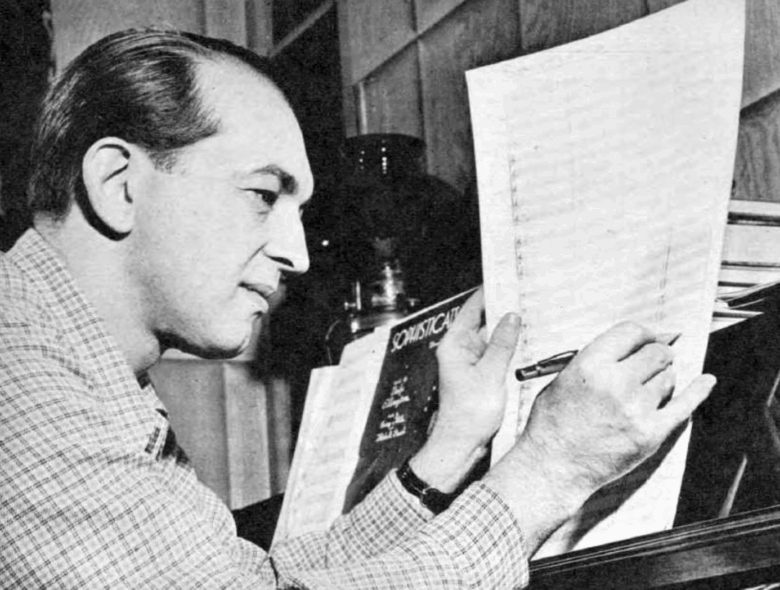
“A summer place” by Percy Faith (1959)
Takes Me Back calls this the defining easy-listening track of the genre. Percy Faith’s orchestral arrangement spent nine weeks at number one on the Billboard pop chart. According to the Twenty Thousand Hertz podcast on Muzak, Faith was one of the major pioneers of easy listening, and this was his signature composition.
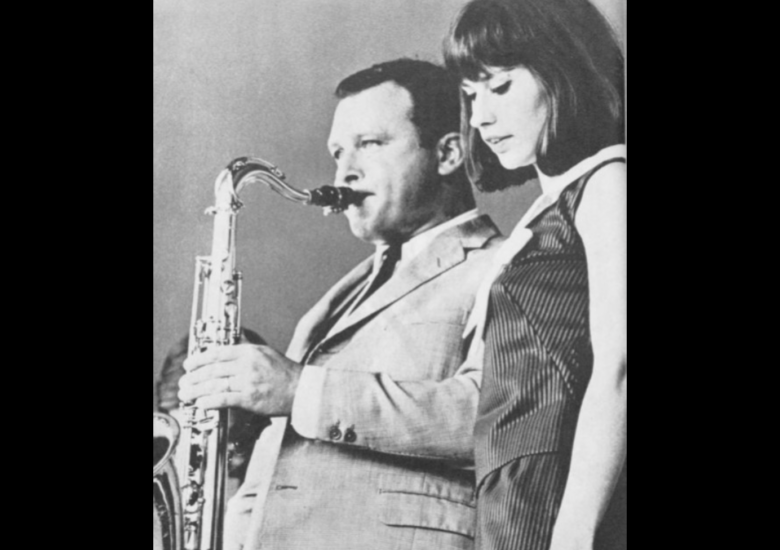
“The girl from Ipanema” by Stan Getz and Astrud Gilberto (1964)
This Brazilian bossa nova won the Grammy for Record of the Year in 1965 and is, according to Wikipedia, the second-most recorded pop song in history after “Yesterday.” The Muzak version stripped the vocals and let the saxophone carry it. It is the song most synonymous with the waiting room experience.
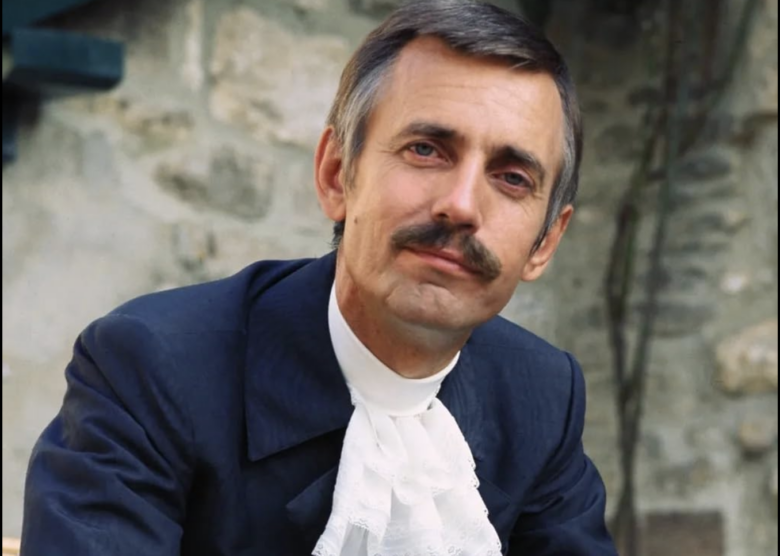
“Love is blue” by Paul Mauriat (1968)
Takes Me Back calls it “practically the genre’s anthem.” Mauriat’s recording spent five weeks at number one in 1968. Those who heard it in waiting rooms rarely knew its name. They all recognized it immediately.
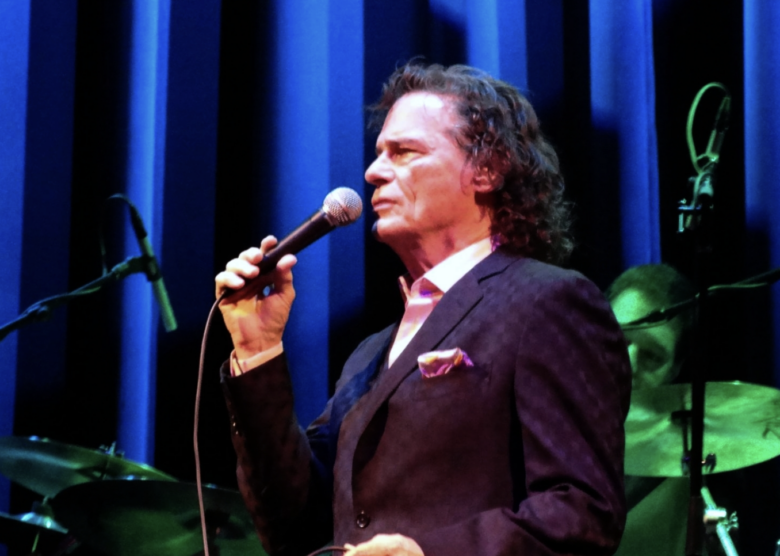
“Raindrops keep fallin’ on my head” by B.J. Thomas (1969)
Burt Bacharach wrote this for the film Butch Cassidy and the Sundance Kid, where it won the Academy Award for Best Original Song. The Muzak version, as Takes Me Back, stripped the lyrics and let the piano melody carry it entirely. The effect was a song you recognized without being able to name, hummed without intending to and associated entirely with the specific boredom of sitting in a chair waiting for your name to be called.

“Close to you” by The Carpenters (1970)
The song spent four weeks at number one in 1970. Its lush orchestral arrangement was already so smooth in its original form that, as Takes Me Back confirms, removing the vocals barely changed its emotional character.
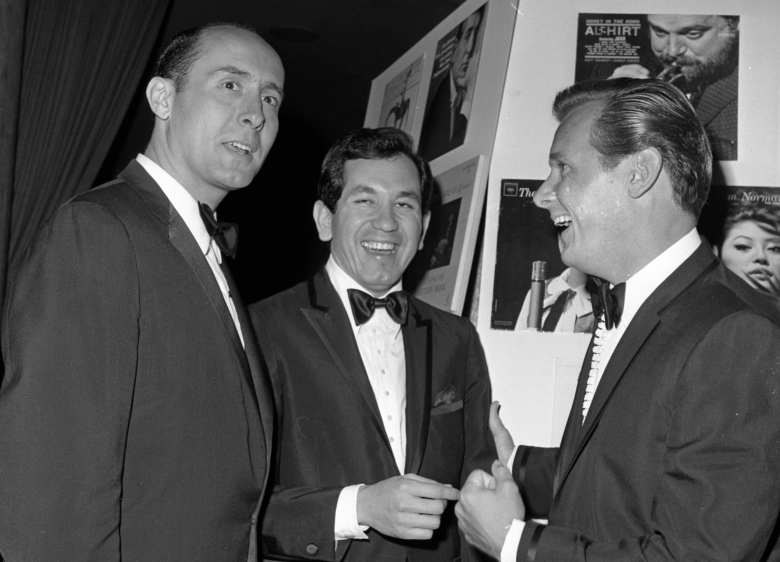
“Moon river” by Henry Mancini (1961)
Henry Mancini composed this for Breakfast at Tiffany’s, where it won the Academy Award for Best Original Song. Takes Me Back lists it among the most iconic waiting room pieces of the era. Stripped of Audrey Hepburn’s vocals, it drifted through public spaces for two decades.

The bottom line
These songs were chosen because they were calming, familiar and simple enough to process without listening. The strategy worked too well. They embedded themselves in the memory of everyone who sat beneath them, attached permanently to the specific anxiety of waiting. You cannot name them on demand. The moment you hear them, you are back in that chair.
Ask us! What questions do you have about content, strategy, pop culture, lifestyle, wellness, history or more? We may use your question in an upcoming article!
Related:
- The most controversial song the year you were born: Gen X edition
- The most controversial songs of the ’60s: Do you agree?
Like MediaFeed’s content? Be sure to follow us.
This article was syndicated by MediaFeed.co.