The most overrated inventions of the last 50 years: do you agree?
Every few years, something new gets sold as the future arriving early. Cities would reorganize around it, entire industries would transform, life as everyone knew it would basically be over. Then reality shows up, and reality is rarely that impressed.
We’ve rounded up some of the inventions from the last 50 years that have impressed us the least. What did we miss?

The Segway
Steve Jobs reportedly said cities wouldn’t need convincing to redesign themselves around it; that’s how big a deal Segway’s inventor believed this thing would be. Reality: $5,000 price tag, over 100 pounds, banned from sidewalks in city after city. It found a niche in mall security and guided tours. Never came close to replacing a car.
Google Glass
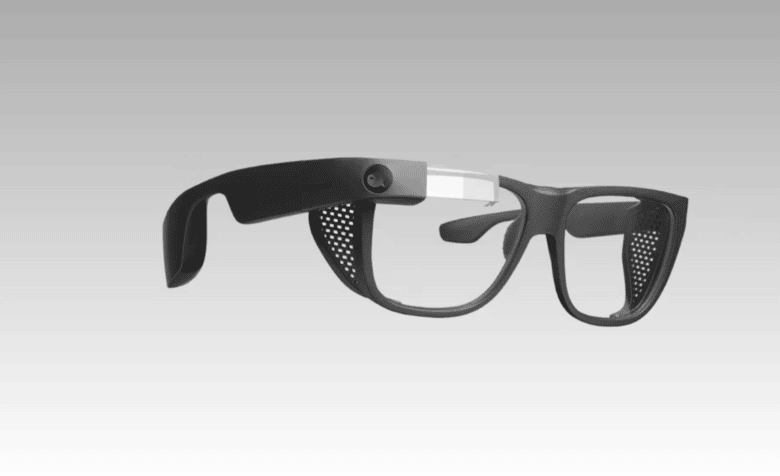
A $1,500 headset, celebrities wearing it, fashion magazines fawning over it, genuine mainstream buzz before it ever really launched. Then people actually tried using it. Battery life under an hour. Overheating during video recording. And the privacy backlash alone (nobody could tell when the camera was rolling) killed public goodwill faster than any technical flaw could have.

3D TV
Every major manufacturer bet big on this one at once. Special glasses, premium pricing, entire marketing campaigns built around convincing people their living room needed a third dimension. Consumers weren’t asking for it, and once 4K and curved displays arrived, 3D TV quietly disappeared from showroom floors without much of a eulogy.
Juicero
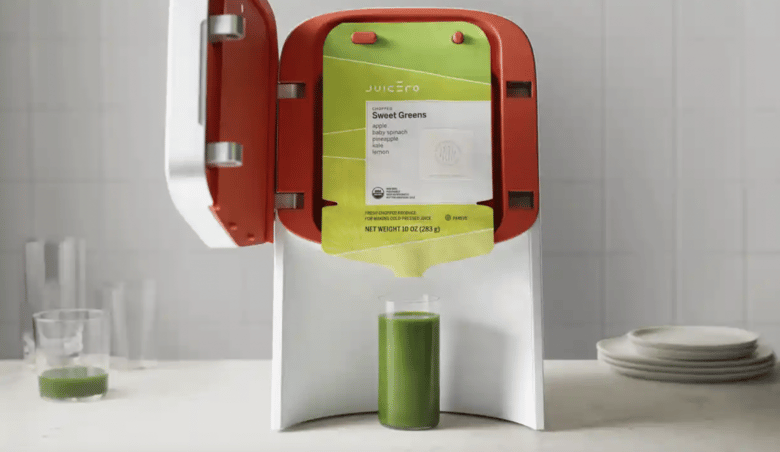
A $400 Wi-Fi-connected juicer. Worth repeating: $400, and it needed an internet connection to squeeze a bag of pre-cut produce. The whole premise fell apart the moment Bloomberg reporters demonstrated you could squeeze the same bags by hand, no $400 machine required, no Wi-Fi required either.

QR code restaurant menus
Touted as the pandemic’s contactless dining solution, hailed as a permanent upgrade over paper menus almost overnight. Years later, plenty of diners still find them inconvenient and impersonal, fumbling with a phone camera and a spotty connection just to see what’s on the menu at a table that used to just have one sitting right there.
The hoverboard
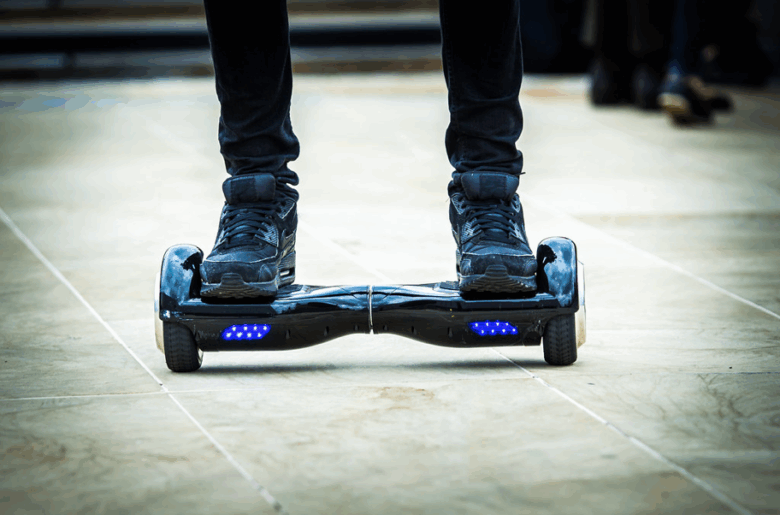
Marketed with Back to the Future energy, delivered as a self-balancing scooter that couldn’t actually hover, and struggled to stay upright reliably enough to avoid a formal safety warning. The Consumer Product Safety Commission got involved. Sales projections of half a million units a year turned into roughly 30,000 sold over six years for at least one major manufacturer.
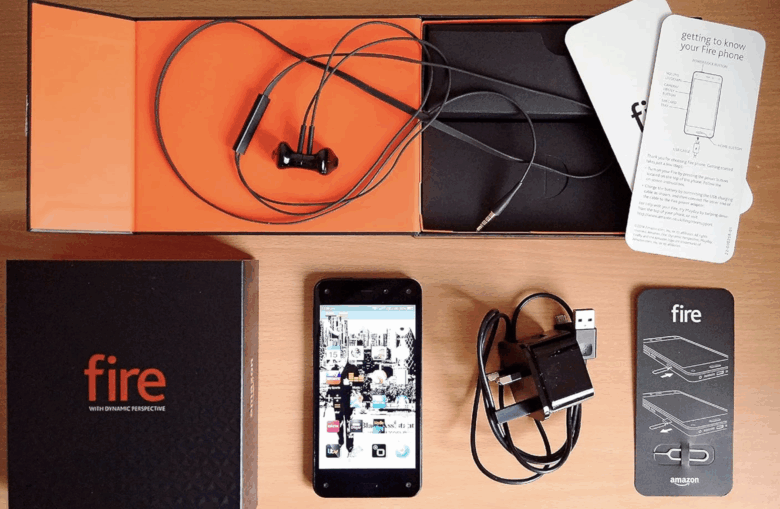
The Amazon Fire Phone
Dynamic Perspective 3D visuals. Deep Amazon shopping integration built into every corner of the interface. A genuinely ambitious pitch in 2014, and a genuine flop despite it, undone by a high price tag and a near-total lack of third-party apps that left the phone feeling half-finished next to actual competitors.

NFTs
Digital ownership, permanently reshaping art and collecting, or so the pitch went at the peak of 2021. The global NFT market has since collapsed by roughly 93.5 percent, from $24.7 billion to $1.6 billion in just two years, and the image of a monkey wearing a sailor cap selling for millions has aged into a punchline rather than the future of ownership it was sold as.
The bottom line
None of these inventions were stupid, exactly. Most solved a real problem, at least on paper. What they consistently underestimated was how much people actually wanted the solution being offered, versus how much a press release insisted they should want it.
Ask us! What questions do you have about content, strategy, pop culture, lifestyle, wellness, history or more? We may use your question in an upcoming article!
Related:
- Nostalgic gold: 1980s cartoons worth rewatching as an adult
- Fun things we could do in the ’80s that today’s kids just can’t
Like MediaFeed’s content? Be sure to follow us.
This article was syndicated by MediaFeed.co.