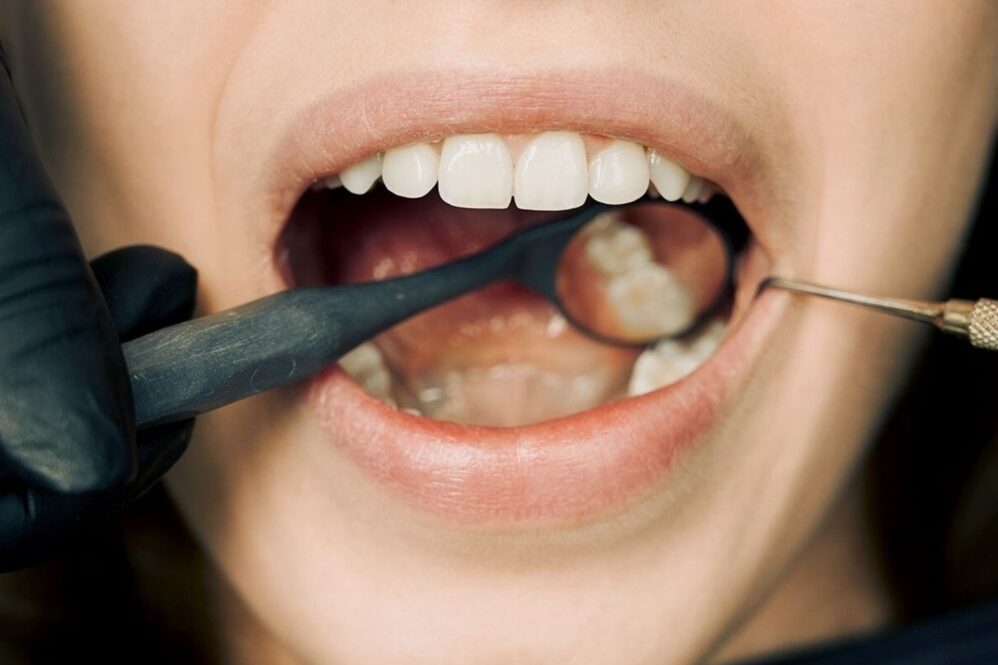
The Link Between Oral Health and Chronic Disease: What Your Mouth Reveals
Most people think of oral health as a matter of avoiding cavities, bad breath, or expensive dental work. But your mouth can reveal much more than whether you’ve been flossing. Increasingly, researchers are finding connections between oral health and some of the most common chronic diseases affecting adults today.
The health of your teeth and gums influences inflammation, immunity, blood sugar regulation, and even cardiovascular function. In many cases, the mouth serves as an early warning system for issues developing elsewhere in the body. Here are 10 ways your oral health may be connected to your overall well-being.
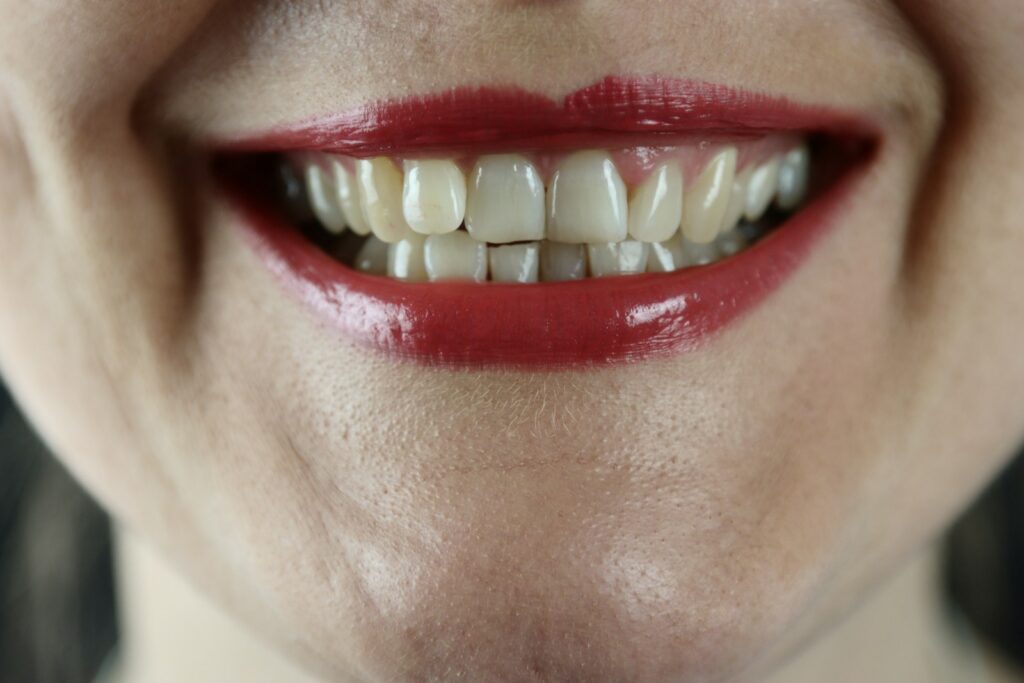
10. Your Mouth Is Home to Billions of Bacteria
Your mouth contains one of the most diverse microbial ecosystems in your body. Most of these bacteria are harmless or even beneficial, helping break down food and maintain balance.
Problems begin when harmful bacteria multiply due to poor oral hygiene, smoking, excessive sugar consumption, or untreated gum disease. These bacteria can trigger infections and inflammation that extend far beyond the mouth.
Understanding this bacterial balance is the foundation for understanding the connection between oral and systemic health.
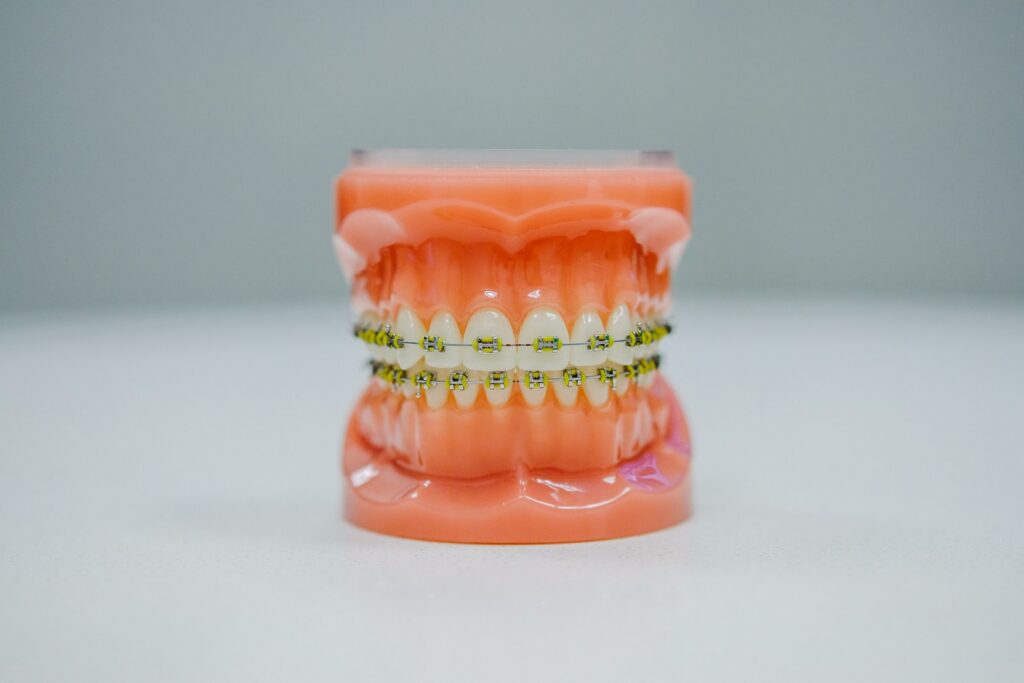
9. Gum Disease Is More Common Than Many People Realize
Gum disease, also known as periodontal disease, affects nearly half of adults over age 30 to some degree.
Early symptoms may include:
- Bleeding when brushing or flossing
- Persistent bad breath
- Swollen or tender gums
- Gum recession
- Loose teeth
Because symptoms often develop gradually, many people don’t realize they have gum disease until significant damage has already occurred.

8. Chronic Inflammation Can Spread Beyond the Gums
One of the biggest concerns surrounding gum disease is inflammation.
When gums remain chronically inflamed, inflammatory chemicals can enter the bloodstream and circulate throughout the body. Scientists now recognize chronic inflammation as a major contributor to many diseases, including heart disease, diabetes, arthritis, and certain cancers.
Healthy gums help reduce one source of ongoing inflammatory stress on the body.
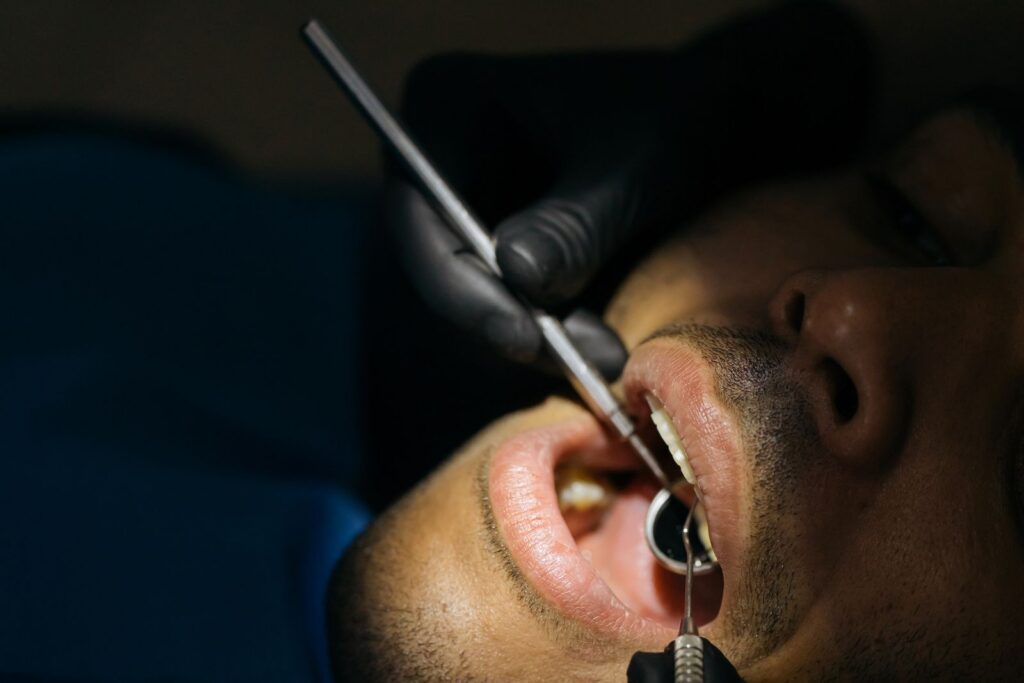
7. Gum Disease Has Been Linked to Heart Disease
Researchers have spent decades studying the relationship between periodontal disease and cardiovascular health.
Harmful oral bacteria may enter the bloodstream and contribute to inflammation inside blood vessels. Some studies suggest these bacteria may play a role in the development of arterial plaque and narrowed arteries.
While brushing your teeth won’t guarantee protection from heart disease, maintaining good oral health appears to be an important part of overall cardiovascular wellness.

6. Oral Health and Diabetes Affect Each Other
The relationship between diabetes and gum disease works both ways.
People with diabetes are more likely to develop gum infections because elevated blood sugar can weaken the body’s ability to fight bacteria. At the same time, active gum disease may make blood sugar levels harder to control.
For people living with diabetes, oral care becomes more than a dental issue—it becomes part of disease management.

5. Your Gums May Influence Brain Health
Emerging research is exploring possible links between periodontal disease and cognitive decline.
Scientists have discovered oral bacteria in brain tissue and are investigating whether chronic oral infections contribute to inflammation that affects neurological health over time.
While researchers are still working to understand the full relationship, maintaining healthy gums may be one way to support long-term brain health alongside exercise, sleep, and nutrition.

4. Oral Problems Can Affect Your Immune System
When your body constantly fights infections in the mouth, it places additional demands on the immune system.
Untreated dental infections can create ongoing immune activation, leaving the body with fewer resources to focus on other threats. This may contribute to fatigue and increased vulnerability to illness.
A healthy mouth helps reduce unnecessary stress on your body’s natural defense systems.

3. Oral Health Can Impact Pregnancy Outcomes
Good oral health becomes especially important during pregnancy.
Research has found associations between severe gum disease and an increased risk of complications such as preterm birth and low birth weight. Hormonal changes during pregnancy can also make gums more sensitive and prone to inflammation.
Many healthcare providers now encourage dental cleanings and preventive oral care as part of routine prenatal wellness.

2. Daily Habits Make a Bigger Difference Than You Think
The most effective oral health strategies are also the simplest.
Experts recommend:
- Brushing twice daily with fluoride toothpaste
- Flossing once per day
- Limiting sugary foods and beverages
- Drinking plenty of water
- Replacing toothbrushes regularly
- Scheduling routine dental checkups
These habits help prevent cavities and gum disease while supporting overall health in the long term.

1. Your Mouth May Be an Early Warning System for Larger Health Issues
Dentists often spot signs of health conditions before symptoms appear elsewhere.
Persistent dry mouth, unusual sores, inflamed gums, recurring infections, and changes in oral tissues can sometimes signal nutritional deficiencies, autoimmune conditions, diabetes, or other underlying health concerns.
That’s why routine dental visits are about much more than clean teeth. They provide an opportunity to catch potential health problems early, when intervention is often most effective.
Read More:
- Not a Morning Person? 10 Ways to Change That
- Think You Avoid GMOs? These 10 Foods Might Surprise You
- 15 Clever Ways to Drink More Water Every Day (Without Trying Hard)
Ask us! What questions do you have about content, strategy, pop culture, lifestyle, wellness, history or more? We may use your question in an upcoming article!
Like MediaFeed’s content? Be sure to follow us.
This article originally appeared on Resourcebuzz and was syndicated by MediaFeed.co.