The household items people replace far too late
Nothing in your house sends up a flare when it expires. No beep, no calendar reminder, nothing. The pillow just goes flat one degree at a time until one day it’s basically a pancake, and nobody clocked the moment it happened.
That quiet decline is exactly what cleaning experts and hygiene researchers keep flagging when they get asked which items people hold onto the longest, and the answers tend to land on the same handful of culprits: sponges, pillows, mattresses, the stuff nobody thinks to timestamp. A few of these carry actual safety stakes too, not just a gross factor, which is worth keeping in mind while reading through the list below.

Pillows
One to two years, according to the professional organizers who deal with this stuff for a living, because pillows accumulate dust mites, skin cells, body oils, the whole unpleasant list, and lose their support along the way. Quick test: fold it in half. Doesn’t spring back? That’s your answer.
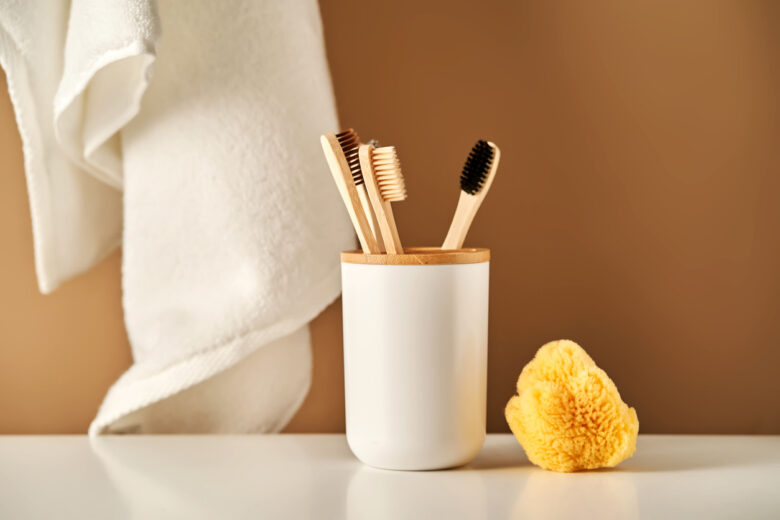
Toothbrushes
Bristles fray way before most people register it, quietly cleaning less and less with every use. Three to four months is the official ADA line, sooner if the bristles are already splaying out sideways. Most people go by vibes instead, which is how a brush ends up lasting eight months.
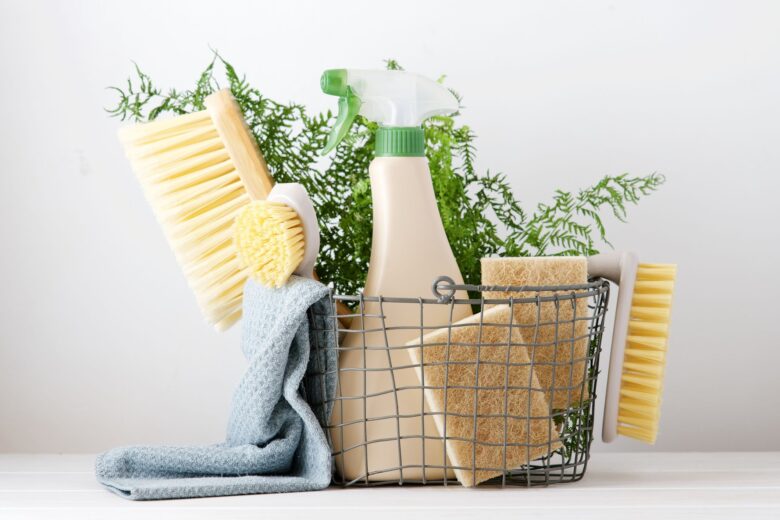
Kitchen sponges
Here’s an uncomfortable one. A damp sponge is basically a bacteria hotel, and yes, dirtier than a toilet seat; and that’s not an exaggeration, that’s just what the research says. Most people keep using theirs until it physically disintegrates in their hand. Don’t do that.

Mattresses
No hard rule here, honestly. Sagging, visible springs, waking up with a sore back that wasn’t there before; these are the actual signs. Consumer Reports puts the average lifespan somewhere around eight to ten years. Plenty of people are ten years past that and just assume their back is getting old instead.
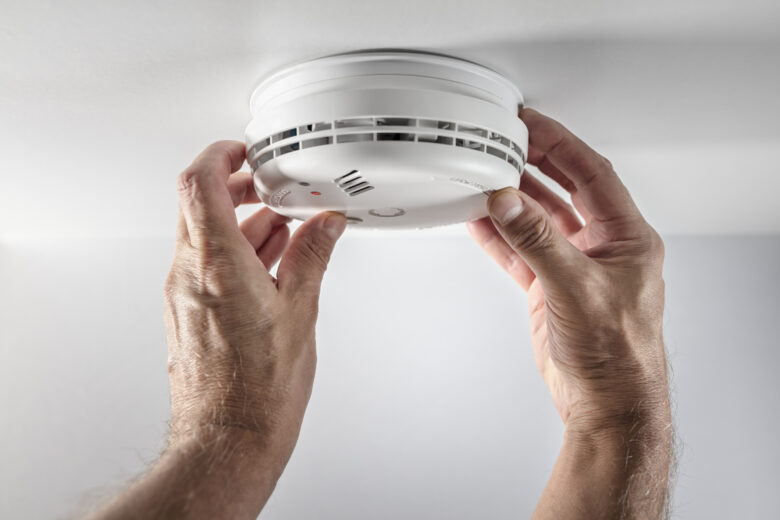
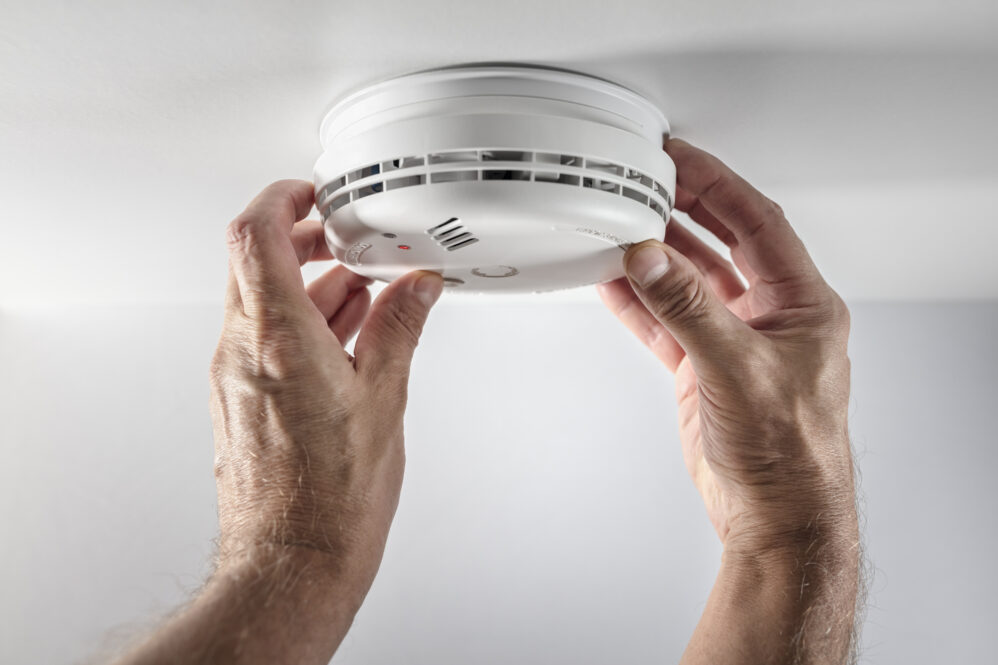
Smoke alarms
This is the one that actually matters, safety-wise, not just hygiene-wise. Replace every ten years from manufacture, not install, per NFPA rules, because the sensor inside degrades even if the test button still beeps fine. And almost nobody knows how old theirs is. Go check. Right now, if you can.

Shower loofahs
Stays wet, rarely dries out fully between showers, ideal bacteria conditions basically by design. Every three months is the recommendation, faster if you’re not the type to actually rinse and hang it after every use.

The bottom line
None of these things announce their own expiration. They just quietly get worse at their one job, a flat pillow here, a bacteria-loaded sponge there, until something forces the issue. Sometimes that something is a sore back. Sometimes it’s a house fire. Worth checking now instead of later.
Ask us! What questions do you have about content, strategy, pop culture, lifestyle, wellness, history or more? We may use your question in an upcoming article!
Related:
- 10 things to know about the 10-10 decluttering method
- 10 items you should never display on your coffee table according to designers
Like MediaFeed’s content? Be sure to follow us.
This article was syndicated by MediaFeed.co.